Have you ever noticed steam rising from under your car’s hood or felt your engine temperature gauge creeping into the red zone? If so, you might be wondering, “Why is my engine coolant boiling?” This isn’t just a small problem—it’s a warning sign that your engine could be in serious trouble.
Understanding why your coolant is boiling can help you avoid costly repairs and keep your vehicle running smoothly. Keep reading to discover the common causes, risks, and simple steps you can take to protect your engine before it’s too late.
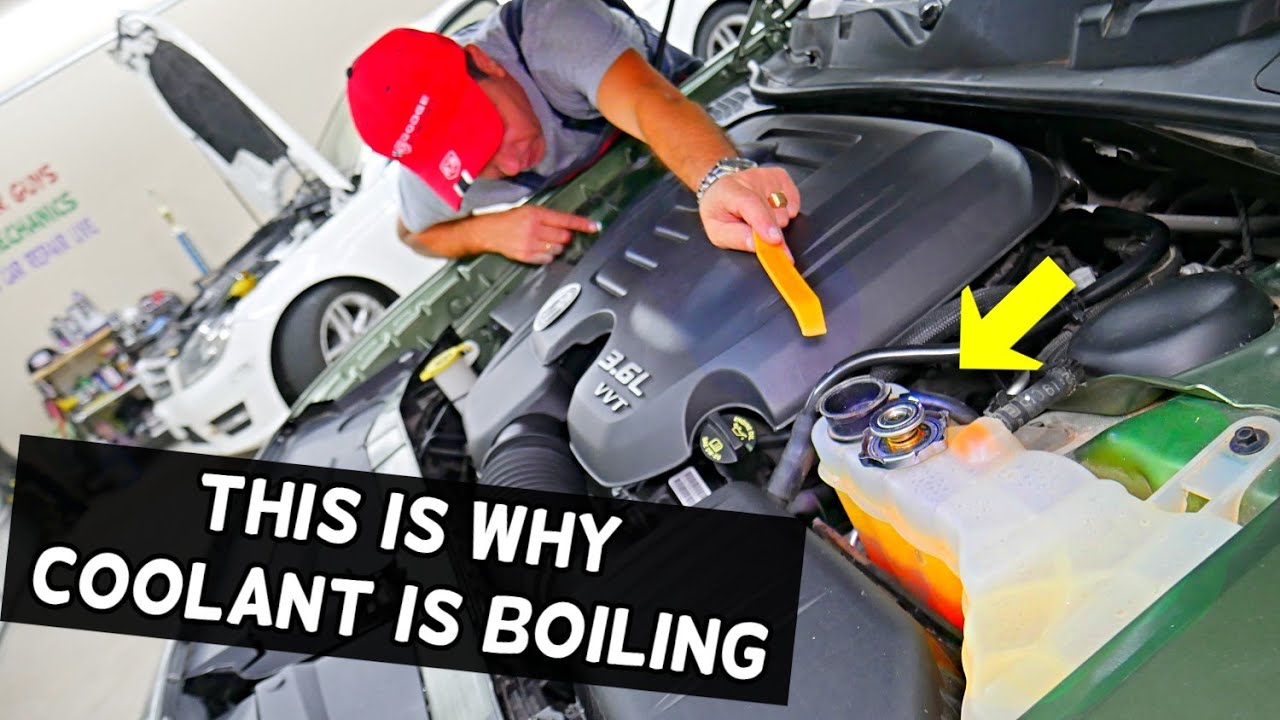
Signs Of Boiling Coolant
Boiling engine coolant is a serious issue that needs quick attention. Recognizing the signs helps prevent engine damage. Coolant boiling means the engine is too hot and not cooling properly. Watch for clear signs that your coolant is overheating. Early detection can save costly repairs and keep your car running safely.
Overheating Dashboard Warning
Your dashboard shows a temperature gauge or warning light. If the needle moves to the red zone, the engine is overheating. A glowing warning light means the coolant may be boiling. Do not ignore these signals. Stop driving and check your engine as soon as possible.
Steam From The Engine
Steam rising from under the hood is a strong sign. This happens when coolant reaches boiling point and escapes as vapor. The steam usually smells sweet, like antifreeze. It can come out near the radiator or engine block. Steam means immediate action is needed to avoid damage.
Unusual Engine Smells
Boiling coolant often causes strange smells inside or outside the car. You may notice a sweet, syrupy odor from the engine area. This smell is antifreeze escaping as it overheats. A burning smell can also signal overheating. These odors warn you about coolant problems before other signs appear.
Common Causes Of Boiling Coolant
Boiling engine coolant is a serious issue that can cause engine damage. Understanding the common reasons helps to fix the problem quickly. Many factors can lead to overheating and boiling of the coolant. Identifying the cause is the first step to keep your engine safe and running smoothly.
Low Coolant Levels
Coolant helps keep the engine temperature stable. Low coolant levels reduce its ability to cool the engine. Leaks or evaporation often cause low coolant. Without enough coolant, the engine heats up fast. This leads to boiling coolant and possible engine damage.
Faulty Thermostat
The thermostat controls coolant flow through the engine. A faulty thermostat may stick closed. This stops coolant circulation and traps heat inside. The trapped heat causes the coolant to boil. Replacing a bad thermostat restores normal coolant flow.
Radiator Issues
The radiator cools the hot coolant before it returns to the engine. Blocked or damaged radiators cannot cool coolant well. Dirt, debris, or corrosion often cause blockages. Poor cooling raises the coolant temperature and causes boiling.
Water Pump Failure
The water pump moves coolant around the engine and radiator. If the pump fails, coolant flow stops. Without flow, heat builds up quickly. This causes the coolant to boil and can damage the engine.
Clogged Coolant Passages
Coolant flows through small passages in the engine. Over time, rust and deposits can clog these passages. Clogs block coolant flow and trap heat. This leads to overheating and boiling coolant inside the engine.
Head Gasket Problems
The head gasket seals the engine block and cylinder head. A blown head gasket lets hot gases enter the coolant system. This heats the coolant beyond normal levels. It causes rapid boiling and severe engine issues.
Effects Of Boiling Coolant On Engine
Boiling engine coolant can harm your vehicle in many ways. The coolant is vital to keep the engine at the right temperature. When it boils, it stops doing its job well. This causes serious problems for the engine’s health and your car’s performance.
Engine Overheating Risks
Boiling coolant can cause the engine to overheat quickly. Without proper cooling, engine parts get too hot. This extra heat can cause the engine to stop working. Overheating can lead to breakdowns and expensive repairs.
Potential Engine Damage
Hot steam from boiling coolant can damage engine components. It can warp the cylinder head or crack the engine block. This damage reduces the engine’s lifespan. Fixing these issues often costs a lot of money.
Reduced Vehicle Performance
Boiling coolant affects how well the engine runs. The engine may lose power or run rough. Fuel efficiency often drops, making the car use more gas. These problems make driving less smooth and more costly.

Quick Fixes For Boiling Coolant
Boiling engine coolant can cause serious damage to a car’s engine. Quick fixes help stop overheating and protect the engine. Some simple steps can cool down the system fast. Check the coolant level, clean the radiator, replace parts, and repair leaks. These actions often solve the problem before it gets worse.
Checking And Refilling Coolant
Start by checking the coolant level in the reservoir. Low coolant causes the engine to overheat quickly. Add the correct type of coolant to fill the reservoir. Never open the radiator cap when the engine is hot. Wait for the engine to cool down to avoid burns.
Flushing The Radiator
Flushing removes old coolant and dirt from the radiator. Dirty coolant blocks the flow and causes boiling. Use clean water or a radiator flush solution. Run the engine briefly to circulate the cleaner. Drain the system completely before adding new coolant.
Replacing The Thermostat
The thermostat controls coolant flow in the engine. A stuck thermostat can trap hot coolant inside. Replace a faulty thermostat to restore proper cooling. This fix often stops the engine from boiling over. It helps maintain the right engine temperature.
Inspecting And Repairing Leaks
Leaks lower coolant levels and cause overheating. Check hoses, radiator, and water pump for wet spots or damage. Tighten loose clamps or replace cracked hoses. Fix leaks quickly to keep the cooling system sealed. A sealed system works better and prevents boiling coolant.
Preventive Measures
Preventing engine coolant from boiling is key to keeping your car safe. Simple steps can stop problems before they start. These measures help your engine run cool and smooth.
Regular Coolant Maintenance
Check your coolant level often. Low coolant causes overheating and boiling. Change the coolant as the car manual says. Old coolant loses its power to cool your engine.
Flush the system to remove dirt and rust. Clean coolant flows better and cools faster. Regular checks keep your engine healthy and prevent boiling.
Monitoring Engine Temperature
Watch your car’s temperature gauge closely. It tells you if the engine is too hot. Stop driving if the temperature rises quickly. Let the engine cool down before continuing.
Use a temperature warning light if your car has one. It alerts you early to prevent damage. Staying alert helps avoid boiling coolant and engine trouble.
Using The Right Coolant Type
Use the coolant type your car needs. Different engines need different formulas. Wrong coolant can cause boiling or damage parts.
Read the owner’s manual or ask a mechanic. Using the right coolant keeps your engine cool and safe. It also extends the life of your cooling system.
Frequently Asked Questions
Why Is My Engine Coolant Boiling Suddenly?
Engine coolant boils due to overheating caused by low coolant levels, a faulty thermostat, or a broken water pump. Air pockets in the cooling system can also cause boiling. Immediate inspection and repair prevent engine damage and maintain optimal temperature.
Can A Leaking Radiator Cause Coolant Boiling?
Yes, a leaking radiator lowers coolant levels and pressure, causing the coolant to boil. Leaks reduce cooling efficiency, leading to engine overheating. Fixing leaks promptly helps maintain coolant temperature and prevents engine damage.
How Does A Faulty Thermostat Lead To Boiling Coolant?
A faulty thermostat can get stuck closed, blocking coolant flow. This causes coolant to overheat and boil. Replacing the thermostat ensures proper coolant circulation and prevents engine overheating issues.
Does Low Coolant Level Cause Boiling?
Low coolant levels reduce the system’s ability to dissipate heat effectively. This causes the coolant to overheat and boil. Regularly checking and topping up coolant helps maintain engine temperature and prevents boiling.
Conclusion
Boiling engine coolant signals a problem with your car’s cooling system. It can cause engine damage if not fixed soon. Check the radiator, hoses, and coolant levels regularly. Overheating may come from leaks or a bad thermostat. Keep your engine cool to avoid costly repairs.
Stay alert to warning signs and act quickly. Proper care helps your car run smoothly and safely. Don’t ignore boiling coolant—it’s a sign to take action.


