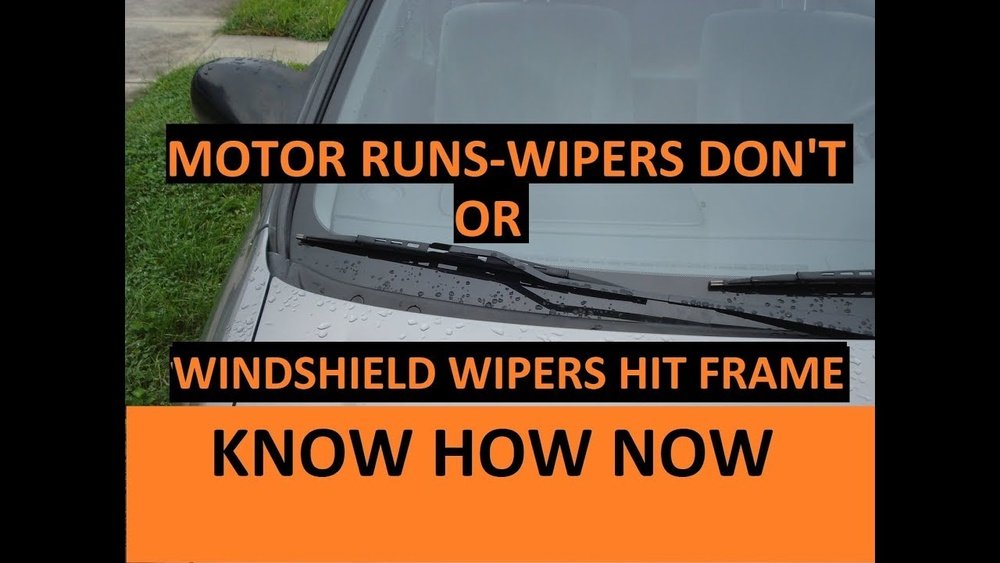
Have you ever turned on your windshield wipers, only to hear the motor running while the blades stay stubbornly still? It’s frustrating and can leave you feeling stuck, especially in bad weather.
You might be wondering, “Why is my wiper motor running but the blades not moving? ” Understanding this problem is key to fixing it quickly and getting back on the road safely. You’ll discover the common reasons behind this issue and simple steps you can take to solve it.
Keep reading—your next drive could depend on it.
Common Causes
When a wiper motor runs but the blades do not move, several common problems could be the cause. These issues stop the wipers from clearing your windshield. Understanding these causes helps you fix the problem quickly. It also prevents further damage to your car’s wiper system.
Worn Out Linkage
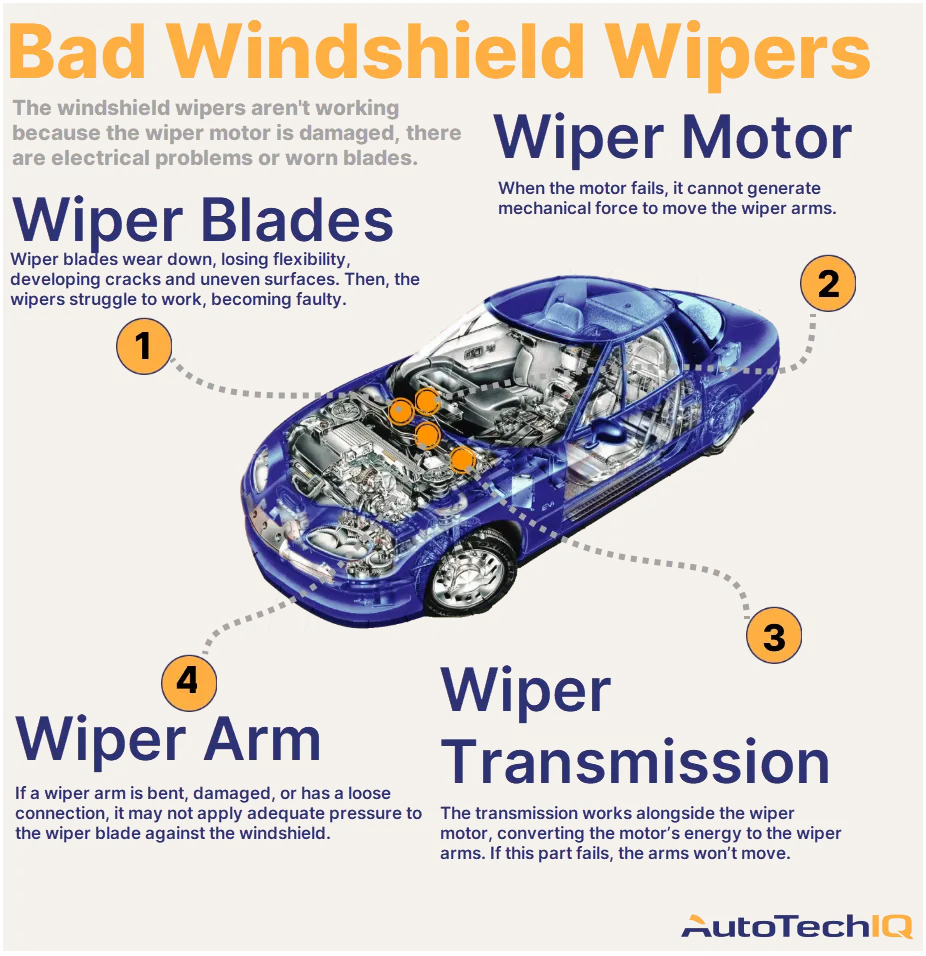
The linkage connects the motor to the wiper blades. Over time, this part can wear out or break. When the linkage fails, the motor spins but the blades stay still. This is a common cause of non-moving wipers. Check the linkage for any signs of damage or looseness.
Faulty Wiper Motor Gear
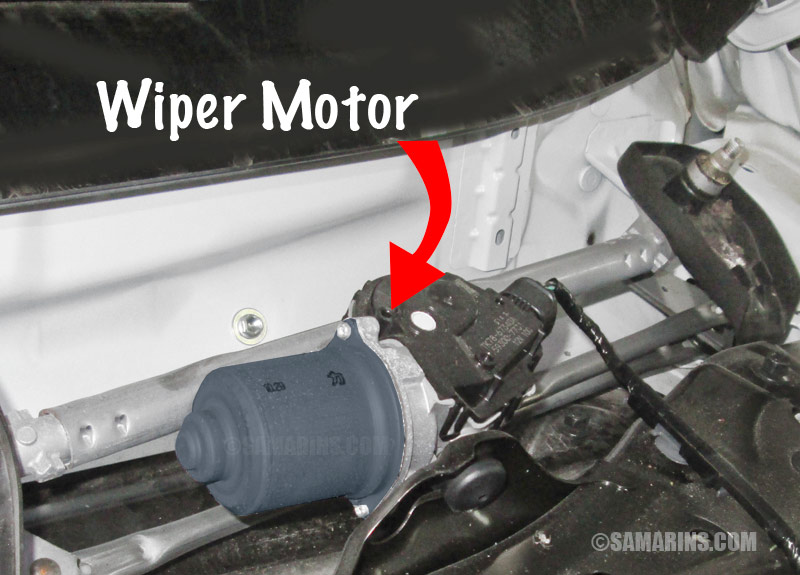
Inside the wiper motor, gears control blade movement. These gears can wear down or strip after long use. A broken gear means the motor runs but cannot move the blades. Replacing the motor gear often fixes this problem. Sometimes the whole motor needs replacement.
Damaged Blades Or Arms
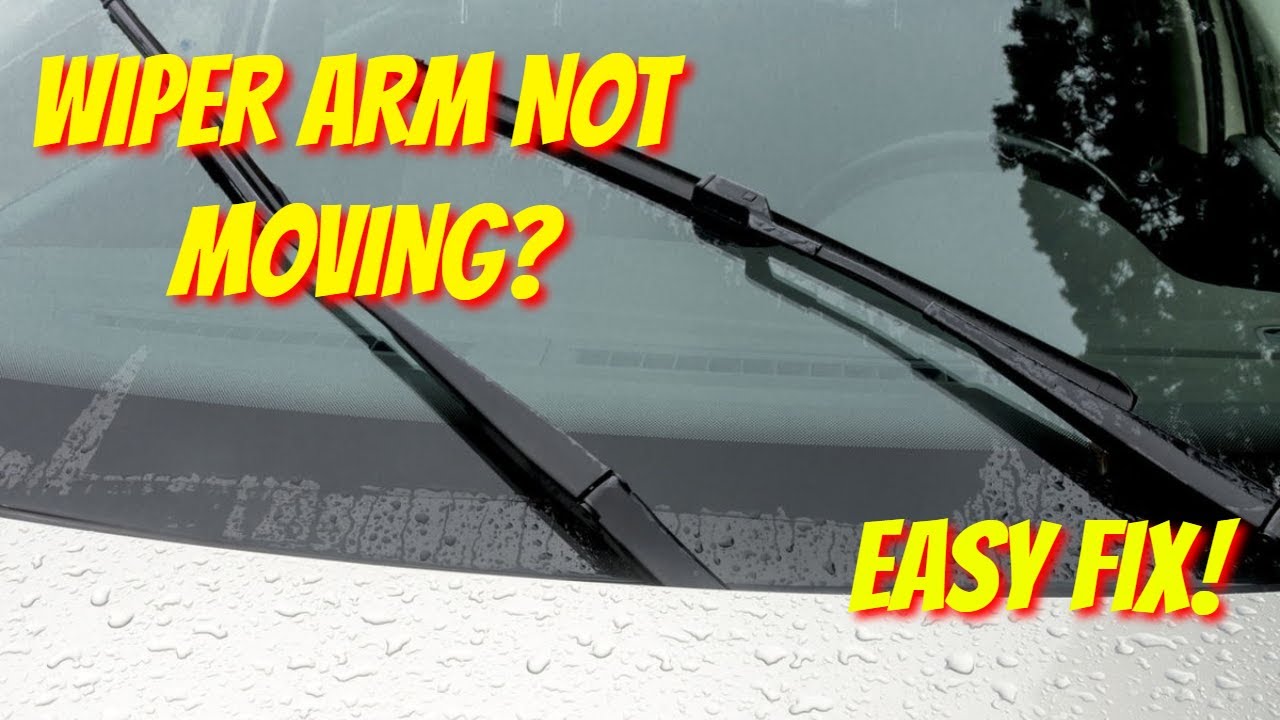
Wiper blades and arms can bend or break. Damaged arms may disconnect from the motor or linkage. This stops the blades from moving even if the motor works. Check the arms and blades for any bends, cracks, or breaks. Replace them if needed.
Electrical Issues
Electric problems can stop the motor from turning the blades. A bad fuse or loose wiring may allow the motor to run without moving blades. Test the electrical connections and fuses. Fix any loose wires or replace blown fuses to restore proper function.
Diagnosing The Problem
Diagnosing why your wiper motor runs but the blades do not move starts with a few simple checks. These steps help find the exact cause fast. Careful inspection and basic tests reveal what needs fixing.
Visual Inspection
Begin by looking at the wiper system closely. Check the blades and arms for any damage or loose parts. Look at the linkage that connects the motor to the blades. Broken or disconnected parts will stop the blades from moving. Dirt and rust can also cause problems. Clean any grime to see if the blades move more freely.
Testing Electrical Connections
Next, check the wiring and connectors. Loose or corroded wires can cause power loss to the motor. Use a tester to ensure power reaches the motor properly. Inspect fuses and switches too. A faulty fuse or switch might let the motor run but stop blade movement. Secure or replace any damaged connections.
Checking Motor Operation
Even if the motor runs, it might not create enough force to move the blades. Listen for unusual noises like grinding or clicking. These sounds can mean internal motor damage. Test the motor under load by connecting it directly to a power source. If it spins smoothly, the motor likely works fine. If not, consider motor repair or replacement.
Assessing Linkage Movement
The linkage transfers motor power to the blades. Check if it moves when the motor runs. Stiff or stuck linkage stops blade movement. Lubricate joints and pivots to improve motion. Bent or broken link arms must be fixed or replaced. Proper linkage ensures the motor’s motion turns into blade movement.
Quick Fixes
When your wiper motor runs but the blades stay still, quick fixes can save your day. These simple steps often restore blade movement fast. No need to wait for a mechanic.
Start with easy checks before diving deeper. Tighten loose parts, replace broken linkages, lubricate joints, or reset the motor. These small actions often fix the problem.
Tightening Loose Components
Loose nuts or bolts can stop wiper blades from moving. Check the connection between the motor and the wiper arms. Use a wrench to tighten any loose parts. Secure connections help blades move smoothly again.
Replacing Wiper Linkage
The linkage connects the motor to the blades. If it breaks or wears out, blades won’t move. Inspect the linkage for damage or rust. Replace it with a new one to restore blade motion quickly.
Lubricating Moving Parts
Dry or rusty joints can block blade movement. Apply a small amount of lubricant to the wiper arms and linkage. This helps parts slide and spin easily. Lubrication reduces noise and wear too.
Resetting The Wiper Motor
Sometimes the motor needs a reset to work properly. Turn off the car and remove the fuse for the wiper motor. Wait a few minutes before putting the fuse back. This can clear minor electrical issues and restart blade movement.
When To Replace Parts
Knowing when to replace parts in your wiper system saves time and prevents damage. It keeps your windshield clear and safe during bad weather. Understanding the signs helps you act before problems get worse. This section guides you on when to replace key components of your wiper system.
Signs Of Motor Failure
The wiper motor may run without moving blades. Strange noises or a burning smell can mean motor failure. If the motor feels hot or stops suddenly, replacement is needed. Slow or jerky blade movement also points to motor issues. Check the motor regularly to avoid sudden breakdowns.
Worn Linkage Symptoms
Worn linkages cause blades to move unevenly or not at all. Loose or disconnected arms can make the motor run without blade motion. Listen for clicking or grinding sounds during operation. Excessive play in the linkage means parts need replacing. Fix worn linkages quickly to restore proper blade movement.
Blade And Arm Replacement Indicators
Blades that streak, chatter, or miss spots need replacement. Bent or broken arms stop blades from moving properly. If blades lift off the glass or skip, change them. Rust or corrosion on arms weakens their function. Regular checks help you spot worn blades and arms early.
Preventive Maintenance Tips
Preventive maintenance helps keep your wiper system working well. Small steps stop big problems. Regular care extends the life of the motor and blades. It saves money and avoids frustration on rainy days.
Regular Inspection
Check your wiper blades and motor often. Look for cracks, rust, or loose parts. Early spotting helps fix issues before they worsen. Test the wipers to see if they move smoothly. Replace worn blades quickly to protect the motor.
Keeping Components Clean
Dirt and debris can block the wiper parts. Clean blades and the windshield regularly. Use a soft cloth and mild cleaner. Avoid harsh chemicals that damage rubber or metal. Clean parts reduce strain on the motor and improve blade movement.
Timely Lubrication
Lubricate moving parts to prevent stiffness. Use a proper grease or lubricant recommended for wiper motors. Apply it to joints and pivots carefully. This keeps the motor running smoothly and stops parts from wearing out fast.
Avoiding Excessive Force
Do not push or pull the wiper blades by hand. Forced movement can damage the motor or linkages. Use controls gently and only when the windshield is wet. Avoid running wipers on a dry windshield to reduce wear and tear.
Frequently Asked Questions
Why Is My Wiper Motor Running But Blades Stuck?
The wiper motor runs but blades may be stuck due to a broken linkage or seized pivot points. Inspect and lubricate the joints or replace damaged parts to restore blade movement.
Can A Faulty Wiper Linkage Cause Blade Immobility?
Yes, a faulty or broken wiper linkage disconnects the motor from the blades. This prevents blade movement even if the motor runs. Repairing or replacing the linkage fixes this issue.
How To Fix Wiper Blades Not Moving Despite Motor Running?
Check the wiper linkage and arm connection for damage or disconnection. Tighten loose parts, lubricate joints, or replace broken components to restore proper blade movement.
Is A Blown Fuse Causing Motor But No Blade Motion?
A blown fuse usually stops the motor completely. If the motor runs but blades don’t move, the fuse is likely fine. Focus on linkage or mechanical parts instead.
Conclusion
A wiper motor running but blades not moving means a problem inside the system. Common causes include broken linkages, worn gears, or a faulty wiper arm. Checking these parts can help find the issue fast. Fixing the problem keeps your windshield clear and safe during rain.
Regular maintenance can prevent this from happening again. Don’t ignore the signs; a working wiper system is important for good driving visibility. Take action early to avoid bigger repairs later.