
Have you ever noticed a knocking sound coming from your diesel engine and wondered what’s causing it? That annoying noise isn’t just a minor inconvenience—it could signal a problem that affects your engine’s performance and lifespan.
Understanding why your diesel engine is knocking can save you from costly repairs and keep your vehicle running smoothly. You’ll discover the common reasons behind diesel engine knocking and what you can do to fix it before it gets worse.
Keep reading to protect your engine and avoid unexpected breakdowns.
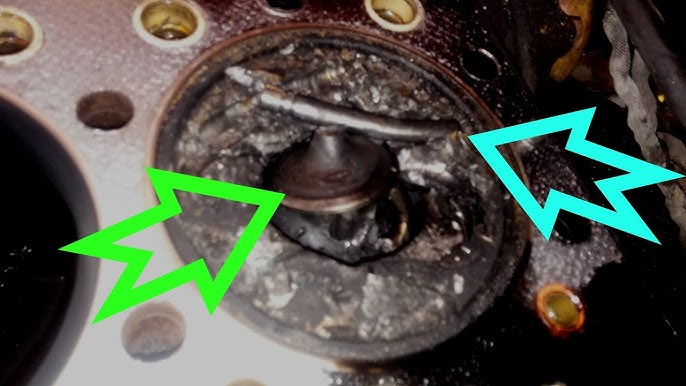
Diesel Engine Knocking Basics
Diesel engine knocking is a common noise many drivers notice. It sounds like a sharp, metallic clatter inside the engine. This noise can be worrying and signals that something may be wrong. Understanding why knocking happens helps in fixing the issue early. It also protects the engine from further damage. Knowing the basics of diesel engine knocking is important for every vehicle owner.
The noise comes from inside the engine’s cylinders during combustion. It happens when fuel burns unevenly or too fast. This causes pressure waves to hit the cylinder walls hard. The result is a knocking or pinging sound. While a small amount of noise is normal, loud knocking is not.
What Causes Knocking Sounds
Knocking sounds occur from several key causes. Poor fuel quality often leads to uneven burning. Using low-grade diesel can cause the engine to knock. Another cause is incorrect fuel injection timing. If the fuel sprays at the wrong moment, it burns improperly. Engine wear and tear also plays a role. Worn piston rings or valves create loose space, making noise. Carbon deposits inside the cylinder raise combustion temperature. This leads to premature ignition and knocking sounds.
How Knocking Affects Engine Performance
Knocking reduces engine power and efficiency. The uneven combustion puts stress on engine parts. This stress can cause damage to pistons and cylinder walls. Fuel burns too quickly, wasting energy and lowering mileage. Over time, constant knocking causes engine overheating. It also increases emissions and pollution. Ignoring knocking can lead to costly repairs or engine failure. Early attention to knocking saves money and keeps the engine healthy.
Common Causes Of Knocking
Diesel engine knocking can be annoying and harmful. It happens when the fuel-air mix inside the cylinder ignites unevenly. This creates a sharp noise and can damage engine parts. Many factors cause this problem. Knowing these can help you fix the issue quickly.
Poor Fuel Quality
Low-quality diesel often contains impurities. These impurities cause uneven combustion. The engine struggles to burn the fuel smoothly. This results in knocking sounds and reduced engine life.
Incorrect Injection Timing
The fuel must enter the cylinder at the right moment. If the timing is too early or late, knocking happens. Injection timing controls when fuel sprays into the combustion chamber. Wrong timing causes fuel to ignite improperly.
Clogged Fuel Injectors
Fuel injectors spray fuel in fine droplets. Dirt and deposits can block these injectors. Clogged injectors cause poor fuel spray patterns. This leads to uneven burning and knocking noises.
Air In Fuel System
Air bubbles in the fuel line disrupt fuel flow. This causes erratic engine performance. The engine misfires and knocks due to uneven fuel supply. Air leaks in the fuel system need quick repair.
Worn Engine Components
Parts like pistons and valves wear out over time. Worn parts cannot maintain proper compression. Poor compression leads to knocking sounds. Regular engine maintenance helps avoid this problem.
Diagnosing Engine Knocking
Diagnosing engine knocking in a diesel engine requires careful attention. Identifying the source of the noise helps prevent serious engine damage. The process involves listening closely, using tools, and checking key engine parts.
Listening For Knock Patterns
Start by listening to the engine while it runs. Knock sounds often follow a pattern. They may increase with acceleration or engine load. Notice if the knocking is steady or irregular. This helps pinpoint the problem area. Clear knock patterns suggest issues with combustion timing or fuel quality.
Using Diagnostic Tools
Use diagnostic tools to get detailed engine information. An engine analyzer can detect misfires and timing errors. Pressure sensors measure cylinder pressure to find abnormal combustion. A vibration sensor identifies unusual engine vibrations. These tools provide data that is hard to detect by ear alone.
Checking Fuel System
Inspect the fuel system carefully. Dirty or clogged fuel injectors cause poor spray patterns. Low-quality fuel leads to incomplete combustion and knocking. Check fuel filters for blockages. Ensure fuel pumps deliver steady pressure. A clean and well-functioning fuel system reduces knocking risk.

Quick Fixes For Knocking
Diesel engine knocking can be annoying and harmful to your vehicle. Quick fixes can help stop the noise and protect your engine. These simple steps often save time and money. Here are some effective ways to reduce or eliminate knocking.
Using High-quality Fuel
Low-quality fuel causes poor combustion and engine knocking. Using high-quality diesel improves fuel burn and engine smoothness. It also reduces deposits inside the engine. Choose fuel with the right cetane rating for your engine.
Adjusting Injection Timing
Incorrect injection timing leads to knocking sounds. Adjusting the timing helps fuel ignite at the right moment. This improves engine performance and reduces noise. A mechanic can check and set the timing properly.
Cleaning Fuel Injectors
Dirty fuel injectors spray fuel unevenly. This causes rough combustion and knocking. Cleaning injectors restores proper spray patterns. Use injector cleaner additives or visit a service center for deep cleaning.
Replacing Worn Parts
Old engine parts may cause knocking noises. Worn-out pistons, rings, or bearings need replacement. Fixing these parts stops knocking and prevents engine damage. Regular maintenance helps spot worn parts early.
Preventing Future Knocks
Preventing diesel engine knocking requires care and attention. Knocking can harm your engine and reduce its life. Taking steps now helps avoid costly repairs later. Simple habits keep your engine running smoothly and quietly.
Regular Maintenance Tips
Change engine oil on time. Use the correct oil type for your diesel engine. Replace air filters regularly to ensure clean air intake. Clean or replace fuel filters to avoid clogging. Regular checks help find small problems early.
Fuel System Care
Use high-quality diesel fuel. Poor fuel quality causes knocking and poor performance. Keep fuel injectors clean. Dirty injectors spray fuel unevenly. Use fuel additives if recommended to keep the system clean.
Monitoring Engine Health
Listen for unusual sounds while driving. Check engine lights should never be ignored. Regularly inspect engine parts for wear or damage. Use diagnostic tools to spot hidden problems early. Early action prevents engine knocking and saves money.

Frequently Asked Questions
What Causes Diesel Engine Knocking Noise?
Diesel engine knocking occurs due to uneven fuel combustion. It happens when fuel ignites prematurely or unevenly, causing pressure spikes. Common causes include poor fuel quality, incorrect injection timing, or carbon deposits in the combustion chamber.
How Does Fuel Quality Affect Diesel Knocking?
Low-quality diesel fuel can cause improper combustion, leading to knocking. Impurities and incorrect cetane rating delay ignition. Using high-quality, clean fuel improves combustion smoothness and reduces knocking in diesel engines.
Can Injector Problems Lead To Diesel Knocking?
Yes, faulty or clogged injectors spray fuel unevenly. This causes irregular combustion and knocking sounds. Regular injector maintenance and cleaning help prevent knocking and improve engine performance.
Does Engine Temperature Influence Diesel Knocking?
Engine temperature affects fuel combustion efficiency. Low temperatures can cause incomplete combustion, increasing knocking risk. Keeping the engine at optimal temperature ensures smooth combustion and reduces knocking.
Conclusion
Diesel engine knocking can signal serious engine issues. It often comes from poor fuel quality or incorrect timing. Fixing knocking early helps avoid costly repairs later. Regular engine checks keep your vehicle running smoothly. Pay attention to unusual sounds and act quickly.
Understanding why knocking happens protects your engine’s life. Keep your diesel engine healthy with proper care. Simple steps can prevent knocking and improve performance. Stay alert and maintain your engine for long-term use.


