Imagine standing in the engine room of the Titanic, surrounded by massive machines that powered the greatest ship of its time. Have you ever wondered what made those engines so special?
The story of Titanic’s engines is more than just metal and steam—it’s a tale of innovation, power, and human ambition. As you dive into this article, you’ll discover how these incredible engines worked, why they mattered, and the role they played in one of history’s most famous voyages.
Ready to uncover the secrets behind the heart of the Titanic? Keep reading, and you won’t look at this legendary ship the same way again.
Titanic’s Engine Room
The engine room of the Titanic was the heart of the ship. It powered the massive vessel and kept everything running smoothly. This space was filled with machines and workers who worked hard day and night. Understanding its layout and parts helps us see the complexity of this great ship.
Layout And Design
The engine room was large and carefully planned. It was located at the rear of the ship below the waterline. The space was divided into sections for different machines. This design helped keep the ship balanced and efficient. Workers had clear paths to move and maintain the engines. Ventilation was key to keep the room cool and safe.
Key Components
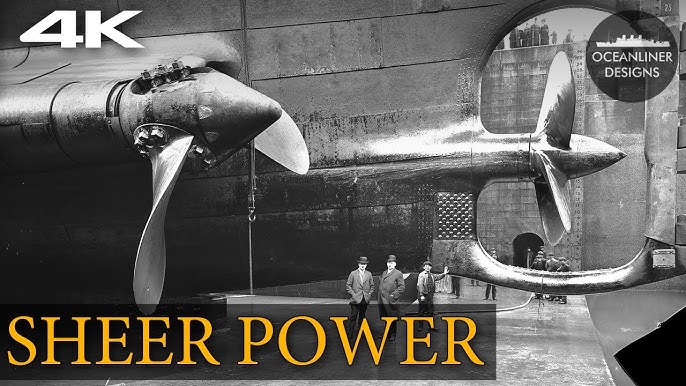
The Titanic had three main engines. Two were large steam engines called triple-expansion engines. They powered the side propellers. The third was a huge steam turbine that drove the center propeller. Boilers created steam to run these engines. Pumps and gauges helped control pressure and temperature. All parts worked together to push the ship forward at great speed.
Engine Types On Titanic
The Titanic had a powerful and complex engine system. It used two main types of engines to move the huge ship through the water. These engines worked together to give the Titanic speed and strength. Understanding these engines helps us appreciate the ship’s design and technology of that time.
Triple-expansion Steam Engines
The Titanic had two large triple-expansion steam engines. These engines used steam in three stages to produce power. Steam first entered the high-pressure cylinder. Then it moved to the intermediate and low-pressure cylinders. This process made the engines very efficient for their size. These engines powered the ship’s two side propellers. They were strong and reliable, used in many ships of that era.
Steam Turbine
The Titanic also had a steam turbine engine. This engine used steam differently than the triple-expansion engines. Steam passed through the turbine blades, making them spin very fast. The turbine powered the ship’s center propeller. It provided extra speed and smoother operation. The turbine was quieter and had fewer moving parts. This engine type was new and advanced for that time.
Engineering Challenges
The engines of the Titanic were marvels of their time. Designing them was not easy. Engineers faced many tough problems. These challenges shaped the ship’s power and reliability. Understanding these obstacles shows the skill behind the Titanic’s engine room.
Power Output Demands
The Titanic needed huge power to cross the Atlantic. Its engines had to be strong and steady. They produced over 46,000 horsepower. This was more than most ships of that era. Making engines this powerful was a big test. The engines had to run smoothly for days. Any failure could slow the ship down. Engineers worked hard to balance power and safety.
Material Limitations
Materials in the early 1900s were not as strong as today. Metals often had flaws and weak spots. Engineers had to choose parts carefully. They used the best steel and iron available. Still, parts could wear out fast under stress. Creating large engine parts without defects was tough. Engineers tested materials to avoid breakdowns. This careful work helped keep the Titanic’s engines running.
Innovations And Technology
The Titanic’s engines were a marvel of early 20th-century engineering. They combined strength and precision to power the largest ship of its time. The technology behind these engines showed many innovations that helped the ship run efficiently and safely.
Engineers worked hard to improve fuel use and safety. These changes made the Titanic’s engines stand out from others. The following sections explain key features of the Titanic’s engine technology.
Fuel Efficiency
The Titanic used steam engines powered by coal. Engineers designed the boilers to burn coal efficiently. This design helped the ship travel long distances without stopping often. The engines converted heat into power with less waste.
Careful control of steam pressure improved fuel use. The ship carried enough coal to cross the Atlantic non-stop. These features showed early efforts to save fuel and reduce costs.
Safety Features
Safety was a priority in the engine design. The ship had multiple engines and boilers to prevent total failure. If one engine stopped, others kept the ship moving. This setup made the ship more reliable.
The engines had safety valves to release excess steam. This prevented explosions from high pressure. Engineers also added pumps to remove water from the engine room. These systems helped protect the ship and crew.
Operation And Maintenance
The operation and maintenance of the Titanic’s engines were critical to its voyage. These massive engines needed constant attention to run smoothly. A skilled team worked around the clock to keep the ship moving. Every day, they followed strict routines to avoid any problems.
Crew Roles
The engine room had many workers with clear roles. Engineers planned and oversaw engine work. Firemen fed coal into the boilers to keep the steam engines running. Trimmers moved coal to the firemen, ensuring no delays. Each person played a key role in the engine’s operation.
Routine Procedures
The crew followed strict daily routines to maintain the engines. They checked pressure gauges and watched for leaks. Boilers were cleaned regularly to prevent damage. The team also lubricated moving parts to reduce wear. Constant monitoring helped avoid engine failures at sea.
Legacy Of Titanic’s Engines
The engines of the Titanic left a strong mark on maritime history. They showed the power and skill of early 20th-century engineering. These engines were not just machines; they were symbols of human ambition and technology. Their story goes beyond the shipwreck. It lives on in how ships were built after Titanic.
Influence On Future Ships
The Titanic’s engines influenced ship design for many years. Engineers learned from their strengths and limits. They pushed for safer and more efficient engines. The design inspired bigger and stronger engines on later ships. Shipbuilders improved steam technology and fuel use. These changes helped ships travel faster and farther. The Titanic engines set a new standard in marine engineering.
Preservation And Study
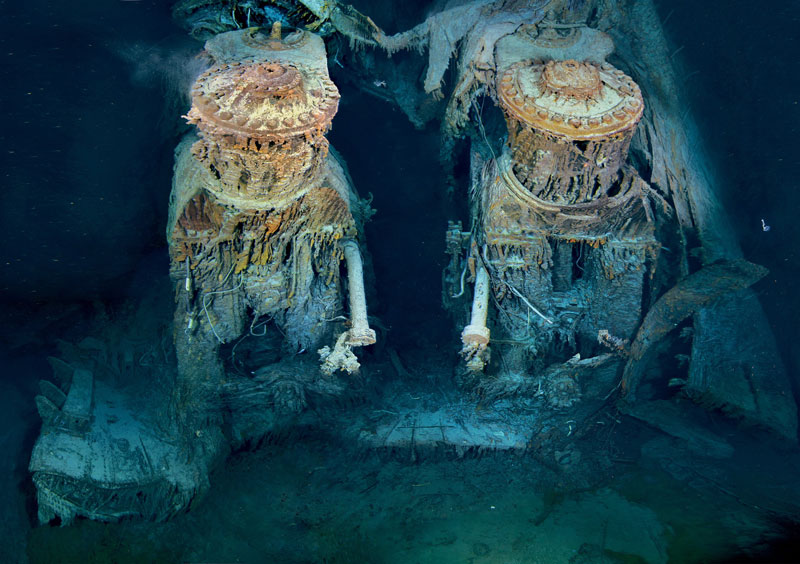
Parts of the Titanic’s engines remain underwater. Scientists and historians study them carefully. These studies help us understand old ship technology. They also reveal how the engines worked under stress. Preservation efforts keep these pieces safe for future generations. The study of these engines teaches important lessons. It connects us to the past and guides future shipbuilding.

Frequently Asked Questions
What Type Of Engines Powered The Titanic?
The Titanic was powered by two triple-expansion steam engines and one low-pressure steam turbine. These engines drove three propellers, combining efficiency and power for the massive ship.
How Much Horsepower Did Titanic’s Engines Produce?
Titanic’s engines generated approximately 46,000 horsepower. This immense power enabled the ship to reach speeds up to 24 knots during its voyage.
What Fuel Did Titanic’s Engines Use?
The engines burned coal to create steam for propulsion. Over 600 tons of coal were consumed daily to keep the engines running efficiently.
Who Designed The Titanic’s Engines?
The Harland and Wolff shipyard in Belfast designed and built Titanic’s engines. Their engineering expertise ensured reliable and powerful performance for the ship.
Conclusion
The Titanic’s engines showed great power and skill. They helped move the giant ship across oceans. Though the ship met tragedy, its engines remain a symbol of engineering. Learning about these engines gives us a glimpse into history. It reminds us how technology shaped travel long ago.
The story of Titanic’s engines still fascinates many today. A mix of strength and design made them unique. Their legacy lives on in books and museums.


