Can A Car Battery Charger Charge A Completely Dead Battery?
When your car refuses to start, and you hear nothing but silence, panic can set in quickly. Many drivers wonder if a car battery charger can revive a completely dead battery, or if it’s time to buy a new one. This is a common situation, but the answer is not always simple. Understanding the limits and abilities of battery chargers can save you time, money, and frustration.
Battery technology has improved, but myths still exist about what chargers can do. Some believe any charger will bring a battery back to life, while others think a dead battery is never coming back. The reality sits somewhere in the middle, and knowing what to expect is essential for every car owner. This article explores how car battery chargers work, what it means for a battery to be “completely dead,” and what methods give you the best chance of bringing your battery back to life. You’ll also learn when it’s time to let go and replace your battery.
What Does “completely Dead” Mean For A Car Battery?
Not all dead batteries are equal. When people say a battery is “completely dead,” they often mean different things. Technically, a battery is considered dead when it cannot start your car or power electrical components. However, there are various levels of “dead”:
- Deep Discharge: The battery voltage drops below what is needed to start the car, usually under 12 volts.
- Sulfation: Lead sulfate crystals build up on the battery plates, making it hard for the battery to accept a charge.
- Zero Voltage: The battery shows almost no voltage (close to 0V) when measured with a multimeter.
- Internal Damage: Plates are damaged or shorted inside, making charging impossible.
A battery that is simply discharged (but healthy) is different from one that has suffered internal damage. Most “dead” batteries are actually just deeply discharged.
How To Test If Your Battery Is Really Dead
Before trying to charge, it’s important to test your battery:
- Visual check: Look for leaks, swelling, or corrosion. Damaged batteries are dangerous to charge.
- Voltage test: Use a multimeter. A healthy battery should read around 12.6V when fully charged.
- Load test: Some auto shops will perform this test for free. It checks if the battery can hold a charge under load.
If your battery shows 0 volts and is several years old, it’s likely beyond recovery.
How Car Battery Chargers Work
Understanding how battery chargers work helps set realistic expectations. Chargers use electrical current to reverse the chemical reaction that happens when your battery discharges.
Main Types Of Car Battery Chargers
There are several types of chargers, each with their own strengths:
| Type | Charging Speed | Best For | Price Range |
|---|---|---|---|
| Trickle Charger | Slow | Long-term maintenance | $20–$50 |
| Manual Charger | Moderate | Basic charging, older batteries | $30–$80 |
| Smart Charger | Variable (auto-adjusts) | Modern cars, safety features | $50–$150 |
| Jump Starter (Booster) | Instant | Quick starts, emergencies | $60–$200 |
Each charger type handles dead batteries differently. For example, smart chargers can sometimes recognize and recover a deeply discharged battery better than basic models.
How Charging Works
When you connect a charger, it sends electrical current into the battery. The battery’s chemistry converts this energy back into stored power. Most chargers have safety features to prevent overcharging, and smart chargers can detect battery health and adjust their output.
However, if the battery voltage is too low (below 7 volts for most chargers), the charger might not “see” the battery and refuse to start charging. This is a key limitation when trying to revive a completely dead battery.
Can You Charge A Completely Dead Battery?
The short answer: Sometimes, but not always. The ability to recharge a dead battery depends on why it’s dead and what tools you have.
Scenarios Where Charging Might Work
1. Deeply Discharged But Undamaged
If your battery just sat too long (like leaving headlights on overnight), a charger can often bring it back. The success rate is higher if the battery is less than 3–4 years old and has no physical damage.
2. Sulfated Batteries
Some smart chargers have a “reconditioning” or “desulfation” mode. This can sometimes break down sulfate crystals and restore some capacity, but results vary.
3. Cold Weather Discharge
Batteries lose power in cold weather. Once warmed up and charged, they often recover.
Scenarios Where Charging Won’t Work
1. Zero Voltage Or Shorted Cells
If your battery reads 0 volts, it’s likely internally damaged. Most chargers will not recognize or charge these batteries.
2. Physical Damage Or Leaks
Never try to charge a battery that is leaking, swollen, or physically broken. This is unsafe and will not succeed.
3. Repeated Deep Discharges
Car batteries are not designed to be fully drained and recharged many times. After several deep discharges, their life is greatly shortened.
Why Some Chargers Can’t Detect A Dead Battery
Many modern chargers require a minimum voltage before they will start. If your battery is below this threshold (often around 7–9 volts), the charger may display an error or do nothing. This is a safety feature to prevent charging damaged batteries, but it can be frustrating if your battery is just deeply discharged.
Non-obvious insight: Some people get around this by temporarily “jump starting” the dead battery with another battery, then immediately connecting the charger. This tricks the charger into recognizing the battery. However, this should be done carefully to avoid accidents.
Steps To Try Charging A Completely Dead Battery
If you want to try reviving a dead battery with a charger, follow these steps:
1. Safety First
Wear gloves and eye protection. Work in a well-ventilated area. If the battery is leaking or swollen, do not proceed.
2. Remove Battery From Vehicle (optional)
For best results and safety, remove the battery from the car. This prevents damage to the car’s electronics if something goes wrong.
3. Clean Battery Terminals
Corroded terminals can prevent charging. Use a wire brush and battery cleaner.
4. Test Voltage
Use a multimeter. If the voltage is above 7 volts, most chargers will attempt to charge.
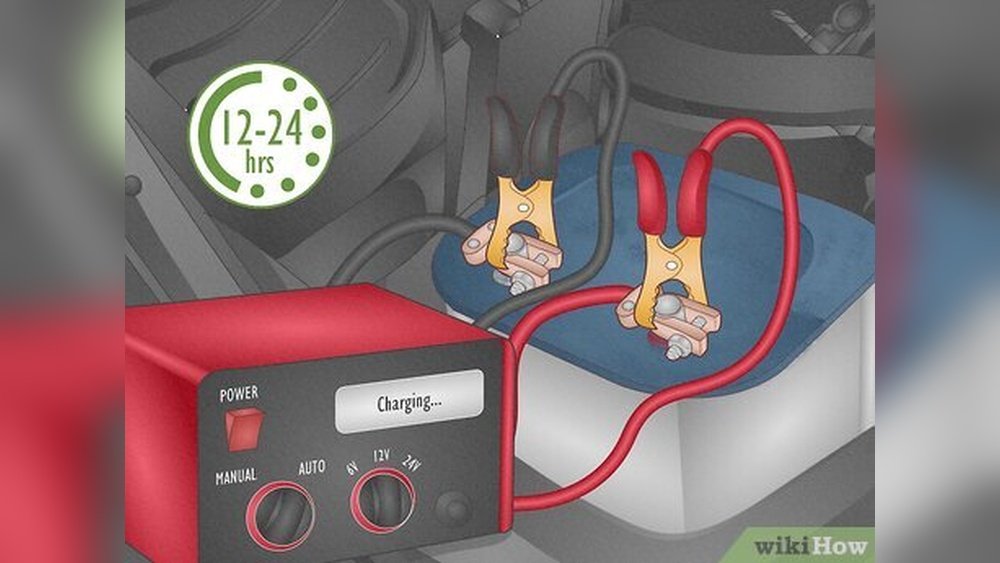
5. Connect Charger
Attach the charger’s positive (red) clamp to the battery’s positive terminal, and negative (black) clamp to the negative terminal.
6. Select Charging Mode
If using a smart charger, choose the “reconditioning” or “repair” mode if available.
7. Monitor Progress
Check the battery every 1–2 hours. If it gets hot or starts to smell, disconnect immediately.
8. After Charging
Once the charger indicates full, test the battery again. If it holds at least 12 volts after resting for an hour, try installing it in your vehicle.
What If The Charger Won’t Start?
If your charger won’t start because the voltage is too low, you can try this trick (at your own risk):
- Connect the dead battery in parallel with a good, fully charged battery using jumper cables.
- Attach the charger to both batteries.
- Once the charger starts, let it run for 10–15 minutes, then disconnect the good battery.
- Continue charging the dead battery alone.
Caution: This should only be done with lead-acid batteries, and never with batteries showing physical damage.

When To Replace Instead Of Charge
Not all batteries can or should be revived. Knowing when to buy a new battery saves time and prevents getting stranded again.
Signs You Need A New Battery
- Age: Most car batteries last 3–5 years. If yours is older, replacement is smart.
- Repeated Failure: If your battery keeps dying, even after charging, it likely has internal problems.
- Physical Damage: Leaks, bulging, or cracks mean the battery is unsafe.
- Won’t Hold a Charge: If voltage drops quickly after charging, the battery has lost capacity.
The Cost Of Repeated Charging
Trying to revive a battery over and over can actually cost more in the long run. You might end up stranded at the worst time. For peace of mind, a new car battery is often the best choice once your old one shows clear signs of failure.
Charging Methods Compared
To help you choose the best way to charge or revive a dead battery, here’s a quick comparison of common methods:
| Method | Success Rate | Best For | Risks |
|---|---|---|---|
| Standard Charger | Moderate | Deeply discharged, undamaged batteries | Overcharging if left too long |
| Smart Charger (with repair mode) | High (if battery not too old) | Sulfated or deeply discharged batteries | Minimal if used correctly |
| Jump Start + Charger | Varies | Very low voltage batteries | Risk of sparks or damage if incorrect |
| Manual Fast Charger | Low | Old-style batteries | High risk of overcharging |
Non-obvious insight: Smart chargers may not always work if the battery is too far gone, but they can sometimes bring back batteries that manual chargers cannot, due to their ability to pulse and desulfate.

Real-world Examples
Sometimes, theory and practice are different. Let’s look at some real-world experiences:
- Leaving Lights On Overnight:
A 2-year-old battery was drained by leaving headlights on. After using a smart charger, the battery recovered fully and lasted another two years.
- Sitting Car for Months:
A car left unused during winter had a battery reading 6 volts. A smart charger failed to start, but after a brief jump from another battery, the charger worked. The battery was weak, though, and died again after a few months.
- Old, Sulfated Battery:
A 5-year-old battery showed 0. 5 volts. Multiple charger attempts failed. Replacement was the only option.
These cases show that age, battery health, and the reason for discharge all matter.
Risks And Safety When Charging Dead Batteries
Charging a completely dead battery is not risk-free. There are dangers to be aware of:
- Explosion Risk: Charging a damaged or frozen battery can cause it to explode.
- Acid Leaks: Damaged batteries can leak sulfuric acid, which is harmful.
- Sparking: Incorrect connections can cause sparks or fires.
- Overheating: Some chargers may cause the battery to overheat if left unattended.
Always follow the charger’s manual and never leave charging batteries unattended for long periods.
How To Prevent A Dead Battery
Prevention is easier (and cheaper) than revival. Here are some simple steps:
- Drive Regularly: Short trips don’t fully recharge batteries. Take your car for a longer drive occasionally.
- Turn Off Electronics: Always check that lights and accessories are off before leaving your car.
- Clean Terminals: Corrosion can block charging and discharging.
- Use a Trickle Charger: If you don’t drive for weeks at a time, a trickle charger keeps your battery healthy.
- Test Annually: Have your battery tested during regular service.
Even new batteries can die if neglected, so basic care is important.
Special Cases: Agm, Gel, And Lithium Batteries
Not all car batteries are the same. Newer cars may use AGM (Absorbent Glass Mat), Gel, or Lithium-ion batteries.
- AGM Batteries: More resistant to deep discharges but need compatible chargers.
- Gel Batteries: Sensitive to overcharging. Use only chargers designed for gel types.
- Lithium-ion Batteries: Used in some hybrids and electric cars. Require special chargers and are often not serviceable at home.
Always check your car’s battery type and use the correct charger. Using the wrong charger can damage the battery or cause safety issues.

Professional Help: When To Call An Expert
Sometimes, the safest and most effective solution is to seek help from a professional:
- Battery Testing: Auto shops have advanced testers to check battery health.
- Safe Charging: Pros have industrial chargers with more features.
- Disposal: Old batteries must be disposed of properly. Many shops recycle them safely.
If you’re unsure about your battery’s condition or your charger’s abilities, don’t risk it—get expert advice.
Environmental Impact Of Dead Batteries
Car batteries contain lead and acid, both harmful to the environment. Never throw a dead battery in the trash. Most auto shops and recycling centers will accept old batteries for safe disposal. Recycled batteries can become new batteries or other products, reducing pollution.
According to the U.S. Environmental Protection Agency, over 95% of car batteries are recycled in the United States. This is one of the highest recycling rates for any product. For more information, visit the EPA’s official page.
Frequently Asked Questions
Can A Car Battery Charger Damage My Battery?
If used incorrectly, yes. Overcharging, using the wrong charger type, or charging a damaged battery can all cause harm. Smart chargers with automatic shutoff are safest. Always match your charger to your battery type.
How Long Does It Take To Charge A Completely Dead Battery?
It depends on the charger and battery size. A slow trickle charger can take 24–48 hours, while a smart charger may take 4–12 hours. If the battery does not show progress after a few hours, it may be unrecoverable.
Is Jump Starting The Same As Charging?
No. Jump starting only gives a temporary boost to start the car. The alternator then tries to recharge the battery. If the battery is very weak, it may not hold the charge and will die again soon.
Can I Use A Charger On A Frozen Battery?
Never charge a frozen battery. The internal water may expand and cause cracks or explosions. Always thaw a frozen battery before attempting to charge.
Do I Need To Disconnect The Battery From The Car Before Charging?
It’s safer to disconnect, especially with older cars. Modern cars can often be charged while the battery is connected, but always check your car’s manual to avoid damaging sensitive electronics.
When it comes to charging a completely dead battery, there’s hope—but only sometimes. Knowing your battery’s age, health, and type, as well as using the right charger, increases your chances. But sometimes, replacement is the only answer. Smart, careful action and regular maintenance will keep you on the road and out of trouble.