A car that won’t start is a frustrating experience. Often, the problem is a dead battery. You might wonder, “Can a car battery charger fix a completely drained battery? ” This question matters to anyone who relies on their vehicle for daily life, especially if you’ve faced a car that suddenly won’t respond.
The answer isn’t always simple. While a car battery charger can often restore power, there are times when it can’t save a completely drained battery. Knowing when and why makes a big difference.
Let’s explore how car batteries work, what “completely drained” really means, the types of chargers available, how charging works, and when a battery is beyond saving. Along the way, you’ll find important tips, real-world examples, practical steps, and some common mistakes to avoid.
By the end, you’ll have a clear answer and know exactly what to do if your car battery leaves you stranded.
Understanding Car Batteries
Car batteries are the heart of a vehicle’s electrical system. They provide the power to start the engine and run electrical components when the engine is off. Most cars use lead-acid batteries, which store energy chemically.
A typical car battery has six cells. Each cell produces about 2.1 volts, so a full battery delivers around 12.6 volts when fully charged. The battery sends a burst of power to the starter motor. Once the engine runs, the alternator takes over, charging the battery and powering the car’s electrical systems.
How A Battery Loses Charge
Batteries lose power over time, especially if you leave the headlights on or don’t drive for days. Heat, cold, and short trips can also drain the battery. Even when parked, your car uses a small amount of power for systems like clocks and alarms.
What Does “completely Drained” Mean?
A “completely drained” battery is one with so little charge it can’t start the car. Technically, this means the voltage drops below 10.5 volts. Sometimes the battery is so dead that the lights, radio, and dashboard won’t turn on at all.
But “completely drained” doesn’t always mean the battery is ruined. Sometimes, it just needs a boost. Other times, the battery is damaged beyond repair. Knowing the difference is key.
How Car Battery Chargers Work
A car battery charger uses household electricity to restore charge to your battery. Most chargers convert AC (alternating current) from your wall outlet into DC (direct current), which the battery can use.
Chargers come in different types, speeds, and price ranges. Let’s break down the main options:
Types Of Car Battery Chargers
- Trickle Chargers
- Deliver a slow, steady charge (usually 1-2 amps).
- Good for maintaining battery health over time.
- Safe to leave connected for days or weeks.
- Manual Chargers
- Let you set the charging speed (2-10 amps or more).
- You must disconnect the charger when finished to avoid overcharging.
- Automatic (Smart) Chargers
- Monitor the battery’s condition and adjust the charge rate.
- Shut off or switch to maintenance mode when charging is complete.
- Safer for modern batteries.
- Jump Starters
- Not really chargers, but portable batteries that can provide a quick burst of power to start the car.
- Some models also function as chargers.
How Charging Works
When you connect a charger, electricity flows into the battery’s cells. The charger pushes electrons back onto the battery’s plates, reversing the chemical process that occurs during discharge. This process takes time, depending on the charger’s speed and the battery’s size.
A fully dead battery takes longer to charge. For example, a typical 48 amp-hour battery would need 24 hours to charge from zero at a 2-amp rate. Faster chargers can do it in less time, but charging too quickly can damage the battery.
Can A Charger Fix A Completely Drained Battery?
The short answer is: sometimes. Not all completely drained batteries can be revived with a charger. Here’s why:
When Charging Works
If the battery is just “empty” (low on charge) but undamaged, a charger can often bring it back to life. For example, if you left your headlights on overnight, the battery may be drained but still healthy. In this case, a charger will usually restore it.
When Charging Fails
If the battery is old, damaged, or has been deeply discharged many times, charging may not help. Lead-acid batteries suffer when their voltage drops below 10 volts for long periods. The lead plates inside can become sulfated—covered in hard crystals that block charging.
In severe cases, the battery may not accept a charge at all, or it may charge up but quickly lose power again. If the battery case is swollen, leaking, or smells of rotten eggs (sulfur), it’s unsafe and must be replaced.
Key Factors That Affect Success
- Age: Batteries last about 3–5 years. Older batteries recover less often.
- Depth of Discharge: The deeper and more often a battery is drained, the less likely it will recover.
- Type of Charger: Smart chargers are better at reviving deeply discharged batteries.
- Time Left Dead: The longer a battery stays empty, the more damage occurs.
Step-by-step: Charging A Completely Drained Battery
If you want to try charging a dead battery, here’s a safe and effective process:
- Inspect the Battery
- Look for cracks, leaks, or bulges. If you see any, do not attempt to charge—it’s dangerous.
- Smell for a strong sulfur or rotten egg odor. This means internal damage.
- Clean the Battery Terminals
- Corrosion can block the flow of electricity.
- Use a wire brush and a mixture of baking soda and water to clean the posts.
- Check the Charger Type
- If possible, use a smart charger with a “desulfation” or “recovery” mode.
- Manual chargers can work but require careful monitoring.
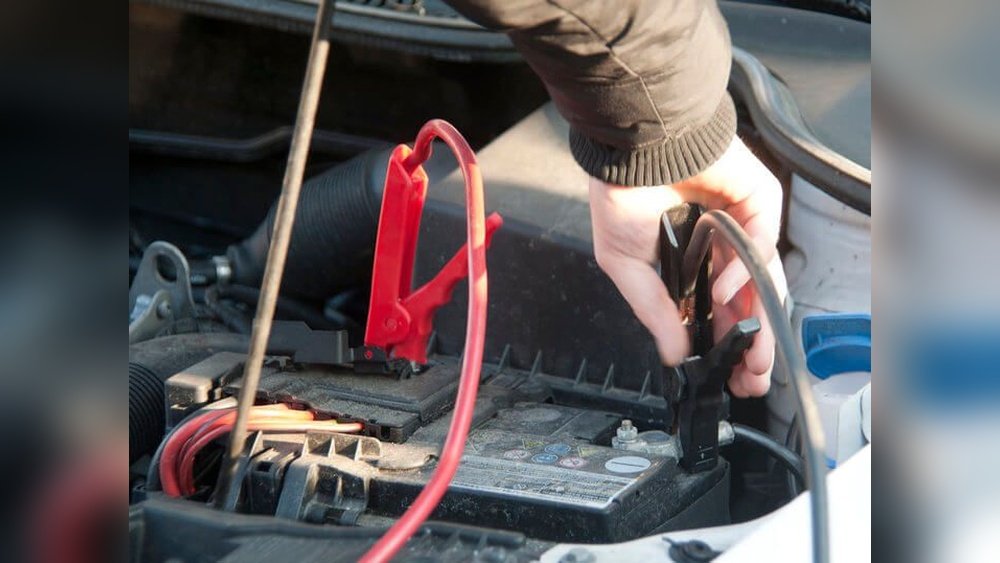
- Connect the Charger
- Attach the positive (red) clamp to the positive battery terminal.
- Attach the negative (black) clamp to the negative terminal or a metal part of the car’s frame.
- Make sure connections are tight.
- Set Charging Rate
- For a completely drained battery, start with a low amp setting (2-6 amps).
- Slow charging is safer and more effective for dead batteries.
- Wait and Monitor
- Charging can take several hours to a full day.
- Smart chargers will stop when done; manual chargers must be disconnected promptly.
- Test the Battery
- After charging, test the battery with a voltmeter. A healthy battery should show 12.6 volts or more.
- Try starting the car. If it starts and runs, let it idle for 20-30 minutes to help the alternator top up the battery.
- Check for Underlying Problems
- If the battery drains again soon, there may be a deeper issue—like a failing alternator or a “parasitic drain” (something in the car drawing power when it shouldn’t).

Real-world Example: Charger Success Vs. Failure
To make this clearer, here’s a simple comparison of two situations:
| Situation | Charger Used | Outcome | Notes |
|---|---|---|---|
| Headlights left on overnight | Automatic smart charger | Battery fully revived | Battery was only discharged, not damaged |
| Old battery unused for 4 months | Manual charger | Battery would not hold charge | Battery sulfated, needed replacement |
This shows that the cause of the drain and the battery’s age matter just as much as the charger.
Deep Discharge And Battery Damage
One thing many drivers don’t realize is that lead-acid batteries are not meant to be deeply discharged. Each time the voltage drops too low, the battery suffers a little bit of permanent damage. This process is called sulfation.
What Is Sulfation?
When a battery sits empty, lead sulfate crystals build up on the plates inside. Over time, these crystals get hard and block the battery from accepting or holding a charge. Sulfation is the most common reason dead batteries cannot be revived.
Can Sulfation Be Reversed?
Some smart chargers have a “desulfation” mode. This setting sends short high-voltage pulses into the battery to try to break up the crystals. Sometimes, this works—especially if the battery hasn’t been dead for long.
But if the battery has been empty for weeks or months, desulfation rarely works. In these cases, replacement is the only real solution.
Comparing Chargers: Which One Works Best?
Not all chargers are equal when it comes to reviving dead batteries. Here’s a look at how different types perform:
| Charger Type | Pros | Cons | Best For |
|---|---|---|---|
| Trickle Charger | Safe for long-term use; prevents discharge | Too slow for quick recovery | Maintaining battery health |
| Manual Charger | Fast charging options; simple design | Risk of overcharging; needs monitoring | Experienced users |
| Automatic/Smart Charger | Prevents overcharging; has recovery modes | Usually more expensive | Reviving deeply discharged batteries |
| Jump Starter | Instant power to start car | Does not recharge battery; only a temporary fix | Emergency starting |
For most people, a smart charger is the best choice for bringing back a dead battery—if the battery is still healthy enough to recover.
Common Mistakes When Charging Dead Batteries
Many people make the same errors when trying to fix a dead battery. Avoid these pitfalls to stay safe and protect your car:
- Charging a Damaged Battery
- Never try to charge a battery that is cracked, swollen, or leaking acid. This is dangerous and can cause explosions.
- Using Too High of a Charge Rate
- Charging at high amps may seem faster, but it can overheat and warp the battery’s plates, leading to permanent damage.
- Ignoring Battery Age
- Trying to revive a 6-year-old battery is rarely successful. Sometimes, replacement is the smarter choice.
- Not Cleaning Terminals
- Dirty or corroded terminals can block the flow of electricity, making charging ineffective.
- Not Checking the Alternator
- If the battery dies again soon, the problem may be with your car’s charging system, not the battery itself.
- Using the Wrong Charger
- Some new batteries need special chargers. For example, AGM and gel batteries require smart chargers with the correct settings.

Signs Your Battery Cannot Be Saved
How do you know when to stop trying and just buy a new battery? Here are clear warning signs:
- The battery will not take a charge (voltage stays low after hours of charging).
- The battery loses power quickly after charging.
- Visible physical damage (cracks, bulges, or leaks).
- Strong rotten egg smell.
- Battery is more than 4–5 years old.
- Multiple failed attempts to jump-start or charge.
If you notice any of these, stop charging and plan for a replacement.
How Long Does It Take To Charge A Completely Drained Battery?
The time required depends on several factors:
- Charger speed (amps)
- Battery size (amp-hours)
- Temperature
Here’s a rough guideline:
| Charger Rate (Amps) | Typical Charging Time (for 48Ah Battery) |
|---|---|
| 2 Amps (slow/trickle) | 24–28 hours |
| 6 Amps (medium) | 8–10 hours |
| 10 Amps (fast) | 4–6 hours |
| 20 Amps (very fast) | 2–3 hours |
Slow charging is best for dead batteries, even if it takes longer. Fast charging can cause overheating and reduce battery life.
Two Non-obvious Insights
1. Modern Cars Need More Power
Many modern vehicles have advanced electronics that draw more power—even when the car is off. Features like smart keys, alarms, and infotainment systems can drain a battery faster than older cars. If you drive infrequently, consider a trickle charger to keep the battery healthy.
2. Partial Charge Is Not Enough
After using a charger, many people disconnect as soon as the engine starts. But a battery needs a full charge to stay healthy. Running the engine for only a few minutes may not restore enough power. Always let the charger finish, or drive for at least 30 minutes to help the alternator recharge the battery.
What To Do If Charging Fails
If your charger cannot revive the battery, it’s time to shop for a new one. When buying, match the battery’s size, type (flooded, AGM, gel), and cold-cranking amps (CCA) to your vehicle’s requirements.
Recycle your old battery properly. Most auto parts stores will accept used batteries for safe disposal.
For more information on car batteries and charging, you can visit the Wikipedia Automotive Battery page.
Preventing A Dead Battery In The Future
A few simple habits can help avoid a drained battery:
- Turn off all lights and electronics before leaving the car.
- Drive regularly to keep the battery charged.
- Clean the battery terminals every few months.
- Check the battery’s age—replace it before it fails.
- Use a trickle charger if you don’t drive often or store the car for long periods.
Frequently Asked Questions
Why Does My Car Battery Keep Dying Even After Charging?
If your battery keeps dying, there may be a parasitic drain—something in your car is using power when it shouldn’t. Common causes include a faulty alternator, dome light left on, or a bad relay. Testing for electrical drains or having a mechanic check your charging system can help find the problem.
How Do I Know If My Charger Is Working?
Most chargers have an indicator light or display. When connected, the light should turn on or the display should show charging progress. If nothing happens, check your connections, outlet, and charger fuse.
Can I Charge A Battery Without Disconnecting It From The Car?
Yes, you can charge a battery while it’s still in the car. Make sure the car is turned off, and connect the charger according to the instructions. Smart chargers are safest for this. Never charge a frozen or damaged battery.
Is Jump Starting The Same As Charging?
No, jump starting gives a quick boost of power from another battery or a jump starter—enough to start the engine. It does not fully charge the battery. After jump starting, you should drive for at least 30 minutes or use a charger to restore the battery’s full power.
Can A Battery Be Too Dead To Charge?
Yes, if a battery is deeply discharged for a long time or damaged by sulfation, it may not accept a charge—even with a smart charger. In these cases, replacement is the only solution.
A car battery charger is a valuable tool, but it can’t fix every completely drained battery. By understanding how batteries work, using the right charger, and recognizing when a battery is beyond saving, you’ll be ready for the next time your car won’t start.
Take care of your battery, and it will take care of you—keeping you on the road, not stuck in the driveway.