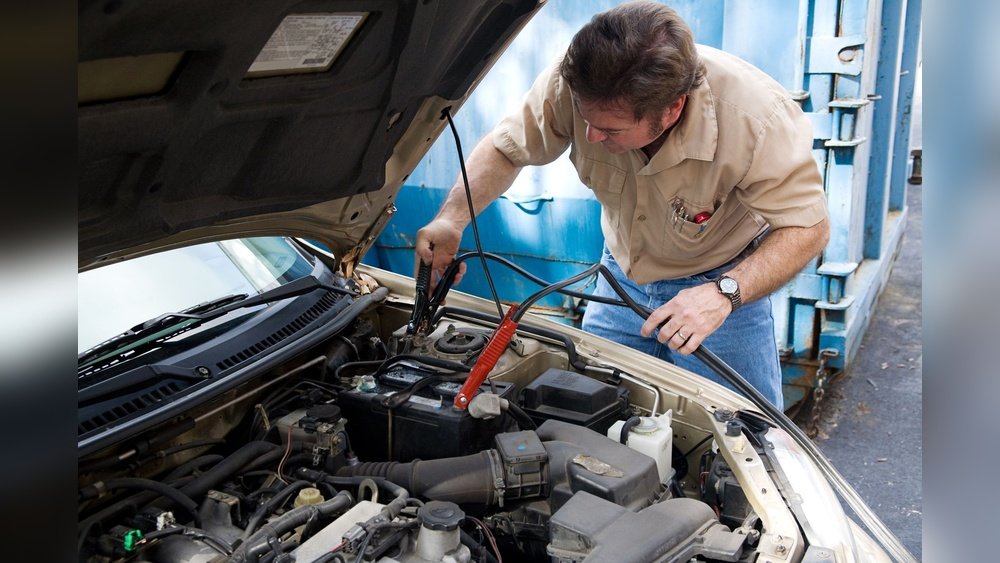
Many car owners wonder, “Can a car battery die if the car is not used? ” It seems logical to think that if your car is simply parked in your garage, the battery should stay healthy, waiting for you to turn the key.
Unfortunately, this is not always the case. In reality, car batteries can and do die from lack of use—a problem that surprises both new and experienced drivers. Understanding why this happens, how quickly it can occur, and what you can do to prevent it is key to avoiding unexpected breakdowns.
This article will take you deep into the reasons behind battery drain in unused cars, the science of battery aging, warning signs, and solutions you can apply. Whether your car sits for a week, a month, or even longer, you’ll learn how to protect your battery and keep your vehicle ready for the road.
Why Car Batteries Discharge When Not In Use
Many people believe that if a car is not running, the battery is not being used at all. This is a common misunderstanding. The reality is that even when your car is turned off, the battery is still working in the background.
Parasitic Drain: The Silent Battery Killer
Most modern cars have computers, alarms, clocks, and other electronics that never fully turn off. These systems use a small but steady amount of power, called parasitic drain. Over days or weeks, this can add up and slowly drain your battery.
For example, a typical car may draw between 20-50 milliamps when parked. Over a month, this can completely drain a healthy battery. Older cars with fewer electronics may drain slower, but the effect is still there.
Self-discharge: Batteries Lose Power Naturally
All batteries, including car batteries, lose charge over time, even if nothing is connected. This process is known as self-discharge. For lead-acid batteries (the most common type in cars), the self-discharge rate can be about 3-5% per month at room temperature. In hot weather, this rate increases.
A battery that’s already a bit weak or old will lose charge faster. Combine self-discharge with parasitic drain, and it’s clear why a parked car can become a problem.
Environmental Factors: Temperature Makes A Difference
Extreme temperatures, especially heat, speed up battery discharge. High heat can cause the battery’s chemicals to break down faster, while extreme cold can reduce the battery’s ability to deliver power. Leaving your car in a hot garage or out in the winter can both lead to a dead battery, even if you haven’t driven for a while.
How Long Can A Car Sit Before The Battery Dies?
There is no one-size-fits-all answer, but you can get a good idea by looking at average situations.
| Time Parked | Battery Condition | Chance of Dead Battery |
|---|---|---|
| 1-2 days | New/Healthy | Very low |
| 1 week | New/Healthy | Low |
| 2 weeks | New/Healthy | Possible |
| 1 month | New/Healthy | High |
| 1 week | Old/Weak | High |
| 1 month | Old/Weak | Almost certain |
As you can see, even a healthy battery may die after a month of no use. If your battery is old or was already weak, it may only last a week or two.
Real-world Example
Many people who return from long vacations find their cars won’t start. This is especially common in winter or summer, when temperatures are extreme. Rental cars, airport parking, and vehicles left at vacation homes often suffer dead batteries after a few weeks.
What Happens To A Battery That Sits Too Long?
When a car battery is left unused, several things can happen:
- Sulfation: Lead-acid batteries develop lead sulfate crystals if left partially or fully discharged for long periods. This is called sulfation. It damages the battery and reduces its ability to hold a charge.
- Acid Stratification: The battery acid can separate into layers, making the battery less effective.
- Permanent Capacity Loss: Some of the damage from sitting too long cannot be reversed, even with charging.
- Complete Failure: Eventually, the battery cannot be charged or used at all.
These problems are more likely if you leave your car unused for several months, but even a few weeks can start the process.
The Science Of Battery Aging
Car batteries are not designed to last forever. Even if you take perfect care of them, they will eventually wear out.
Average Battery Life
A typical lead-acid car battery lasts 3-5 years. Factors like heat, vibration, and deep discharges shorten this life. If your battery is more than three years old, it is already past the halfway point for most batteries.
Deep Discharge: Why It’s So Bad
Every time a battery is drained to zero (or close to it), it suffers deep discharge damage. One or two deep discharges can reduce a battery’s lifespan by 30% or more. Repeated deep discharges often mean the battery will die months or even years sooner than expected.
Maintenance-free? Not Really
Modern batteries are often labeled as maintenance-free, but this only means you don’t need to add water. They still require regular charging and should not be left unused for long periods.
Common Situations Where Batteries Die
It helps to see where this problem happens in real life:
- Seasonal Cars: Convertibles, sports cars, or RVs stored for winter often have dead batteries in spring.
- Airport Parking: Travelers who leave their cars parked for weeks often return to find the battery dead.
- Work-from-Home or Remote Workers: People who drive less (especially during the pandemic) often find their battery dies unexpectedly.
- Spare Cars: Backup vehicles, family cars, or inherited vehicles that are rarely used are common victims.
- Classic Cars: Older cars may have less efficient charging systems, making the problem worse.
Signs Your Battery Is Dying
A dead battery is not always a surprise. Here are warning signs:
- Slow cranking: The engine is slow to start.
- Dim headlights: Lights are weaker than normal.
- Warning lights: Battery or check engine light appears.
- Clicking sound: Only a clicking noise when you turn the key.
- Electrical problems: Power windows, radio, or locks work poorly.
If your car sits unused and you see these signs, your battery may be close to failure.

How To Prevent Battery Death When A Car Is Not Used
You can take practical steps to keep your battery healthy, even if you don’t drive often.
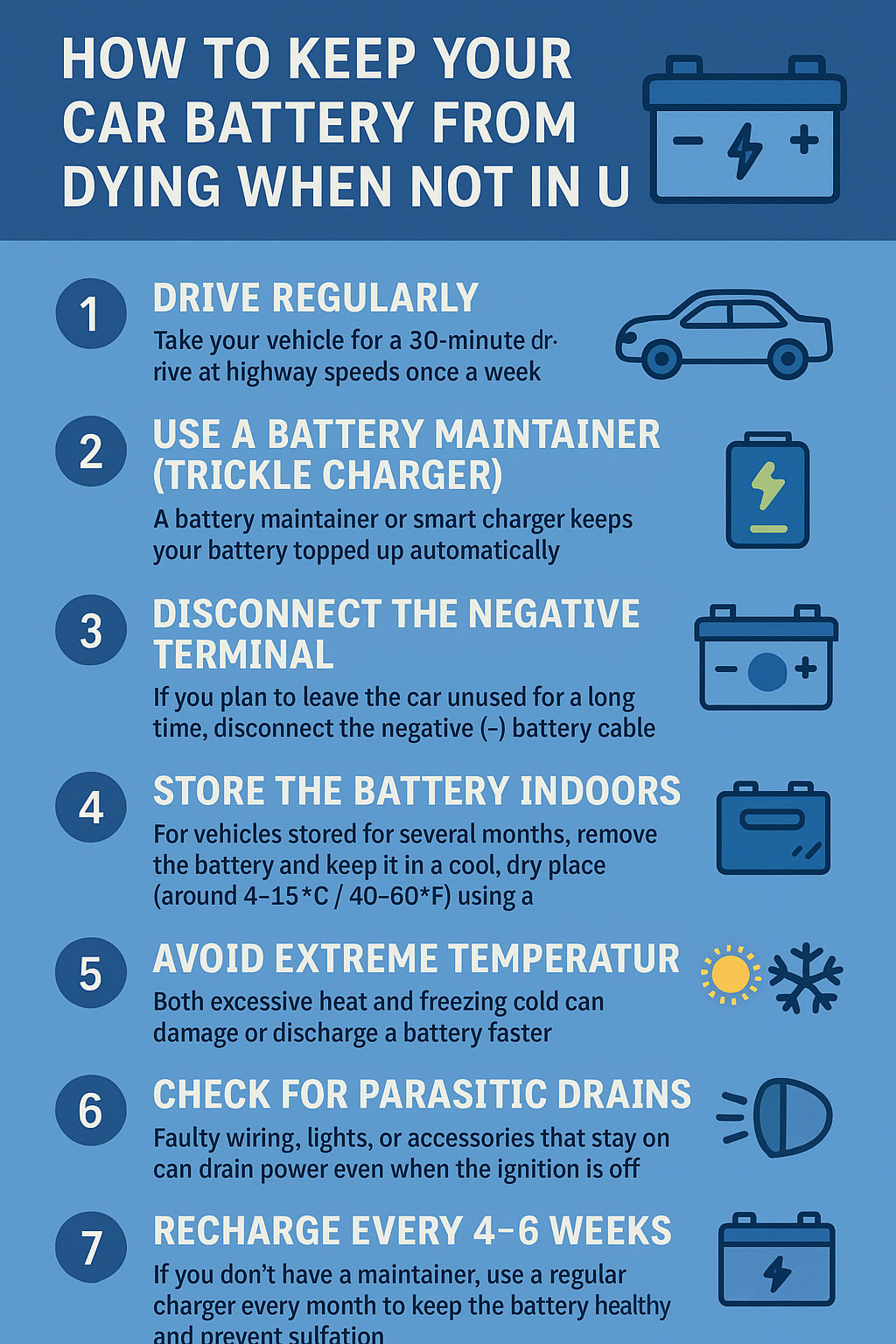
1. Drive Regularly
Try to drive your car at least once every 7-10 days. Even a 20-30 minute drive helps recharge the battery and keeps the engine and electronics in good shape.
2. Use A Trickle Charger Or Battery Maintainer
A trickle charger or battery maintainer delivers a small, steady charge to your battery. These devices are designed to keep the battery full without overcharging. They are ideal for cars that will sit for weeks or months.
3. Disconnect The Battery
If you plan to leave your car unused for a long time, disconnecting the negative battery cable can reduce power drain. Be aware that this may reset your car’s clock, radio, and computer settings.
4. Store In The Right Environment
Keep your car in a cool, dry place if possible. Avoid parking in direct sunlight or extreme cold. Temperature extremes make battery drain worse.
5. Check Battery Health Regularly
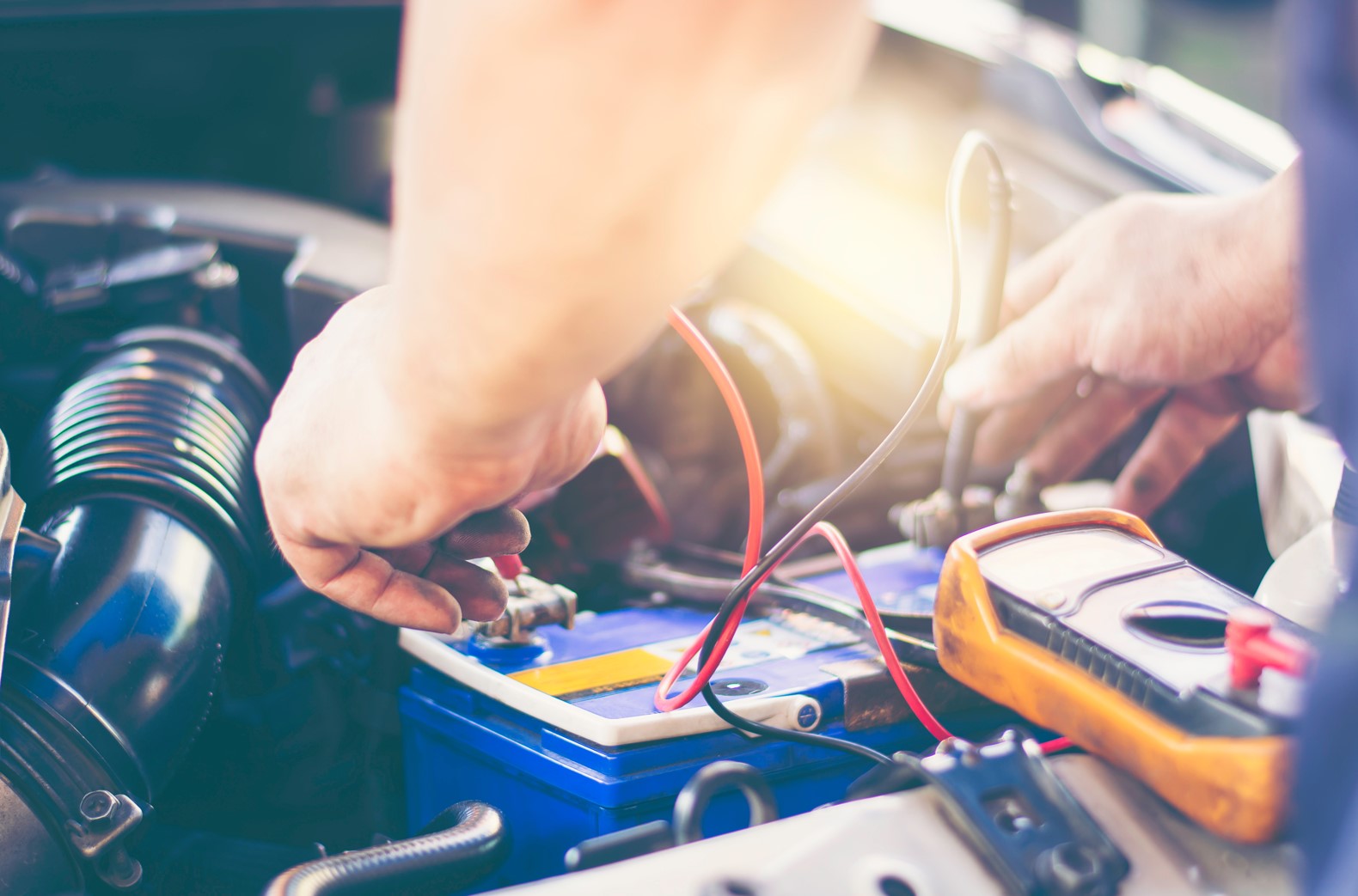
Test your battery’s voltage with a simple multimeter. A fully charged battery should show around 12.6 volts. If it drops below 12.4 volts, it’s time to recharge.
6. Clean Battery Terminals
Dirty or corroded battery terminals can make charging less effective. Check for white or green powder and clean with a battery terminal cleaner or a mix of baking soda and water.
7. Turn Off All Accessories
Before parking, make sure all lights, dashcams, chargers, and other electronics are off. Even a small dome light can drain the battery overnight.
8. Avoid Short Trips
Short drives (under 10 minutes) may not recharge the battery fully. Try to combine errands or take a longer route once in a while.
9. Use Smart Tech
Some modern cars have battery management systems that reduce power drain when the car is off. Check your owner’s manual for features that can help.
10. Replace Old Batteries
If your battery is more than three years old and your car sits often, consider replacing it before it fails. Preventive replacement can save you from being stranded.
Comparing Battery Types For Long-term Storage
Different battery types behave differently when left unused. Here’s a summary:
| Battery Type | Self-Discharge Rate | Best Use Case | Long-Term Storage Life |
|---|---|---|---|
| Lead-acid (flooded) | High (3-5%/month) | Most vehicles | 1-2 months |
| AGM (Absorbent Glass Mat) | Medium (2-3%/month) | Luxury/modern cars | 2-3 months |
| Lithium-ion (rare in cars) | Low (1-2%/month) | High-performance, EVs | 6+ months |
AGM and lithium batteries handle long storage better, but they are also more expensive. For most cars, lead-acid is standard.
What To Do If Your Battery Dies From Inactivity
If you return to your car and the battery is dead, don’t panic. Here’s what you can do:
- Jump Start: Use jumper cables and another car, or a portable jump starter. Be sure to follow safety instructions.
- Slow Charge: Recharge the battery slowly with a battery charger. Fast charging can cause more damage.
- Check for Damage: If the battery is swollen, leaking, or smells like rotten eggs, it must be replaced.
- Test the Battery: After charging, have the battery tested at an auto parts store. If it fails, replace it.
- Address the Cause: Look for any accessories left on or electrical problems that may have caused the drain.
When To Replace The Battery
If your battery has died more than once from inactivity, it may never recover fully. Repeated deep discharges permanently reduce battery life. It’s better to replace the battery before you are left stranded in a dangerous or inconvenient place.
Two Insights Most Beginners Miss
Many new car owners make simple mistakes that lead to battery problems. Here are two key insights:
1. “Driving once a week for five minutes is enough” — It’s not. Short trips barely recharge the battery, especially if you use lights, radio, or air conditioning. Longer drives (20-30 minutes) are far more effective.
2. “A new battery can’t die from sitting” — It can. Even new batteries will lose charge if left unused. Modern cars have so many electronics that they drain power faster than older models.
The Cost Of Replacing A Dead Battery
Getting stranded with a dead battery can be expensive. A standard car battery costs $80–$200 depending on the brand and type. If you need roadside assistance, towing, or miss work, the true cost is much higher. Regular maintenance and awareness can save a lot of money and frustration.
The Environmental Impact Of Dead Batteries
Dead batteries must be recycled properly. Lead and acid are hazardous to the environment. Every unnecessary battery replacement adds waste and pollution. By keeping your battery healthy, you reduce your environmental footprint.
How To Store A Car Long-term Without Killing The Battery
If you know your car will be unused for months, follow these steps:
- Fully charge the battery before storage.
- Disconnect the negative cable to reduce drain.
- Use a battery maintainer if possible.
- Check the battery every 2 months and recharge if needed.
- Keep the car in a cool, dry garage to slow self-discharge.
These steps can keep your battery alive for 6 months or more.
Expert Tips For Battery Longevity
- Avoid deep discharges whenever possible.
- Keep the battery clean and dry.
- Use a battery blanket or heater in very cold climates.
- Replace the battery before it fails completely.
- Check charging system health; sometimes alternator problems look like battery problems.
Quick Reference: Battery Maintenance Do’s And Don’ts
| Do | Don’t |
|---|---|
| Drive regularly | Let car sit for months |
| Use a maintainer | Leave accessories plugged in |
| Check voltage often | Ignore warning signs |
| Replace old batteries | Wait for total failure |
Frequently Asked Questions
Why Does My Car Battery Die Even When The Car Is Off?
Even when your car is off, systems like the clock, computer, and alarm use a small amount of power. This parasitic drain slowly uses up the battery, especially if the car sits for weeks.
How Long Can A Car Battery Last Without Being Charged?
A healthy, new battery in a modern car usually lasts 2-4 weeks before draining too low to start the engine. Older or weak batteries may last only a few days to a week.
Can I Use A Solar Charger To Keep My Battery Alive?
Yes, a solar battery maintainer can help keep your battery charged if parked outdoors. These devices convert sunlight into a small trickle charge, which offsets parasitic drain.
Is Disconnecting The Battery Safe For All Cars?
Disconnecting the negative cable is safe for most cars, but some newer models may lose computer settings or need to “relearn” after reconnection. Check your owner’s manual or ask your dealer before disconnecting.
Where Can I Learn More About Battery Maintenance?
For more in-depth information, visit the Automotive Battery Wikipedia page for technical details, maintenance tips, and the latest research.
A car battery can absolutely die if the car is not used, but with a few simple habits and some basic understanding, you can avoid the inconvenience and cost of a dead battery. Stay aware, check your battery health, and enjoy worry-free driving—even after your car has been parked for a while.