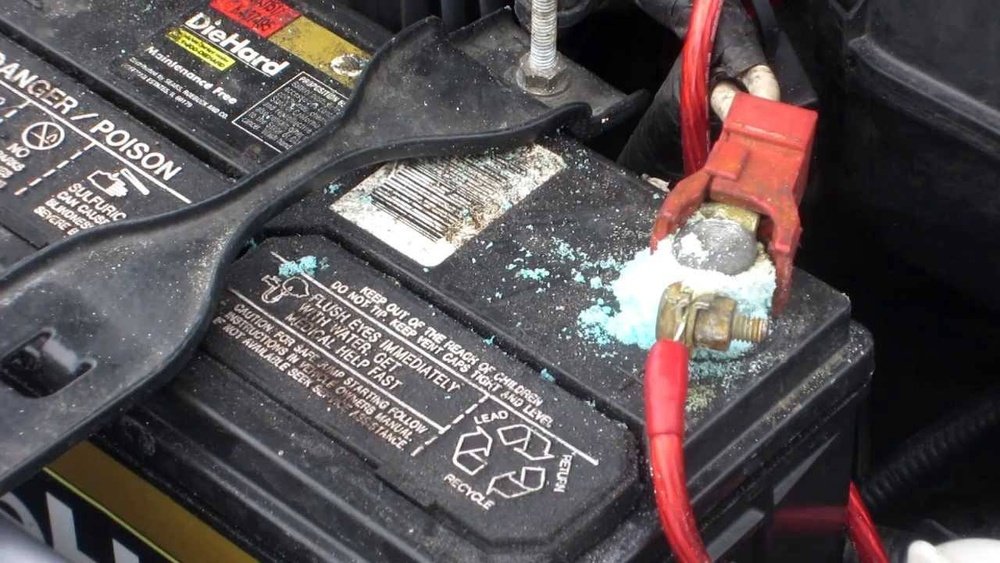
Many people think that car batteries only fail when they get old or lose charge. But there is another silent enemy: corrosion. If you have ever opened your car’s hood and noticed white, blue, or greenish powder on your battery terminals, you’ve seen corrosion in action. It might look harmless, but corrosion can create serious problems for your car battery and even the entire electrical system. Ignoring it can leave you stranded at the worst possible time.
Let’s explore how corrosion forms, what damage it can do, and what you can do to prevent it. Whether you’re a new driver or someone who has driven for years, understanding corrosion damage could save you money, time, and frustration.
What Is Car Battery Corrosion?
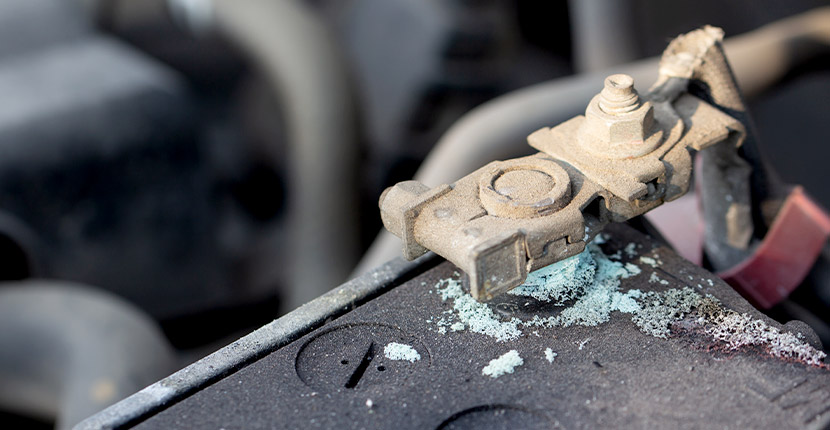
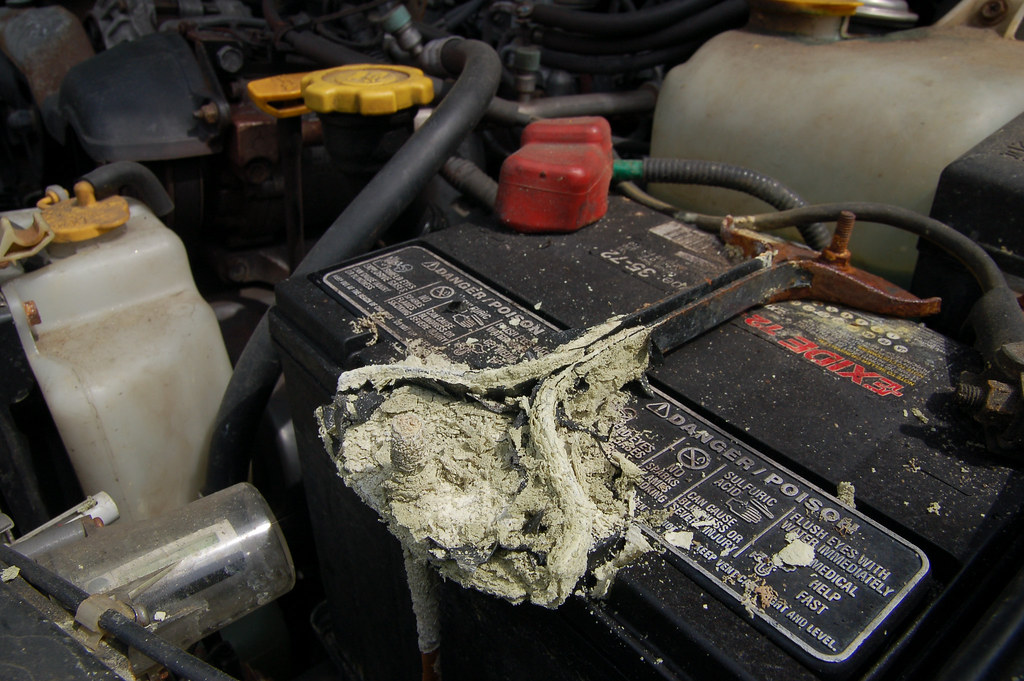
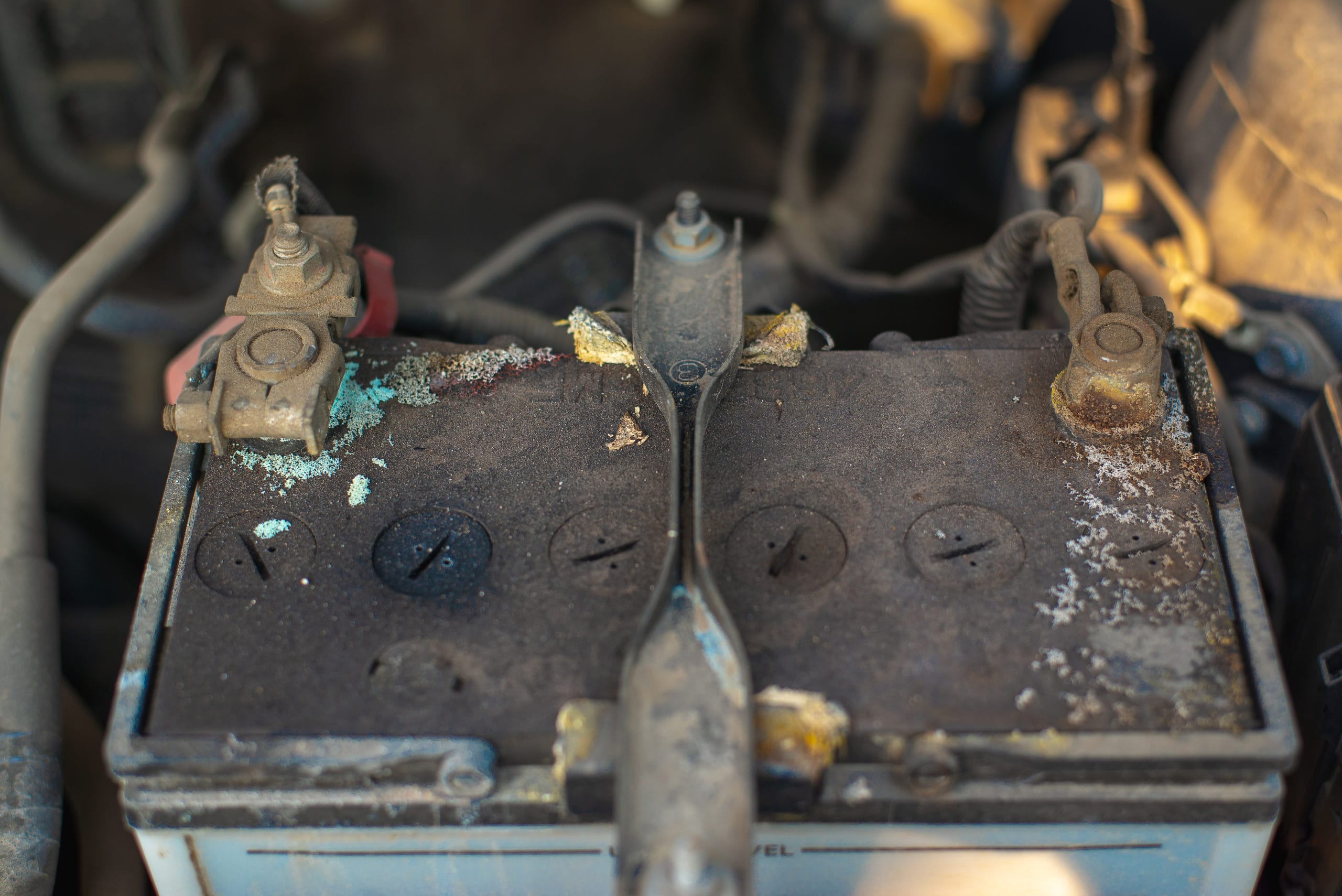
Corrosion is a chemical reaction that happens on the metal parts of your car battery, especially the terminals and cable connectors. Most often, you’ll see a fuzzy or powdery buildup. This can be white, blue, or green, depending on the battery type and age.
The main cause is the release of hydrogen gas during normal battery operation. This gas reacts with other elements, especially moisture and chemicals in the air. The result is the formation of various types of corrosion products, usually lead sulfate or copper sulfate.
Types Of Corrosion You Might See
- White powder: Usually lead sulfate, common with lead-acid batteries.
- Blue or green crust: Often copper sulfate, more common if the connectors are copper.
- Rusty or brown stains: Can happen if iron parts are exposed.
Not all corrosion looks the same, and the color can give you clues about the materials involved.
How Does Corrosion Form On Car Batteries?
Corrosion forms slowly, but it’s not random. It happens due to a mix of electricity, chemicals, and moisture. Here’s how the process usually works:
- Hydrogen gas escapes as the battery charges and discharges.
- This gas reacts with lead, copper, and acid fumes.
- Moisture in the air speeds up the reaction.
- Over time, powdery or crusty deposits build up on the terminals.
Sometimes, a small crack in the battery case or a loose cap can let more fumes escape, making corrosion worse. Hot weather also speeds up the process.
Why Some Cars Get More Corrosion
- Short drives: Batteries don’t fully recharge, leading to acid buildup.
- Old batteries: Older batteries leak more gas and acid.
- High humidity: Moist air increases reaction speed.
- Poor connections: Loose or dirty terminals heat up and corrode faster.
These are not the only reasons, but they show why corrosion is a common problem, even for newer cars.
The Impact Of Corrosion On Car Batteries
You might think a little corrosion is only a cosmetic issue. But the reality is much more serious. Corrosion can cause several kinds of damage to your car battery and electrical system.
1. Increased Electrical Resistance
Corrosion acts like an unwanted barrier between the battery terminal and the cable. This extra layer increases resistance, which means less power can flow from the battery to the rest of the car.
- Symptoms: Slow engine cranking, dim headlights, electrical glitches.
2. Reduced Battery Life
A battery working with corroded terminals has to work harder. This extra strain can shorten its life by months or even years. According to the Battery Council International, batteries with severe corrosion can lose up to 30% of their expected lifespan.
3. Hard Starting Or No Start
When corrosion gets bad, it can block the flow of electricity completely. Your car may not start at all, leaving you stuck. Many roadside breakdowns are caused by nothing more than dirty or corroded terminals.
4. Damage To Cables And Connectors
The acids in corrosion don’t just stay on the battery. They can eat into the cable ends, turning them brittle and weak. Over time, this can cause the cables to snap or fall off, which is expensive and inconvenient to fix.
5. System-wide Electrical Problems
Modern cars rely on a stable power supply for everything from the engine to the infotainment system. Corrosion can cause voltage drops and random electrical issues, making it hard to diagnose problems.
6. Risk Of Acid Leaks
Severe corrosion is sometimes a sign of internal damage. If the battery case is cracked, acid can leak out, causing even more corrosion and damaging nearby parts.
7. Fire Hazard
In rare cases, a corroded terminal can spark, especially if the battery is leaking. This is a real risk if the car is parked near flammable materials.
These problems show that even a small amount of corrosion should not be ignored.
How Corrosion Damages The Battery Internally
Most people only see the corrosion on the outside, but the real danger is what happens inside the battery. Here’s what can go wrong:
- Internal shorts: Acid leaks can create shorts between battery cells.
- Plate erosion: Corrosion can break down the lead plates inside, reducing capacity.
- Loss of electrolyte: If the battery vents too much gas, the acid level drops, further reducing battery power.
These internal problems are hard to spot until the battery fails completely.
Real-world Example: How Corrosion Caused A Breakdown
Imagine you’re about to leave for work. You turn the key, but nothing happens. You check the battery, and the terminals are covered in blue-green gunk. A quick cleaning gets the car started again.
In this case, the corrosion stopped power from reaching the starter. If left untreated, it could have damaged the battery or cables permanently.
How To Spot Corrosion Early
Catching corrosion early is the best way to avoid damage. Here’s what to look for:
- Powdery deposits: Usually at the base of the battery posts.
- Crusty build-up: Around the cable clamps.
- Unusual smells: A rotten egg smell means acid or gas is leaking.
- Flickering lights: Or other electrical issues.
It’s smart to check your battery every time you change your oil or at least every few months.
Comparing Healthy Vs. Corroded Batteries
Here’s a quick comparison to help you see the difference between a healthy battery and one affected by corrosion:
| Feature | Healthy Battery | Corroded Battery |
|---|---|---|
| Terminal Appearance | Clean, shiny metal | Powdery or crusty deposits |
| Electrical Flow | Strong, stable | Weak, intermittent |
| Voltage | 12.6V or higher (fully charged) | Often lower, unstable |
| Battery Life | 3-5 years | Shortened by 6-18 months |
| Starting Reliability | Consistent | Slow or fails to start |
Why Corrosion Is Worse For Modern Cars
Modern vehicles use more electronics than ever. From computers to sensors, all need a steady power supply. Even a small drop in voltage caused by corrosion can trigger warning lights or put your car into “limp mode. ”
Many newer cars have start-stop systems, which put extra stress on the battery. Corrosion can make these systems unreliable, causing unexpected shutdowns or restarts.
Can You Prevent Battery Corrosion?
The good news is that you can prevent most corrosion with simple habits and low-cost products.
1. Keep Terminals Clean
Wipe the terminals and cable ends with a clean cloth every few months. If you see any powder, clean it off right away.
2. Use Protective Sprays
Special battery terminal sprays or even a thin layer of petroleum jelly can help seal out moisture and acid.
3. Check Charging System
A weak alternator can overwork the battery, causing more gas and more corrosion. Have your charging system checked every year.
4. Tighten Connections
Loose clamps let acid and gas escape. Make sure all clamps are snug but not overtightened.
5. Replace Old Batteries
If your battery is more than 4-5 years old, it’s wise to replace it before problems start.
6. Watch For Leaks
If you see wet spots or smell sulfur, have your battery checked for leaks.
How To Clean Battery Corrosion Safely
If you already have corrosion, you can clean it yourself. Here’s a safe method used by many mechanics:
- Turn off the engine and remove the keys.
- Disconnect the negative cable first, then the positive.
- Make a paste with baking soda and water (about 1 tablespoon baking soda to 1 cup water).
- Use a toothbrush to gently scrub the terminals and cable ends.
- Rinse with clean water and dry with a cloth.
- Reconnect the positive cable, then the negative.
- Apply a protective spray or jelly.
Important tip: Always wear gloves and eye protection. Battery acid can burn skin and eyes.
Comparison: Diy Cleaning Vs. Professional Service
Sometimes you can clean corrosion yourself, but other times it’s better to get help. Here’s a simple comparison:
| Factor | DIY Cleaning | Professional Service |
|---|---|---|
| Cost | Low (household items) | Higher (labor & materials) |
| Time | 10-20 minutes | 30-60 minutes |
| Risk | Potential for mistakes | Expert handling, safer |
| Extra Checks | Not included | Charging system, cables checked |
If you’re not comfortable working around batteries, or if the corrosion is severe, a professional can check for deeper issues.
Common Myths About Battery Corrosion
Many drivers believe myths that can lead to mistakes. Let’s clear up a few common ones:
Myth 1: Corrosion Means The Battery Is Dead
Not always true. Corrosion is often just on the surface. Cleaning may restore full function unless the battery is very old or leaking.
Myth 2: Only Old Cars Get Corrosion
Even new batteries can corrode if the conditions are right—like high humidity or loose connections.
Myth 3: Corrosion Is Only A Visual Problem
As you’ve seen, corrosion can block power, shorten battery life, and cause expensive repairs.
Myth 4: Spraying Coke On Terminals Is A Good Idea
While the acid in soda can clean corrosion, the sugar leaves a sticky mess that attracts dirt. Use baking soda and water instead.
How Mechanics Diagnose Corrosion Damage
When you take your car to a repair shop for battery issues, mechanics follow a step-by-step process:
- Visual inspection: They check for powder, cracks, or leaks.
- Voltage test: Measures battery strength under load.
- Terminal check: Looks for loose or damaged connectors.
- Charging system test: Ensures the alternator is working.
- Cable check: Tests for hidden corrosion under the insulation.
Mechanics use special tools to measure voltage drops caused by corrosion, which can be hard to spot without the right equipment.
When To Replace A Corroded Battery
Sometimes cleaning is not enough. Here are signs you may need a new battery:
- Repeated corrosion returns even after cleaning.
- The battery is swollen, cracked, or leaking.
- The car won’t start, even after cleaning terminals.
- Battery is older than 5 years.
- Voltage stays low after charging.
Trying to save an old, damaged battery can be more expensive in the long run.
The Cost Of Ignoring Corrosion
Letting corrosion build up can cost you more than just a new battery. Here’s what you might face:
- Towing fees if your car won’t start
- Damaged cables or connectors needing replacement
- Electronics failure from unstable voltage
- Lost time and frustration
A small amount of maintenance can prevent these problems.
Corrosion Prevention Products: Do They Work?
There are many sprays, pads, and greases designed to prevent corrosion. Do they really work? Most do, if used correctly. Look for products labeled “battery terminal protector” or “anti-corrosion. ”
Some mechanics use felt washers under the battery terminals. These absorb acid and moisture before they can cause damage. Others prefer sprays or gels.
A Quick Comparison Of Prevention Products
| Product Type | How It Works | Effectiveness |
|---|---|---|
| Spray | Seals terminals from air/moisture | High if reapplied regularly |
| Felt Washer | Absorbs acid, fits under clamp | Moderate to high |
| Petroleum Jelly | Cheap barrier | Moderate, needs reapplication |
No product is perfect, but any protection is better than none.
What To Do If Corrosion Returns Quickly
If you clean your battery and corrosion returns within weeks, you may have a bigger problem:
- Overcharging: A failing alternator can boil the battery.
- Battery defect: Internal cracks let acid escape.
- Wrong battery type: Some cars need “maintenance-free” batteries.
A mechanic can run tests to find the real cause and prevent repeat problems.
Environmental Impact Of Battery Corrosion
Corroded batteries can leak toxic chemicals into the environment. Lead, acid, and copper compounds are all hazardous. That’s why it’s important to dispose of old batteries properly—never throw them in the trash.
Most auto parts stores and recycling centers accept old batteries for safe handling. For more on battery recycling, see this Wikipedia article.
Non-obvious Insights Most Drivers Miss
Many car owners focus only on the terminals, forgetting that corrosion can travel down inside the cables. If you keep having electrical issues, ask a mechanic to check inside the cable insulation for hidden corrosion.
Another common mistake is using too much water or cleaning solution. If moisture gets under the battery, it can cause the tray to rust. Always dry the area completely after cleaning.
Final Thoughts
Corrosion is more than just an ugly spot on your car battery. It can block power, shorten battery life, and even damage other car systems. A little prevention and regular cleaning go a long way. Remember, catching corrosion early is easier and cheaper than fixing breakdowns later.
With simple tools and a few minutes every few months, you can keep your car starting strong and your wallet happy.
Frequently Asked Questions
How Often Should I Check My Car Battery For Corrosion?
It’s smart to check your battery every 2-3 months, or whenever you change your oil. If you live in a hot or humid climate, check more often.
Can I Use Vinegar To Clean Battery Corrosion?
Vinegar can remove corrosion, but it’s more acidic than baking soda and may damage metal parts. Baking soda and water is safer for most people.
Does Corrosion Always Mean I Need A New Battery?
No, not always. If the battery is still strong and there’s no leaking, cleaning the terminals may solve the problem. But if the battery is old or leaking, replacement is the best choice.
What Should I Do If I See Corrosion On A New Battery?
Clean it off and check that all connections are tight. If corrosion comes back quickly, have your charging system checked for problems.
Is Battery Corrosion Dangerous To Touch?
Yes. Battery corrosion can contain acid and heavy metals. Always wear gloves and wash your hands well after handling it. Avoid touching your face or eyes until you’ve cleaned up.
By understanding and managing battery corrosion, you’ll protect your car and keep it running smoothly for years to come.