Hot weather can feel exhausting, but did you know it can also harm your car’s battery? Many drivers worry about freezing winters, but extreme heat can quietly ruin a battery’s life—sometimes even faster than the cold. If you live in a place with scorching summers or you’ve ever seen your car struggle to start after a heatwave, you might wonder: Can extreme heat damage a car battery? This article will break down exactly how high temperatures affect batteries, what warning signs to watch for, and how you can protect your vehicle when the mercury rises.
How Car Batteries Work
To understand how heat affects batteries, it helps to know how they function. Most cars use a lead-acid battery, which stores electricity through a chemical reaction between lead plates and sulfuric acid. When you start your car, the battery sends a big burst of power to the starter motor. It also provides energy for lights, radio, and other electronics when the engine is off.
Inside, a battery has several cells. Each cell contains two types of lead plates: positive and negative. These plates sit in a liquid called electrolyte (a mix of sulfuric acid and water). When you turn the key, chemical reactions happen between the plates and the electrolyte, making electricity.
Batteries are designed to work best around 25°C (77°F). Outside this comfort zone, things change. Cold slows the chemical reactions, but heat speeds them up—sometimes too much.
What Happens To Car Batteries In Extreme Heat?
High temperatures can lead to several problems inside your battery. Here’s what can happen:
1. Faster Chemical Reactions
Heat increases chemical activity. While this means your battery might seem strong at first, it also causes the internal materials to wear out faster.
2. Evaporation Of Electrolyte
The electrolyte can evaporate more quickly in heat. Less liquid inside means less power and possible battery failure.
3. Corrosion On Internal Plates
Heat encourages corrosion on the lead plates. Corrosion damages the plates, which reduces battery life.
4. Swelling Or Warping
In very high heat, the battery case can swell or even crack. This can cause leaks or make the battery unsafe.
5. Increased Self-discharge
Hot temperatures make batteries lose their charge faster—even if you don’t use your car.
6. Shortened Battery Life
All these effects add up to a shorter overall lifespan for your battery.
Data: Battery Life In Heat Vs. Cold
You might be surprised to learn that batteries often die faster in hot places than cold ones. Let’s look at some real-world numbers.
| Climate | Average Battery Life | Main Cause of Failure |
|---|---|---|
| Hot (Above 32°C / 90°F) | 2-3 years | Heat-related damage |
| Moderate (15-25°C / 59-77°F) | 4-5 years | Normal aging |
| Cold (Below 0°C / 32°F) | 3-5 years | Cold cranking failures |
As you can see, car batteries often live half as long in hot climates as they do in cooler ones.
Why Do People Think Cold Is Worse?
Many drivers blame winter when their car won’t start. Cold makes batteries weaker because chemical reactions slow down. But in most cases, the damage happened during the hot summer, and cold weather simply reveals the problem.
A battery that’s already worn out by heat will have trouble starting an engine in freezing temperatures. That’s why many battery failures happen in winter, but most of the actual damage is done by heat months before.

The Science: How Heat Damages Battery Components
Let’s break down exactly how heat causes trouble:
Electrolyte Loss
Batteries need the right balance of acid and water. When it’s hot, water evaporates from the electrolyte, leaving behind acid. This concentrated acid:
- Eats away at the lead plates
- Reduces the battery’s ability to hold a charge
- Can create dangerous fumes
If the electrolyte level drops too low, the plates can be exposed to air, causing permanent damage.
Plate Corrosion And Grid Growth
Lead plates naturally corrode over time, but heat speeds this up. As plates corrode, they get weaker and can even break apart. Heat also causes the metal grids inside to expand, sometimes leading to cracks or short circuits.
Battery Case Damage
Plastic battery cases are strong, but extreme heat can make them soft. If the inside of the battery gets very hot, the case can swell, warp, or even split open. This can cause leaks, which are both messy and dangerous.
Increased Self-discharge
All batteries slowly lose their charge over time, even when not in use. This is called self-discharge. Heat can make this process up to twice as fast. If your car sits unused during a heatwave, the battery can go flat much faster than you expect.
Symptoms Of Heat-damaged Batteries
How do you know if your battery is suffering from heat? Watch for these warning signs:
- Slow engine cranking: The car takes longer to start or makes a sluggish sound.
- Dim headlights: Lights appear weaker, especially at idle.
- Check battery light: The dashboard warning light comes on.
- Swollen battery case: The battery looks bigger or deformed.
- Leaking fluid: You see wetness or corrosion around the battery.
- Unusual smell: Rotten egg odor from sulfur gases.
If you notice these symptoms, it’s important to check your battery soon. Ignoring them can leave you stranded.
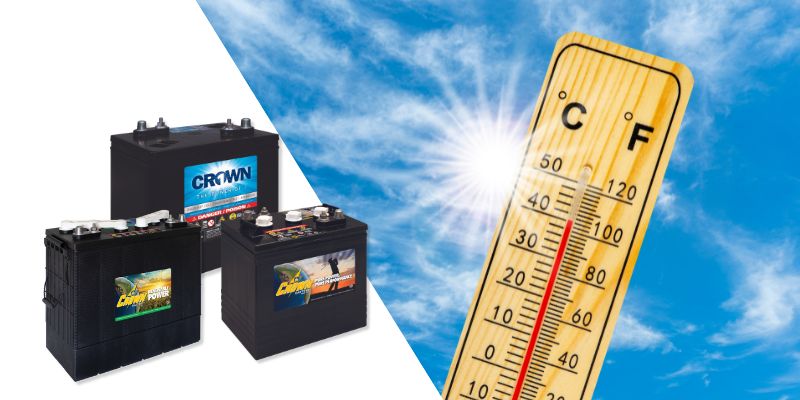
Heat Damage: Lead-acid Vs. Other Battery Types
Most cars use lead-acid batteries, but some newer vehicles use AGM (Absorbent Glass Mat), gel cell, or lithium-ion batteries. Here’s how heat affects each:
| Battery Type | Heat Resistance | Common Failures in Heat |
|---|---|---|
| Flooded Lead-Acid | Low | Electrolyte loss, plate corrosion |
| AGM | Medium | Plate separation, pressure build-up |
| Gel Cell | Medium | Gel drying, case swelling |
| Lithium-Ion | High | Thermal runaway (rare but dangerous) |
Flooded lead-acid batteries are the most sensitive to heat. AGM and gel batteries handle heat a bit better but can still suffer. Lithium-ion batteries (found in electric cars) have special protections but can overheat under extreme conditions.
Real-world Example: Arizona Summers
Phoenix, Arizona, is famous for its blazing hot summers. Average highs reach 40°C (104°F) or more. In this climate, many drivers find their car batteries only last 2 years, compared to 4-5 years in cooler states.
Auto shops in Phoenix report a sharp rise in battery replacements every summer. Most batteries fail because the electrolyte evaporates, and the plates corrode much faster than usual. This pattern is common in other hot places, from Texas to the Middle East.
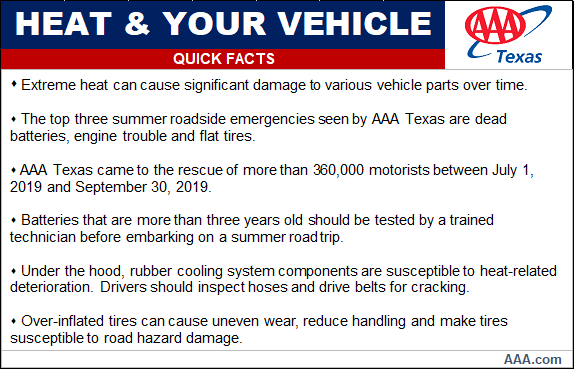
Is Battery Damage From Heat Reversible?
Unfortunately, most heat damage is permanent. If the lead plates are corroded, or the electrolyte has evaporated, the battery’s capacity is lost for good. Adding water can help if the battery is low (and if it’s a maintenance-type battery), but it won’t reverse corrosion or fix a swollen case.
Once a battery is badly damaged by heat, replacement is usually the only safe solution.
How To Protect Your Car Battery From Extreme Heat
You can’t control the weather, but you can take steps to help your battery survive hot conditions.
1. Park In The Shade
Whenever possible, park your car in a garage or under a tree. Keeping your car out of direct sunlight can lower the temperature under the hood by several degrees.
2. Insulate The Battery
Some batteries come with a heat shield or insulation wrap. These help keep the battery cooler and reduce the effects of heat. You can buy aftermarket wraps if your car doesn’t have one.
3. Check Electrolyte Levels
If you have a battery with removable caps, check the electrolyte regularly during summer. Top up with distilled water if it’s low. Never use tap water, as it can cause mineral build-up.
4. Clean Battery Terminals
Heat speeds up corrosion, which can build up on terminals and reduce electrical flow. Use a battery cleaning brush to keep terminals clean and tight.
5. Avoid Short Trips
Short drives don’t give your alternator enough time to fully recharge the battery, especially in hot weather. Try to combine trips or take your car for a longer drive every so often.
6. Test Your Battery
Have your battery tested at least once a year, especially before summer. Many auto shops do this for free. Testing can catch problems early before the battery fails.
7. Replace Old Batteries
If your battery is more than 3 years old and you live in a hot area, consider replacing it before it leaves you stranded. Modern batteries often give little warning before they die.
8. Limit Use Of Electronics When The Engine Is Off
Using lights, radio, or AC when the engine isn’t running draws power from the battery. In hot weather, this can speed up discharge and wear.
Common Myths About Car Batteries And Heat
There are many myths about batteries and temperature. Let’s clear some up:
- Myth: Only cold kills batteries.
Fact: Heat is often more damaging and shortens lifespan.
- Myth: Maintenance-free batteries don’t need attention.
Fact: Even sealed batteries can suffer from heat and should be checked.
- Myth: A battery that starts the car is healthy.
Fact: Many batteries work fine until they fail suddenly, especially in hot weather.
- Myth: Bigger batteries last longer in heat.
Fact: The right size is important, but all batteries are affected by temperature.
Choosing The Right Battery For Hot Climates
If you live in a hot area, choosing the right battery can make a difference. Here’s what to look for:
- Heat-Resistant Design: Some batteries are made with thicker plates or special materials to resist heat.
- High Reserve Capacity (RC): This measures how long a battery can run on its own power. Higher RC can help in tough conditions.
- Proper Size and Fit: Always choose the size recommended by your car’s maker.
- Good Warranty: Look for a battery with a strong warranty, especially in hot climates.
- Brand Reputation: Some brands are known for better performance in heat. Ask local mechanics for advice.
Battery Maintenance Tips In Summer
A little care goes a long way. Here are practical tips to keep your battery strong during hot months:
- Check battery hold-downs to make sure they’re tight. Vibration can cause extra wear.
- Look for cracks or leaks in the battery case.
- Listen for slow cranking or warning lights.
- Replace your battery if it shows signs of bulging or corrosion that won’t clean off.
- Don’t ignore electrical problems—they can signal battery trouble.
Environmental Impact Of Heat-damaged Batteries
Batteries that fail early mean more waste. Lead-acid batteries are recyclable, but some end up in landfills, which can harm the environment. By extending battery life and recycling old batteries, drivers can help reduce pollution.
Battery makers are working on new designs that handle heat better and last longer, which is good for both your wallet and the planet.
Cost Of Replacing A Battery Due To Heat
Battery prices vary depending on the type and brand. In the US, a typical lead-acid battery costs between $100-$200. AGM or specialty batteries can cost $200-$400 or more.
But the real cost is often the inconvenience of a breakdown. If your battery dies away from home, you might need a tow or roadside help. Regular checks and early replacement can save you time and stress.
Does Heat Damage Electric Car Batteries?
Electric vehicles (EVs) use lithium-ion batteries, which are different from traditional car batteries. Heat can still cause problems:
- Reduces range by making the battery less efficient
- Speeds up aging of battery cells
- In rare cases, can cause thermal runaway (overheating and possible fire)
Most EVs have advanced cooling systems to keep batteries at safe temperatures. Parking in the shade and avoiding fast charging during the hottest part of the day can help.
Useful Resources For Further Reading
If you want more technical details, the Battery Council International and the U.S. Department of Energy offer in-depth guides on battery care and climate effects. For official climate data, visit NOAA.
Frequently Asked Questions
How Hot Does It Have To Be For A Car Battery To Get Damaged?
Damage can start at temperatures above 32°C (90°F), but the risk increases above 38°C (100°F). Under the hood, temperatures can be much higher, especially during long drives or in direct sunlight.
Can I Pour Cold Water On A Hot Battery To Cool It Down?
No, this is not safe. Pouring water on a hot battery can cause the case to crack due to sudden temperature change. Let the battery cool naturally in the shade.
How Often Should I Check My Battery In Summer?
Check your battery at least once a month during hot weather. Look for low electrolyte, corrosion, or swelling. If you notice problems, test or replace the battery.
Does Turning Off The Ac Help Protect My Battery In Heat?
Not directly. The AC runs off the engine, not the battery, when the car is running. But using electronics with the engine off can drain the battery faster in hot weather.
Is There A Battery Type That’s “heat-proof”?
No battery is completely immune to heat. AGM and lithium-ion types handle heat better than flooded lead-acid, but all batteries age faster in extreme temperatures.
Protecting your battery from heat is about smart habits and regular checks—not magic solutions.
—
Extreme heat can quietly ruin your car battery’s life, often without warning. By understanding how heat damages batteries, watching for warning signs, and following simple maintenance tips, you can avoid unexpected breakdowns and save money. Always choose the right battery for your climate, check it often during hot months, and recycle old batteries responsibly.
Taking these steps will keep your car running strong, even when the sun is at its hottest.