Absolutely, here is a complete, in-depth article focused on “Can the Ancel AD310 Scan Older Vehicles? ” as requested, expanded to approximately 2000 words, proportionally detailed across all relevant sections.
—
Can The Ancel Ad310 Scan Older Vehicles? A Complete Guide
Choosing the right OBD2 scanner is important, especially if you own an older car. Many drivers wonder if affordable tools like the Ancel AD310 can actually scan vehicles built before the 2000s or even earlier. Understanding how these devices work, and their limits with older cars, helps you avoid disappointment and wasted money.
Let’s explore everything you need to know to decide if the Ancel AD310 suits your vehicle—especially if your car is more than 20 years old.
What Is The Ancel Ad310?
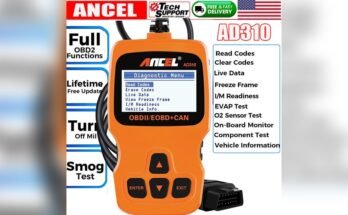
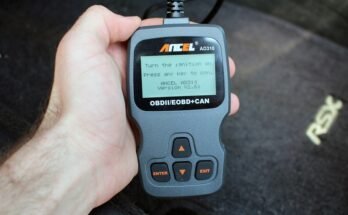
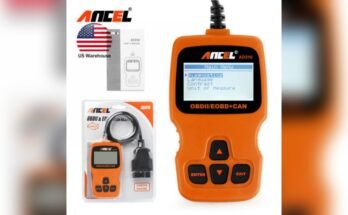
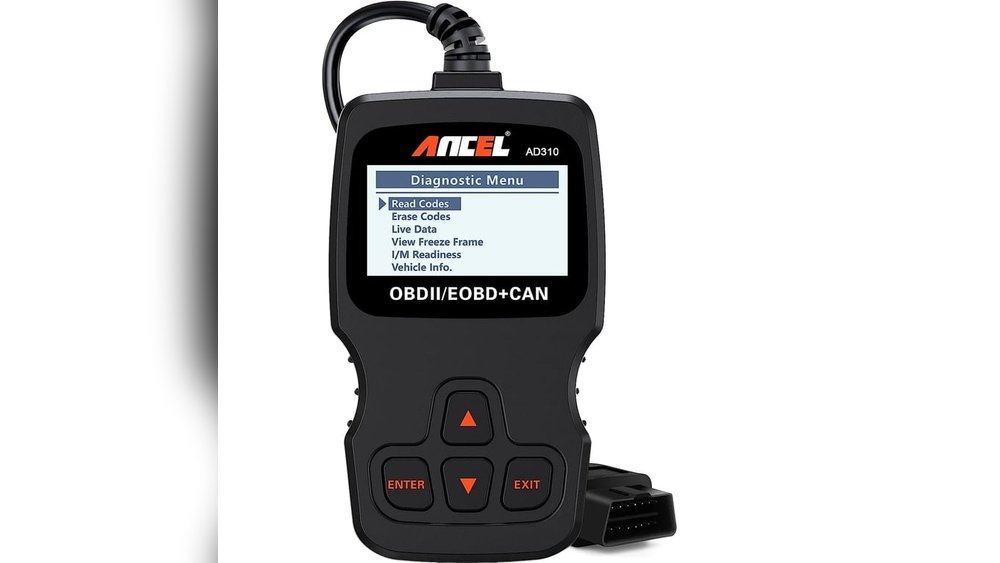
The Ancel AD310 is a popular OBD2 code reader. It’s small, easy to use, and connects directly to your car’s diagnostic port. This tool lets you read and clear engine codes, check emissions readiness, and view live data like engine RPM, temperature, and more.
Many people choose the AD310 because it’s affordable and doesn’t need batteries—it draws power from the car.
But what makes this scanner special? The AD310 is designed for basic diagnostics. Mechanics and car owners use it to quickly find out why a “Check Engine” light is on. It does not have advanced features like ABS or airbag diagnostics, but for many users, that’s enough.
The tool’s simple menu and clear display make it beginner-friendly.
Understanding Obd Systems: Obd1 Vs. Obd2
Before you buy any scanner, it’s good to know the basics of OBD systems. OBD stands for “On-Board Diagnostics.” It’s a system built into every modern car to monitor and report problems. There are two main types:
- OBD1 (On-Board Diagnostics, first generation): Used mainly from the early 1980s to 1995. Each manufacturer often had their own connector and codes. There was no universal standard, so scanners had to match the car brand.
- OBD2 (On-Board Diagnostics, second generation): Required on all cars and light trucks sold in the United States from 1996 onward. OBD2 uses a standard 16-pin connector and universal codes, making diagnostics much easier.
Europe and other regions adopted OBD2 a bit later, often around 2001 for gasoline cars and 2004 for diesels.
Why This Matters For Older Cars
If your car was made before 1996 (in the US), it probably uses OBD1. The Ancel AD310, like most budget scanners, is designed only for OBD2 systems. This means it will not work on most cars made before 1996, unless they were early adopters of OBD2 or have been retrofitted.
Common Example: If you have a 1995 Toyota Camry, the AD310 will not connect because your car uses a Toyota-specific OBD1 system. But if you have a 1997 Honda Accord, the scanner should work, because that car has OBD2.
How To Check If Your Car Is Compatible
Here’s how you can quickly check if your car is likely to work with the Ancel AD310:
- Check the Year:
- US gasoline cars: OBD2 is standard from 1996.
- European gasoline cars: OBD2 is usually standard from 2001.
- European diesel cars: OBD2 is usually standard from 2004.
- Asian cars: Varies, but most popular brands switched to OBD2 from 1996–2001.
- Look for the OBD2 Port:
- Find the diagnostic port under the dashboard, usually near the driver’s seat.
- It should be a trapezoid-shaped, 16-pin connector.
- Read the Under-Hood Sticker:
- Most cars have an emissions sticker under the hood. Look for “OBD II Certified” or similar wording.
If you’re not sure, you can also check the owner’s manual or search online for your car’s year, make, and model plus “OBD2 compatibility. ”
What Happens If You Try AD310 on an Older (OBD1) Car?
The Ancel AD310 cannot scan OBD1 cars directly. If you plug it into a pre-1996 vehicle, one of three things will happen:
- The connector won’t fit, because OBD1 ports are different shapes.
- The device powers up but says “No Link” or “Cannot Communicate.”
- It connects but cannot read any data, because the protocols don’t match.
Some advanced scanners offer OBD1 adapters, but the AD310 does not support these. Even with adapters, communication is not guaranteed due to different protocols.
Are There Exceptions? “obd1.5” And Transition Years
Some cars from 1994–1996 use a mix of OBD1 hardware with some OBD2 features. These are sometimes called “OBD1. 5. ” For example, some late-1995 GM vehicles have the OBD2 port but still use OBD1 protocols. The Ancel AD310 will not work with these vehicles.
The port may fit, but the communication fails.
Some rare vehicles in the late 1990s may have been early adopters of OBD2, even before the law required it. These are unusual, and you should check your exact vehicle specs.
Common User Mistakes With Older Cars
Many buyers make these mistakes:
- Not Checking the Year and Region: Assuming all cars from the 1990s are OBD2 is a common error, especially with European or Asian imports.
- Believing That an Adapter Will Fix Everything: An adapter might let the AD310 plug in physically, but it will not translate the communication protocols.
- Ignoring the Emissions Label: This label usually states if the car is OBD2 compliant.
- Overestimating Functions: The AD310 only reads engine codes and basic data. It cannot scan ABS, airbag, or transmission codes, even on newer cars.
What The Ad310 Can Do With Obd2 Cars
If your car is OBD2-compliant (typically 1996 or newer for US vehicles), the AD310 can help you:
- Read and clear engine trouble codes (the “Check Engine” light).
- See a short description of the problem (like “Cylinder 2 Misfire”).
- View live data, such as coolant temperature, RPM, and oxygen sensor readings.
- Check if your car is ready for emissions testing.
This is useful for home mechanics who want to fix basic engine problems or pass inspections.
Limitations With Older Vehicles
If your car is older than 1996 and uses OBD1, here’s what you need to know:
- The AD310 will not work on most pre-1996 vehicles.
- You may need a special OBD1 scanner. These are often more expensive and brand-specific.
- Some classic cars have no diagnostic system at all, or use “blink codes” (a light flashes in a pattern to show problems).
- Even if your car has an OBD2-style port, the scanner might not work if the car doesn’t use standard OBD2 protocols.
Special Cases: Classic Cars And “obd1” Diagnostics
Drivers with classic cars (from the 1980s and early 1990s) face special challenges. Each brand had its own diagnostic system, connector, and fault codes. For example:
- Ford used the EEC-IV system.
- General Motors used ALDL.
- Toyota, Honda, Nissan, and others had their own versions.
These cars sometimes require a “paper clip” trick or a manufacturer-specific tool to read codes. The Ancel AD310 is not compatible with any of these systems.
If you want to diagnose a pre-1996 car, look for a scanner that lists OBD1 compatibility for your specific make and model. Be ready for more complicated instructions.
Practical Example: 1990s Honda Accord
Let’s say you have a 1993 Honda Accord. This car uses Honda’s OBD1 system. To read engine codes, you must:
- Locate the service connector under the passenger dash.
- Use a jumper wire or paper clip to connect two wires.
- Turn the ignition to “on” (engine off).
- Watch the “Check Engine” light blink out the codes.
A scanner like the AD310 cannot perform this task. You need to use the manual method or buy a Honda-specific OBD1 reader.
How To Choose A Scanner For Older Cars
If you own multiple cars, including an older one, here’s what to look for:
- Multi-system support: Some advanced scanners can handle both OBD1 and OBD2 with the right adapters.
- Brand-specific tools: Old cars often need a scanner designed for that brand.
- Clear documentation: Make sure the scanner’s manual lists your car’s year, make, and model.
- Community support: Check car forums to see what tools other owners use.
If your cars are all 1996 or newer (US) or 2001 or newer (Europe gas), the Ancel AD310 is a good, affordable choice.
What If You Accidentally Buy The Wrong Scanner?
If you buy the AD310 and it doesn’t work with your older car, don’t worry. Most retailers allow returns if the tool is still in new condition. Always test the scanner as soon as you get it, and keep the packaging until you confirm it works.
You can also resell unused code readers online or to friends. Many people with newer cars will find the AD310 useful.
How To Use The Ancel Ad310 On A Compatible Car
If you have a compatible vehicle, here’s how to use the scanner:
- Locate the OBD2 port under the dashboard.
- Plug in the AD310. The screen should power up.
- Turn the ignition key to the “on” position (engine can be off or running).
- Follow the on-screen menu: Select “Read Codes” to see engine trouble codes.
- Write down any codes and their descriptions.
- Use the “Erase Codes” feature only after fixing the problem (otherwise, the light may return).
Beginner Tip: Take a photo of any codes with your phone before clearing them. This helps if you need help from a mechanic later.
Two Non-obvious Insights For Beginners
1. Obd2 Is Not Just About The Connector Shape
Many people think if the plug fits, the scanner will work. But “OBD2” is about the communication protocol, not just the port shape. Some cars from 1995–1997 have an OBD2-shaped port but still use OBD1 protocols. The AD310 cannot read these cars, even though the plug fits.
2. Obd2 Doesn’t Cover All Car Systems
The Ancel AD310, like most basic code readers, only scans the engine system. It cannot read codes from ABS (brakes), airbags, transmission, or body modules. Even on newer vehicles, you need a more advanced tool for full-system diagnostics. If you see warning lights other than the “Check Engine” light, the AD310 won’t help.
When Is The Ancel Ad310 A Good Choice?
This scanner is a good fit if:
- You have a US gasoline car from 1996 or newer, or a European gasoline car from 2001 or newer.
- You need to read and clear engine codes, or check emissions readiness.
- You want a simple, no-battery tool for quick scans.
- You’re comfortable with basic diagnostics and don’t need advanced features.
It’s not a good fit if:
- Your car is OBD1 (pre-1996 US, pre-2001 Europe/Asia).
- You want to scan ABS, airbags, or other systems.
- You need brand-specific features.
If you want to see a full list of supported protocols and vehicles, you can check the official Ancel website or [EPA’s OBD2 guide](https://www.epa.gov/obd/obd-compliance-and-enforcement-vehicles-obd).
Alternatives For Older (obd1) Cars
If you have an older vehicle, consider these options:
- Buy a brand-specific OBD1 scanner (example: GM Tech1, Ford EEC-IV).
- Search car forums for manual “blink code” instructions.
- Visit a mechanic with the right equipment.
- Look for multi-system professional scanners, but expect to pay more.
Final Thoughts
The Ancel AD310 is a reliable, affordable OBD2 scanner for cars built with OBD2 systems. However, it will not work with most older vehicles that use OBD1 or other early diagnostic systems. Always check your car’s year, region, and emissions label before buying.
If you’re working on classic cars, research brand-specific scanners.
For most drivers with cars built in the last 20–25 years, the AD310 is a practical tool that saves time and money. For older cars, you’ll need more specialized equipment or manual diagnostics. Either way, understanding your car’s diagnostics system is the first step to successful DIY repairs.