Cold weather can be tough on cars, and one of the most common winter worries is a dead or weak battery. Many drivers wonder, can you charge a car battery in cold weather, or is it too risky or even impossible?
The answer is more nuanced than a simple yes or no. Charging a car battery in cold temperatures is possible, but there are special steps, risks, and science you must understand to do it safely and effectively.
This article explores everything you need to know about charging a car battery when it’s cold outside. You’ll learn why batteries struggle in the cold, how temperature affects charging, and what mistakes to avoid. Whether you’re a new car owner, someone with limited technical experience, or just want to protect your vehicle this winter, you’ll find clear, practical advice here.
Why Cold Weather Affects Car Batteries
When temperatures drop, many car owners find their engines slow to start or refuse to turn over at all. This issue usually points to the battery. But why does cold weather make car batteries weaker?
How Batteries Work
A typical car battery is a lead-acid battery. It produces power through a chemical reaction between lead plates and sulfuric acid. When you start your car, the battery releases stored energy to turn the engine.
The Impact Of Low Temperatures
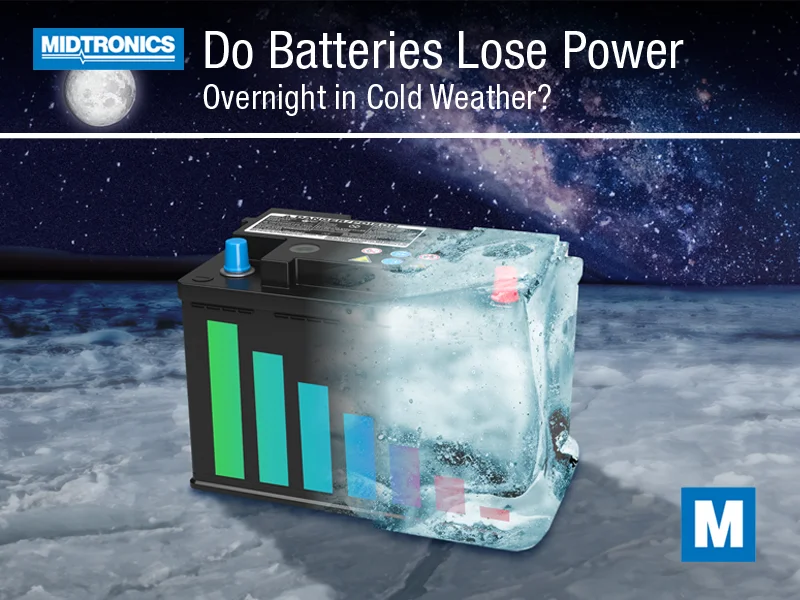
In cold weather, the chemical reactions inside the battery slow down. With less energy produced, the battery’s cranking power (the ability to start the engine) drops. For example, at 0°F (-18°C), a battery can lose up to 60% of its strength compared to room temperature. At the same time, your engine oil thickens in the cold, so your car needs more power to start.
Why Charging Gets Harder
Cold temperatures don’t just make batteries weak—they also make it harder to recharge them. The flow of electricity inside the battery slows, and the battery’s ability to accept a charge decreases. This means charging takes longer, and there’s a higher risk of mistakes like overcharging or undercharging.
Can You Charge A Car Battery In Cold Weather?
Yes, you can charge a car battery in cold weather, but it requires more attention and care compared to charging at normal temperatures. The process is slower and there are more risks if you don’t follow the right steps.
Charging Is Possible, But Slower
When it’s cold, the battery’s internal resistance increases, so it cannot accept energy as quickly. A charge that takes 4 hours at 70°F (21°C) could take 8 hours or more at 0°F (-18°C).
Risks Of Charging In The Cold
- Overcharging: Because the battery charges slower, people sometimes try to speed up the process by using high charging currents. This can damage the battery.
- Undercharging: If you give up too soon, the battery will not be fully charged. Undercharged batteries can freeze and crack in extremely cold weather.
- Battery Freezing: A discharged battery is more likely to freeze at low temperatures, especially if it’s left outside after charging only part way.
When Charging Is Not Safe
If the battery is frozen (the electrolyte inside is solid or slushy), do not try to charge it. Charging a frozen battery can cause it to crack, leak acid, or even explode. Always check the battery first.
How To Safely Charge A Car Battery In Cold Weather
Proper charging in cold conditions can extend your battery’s life and keep your car reliable. Here’s how to do it safely:
Step 1: Move The Battery To A Warmer Place (if Possible)
If you can, remove the battery from your car and bring it indoors or into a heated garage. Charging at room temperature is much safer and more efficient.
Step 2: Inspect The Battery
Look for cracks, bulges, or leaks. Check the fluid level (if your battery isn’t sealed). A frozen battery may have swollen sides or ice inside. Do not charge if you see these signs.
Step 3: Clean The Terminals
Use a wire brush to remove corrosion from the battery posts and cable ends. Clean contacts mean better energy flow and safer charging.
Step 4: Choose The Right Charger
Use a smart charger or a charger with a temperature compensation feature. These chargers adjust their charging rate based on the battery’s temperature, which reduces the risk of overcharging.
Step 5: Set The Correct Charging Rate
In cold weather, a slow charge (also called “trickle charge”) is safer. Aim for a rate of 2 to 10 amps. High currents can damage the battery, especially when cold.
Step 6: Monitor The Process
Check the charger’s indicators and the battery’s temperature. If the battery gets warm, stop the charging. If using a manual charger, check the voltage every hour.
Step 7: Finish And Reinstall
When fully charged, disconnect the charger, clean the terminals again if needed, and reinstall the battery in your car. Make sure connections are tight.
Example: Charging A Battery At 0°f (-18°c)
- Charging time may be 2x longer than at room temperature.
- Use a charger with automatic shut-off.
- Check the battery for ice or bulging before charging.
How Cold Is Too Cold For Charging?
Battery charging gets difficult below freezing (32°F or 0°C), but it’s not impossible. The real danger is if the battery is frozen solid.
- At 32°F (0°C): Charging is safe but slow.
- At 14°F (-10°C): Charging is much slower; check often for freezing.
- Below -4°F (-20°C): Risk of freezing increases, especially if the battery is less than 100% charged.
A fully charged battery can survive down to -76°F (-60°C) before freezing. But a battery that is only half-charged can freeze at -15°F (-26°C). This is why keeping your battery fully charged in winter is so important.
Different Charging Methods In Cold Weather
There are several ways to recharge a weak battery in winter. Each method has pros and cons.
Using A Portable Battery Charger
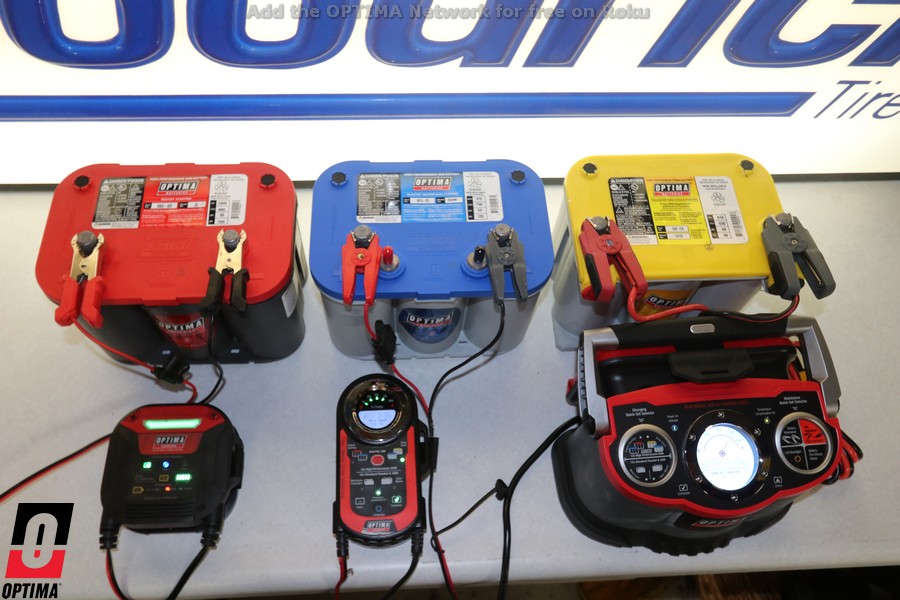
This is the most common and safest method. Portable chargers are easy to use and can be left connected for several hours.
- Smart chargers: Adjust the charge rate automatically.
- Manual chargers: Require you to set the charge rate and time.
Jump Starting And Then Driving
You can use jumper cables and another car to get your engine running, then let your alternator recharge the battery while you drive.
- Best for emergencies.
- Not ideal if the battery is deeply discharged or the weather is extremely cold.
- Driving short distances may not fully recharge the battery.
Using A Trickle Charger
A trickle charger slowly adds power to the battery over many hours or days. This is good for cars that are parked for long periods.
- Prevents the battery from freezing.
- Safe for long-term use.
- Must be used in a dry, ventilated area.
Fast Chargers
Some garages use high-powered chargers to quickly bring dead batteries back to life.
- Not recommended for cold weather or older batteries.
- Risk of damaging the battery is higher.
Charging With Solar Chargers
Solar chargers provide a small, steady charge and are good for keeping a battery “topped up” but are too slow to recharge a dead battery in cold weather.
Comparing Charging Methods In Cold Weather
Here’s a quick comparison of common charging methods:
| Method | Safe in Cold? | Speed | Best Use |
|---|---|---|---|
| Portable Smart Charger | Yes | Medium | General, overnight charging |
| Manual Charger | Yes (with care) | Medium | Experienced users only |
| Trickle Charger | Yes | Slow | Long-term storage |
| Jump Start + Drive | Yes (limited) | Fast (initially) | Emergency only |
| Fast Charger | No | Very fast | Professional use |
| Solar Charger | Yes | Very slow | Maintenance only |
How Long Does It Take To Charge A Battery In Cold Weather?
Charging time depends on the temperature, the battery’s size, how discharged it is, and the type of charger used. Here’s a rough guide:
- At 70°F (21°C): 4-6 hours (standard charger)
- At 32°F (0°C): 8-12 hours (standard charger)
- At 0°F (-18°C): 12-24 hours (slow charger)
If you use a trickle charger (1-2 amps), it may take 24-48 hours or more to fully recharge a deeply discharged battery in cold weather.
Example Charging Times
| Temperature | Charger Type | Approx. Time |
|---|---|---|
| 70°F (21°C) | 10A Smart Charger | 4-6 hours |
| 32°F (0°C) | 10A Smart Charger | 8-12 hours |
| 0°F (-18°C) | 2A Trickle Charger | 24-36 hours |
Key Tips For Charging Car Batteries In Cold Weather
- Always check if the battery is frozen before charging.
- Charge slowly—do not use high amperage, which can damage the battery.
- Use a charger with temperature compensation for best results.
- Keep the battery fully charged during winter to prevent freezing.
- Disconnect the battery before charging if possible, especially if charging indoors.
- Allow extra charging time in cold weather; be patient.
- Monitor the battery and charger regularly for safety.
Common Mistakes To Avoid
Many people make errors when trying to charge their car battery in winter. Here are some mistakes to watch out for:
- Charging a frozen battery: This can cause explosions or leaks.
- Using high charge rates: Fast charging can warp the battery plates.
- Ignoring warning signs: Cracks, bulges, or acid leaks mean the battery must be replaced.
- Not wearing safety gear: Always wear gloves and eye protection.
- Charging outside in extreme cold: If possible, bring the battery indoors.
How To Tell If Your Battery Needs Charging Or Replacement
Sometimes, charging won’t help because the battery is too old or damaged. Here are signs your battery may need replacement:
- Won’t hold a charge after several hours on a charger
- Swollen or cracked case
- Corrosion on terminals that keeps coming back
- Engine turns slowly even after charging
- Battery is 5 years old or more
If you see these signs, it’s safer and more reliable to get a new battery.
How To Prevent Battery Problems In Winter
Charging your battery is important, but prevention is even better. Here are ways to avoid winter battery trouble:
- Park in a garage or sheltered place to reduce cold exposure.
- Use a battery maintainer (trickle charger) if your car will sit unused.
- Check battery voltage regularly with a voltmeter; recharge if below 12.4 volts.
- Turn off accessories (lights, radio) before shutting off the car.
- Replace the battery before winter if it’s getting old.
What About Electric And Hybrid Cars?
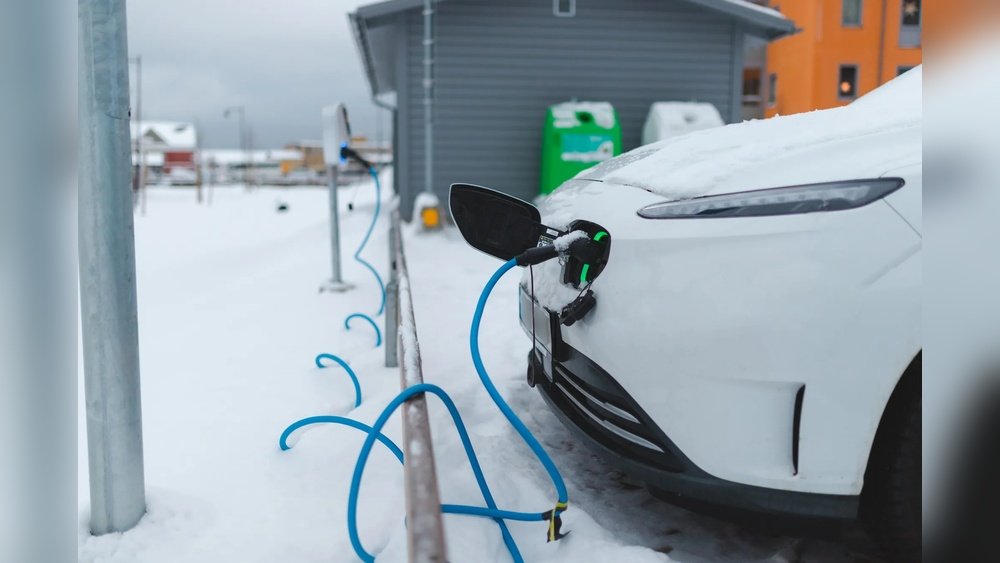
Electric and hybrid vehicles have different batteries (lithium-ion or nickel-metal hydride). These batteries also lose power in the cold, but charging is often controlled by the car’s internal computer. Some EVs have battery heaters that warm the battery before charging.
- Always follow your car’s manual for charging in winter.
- Avoid charging a frozen battery pack—this can cause permanent damage.
- Store your EV in a garage for best results.
For more information on battery types and how cold affects them, see this Wikipedia article.
Battery Chargers: What Features Matter Most In Cold Weather?
Not all chargers are equal for winter use. Here’s what to look for:
Temperature Compensation
A charger with temperature compensation adjusts the voltage automatically based on battery temperature. This prevents overcharging or undercharging.
Automatic Shut-off
Smart chargers with automatic shut-off turn off when the battery is full, reducing risks of overheating.
Low Amp Settings
A 2A or 4A setting is best for slow, safe charging in the cold.
Safety Features
Look for reverse polarity protection, spark-proof clamps, and short circuit protection.
Portability
A compact, lightweight charger is easier to use and move, especially if you need to bring the battery indoors.
Example Feature Comparison
| Feature | Why It Matters |
|---|---|
| Temperature Compensation | Prevents over/undercharging in cold |
| Automatic Shut-Off | Stops charging when battery is full |
| Low Amp Setting | Safer for cold batteries |
| Safety Protections | Prevents accidents |
| Portability | Easy to use indoors or outdoors |
Non-obvious Insights And Practical Advice
- A fully charged battery is less likely to freeze, even in extreme cold. If you live in a very cold area, keep your battery topped up all winter.
- Batteries lose charge even when the car is parked. Cold weather increases this “self-discharge” rate, so check your battery every few weeks.
- If your car will not be used for weeks, disconnect the battery and use a trickle charger. This protects both the battery and your car’s electronics.
- Corrosion builds up faster in winter due to road salt and moisture. Clean your battery terminals monthly for best results.
- If you must charge a battery outdoors, shield it from wind and snow to help it warm up a little faster.
Frequently Asked Questions
Why Does My Car Battery Die More Often In Winter?
Low temperatures slow the chemical reactions inside a battery, reducing its power and ability to recharge. Also, engines are harder to turn over when cold, so the battery works harder. If the battery is old or weak, it may die more often in winter.
Can I Charge A Car Battery Outside If It’s Below Freezing?
Yes, but it’s safer and faster if you bring the battery indoors or into a warmer garage. If you must charge outside, use a slow charger, shield the battery from wind, and check often to make sure it’s not frozen.
What Should I Do If My Battery Is Frozen?
Do not try to charge or jump-start a frozen battery. Move it to a warm place and let it thaw completely before inspecting and charging. Charging a frozen battery can be dangerous.
How Do I Know If My Battery Needs To Be Replaced Instead Of Charged?
If your battery will not hold a charge, has visible damage (cracks, bulges, leaks), or is more than 5 years old, it’s usually time to replace it. If you’ve tried charging and the car still won’t start, get the battery tested at a shop.
Will A Trickle Charger Keep My Battery From Freezing?
Yes, as long as the battery stays fully charged, a trickle charger can prevent freezing by keeping the internal chemical reactions active. This is especially useful for cars that are parked for long periods in cold weather.
When winter arrives, knowing how to care for your car battery can make the difference between a smooth morning start and being stranded in the cold. Charging a car battery in cold weather is possible, but you must follow the right steps and safety tips.
Use a slow charger, keep your battery fully charged, and check for damage before you start. If you pay attention to the details, your battery will last longer and your car will be more reliable, even on the coldest days.