A car’s battery is small, but it’s critical for every drive. Many drivers ignore their battery until something goes wrong. But what really happens if your battery is weak? Can you still drive safely, or does a weak battery put you and your car at risk?
Understanding the facts can save you from being stranded at the worst moment. Let’s look deeper at what a weak car battery means, how it affects your vehicle, and what you should do if you suspect your battery isn’t at full strength.
What Is A Weak Car Battery?
A weak car battery is a battery that has lost much of its original power. It may still start the engine, but it struggles to deliver enough electricity for the car’s systems. Usually, a healthy car battery has about 12.6 volts when the car is off. If your battery drops below 12.4 volts, it’s considered weak.
Batteries become weak for several reasons:
- Age: Most last 3-5 years.
- Extreme temperatures: Heat and cold can damage them.
- Short trips: Not enough time to recharge.
- Parasitic drain: Things like alarms or dash cams can drain power.
Drivers often notice a weak battery when the engine turns over slowly or dashboard lights dim. But sometimes, there are no early warnings.
Can You Drive With A Weak Car Battery?
You might be able to drive with a weak battery, but it’s risky. Here’s what happens:
- Starting Problems: The most common sign is slow or hard starting. On a cold morning, your car might not start at all.
- Electrical Issues: Modern cars use a lot of electronics. A weak battery can cause flickering lights, radio problems, and even transmission glitches.
- Sudden Failure: A battery can fail completely without warning. If this happens while driving, your car might stall or key systems could shut down.
- Alternator Stress: The alternator tries to charge a weak battery, working harder and wearing out faster.
- Safety Risks: If your car dies in traffic or at night, it’s dangerous. Power steering and brakes can also be affected in some cars.
In summary, while your car may start and run with a weak battery, it’s not reliable. You’re more likely to get stranded, especially during bad weather or at night.
How A Weak Battery Affects Car Systems
A car battery does more than just start the engine. It supports many systems. Here’s how a weak battery impacts your vehicle:
Engine Starting
The starter motor needs a lot of power. If your battery is weak, the engine turns over slowly or not at all. Repeated failed starts can damage the starter and drain the battery even further.
Electronics And Accessories
Today’s cars have computers, sensors, and infotainment systems. A weak battery can cause:
- Flickering headlights
- Dim dashboard lights
- Radio or touchscreen resets
- Power windows and locks moving slowly
Safety Features
Modern cars rely on stable voltage for systems like ABS, airbags, and traction control. With a weak battery, these may malfunction or show warning lights.
Charging System
If your battery is weak, the alternator works overtime. This can cause it to fail early, which is a costly repair.
Fuel Economy
A less obvious effect: When the battery is weak, the engine control unit (ECU) might adjust fuel use incorrectly. This can reduce fuel efficiency.
Signs Your Car Battery Is Weak
Spotting a weak battery early can prevent breakdowns. Look for these signs:
- Slow Cranking: The engine sounds sluggish when starting.
- Dim or Flickering Lights: Headlights and dashboard lights lose brightness.
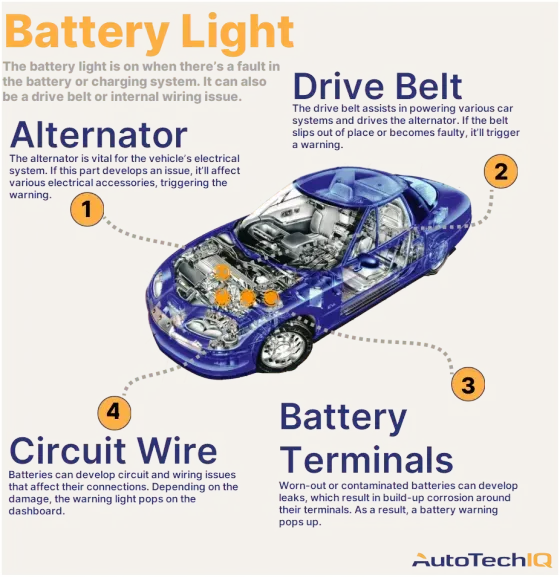
- Warning Lights: The battery or check engine light may appear.
- Electrical Glitches: Power windows, radio, or climate controls act strange.
- Swollen Battery Case: Heat can make the battery look bloated.
- Old Age: If your battery is over 3 years old, it’s at higher risk.
- Frequent Jump Starts: If you need a jump more than once, your battery is likely failing.
Not all weak batteries show every sign. Some fail suddenly with no warning.
Why Do Car Batteries Become Weak?
Batteries wear out naturally, but some habits and conditions make it worse. Let’s break it down:
Age
Most car batteries last 3-5 years. Chemical reactions inside slow down with time.
Driving Habits
Short trips don’t let the alternator recharge the battery fully. If you only drive for 5-10 minutes at a time, your battery gets weaker faster.
Temperature Extremes
Both hot and cold weather can hurt batteries. Heat speeds up chemical breakdown. Cold makes starting harder.
Parasitic Drain
Devices like alarms, dash cams, and phone chargers can slowly drain your battery, even when the car is off.
Faulty Charging System
If your alternator or voltage regulator is failing, your battery won’t recharge properly.
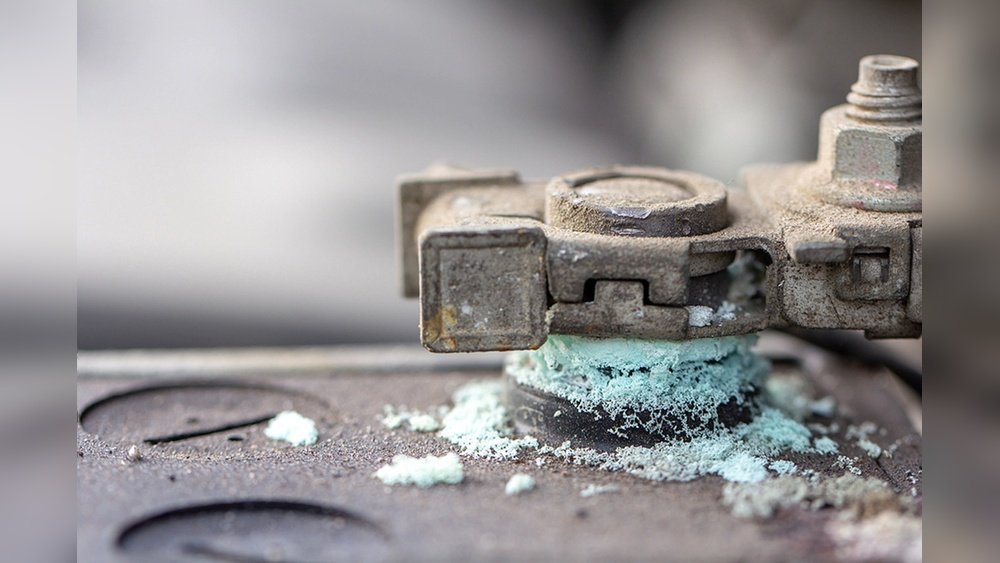
Corroded Connections
Rusty or loose cables can stop power from flowing, making the battery seem weak even when it’s not.
Risks Of Driving With A Weak Car Battery
It’s tempting to ignore a weak battery if your car still starts. But here are the real dangers:
Getting Stranded
A weak battery might start your car today, but fail tomorrow. You could end up stranded at work, home, or worse—on the road at night.
Damaging Other Parts
A weak battery puts extra stress on the alternator, starter, and even sensitive electronics. This can lead to expensive repairs.
Safety Hazards
If your car loses power while driving, you may lose power steering or brakes. Emergency systems like airbags might not work.
Reduced Resale Value
A car with a history of battery problems or electrical issues is harder to sell. Buyers worry about hidden electrical faults.
Higher Long-term Costs
Ignoring a weak battery now can lead to bigger bills later. Replacing both the battery and alternator is much more expensive than replacing just the battery.
How Far Can You Drive With A Weak Battery?
This is a common question, but there’s no simple answer. It depends on:
- How weak the battery is
- The health of your alternator
- Weather conditions
- How many electronic devices are running
If your alternator is strong, you may drive for days or even weeks. But if the battery is very weak or dying, you might only get a few starts before it fails completely.
Here’s a simple comparison:
| Condition | Estimated Driving Distance | Risk Level |
|---|---|---|
| Battery just starting to weaken | Several days to weeks | Low to Medium |
| Battery very weak (multiple symptoms) | 1-2 short trips | High |
| Battery near failure | May not start again | Very High |
A non-obvious insight: Sometimes, batteries fail when you least expect it—not always when they’re weakest. A battery that works fine in warm weather may fail the first cold morning.
Can A Weak Battery Recharge Itself?
A common myth is that driving will “fix” a weak battery. The truth is:
- If the battery is still healthy but low on charge, the alternator can recharge it.
- If the battery is old or damaged, driving will not restore its original power.
A weak battery may sometimes accept a charge, but it won’t hold it for long. The next cold morning or short drive could leave you stranded.
When Is It Safe To Drive With A Weak Battery?
There are rare cases when you might drive with a weak battery for a short time:
- If you need to drive to a garage for a replacement.
- If you’re waiting for a new battery and make very short trips.
But you should avoid:
- Driving at night (headlights use lots of power).
- Using AC or rear defroster (high electrical load).
- Long trips where help is far away.
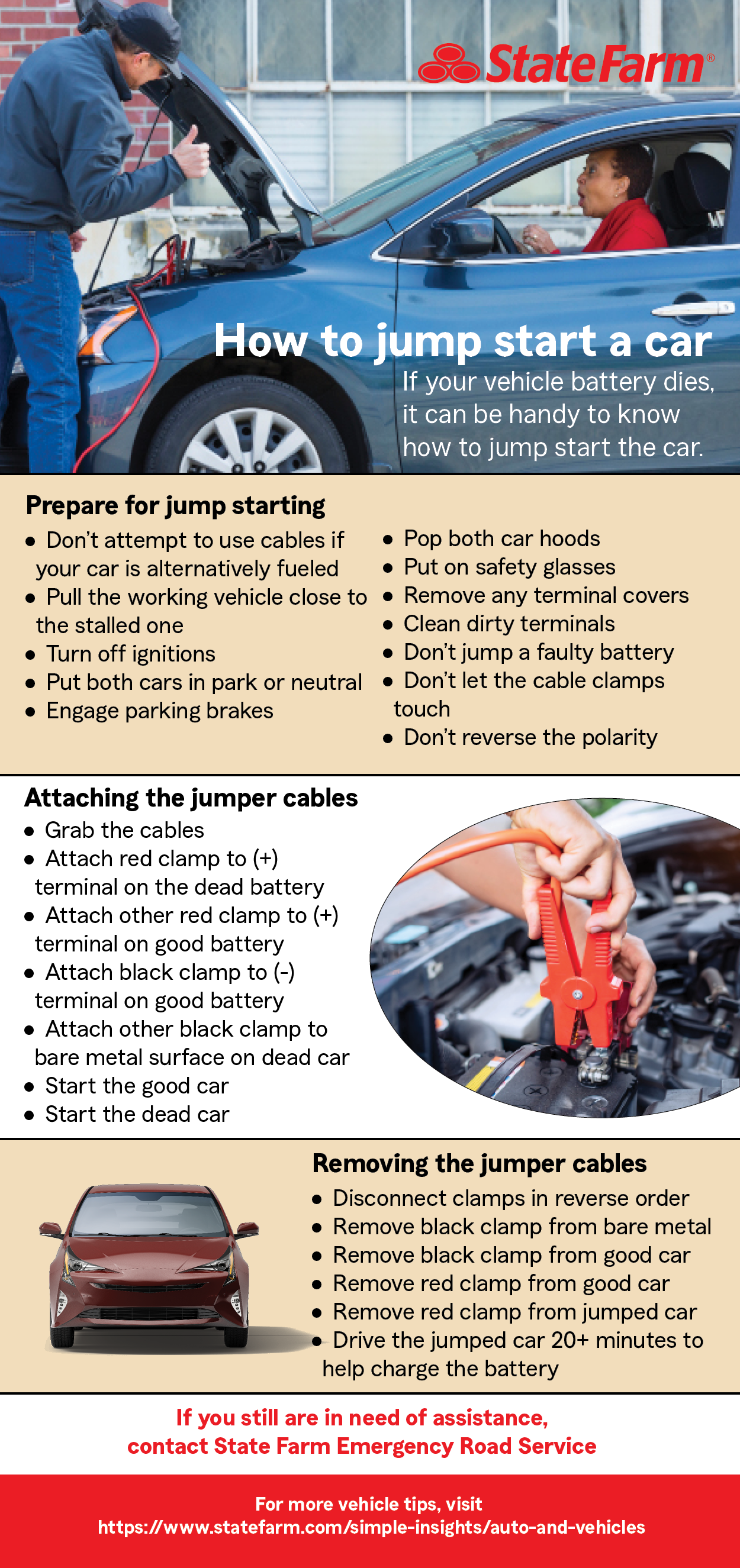
You should always carry jumper cables or a portable jump starter if you suspect your battery is weak.
Testing And Diagnosing A Weak Battery
You don’t need to guess if your battery is weak. Here’s how to check:
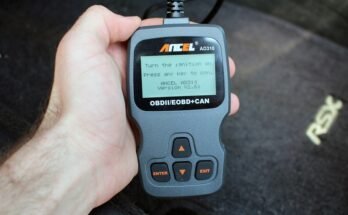
Use A Voltmeter
A simple voltmeter or multimeter can test your battery at home.
- Turn off your car.
- Set the meter to DC volts.
- Connect red to positive, black to negative.
- A healthy battery shows 12.6 volts or more. Below 12.4 is weak.
Professional Load Test
Auto parts stores and mechanics can do a load test. This checks how the battery performs under stress, not just at rest.
Check For Parasitic Draw
If your battery keeps going weak, test for a parasitic draw. This finds out if something is draining your battery while the car is off.
Here’s a quick reference:
| Test | What It Checks | Healthy Result | Weak Battery Sign |
|---|---|---|---|
| Voltage (Engine Off) | Overall charge | 12.6+ volts | 12.4 volts or less |
| Load Test | Performance under stress | No big voltage drop | Big voltage drop/fails test |
| Parasitic Draw Test | Hidden drains | Less than 50mA | More than 50mA |
Testing is fast and can prevent trouble. Many shops do it for free.
What To Do If Your Battery Is Weak
If you suspect your battery is weak, act fast to avoid getting stranded.
1. Check The Age
If your battery is over 3 years old, replace it soon—even if it seems fine.
2. Test The Battery
Use a voltmeter or visit a shop for a test. Confirm if the battery or charging system is the problem.
3. Inspect The Connections
Clean any corrosion from the battery terminals. Tighten loose cables.
4. Limit Electrical Use
Turn off headlights, AC, and other accessories until you fix the battery.
5. Carry Emergency Gear
Keep jumper cables or a portable jump starter in your car.
6. Plan For Replacement
Don’t wait for total failure. Shop for a good-quality battery. Make sure you get the right size and type for your car.
A practical tip: Always record the date when you install a new battery. This helps track its age and plan for future replacements.
How To Choose The Right Replacement Battery
Buying the right battery is important. Here’s what to consider:
Battery Size And Type
Check your car’s manual for the correct group size. This ensures the battery fits properly.
Cold Cranking Amps (cca)
This measures how well the battery works in cold weather. More CCA is better, especially in cold climates.
Reserve Capacity
This is how long the battery can run your car if the alternator fails. More is better for cars with lots of electronics.
Warranty
Choose a battery with a good warranty (at least 2-3 years).
Brand Reputation
Stick with known brands. Cheap batteries often fail early.
Here’s a comparison of key factors:
| Feature | Why It Matters | What to Look For |
|---|---|---|
| Size/Type | Proper fit and connection | Check manual or old battery |
| CCA | Cold starts | Higher for cold climates |
| Reserve Capacity | Backup power | More for modern cars |
| Warranty | Peace of mind | 2-3 years minimum |
| Brand | Reliability | Well-known names |
A non-obvious insight: Some cars with start-stop systems or hybrids need special batteries. Using the wrong type can damage your car.
How To Prevent Battery Problems
Simple habits can keep your battery strong:
- Drive at least 20 minutes a few times a week.
- Turn off lights and accessories when you park.
- Keep the battery clean and terminals tight.
- Test your battery each year, especially before winter.
- Fix electrical issues (like faulty alternators) quickly.
If you store your car for long periods, use a trickle charger to maintain the battery.
What If Your Car Dies While Driving?
If your battery or alternator fails while you’re driving, here’s what to do:
- Stay Calm: Don’t panic.
- Pull Over Safely: Move to the side of the road.
- Turn on Hazard Lights: If you can.
- Call for Help: Use roadside assistance or a tow service.
A weak battery alone rarely stops a running car, but if the alternator fails, the battery drains fast and the car will soon lose power.
Is A Weak Battery Always The Problem?
Not always. Sometimes, what looks like a battery issue is really:
- A bad alternator
- Loose or dirty battery cables
- A failing starter motor
Testing helps find the real cause. Replacing the battery won’t help if another part is to blame.
The Bottom Line: Should You Drive With A Weak Battery?
Driving with a weak car battery is a gamble. Sometimes you’ll be fine—but the risk of getting stranded, damaging other car parts, or facing unsafe situations is high. If you notice signs of a weak battery, it’s best to test and replace it quickly.
Pro tip: Don’t wait for your battery to leave you stranded. Modern batteries often fail suddenly, with little warning. Planning ahead saves money, time, and stress.
For more on battery care and vehicle maintenance, visit the Wikipedia car battery page.
Frequently Asked Questions
What Happens If My Car Battery Dies While Driving?
If your battery dies while driving, your car usually keeps running because the alternator supplies power. But if both the battery and alternator fail, the car will lose power quickly. You may lose steering, brakes, and lights. Pull over safely and call for help.
Can I Jump-start My Car Every Time The Battery Is Weak?
Jump-starting works for a temporary fix, but it’s not a long-term solution. Frequent jump-starting means your battery (or charging system) is failing. Replace the battery soon to avoid getting stranded.
Will A New Battery Fix All Electrical Problems?
No, a new battery only solves problems caused by low voltage. If you have other electrical issues—like bad alternator, faulty wiring, or corroded terminals—a new battery won’t fix them. Always test the whole system.
How Do I Know If My Alternator Or Battery Is Bad?
Test the battery with a voltmeter (12. 6+ volts is good). Start the car and measure again (should be 13. 8–14. 4 volts). If voltage doesn’t rise, your alternator might be bad. If in doubt, ask a mechanic.
Does A Weak Battery Affect Car Performance?
Yes, a weak battery can cause poor starting, dim lights, and even transmission or fuel system issues. Modern cars rely on stable voltage for everything. A weak battery can cause a range of hard-to-diagnose problems.
Driving with a weak car battery isn’t worth the risk. Listen to the signs, test your battery, and replace it when needed. It’s a simple step that keeps you, your car, and your passengers safe on the road.