Replacing a car battery is one of those tasks that many drivers wonder about. Is it something you can do yourself? Or is it better left to a mechanic? The answer is not always simple because it depends on your car, your tools, and your comfort with basic car maintenance.
However, for most cars, changing the battery is a job you can do at home with a few tools and some care.
Taking charge of your own car battery replacement can save money and time. Workshops often charge for both labor and the battery itself, and sometimes you may need to wait for an appointment. Knowing how to do it yourself is useful, but there are important safety steps, tips, and common mistakes to avoid.
In this article, you’ll learn everything you need to know to decide whether you should replace a car battery yourself and how to do it safely and correctly.
Understanding Car Batteries
Before you start, it’s smart to know what a car battery does and why it matters. The car battery provides the electricity needed to start your engine. It also powers the electronics when the engine isn’t running, like the radio or headlights. Most cars use a lead-acid battery, which has a limited lifespan—usually three to five years.
There are different battery types and sizes. Common types include:
- Flooded lead-acid: Most common, affordable, but needs ventilation.
- AGM (Absorbed Glass Mat): More expensive, lasts longer, handles heat and vibration better.
- EFB (Enhanced Flooded Battery): Used in start-stop cars, more durable than standard lead-acid.
It’s important to buy the right battery for your car. The wrong size or type can cause problems, from poor starts to electrical failures.
Can You Replace A Car Battery Yourself?
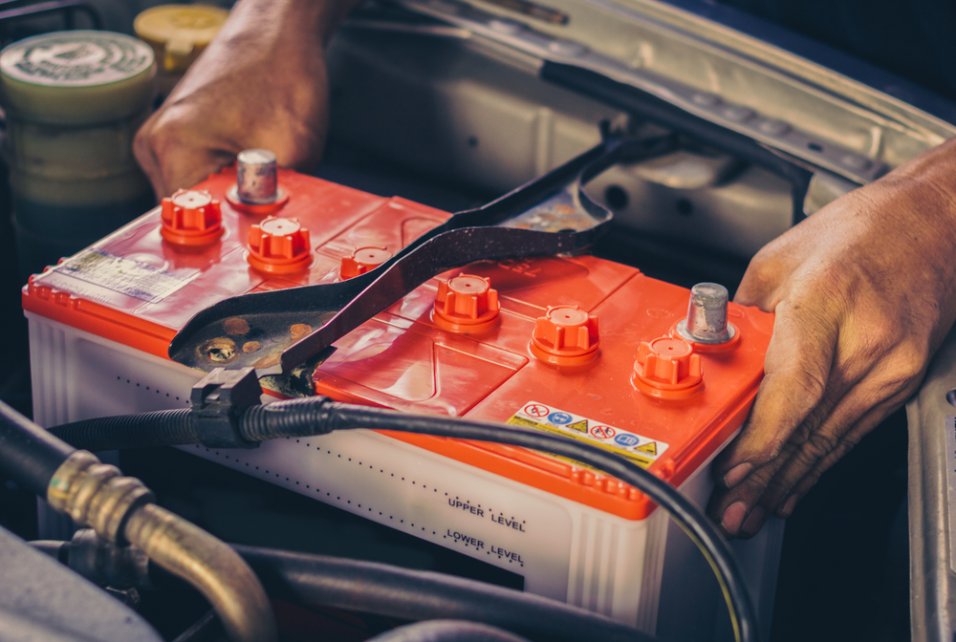
Most people with basic tools and a little patience can change their car’s battery. Here’s why:
- No need for advanced skills: You don’t need to be a mechanic.
- Saves money: Labor costs at a shop can be $30-$100 or more.
- Quick job: Most replacements take 15-30 minutes.
- No need for special equipment: Basic hand tools are usually enough.
However, some modern cars have special battery management systems or batteries in hard-to-reach places. For these cars, replacement is more complex and may need a professional.
When Should You Replace Your Car Battery?
Recognizing the signs of a failing battery is important. A weak battery can leave you stranded. Here are common symptoms:
- Slow engine crank: The engine turns over slowly when you start.
- Dim lights: Headlights and interior lights are not as bright.
- Clicking sounds: Clicking noise when you turn the key.
- Check engine or battery light: Warning lights appear on your dashboard.
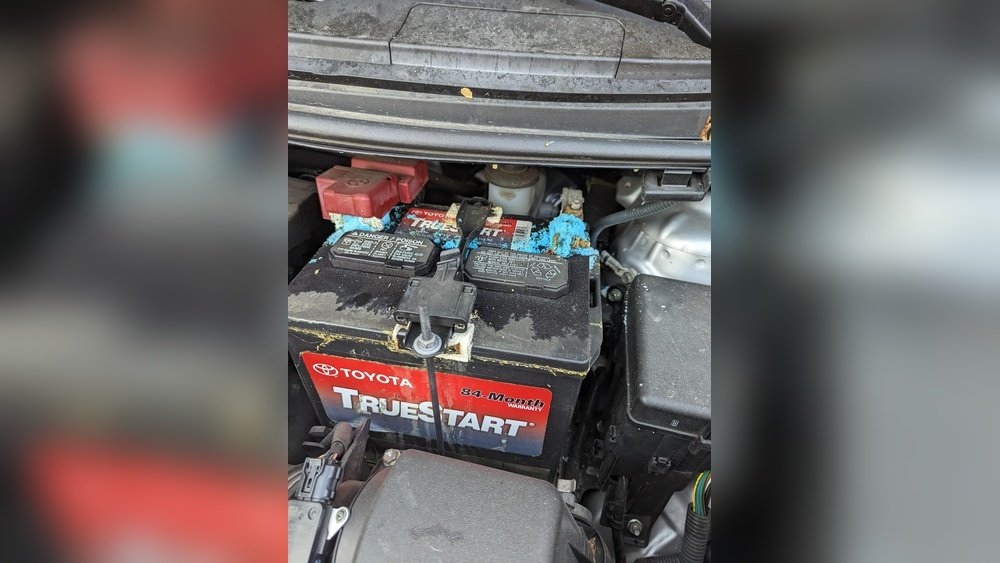
- Swollen battery case: The case looks bloated (often from heat).
- Old age: If the battery is over three years old, it’s at risk.
If you notice these signs, it’s time to test or replace your battery.
Tools And Materials Needed
You don’t need a lot of tools, but having the right ones makes the job easier and safer. Here’s what you’ll need:
- New car battery (correct size and type for your vehicle)
- Wrench or socket set (usually 8mm, 10mm, or 13mm)
- Gloves (protect hands from acid and dirt)
- Safety glasses
- Battery terminal puller (optional, for stuck terminals)
- Battery cleaning brush or wire brush
- Baking soda and water (for cleaning corrosion)
- Rags or paper towels
A basic tool kit is enough for most cars. For some European or luxury vehicles, you may need extra tools or knowledge about battery registration (see later section).
Safety Precautions Before Starting
Car batteries contain acid and produce flammable gases. It’s important to follow these safety tips:
- Work in a well-ventilated area (outside or open garage).
- Avoid smoking or open flames near the battery.
- Wear gloves and safety glasses at all times.
- Disconnect the negative terminal first (prevents short circuits).
- Do not let metal tools touch both battery terminals at once.
- If acid spills, neutralize with baking soda and water.
Never skip these steps—they prevent injuries and damage to your car.
Step-by-step Guide: How To Replace A Car Battery
If you want to replace your battery yourself, follow these steps. Most vehicles are similar, but always check your owner’s manual for special instructions.
1. Park And Prepare
- Park the car on a flat surface.
- Turn off the engine and remove the keys.
- Set the parking brake.
- Open the hood and locate the battery.
2. Identify Terminals
Most batteries have two terminals:
- Positive (+), usually red, sometimes marked “POS” or “P”.
- Negative (-), usually black, sometimes marked “NEG” or “N”.
3. Disconnect Cables
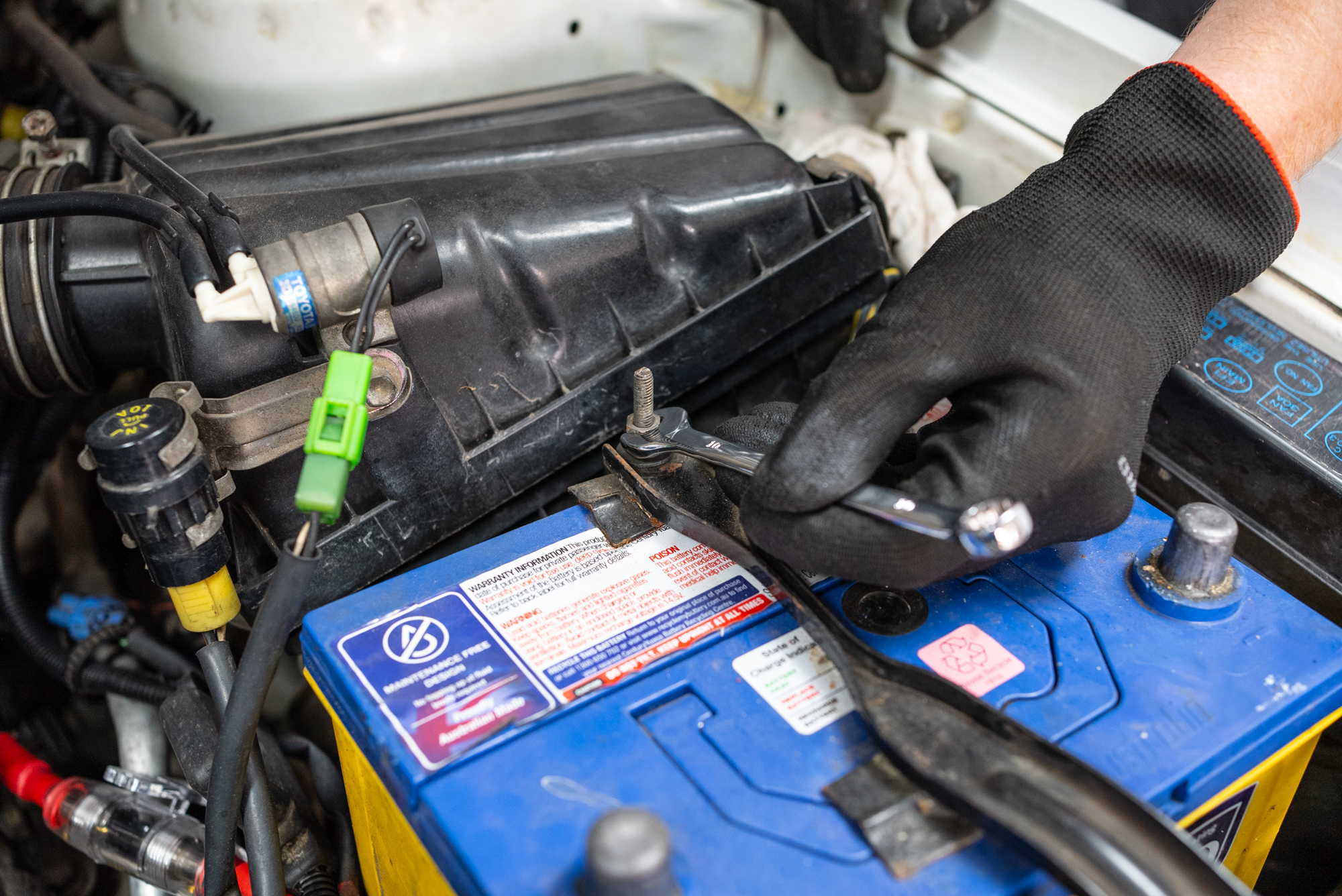
- Using a wrench, loosen the negative cable first and remove it. Tuck it away so it doesn’t touch the battery.
- Next, loosen and remove the positive cable.
Disconnecting the negative cable first is important to avoid sparks.
4. Remove The Old Battery
- Remove any clamps, brackets, or covers holding the battery in place.
- Carefully lift the battery out. Batteries are heavy—usually 30-50 pounds (13-23 kg). Use both hands.
5. Clean The Tray And Terminals
- Inspect the battery tray for dirt or corrosion.
- Mix baking soda with a little water to clean acid residue.
- Use a battery terminal brush or wire brush to clean the cable ends.
- Dry everything with a rag.
6. Install The New Battery
- Place the new battery in the tray, matching the positive and negative sides.
- Secure it with the bracket or clamp.
- Attach the positive cable first, then the negative cable.
- Tighten the connections—snug, not overtight.
7. Check And Finish
- Double-check all connections.
- Close any covers or shields.
- Start the engine to test the battery.
- Dispose of the old battery at a recycling center or auto parts store.
If your car has a battery sensor or vent tube, reconnect them as needed.
Special Considerations For Modern Cars
Some cars, especially those built after 2010, have complex electrical systems. These systems may need a battery with a sensor or require a battery registration process. Registration tells the car’s computer a new battery is installed. Skipping this step can cause electrical errors, warning lights, or even damage.
For example, BMW, Audi, and some Ford and Volkswagen models need battery registration. This usually requires a special tool or a visit to a mechanic. If your car has start-stop technology, it may need an AGM or EFB battery. Using the wrong battery can reduce performance and battery life.
Always check your owner’s manual or consult a trusted resource if your car is newer or has advanced features.
Comparing Diy Vs Professional Replacement
Is it always better to do it yourself? Here is a comparison to help you decide.
| Aspect | DIY | Professional |
|---|---|---|
| Cost | Only pay for battery | Battery + labor (often $30-$100 extra) |
| Time | 15-30 minutes | May need appointment/waiting |
| Convenience | At home, on your schedule | Shop location, shop hours |
| Tools needed | Basic hand tools | None (shop provides) |
| Complexity | Easy for most cars | Handled by professionals |
| Warranty | May need to register battery yourself | Shop handles warranty, registration |
| Error risk | Possible mistakes if not careful | Low risk of mistakes |
If you feel comfortable and your car does not require special procedures, DIY is a smart choice. For complex cars or when unsure, a professional is safer.
Common Mistakes To Avoid
Many first-timers make small errors when replacing a battery. Here’s what to avoid:
- Mixing up terminals: Connecting cables to the wrong terminals can cause major electrical damage.
- Skipping safety gear: Acid burns and sparks are real risks—always wear gloves and glasses.
- Dropping the battery: Batteries are heavy and can crack if dropped.
- Forgetting to secure the battery: A loose battery can move and cause short circuits.
- Ignoring battery registration: Some cars need the new battery “told” to the computer.
- Touching both terminals with a tool: This can cause sparks, burns, and damage.
- Not cleaning corrosion: Old corrosion can reduce power and cause future problems.
- Not recycling the old battery: Batteries are toxic—take them to a recycling center, not the trash.
How To Choose The Right Replacement Battery
Not all batteries are the same. Here’s what you need to check before buying:
- Size/group number: This refers to the battery’s physical dimensions and terminal location. Your owner’s manual or the old battery label will show the group number (like 24, 35, 48, etc).
- Cold Cranking Amps (CCA): This measures starting power in cold weather. Choose a battery with at least the CCA recommended for your car.
- Reserve Capacity (RC): This is how long the battery can run accessories if the alternator fails.
- Type (Flooded, AGM, EFB): Match your car’s needs. AGM and EFB are needed for cars with start-stop systems.
- Brand and warranty: Reputable brands and a good warranty mean reliability and peace of mind.
- Manufacture date: Fresher is better. Batteries lose power as they age, even if unused. Look for a battery made within the last six months.
Here’s a sample comparison of two batteries for a mid-size sedan:
| Feature | Battery A (Flooded) | Battery B (AGM) |
|---|---|---|
| Type | Flooded lead-acid | AGM |
| Cold Cranking Amps (CCA) | 600 | 700 |
| Reserve Capacity (min) | 90 | 120 |
| Warranty | 2 years | 3 years |
| Price | Lower | Higher |
| Fit for Start-Stop | No | Yes |
Choose based on your car’s needs and your budget.
What To Do After Installing A New Battery
Once you’ve put in the new battery, you’re almost done. But a few extra steps can help:
- Check that all electronics work: Test lights, radio, and windows.
- Reset the clock and radio presets: These often reset when power is lost.
- Drive the car: Let the alternator fully recharge the battery.
- Monitor for warning lights: If anything unusual appears, double-check the connections.
- Keep the purchase receipt and warranty: In case of future problems.
For cars with anti-theft radios, you may need a code to unlock the radio after disconnecting the battery. Keep this code handy.
How Long Does A Car Battery Last?
Most car batteries last 3 to 5 years. Life depends on climate, driving habits, and battery quality. Hot weather, short trips, and heavy accessory use can shorten battery life. If your battery is more than three years old, have it tested regularly.
Here’s an estimate of battery life by climate:
| Climate | Average Lifespan |
|---|---|
| Hot (above 32°C / 90°F) | 2-3 years |
| Moderate (15-30°C / 59-86°F) | 3-5 years |
| Cold (below 10°C / 50°F) | 4-6 years |
Regular battery checks are wise, especially before winter or long trips.

Practical Tips For First-time Battery Replacement
If this is your first time changing a battery, these tips can help:
- Take a photo of the battery and cables before removal for reference.
- Write down your radio presets and settings before disconnecting.
- If the cables are hard to remove, gently twist them—never use excessive force.
- Keep small parts (bolts, nuts) in a cup so you don’t lose them.
- If your car has a battery vent tube, don’t forget to reconnect it.
- If your battery is in the trunk or under a seat, check the manual for special steps.
One non-obvious trick: Some cars can lose power to computers when the battery is disconnected. You can use a memory saver (a small battery plugged into the OBD port or cigarette lighter) to keep memory alive while swapping batteries. This avoids resetting windows, seats, and radio codes.
When Should You Call A Professional?
While many can do the job at home, call a mechanic if:
- Your car has a battery sensor or needs registration.
- The battery is under the rear seat, behind a wheel, or otherwise hard to reach.
- The battery is leaking, cracked, or has unusual warning lights.
- You feel unsure or uncomfortable about any step.
There’s no shame in asking for help. It’s better to be safe than risk damaging your car or injuring yourself.
Environmental And Legal Considerations
Car batteries are toxic and must be recycled. In most places, it’s illegal to throw them in the trash. Take your old battery to an auto parts store, recycling center, or hazardous waste site. Many stores offer a core charge refund when you return the old battery.
Improper disposal can pollute water and soil and lead to fines. Always handle batteries with care and recycle responsibly.
Where To Find More Information
If you want to check the right battery size or type, consult your owner’s manual, the old battery label, or visit reputable car battery guides online. For reliable, detailed information about car batteries and recycling, the Battery Council International is a useful resource: Battery Council International.
Frequently Asked Questions
What Happens If I Connect The Battery Terminals Backwards?
Connecting the positive and negative cables to the wrong terminals can cause a dangerous short circuit. This may damage electronics, blow fuses, or even cause sparks and fire. Always double-check before attaching cables.
Do I Need To Program My Car After Battery Replacement?
Some newer cars require battery registration or a reset of certain systems (like power windows or radios). Many cars work fine after a simple battery swap, but check your owner’s manual. If in doubt, ask a professional.
How Do I Dispose Of My Old Car Battery?
Take your used battery to an auto parts store, recycling center, or hazardous waste facility. Never throw it in the trash. Many stores offer a small cash refund for returning the old battery.
Can I Use A Higher Cca Battery Than Recommended?
Using a battery with higher Cold Cranking Amps (CCA) is generally safe and can improve cold starting, but it must fit your car physically and electrically. Never use a battery with lower CCA than required.
What If My Car Doesn’t Start After Installing A New Battery?
Check that the battery terminals are clean and tightly connected. Make sure the battery is fully charged. If the car still won’t start, a fuse, starter, or alternator may be the problem—consider seeking professional help.
Replacing your own car battery is a practical, money-saving skill. With the right tools, safety steps, and a little patience, most drivers can do it themselves. Just remember to check your car’s requirements, be careful with connections, and always recycle the old battery.
If you ever feel unsure, getting help from a trusted mechanic is always a wise choice.