Can You Use A Charger For Agm Or Gel Batteries?
Batteries power so many things in our daily lives, from cars and boats to backup power systems and solar energy. But not all batteries are the same, and neither are the chargers. You might be wondering if you can use any charger for AGM (Absorbed Glass Mat) or gel batteries. The answer is not as simple as “yes” or “no.” The right charger can keep your battery healthy for years, while the wrong one can cause damage or even be dangerous.
Let’s take a deep look at how AGM and gel batteries work, what makes their charging needs unique, and what you must know before connecting a charger. By the end, you’ll understand the risks, the options, and how to make safe, smart choices for your battery investment.
How Agm And Gel Batteries Work
To know why the charger matters, it helps to understand how AGM and gel batteries are built and why they are different from regular batteries.
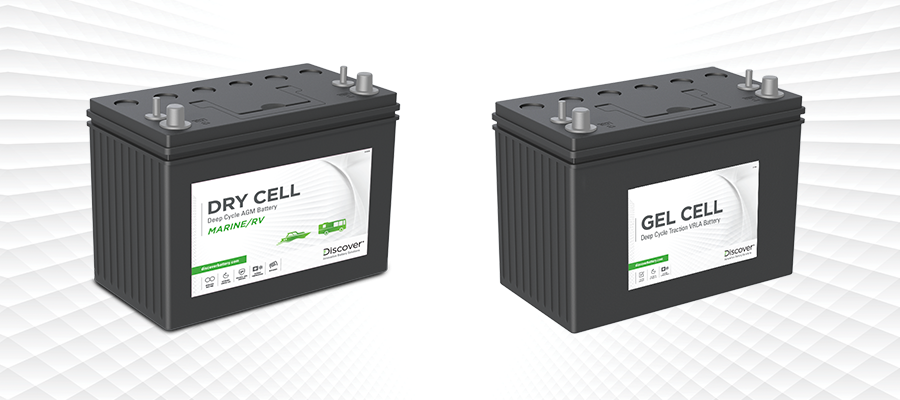
AGM and gel batteries are both types of valve-regulated lead-acid (VRLA) batteries. This means they are sealed, do not spill acid, and do not need to be refilled with water. However, their internal structure is different.
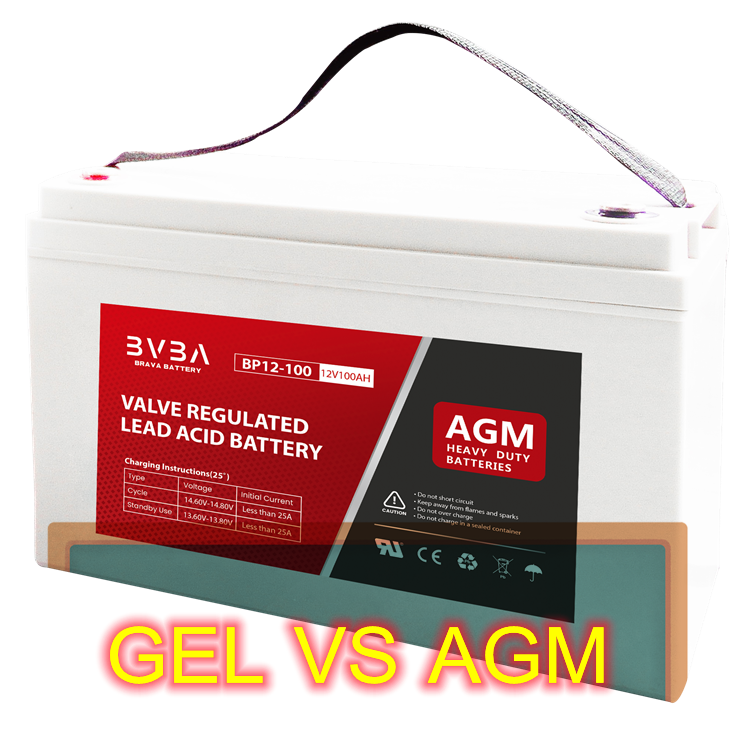
- AGM batteries use a very thin fiberglass mat to hold the battery acid. This mat keeps the acid close to the lead plates and makes the battery strong and resistant to vibration. AGM batteries are common in cars, motorcycles, and backup power systems.
- Gel batteries mix the battery acid with silica, turning it into a thick gel. This gel keeps the acid from moving and makes the battery very stable, even if it’s tipped over. Gel batteries are often used in wheelchairs, solar power, and sensitive electronics.
Both types are “sealed” and “maintenance-free,” but their charging needs are special.
Why Charging Agm And Gel Batteries Is Different
The big reason you can’t always use just any charger is because of how these batteries handle charging and overcharging.
- Traditional “wet” batteries can accept higher voltages and are less sensitive to charging mistakes.
- AGM and gel batteries are more sensitive. Too much voltage, or the wrong charging pattern, can cause damage.
Overcharging can cause:
- AGM batteries: Excessive heat, loss of water inside, and shorter life.
- Gel batteries: Gas bubbles form in the gel and create pockets that can never be fixed, lowering battery capacity for good.
Undercharging is also risky. If the charger is too weak or cuts off too early, the battery will slowly lose its ability to hold a charge.
What Makes A Charger “agm/gel Compatible”?
A charger for AGM or gel batteries must be able to:
- Control voltage carefully: Both battery types need lower charging voltages than standard flooded batteries.
- Adjust current: A proper charger reduces the current as the battery fills up.
- Switch to “float” mode: When the battery is full, the charger holds a low voltage so the battery stays healthy without overcharging.
Let’s compare the ideal voltage ranges for each battery type.
| Battery Type | Recommended Charging Voltage (Bulk/Absorption) | Float Voltage |
|---|---|---|
| AGM | 14.4V – 14.7V | 13.4V – 13.8V |
| Gel | 14.0V – 14.2V | 13.5V – 13.8V |
| Flooded (Standard) | 14.4V – 15.0V | 13.2V – 13.5V |
Notice that gel batteries need the lowest charging voltage. Even a bit too much can permanently damage them.
Types Of Chargers And Their Compatibility
Not all chargers work the same way. Here’s a look at the main types and whether they are safe for AGM or gel batteries.
1. Traditional Manual Chargers
These are simple, often cheap, and do not control voltage very precisely. They might just keep pumping power until you unplug them.
- Not safe for AGM or gel batteries. There’s a big risk of overcharging.
2. Automatic “smart” Chargers
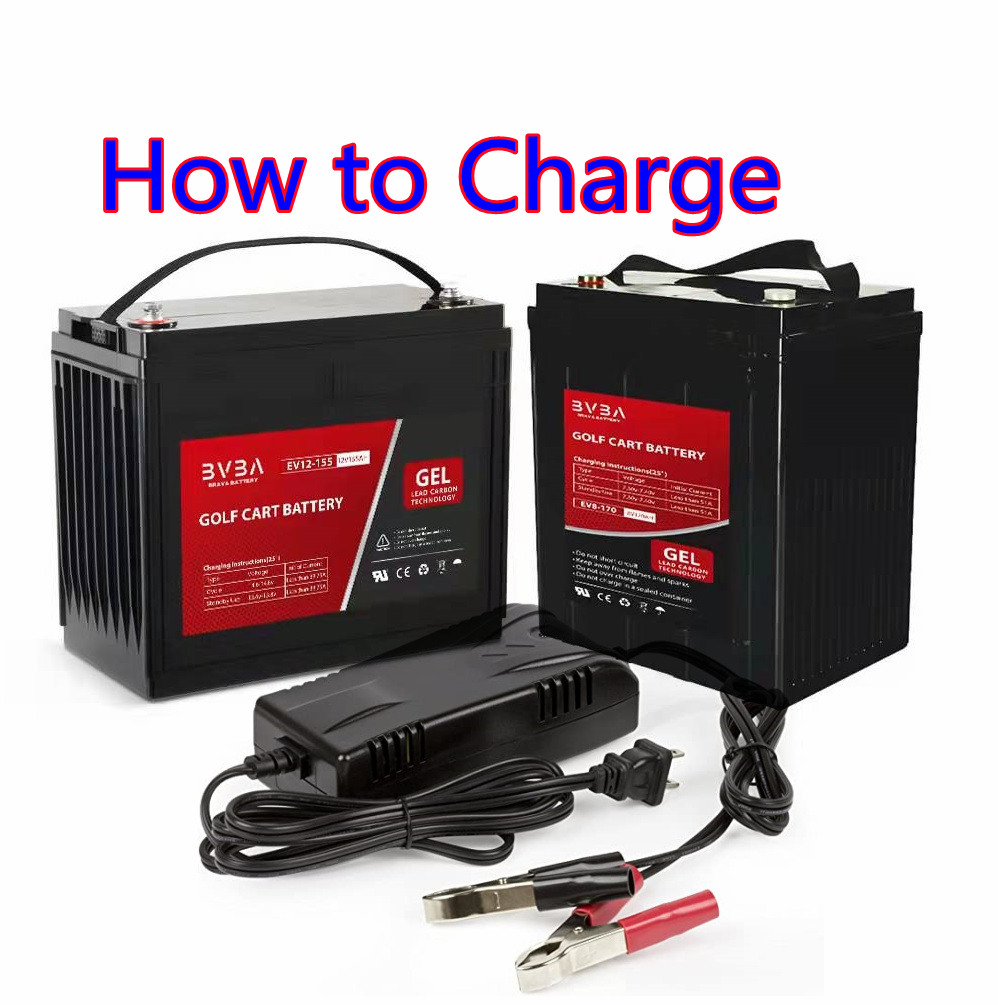
Smart chargers sense the battery’s charge level and automatically adjust voltage and current. Many have selectable modes for AGM, gel, or flooded batteries.
- Best option for AGM and gel batteries.
- Look for a charger that says “AGM” or “gel” compatible.
3. Multi-stage Chargers
These use several charging stages: bulk, absorption, and float. Each stage uses a different voltage and current.
- Safe for AGM and gel if the charger allows you to choose the correct mode or voltage.
4. Solar Charge Controllers
If you use solar panels, the charge controller manages how the battery is charged.
- Needs to be matched to your battery type.
- Many solar controllers have settings for AGM and gel.
5. Trickle Chargers
These deliver a slow, steady charge. They can be useful for long-term battery storage.
- Only safe if designed for AGM or gel. Many older trickle chargers are not.
Here’s a quick comparison:
| Charger Type | AGM Compatibility | Gel Compatibility | Notes |
|---|---|---|---|
| Manual Charger | No | No | Risk of overcharging |
| Smart/Automatic Charger | Yes | Yes | Choose correct mode |
| Multi-Stage Charger | Yes | Yes | Set correct voltage |
| Solar Controller | Yes | Yes | Match battery type |
| Basic Trickle Charger | Maybe | No | Check specifications |
What Happens If You Use The Wrong Charger?
Many people think, “It’s just a battery. Any charger will do. ” This mistake can be costly.
Overcharging
If you use a standard charger on an AGM or gel battery, you risk overcharging. For AGM, this means:
- Excess heat inside the battery
- Loss of water (which cannot be replaced in a sealed battery)
- Swelling or bulging
For gel batteries, high voltage can:
- Create gas bubbles in the gel
- Damage the internal structure forever
- Rapid loss of capacity
Undercharging
If the charger doesn’t reach the right voltage, the battery will never fully charge. This can result in:
- Shorter run time
- The battery “sulfates” inside, a problem that can’t be reversed
Reduced Battery Life
Both overcharging and undercharging mean your battery might only last a year or two, instead of the normal 5-10 years possible with proper care.
Safety Risks
In rare cases, a severely overcharged sealed battery can burst or leak. While they have safety valves, this is still a fire and chemical risk.
How To Choose The Right Charger For Agm Or Gel Batteries
Here’s how you can make a safe and smart choice:
- Check the battery label: It will say if it’s AGM or gel. This is critical.
- Look for charger modes: The charger should have a button, dial, or setting for AGM and/or gel. Some chargers have a “sealed” battery option, which often covers both.
- Match the voltage: Use the chart earlier. For gel, be extra careful not to go over 14.2V.
- Size the charger correctly: A charger that’s too powerful can cause overheating. A good rule is to choose a charger rated at 10% of your battery’s amp-hour (Ah) rating. For example, a 100Ah battery should use a charger of 10A maximum.
- Read the manual: Even chargers that say “AGM/gel compatible” may have small differences. Always check the instructions.
- Ask the battery maker: If in doubt, check the battery brand’s website for recommended chargers.
Real-world Examples
Example 1: Car Or Motorcycle Agm Battery
Many motorcycles, sports cars, and newer cars use AGM batteries. If you use a standard old-fashioned charger, you might not notice a problem right away, but after a few months, the battery may not start your vehicle. A smart charger with an “AGM” setting can help your battery last years longer.
Example 2: Solar Off-grid System With Gel Batteries
Gel batteries are common in solar setups because they are stable and safe. But solar charge controllers must be set to the correct charging profile. If you use the “flooded” battery setting instead of “gel,” you can reduce the battery’s life by 50% or more.
Example 3: Mobility Scooter With Gel Battery
Many mobility scooters use gel batteries. Using a cheap, fast charger can destroy the battery in weeks. A charger rated for gel batteries will charge slowly and safely, ensuring maximum lifespan.
Practical Insights Most Beginners Miss
Many people new to AGM and gel batteries overlook some practical details that can make a big difference.
1. Temperature Matters
Charging voltage should be lower in hot environments and higher in cold environments. Most smart chargers adjust for temperature, but some do not. Charging a gel battery in a hot garage with a non-temperature-adjusted charger can cause overcharging, even if the voltage looks correct.
2. Float Charging Is Essential
AGM and gel batteries last longer if kept at a “float” voltage once full. This keeps them topped up without overcharging. Chargers that shut off completely after charging often let the battery slowly discharge, which is not ideal for standby or backup applications.
3. All-charger Claims Are Risky
Some chargers claim to work for “all battery types. ” If they do not let you select AGM or gel mode, or do not show the voltage, be cautious. Always check the specs.
4. Battery Age Changes Charging
As batteries age, their internal resistance goes up. This means a charger that worked fine when the battery was new might start to overcharge or undercharge an older battery. This is another reason to use a charger with smart sensing.
5. Labels Can Be Confusing
Some batteries are labeled “sealed lead acid (SLA)” but are actually AGM or gel inside. Check the manufacturer’s website or documentation if you are not sure.
Common Mistakes To Avoid
It’s easy to make charging mistakes with AGM and gel batteries, but knowing these can save you money and hassle.
- Using a “fast” charger: Quick charging creates heat and can damage the battery.
- Leaving a manual charger connected: Without automatic shutoff, this can ruin a battery overnight.
- Mixing battery types on the same charger: If you connect both a flooded and a gel battery, one will be charged incorrectly.
- Ignoring charger settings: Accidentally leaving the charger on the “flooded” setting is a common and costly mistake.
- Not monitoring the charging process: Even with a smart charger, check the battery every few hours, especially the first few times you use a new charger.
How To Tell If Your Charger Is Safe For Agm Or Gel Batteries
If you’re not sure if your charger is safe, here’s a checklist:
- Does the charger mention AGM or gel on the box or in the manual?
- Does it have selectable charging modes?
- Does it show or let you set the charging voltage?
- Does it have automatic shutoff or float mode?
- Is the maximum output current less than 20% of your battery’s Ah rating?
If the answer is “no” to any of these, it’s better to buy a new charger.
Choosing Between Agm And Gel Batteries
Sometimes, people want to know which battery is better. The answer depends on your needs.
| Feature | AGM | Gel |
|---|---|---|
| Cost | Usually lower | Usually higher |
| Vibration Resistance | Excellent | Very good |
| Deep Cycling | Good | Excellent |
| Charge Rate Tolerance | Faster | Slow only |
| Temperature Range | Wide | Narrow |
| Best For | Cars, boats, backup power | Solar, sensitive electronics |
AGM batteries can handle higher charge rates, making them good for vehicles. Gel batteries are better for deep discharge and sensitive electronics but must be charged slowly and carefully.
What To Do If You Used The Wrong Charger
If you have already used a standard charger on an AGM or gel battery, it’s not always the end of the world. Here’s what to do:
- Check for swelling or leaks: If the battery looks swollen, warm, or has liquid on the outside, replace it.
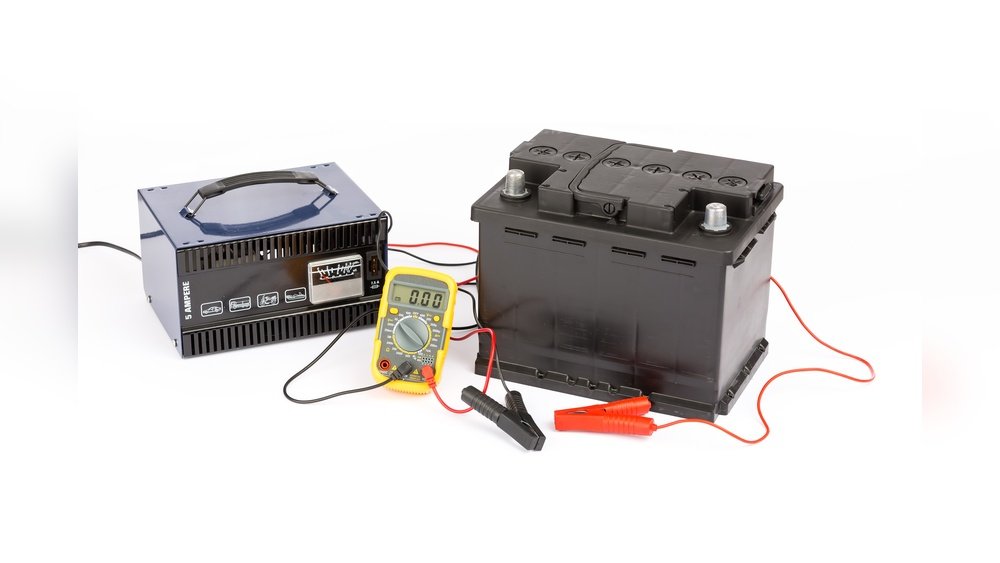
- Test the voltage: Use a voltmeter. If the battery reads much higher than normal (e.g., over 15V for a 12V battery), it may be damaged.
- Try a smart charger: Sometimes, switching to a proper charger can restore some capacity if the damage isn’t too severe.
- Monitor performance: If the battery loses charge quickly, it’s likely damaged.
Remember, safety comes first. Never use a damaged battery.
Where To Find Compatible Chargers
Most major battery and charger brands offer models for AGM and gel batteries. Some trusted names include:
- NOCO Genius
- CTEK
- Schumacher
- Battery Tender
Always buy from reputable dealers. Cheap, no-name chargers often do not have proper voltage control.
For more technical details about charging profiles, you can check the official Wikipedia guide on VRLA batteries.
Frequently Asked Questions
Can I Use A Car Battery Charger For Agm Or Gel Batteries?
Most standard car battery chargers are designed for flooded lead-acid batteries, not AGM or gel. Unless the charger says it is AGM or gel compatible, you should not use it. The wrong charger can overcharge and damage your battery.
What Happens If I Charge A Gel Battery With An Agm Setting?
Gel batteries require lower charging voltage than AGM. If you use the AGM setting, you might overcharge the gel battery, causing gas bubbles in the gel and permanent capacity loss. Always use the correct setting.
How Do I Know If My Charger Has “float” Mode?
Check the charger’s manual or specifications. “Float” mode is when the charger keeps the battery at a safe, low voltage after it is full. Many smart chargers and all good AGM/gel chargers have this feature.
Can I Use One Charger For Both Agm And Gel Batteries?
Yes, but only if the charger has selectable settings for AGM and gel. Never use a single-mode charger for both types, as their voltage needs are different.
How Long Does It Take To Charge An Agm Or Gel Battery?
Charging time depends on the battery size and charger output. As a rule, divide the battery’s Ah rating by the charger’s amp rating. For example, a 100Ah battery with a 10A charger takes about 10 hours. Gel batteries must be charged slowly, so avoid high-output chargers.
Caring for AGM and gel batteries is about using the right tools and understanding their unique needs. With the correct charger and a little attention, your batteries will deliver reliable power for years to come.