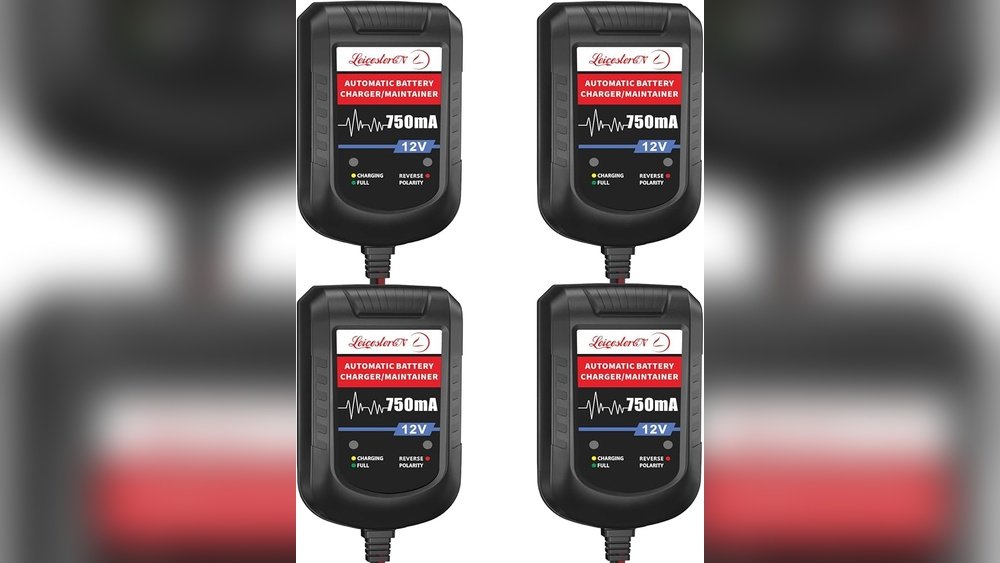
Many people believe that a car battery charger is a universal tool. You plug it into any battery, and it works. But is that really true? In fact, the answer is more complex. Batteries come in many types, sizes, and chemistries.
Using the wrong charger can damage your battery, reduce its lifespan, or even create safety risks. In this article, you will discover how car battery chargers interact with different battery types, what really matters when choosing a charger, and how to avoid expensive mistakes.
Whether you’re a car owner, mechanic, or just curious, understanding these details can help you save time, money, and trouble.
Understanding Car Battery Types
Before discussing chargers, it’s important to know the main battery types used in vehicles and other applications. Batteries are not all the same. They differ by chemistry, voltage, and design. The most common types include:
- Lead-Acid Batteries: These are the standard for most cars and trucks. They are affordable and reliable. There are two main subtypes:
- Flooded (Wet Cell): Contains liquid electrolyte.
- Sealed (AGM and Gel): The electrolyte is absorbed or gelled, making them spill-proof.
- Lithium-Ion Batteries: Increasingly popular in electric cars and motorcycles. They are lighter, have higher energy density, and last longer.
- Nickel-Metal Hydride (NiMH): Often found in hybrid vehicles. They offer good performance and are more environmentally friendly than older nickel-cadmium batteries.
- Calcium Batteries: A variation of lead-acid, with calcium added for reduced water loss.
- Deep Cycle Batteries: Designed to discharge more deeply. Used in boats, RVs, and golf carts.
- Enhanced Flooded Batteries (EFB): Used in modern start-stop vehicles for improved durability and performance.
- Gel Cell Batteries: A type of sealed lead-acid battery where the electrolyte is gelled.
Each type has different charging needs. Using the wrong method can cause damage or safety issues.
How Car Battery Chargers Work
A car battery charger delivers electrical current to a battery, restoring its energy. Chargers come in different designs and strengths. Here’s how they work:
- Basic chargers supply a constant voltage or current. They are simple and cheap, but can overcharge or undercharge if not monitored.
- Smart chargers use microprocessors to adjust the charge. They can detect battery type, charge level, and temperature. This prevents overcharging and helps extend battery life.
- Trickle chargers provide a very low current to maintain the charge over long periods, ideal for seasonal vehicles.
- Jump starters are not chargers. They give a short, strong burst to start a car, but do not recharge the battery.
Knowing the difference is key to safe and effective battery care.

Compatibility: Can Car Battery Chargers Work On All Battery Types?
The short answer is no, not all car battery chargers work on all battery types. Here’s why:
Voltage Differences
Most car batteries are 12 volts. However, some vehicles use 6V or 24V batteries. Using a charger with the wrong voltage setting can cause:
- Undercharging (battery never reaches full power)
- Overcharging (battery overheats, leaks, or explodes)
Always match the charger voltage to the battery.
Chemistry Matters
The chemical composition of a battery changes how it should be charged. For example:
- Lead-acid chargers often use a three-stage process (bulk, absorption, float).
- Lithium-ion batteries need careful voltage control, and overcharging can cause fires.
- NiMH batteries require a different charging profile.
A charger made for one chemistry can damage another. For example, using a lead-acid charger on a lithium-ion battery may cause overheating.
Smart Chargers And Universal Compatibility
Some smart chargers claim to work with multiple battery types. They use microchips to detect the battery’s needs and adjust the charge. However, even smart chargers have limits:
- Not all recognize every chemistry or voltage.
- Some require manual settings.
- Low-quality “universal” chargers may not be safe for all batteries.
Always check the charger’s manual to see which batteries it supports.
Connector Differences
Different batteries use different terminal types: clamps, posts, bolt-ons, or plug connectors. The charger must physically connect to the battery safely. For example, using large alligator clips on a small motorcycle battery can cause sparks or damage.
Temperature Sensitivity
Some battery types (like lithium-ion) are sensitive to charging temperature. Good chargers have temperature sensors to prevent overheating. Basic chargers may not, risking battery damage.
Age And Condition
Old or damaged batteries may react unpredictably. Some smart chargers can detect “dead” batteries and attempt to revive them, but this is not always successful.
Common Battery Types And Charger Compatibility
Let’s look at how different battery types interact with car battery chargers.
Lead-acid Batteries
These are the most common vehicle batteries. Most standard chargers are made for lead-acid.
- Flooded (Wet Cell): Basic chargers work, but smart chargers are better for long-term health.
- AGM and Gel: Require lower charging voltages to avoid gassing or drying out. Use a charger with an AGM/Gel mode.
Lithium-ion Batteries
Standard car battery chargers are usually not compatible with lithium-ion.
- Lithium-ion needs a specific charge profile and voltage cut-off.
- Overcharging can cause thermal runaway (fire risk).
- Use only chargers designed for lithium-ion chemistry.
Nimh Batteries
Rare in cars except for hybrids. NiMH has unique charging needs:
- Standard car battery chargers will not work.
- NiMH requires a constant current/voltage and special cut-off detection.
- Use a charger made for NiMH.
Calcium Batteries
Calcium batteries are a type of lead-acid, but need a higher charge voltage (up to 16V for full charge).
- Not all chargers can reach this voltage.
- Use a charger with a calcium mode for best results.
Deep Cycle Batteries
Often used in RVs, boats, and golf carts.
- Need a charger that supports deep discharge recovery.
- Smart chargers with deep cycle mode are best.
Enhanced Flooded Batteries (efb)
Used in modern start-stop vehicles.
- Require a charger compatible with EFB settings.
- Smart chargers often support EFB.
Gel Cell Batteries
Very sensitive to overcharging.
- Need a low current, controlled voltage charger.
- Use a charger with a gel setting.
Comparison: Common Battery Types Vs. Charger Compatibility
Here’s a quick reference for which chargers work with which battery types.
| Battery Type | Standard Charger | Smart Charger | Special Requirements |
|---|---|---|---|
| Flooded Lead-Acid | Yes | Yes | None |
| AGM Lead-Acid | Sometimes | Yes | AGM Mode |
| Gel Cell | No | Yes | Gel Mode |
| Lithium-Ion | No | Sometimes | Lithium Mode |
| NiMH | No | No | NiMH Charger Only |
| Calcium | Sometimes | Yes | High Voltage Mode |
| Deep Cycle | Sometimes | Yes | Deep Cycle Mode |
| EFB | No | Yes | EFB Mode |
What Really Matters When Choosing A Charger
Not all chargers are equal. Here’s what to consider:
- Battery Chemistry: Make sure the charger matches the battery type (lead-acid, AGM, gel, lithium, etc. ).
- Voltage: Check that the charger supports your battery’s voltage (6V, 12V, 24V).
- Amperage: Higher amp chargers charge faster, but can overheat small batteries. Choose an amp rating suitable for your battery size.
- Smart Features: Features like automatic shut-off, temperature compensation, and battery type selection help prevent mistakes.
- Safety Protections: Look for reverse polarity protection, short-circuit protection, and spark-proof design.
- Reputation and Certification: Choose well-known brands with safety certifications.
Many beginners think all 12V chargers are the same, but chemistry and features matter as much as voltage.
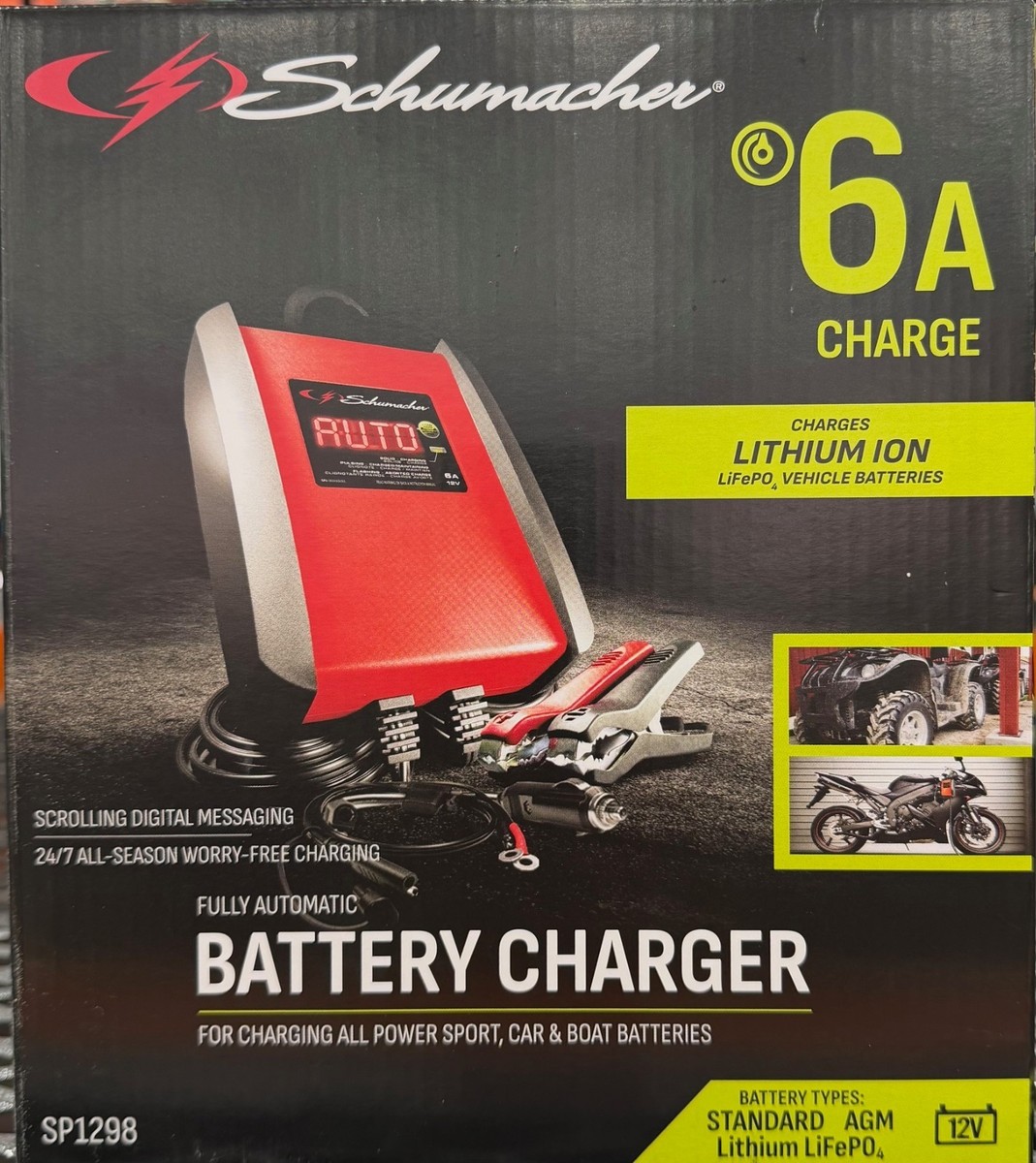
Step-by-step: How To Safely Use A Car Battery Charger
Charging a battery seems simple, but mistakes are common. Here’s how to do it safely:
- Identify the Battery Type: Check your owner’s manual or battery label.
- Read the Charger Manual: Make sure your charger supports the battery chemistry and voltage.
- Inspect the Battery: Look for cracks, leaks, or corrosion. Do not charge damaged batteries.
- Connect the Charger: Attach the positive (red) clamp to the battery’s positive terminal, then the negative (black) to the negative terminal or chassis ground.
- Select the Correct Setting: Choose the right mode (AGM, gel, lithium, etc.) If your charger has options.
- Start Charging: Plug in and turn on the charger. Watch for warning lights or error codes.
- Monitor Progress: Smart chargers will stop automatically. With basic chargers, check voltage and temperature regularly.
- Finish and Disconnect: Turn off the charger before removing clamps. Remove the negative first, then positive.
A common mistake is using a standard charger on a sealed or lithium battery, which can cause overheating or even fire.
Real-world Examples: What Can Go Wrong
Understanding compatibility is not just theory. Here are examples of what can happen:
- Overcharging an AGM Battery: A regular charger without AGM mode can dry out the electrolyte, reducing battery life by 50% or more.
- Using a Lead-Acid Charger on Lithium-Ion: This can cause dangerous swelling, leaks, or fires.
- Charging at Wrong Voltage: Using a 24V charger on a 12V battery can destroy the battery in minutes.
- Neglecting Temperature: Charging a battery in freezing conditions with the wrong charger can cause internal damage.
These examples show why using the right charger for the right battery is critical.

The Role Of “universal” Car Battery Chargers
Some chargers claim to be universal. They often promise to charge every battery type and size. Are they as good as they sound?
- Most “universal” chargers are smart chargers with programmable modes.
- High-quality models can safely charge lead-acid, AGM, gel, and sometimes lithium batteries.
- However, universal does not mean all. Some battery types (like NiMH or specialty industrial batteries) are still not supported.
- Cheap universal chargers may lack safety features or real compatibility.
Always check the manufacturer’s specifications and reviews before trusting a universal charger with an expensive battery.
Data Table: Typical Charging Voltages And Currents
Here are typical voltage and current settings for different battery types:
| Battery Type | Recommended Charge Voltage (per cell) | Typical Charge Current (C-rate) |
|---|---|---|
| Flooded Lead-Acid | 2.4V–2.45V | 0.1C–0.3C |
| AGM Lead-Acid | 2.35V–2.4V | 0.1C–0.2C |
| Gel Cell | 2.3V–2.35V | 0.05C–0.1C |
| Lithium-Ion | 4.2V | 0.5C–1.0C |
| NiMH | 1.45V | 0.1C–1.0C |
| Calcium | 2.5V–2.6V | 0.1C–0.3C |
*Note: C-rate is the current relative to battery capacity (e.g., 0.1C for a 50Ah battery = 5A charging current).*
Practical Tips For Battery Charger Use
- Label Your Batteries: If you use more than one type, label them to avoid mix-ups.
- Store Manuals: Keep charger and battery manuals for reference.
- Charge in a Safe Area: Avoid sparks, heat, or open flames.
- Check for Updates: Some smart chargers can update firmware for improved compatibility.
- Charge Regularly: Don’t let batteries sit discharged for long periods.
- Don’t Assume: Never assume compatibility without checking the specifications.
One insight many beginners miss: battery chargers are not “one size fits all.” Even if a charger physically fits, the internal settings must be correct for safe charging.
The Environmental Side Of Battery Charging
Using the correct charger not only protects your battery, it also helps the environment. Here’s how:
- Longer Battery Life: Proper charging reduces waste, as batteries last longer and need less frequent replacement.
- Prevents Pollution: Overcharged or damaged batteries can leak acid or chemicals, harming soil and water.
- Energy Efficiency: Smart chargers use less electricity and avoid unnecessary charging.
If you want to learn more about battery recycling and the environmental impact, check resources like the Wikipedia Battery Recycling page.
Comparison Table: Basic Vs. Smart Chargers
To help you decide which charger is best for your needs, here’s a comparison:
| Feature | Basic Charger | Smart Charger |
|---|---|---|
| Supported Battery Types | Mainly lead-acid | Lead-acid, AGM, gel, lithium (varies) |
| Automatic Shut-off | No | Yes |
| Charge Monitoring | Manual | Automatic |
| Safety Features | Few | Many (temp, reverse polarity, etc.) |
| Price | Low | Medium–High |
| Battery Health | May reduce life if used wrong | Extends battery life |
What Beginners Often Miss
Here are two non-obvious facts many people overlook:
- Smart chargers are not always foolproof. If you set the wrong mode manually, even a smart charger can damage your battery. Always double-check your settings.
- Batteries can look similar but have very different needs. For example, AGM, gel, and flooded lead-acid all look like “12V” batteries, but require different charging voltages and currents.
It pays to be careful and informed.
Frequently Asked Questions
Can I Use A Car Battery Charger On A Motorcycle Or Boat Battery?
Sometimes, but you must check voltage and chemistry. Many motorcycle and boat batteries are smaller and may use AGM or gel designs. Using a high-amp car charger can overheat or damage these batteries. Choose a charger with an adjustable amp setting and the correct mode for your battery type.
Will A Car Battery Charger Work On A Lithium-ion Battery?
Most car battery chargers are not compatible with lithium-ion batteries. Lithium-ion batteries need a specific charge profile and voltage cut-off. Using a standard charger can cause overheating, swelling, or fire. Only use a charger designed for lithium-ion batteries.
How Do I Know If My Charger Is Compatible With My Battery?
Check both your charger’s manual and your battery label. Look for matching voltage (e. g. , 12V), chemistry support (lead-acid, AGM, lithium, etc. ), and any special modes. If in doubt, contact the manufacturer or seek advice from a professional.
What Happens If I Use The Wrong Charger?
Using the wrong charger can cause several problems:
- Overcharging (leads to leaks, swelling, or fire)
- Undercharging (battery never fully charges)
- Reduced battery life
- Safety risks (explosion, acid leaks)
Always check compatibility before connecting a charger.
Can A Smart Charger Revive A Dead Battery?
Some smart chargers have a “recovery” or “desulfation” mode. These can sometimes bring a deeply discharged lead-acid battery back to life. However, if the battery is old or physically damaged, even the best charger may not help. It’s worth trying, but there are no guarantees.
Final Thoughts
Car battery chargers are powerful tools, but they are not universal. Each battery type—lead-acid, AGM, gel, lithium, or NiMH—has its own needs. The right charger can extend battery life, improve safety, and save you money. The wrong charger can do the opposite.
Always check your battery and charger specifications, use the correct settings, and invest in quality equipment. Taking a few minutes to confirm compatibility can prevent a lot of headaches—and keep your vehicle running smoothly for years to come.