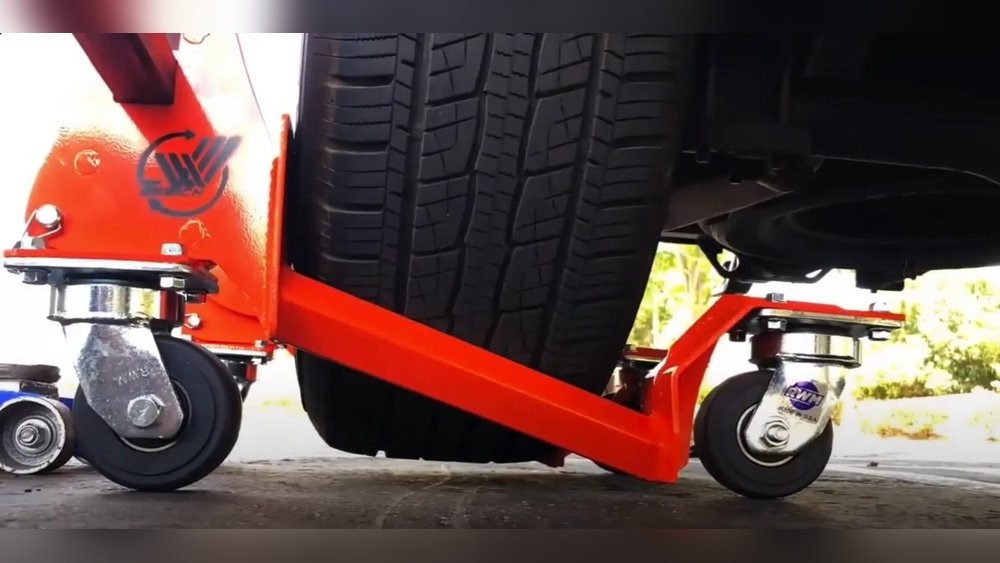
Are you wondering if using car dollies could harm your tires? You’re not alone.
Many car owners ask this question because keeping your tires in good shape is crucial. Tires are expensive, and any damage can lead to costly repairs or replacements. But how can you be sure that dollies won’t cause wear or even ruin your tires?
You’ll discover the truth about car dollies and tire damage. By the end, you’ll know exactly what to watch out for and how to protect your tires every time you use dollies. Keep reading to avoid common mistakes that could cost you more than you expect.

How Car Dollies Work
Car dollies help move vehicles by lifting and supporting wheels off the ground. They are tools that make towing or transporting cars easier. The dollies carry the weight and allow smooth movement without dragging tires directly on the road.
Using car dollies reduces tire wear and prevents damage during transport. They come in different styles to fit various needs. Understanding how they work helps avoid damage and ensures safe car handling.
Types Of Car Dollies
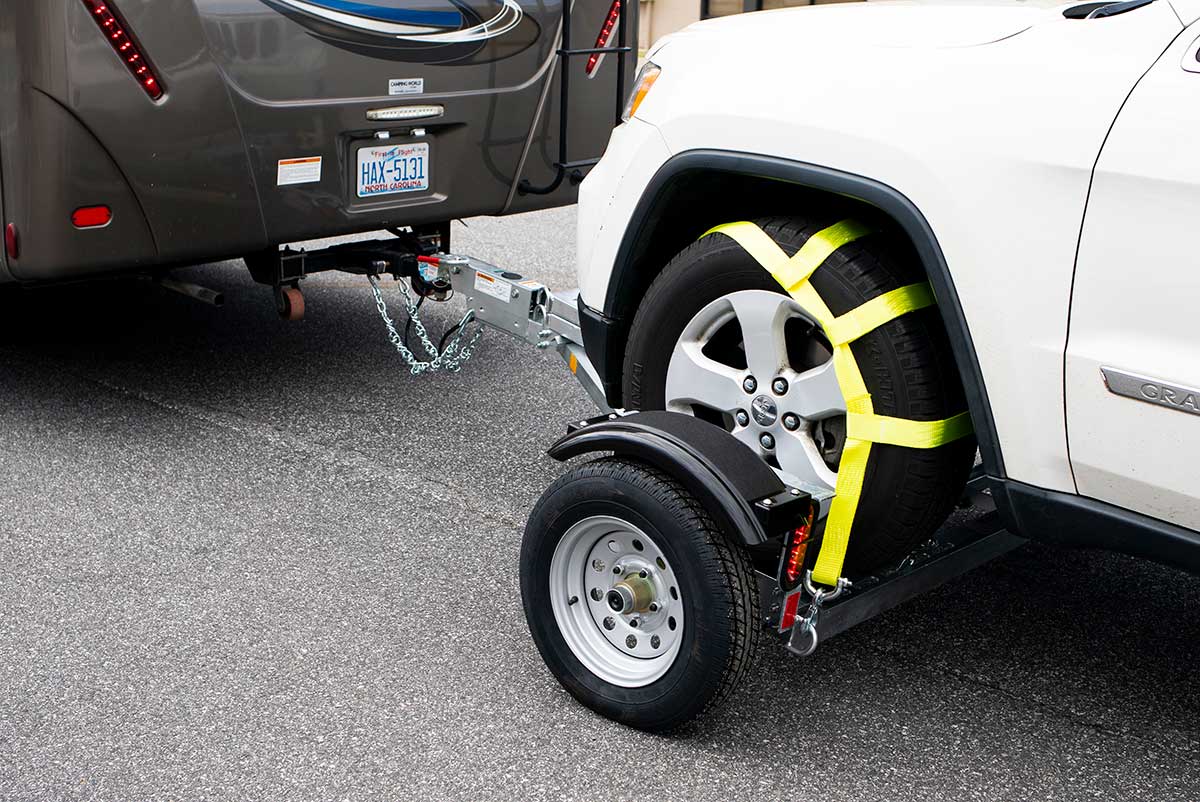
There are two main types of car dollies: tow dollies and wheel dollies. Tow dollies lift the front wheels off the ground. The rear wheels stay on the road and roll freely. This method works well for front-wheel-drive vehicles.
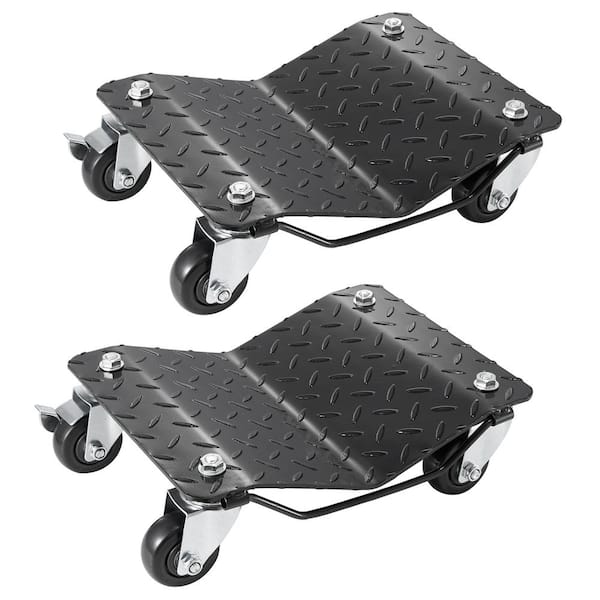
Wheel dollies lift all four wheels off the ground. Each wheel sits on a small platform with its own set of wheels. This design allows the car to move in any direction. It is useful for moving cars in tight spaces or for repairs.
Purpose And Usage
Car dollies make moving vehicles easier and safer. Tow dollies are used to tow cars behind another vehicle. They help avoid tire wear on the towed car. Wheel dollies assist in moving cars inside garages or shops.
Dollies reduce stress on tires and suspension during transport. They prevent tires from dragging on rough surfaces. Proper use of dollies keeps tires and wheels safe from damage.
Potential Tire Damage Risks
Using car dollies can put stress on your tires. Understanding the potential tire damage risks helps you protect your vehicle. Tires are designed to carry weight evenly across their surface. Car dollies change how this weight spreads, which may cause problems. Knowing these risks lets you take steps to avoid damage.
Pressure Points And Load Distribution
Car dollies support the tires at specific points. This creates pressure spots on the tire surface. The weight does not spread evenly as it does on the road. These pressure points can cause tire wear in small areas. Over time, this uneven load harms the tire structure. Tires may develop flat spots or weak areas from this pressure.
Effects Of Extended Use
Keeping tires on dollies for a long time adds risk. Tires can lose their shape under constant pressure. The rubber may harden or crack from lack of movement. Extended use can cause flat spots that affect driving. Tires may also wear unevenly, reducing their lifespan. Moving the vehicle occasionally helps reduce these effects.
Factors Affecting Tire Safety
Tire safety depends on many factors when using car dollies. These factors can affect how tires wear out or get damaged. Understanding them helps protect your tires during transport. Proper care and setup reduce risks and extend tire life.
Tire Condition And Type
Tires in good shape handle dollies better. Old or worn tires have weaker sidewalls. Soft tires may deform under pressure, causing damage. Harder tires resist wear and keep shape. Check tire pressure before loading on a dolly. Proper inflation prevents excessive stress and heat buildup.
Proper Dolly Setup
Correct dolly setup spreads weight evenly on tires. Misaligned dollies put pressure on one side. This causes uneven tire wear or damage. Secure dollies firmly to avoid shifting during transport. Use dollies designed for your vehicle’s size and weight. Proper setup reduces tire stress and keeps them safe.
Preventing Tire Damage
Preventing tire damage is important when using car dollies. Proper care helps tires last longer and avoid costly repairs. Simple steps can keep tires safe and in good shape during transport.
Correct Inflation Levels
Check tire pressure before loading the car on dollies. Tires need the right air pressure to avoid damage. Too much or too little air can cause uneven wear or blowouts. Use a reliable gauge to measure pressure. Inflate tires to the manufacturer’s recommended levels. This keeps tires firm and stable while moving.
Regular Inspection And Maintenance
Look at tires often for signs of damage or wear. Check for cracks, bulges, or worn treads. Clean tires to remove dirt and debris. Tighten lug nuts to keep wheels secure. Fix any issues before placing the car on dollies. Regular care reduces the risk of tire problems during transport.
Expert Opinions On Tire Impact
Experts share varied views on whether car dollies harm tires. Their opinions help car owners make smart choices. Understanding these insights clarifies the risks and safety of using dollies.
Mechanic Insights
Mechanics say tire damage depends on the dolly type. Some dollies keep tires off the ground, causing no harm. Others drag tires on the road, which may cause wear.
Proper use matters a lot. If the dolly is used correctly, tire damage is rare. Mechanics advise checking tire pressure before using dollies. Low pressure can cause tire stress and damage.
User Experiences
Many drivers report no tire problems after using car dollies. They say dollies help move cars safely without tire wear. Users suggest regular tire checks after towing or moving cars.
Some users notice slight tire wear after long distances on dollies. They recommend limiting dolly use to short moves. Proper tire maintenance before and after dolly use helps extend tire life.
Alternatives To Car Dollies
Car dollies help move vehicles but can sometimes cause tire damage. Choosing the right alternative protects your tires and vehicle. Here are two popular options that keep tires safe and make towing easier.
Flatbed Trailers
Flatbed trailers carry the whole car off the ground. This stops any tire wear or damage during transport. Your vehicle’s tires stay clean and safe. Flatbed trailers also reduce stress on the car’s suspension. They are ideal for long distances or delicate cars. The trailer supports the entire vehicle weight evenly. It is a secure and tire-friendly towing choice.
Tow Bars
Tow bars connect your car to another vehicle for flat towing. All four wheels stay on the road and roll naturally. This method avoids dragging tires on dollies. Tow bars keep tires spinning, which prevents flat spots. They are simple to use and remove. Tow bars work best for cars that allow flat towing. They provide a safe and gentle way to move your vehicle.
Frequently Asked Questions
Do Car Dollies Cause Tire Wear?
Car dollies can cause tire wear if used improperly. Proper inflation and alignment reduce damage. Avoid sharp turns and excessive speed to protect tires during towing.
Can Car Dollies Lead To Tire Flat Spots?
Yes, tires can develop flat spots if a car sits on dollies for long. Regular movement and proper tire pressure help prevent this issue.
Are All Tires Safe On Car Dollies?
Most tires are safe on car dollies if properly inflated. Avoid using worn or damaged tires to prevent further damage during towing.
How To Minimize Tire Damage With Car Dollies?
Maintain correct tire pressure and check alignment regularly. Use dollies designed for your vehicle’s weight and avoid prolonged stationary periods.
Conclusion
Car dollies can cause tire damage if used incorrectly. Proper placement and careful driving help protect tires. Regular tire checks ensure early problem detection. Choose quality dollies that fit your car’s tires well. Keep tire pressure at recommended levels for safety.
Using dollies wisely prevents unnecessary wear and tear. Tires stay safer with good maintenance habits. Protect your investment by handling dollies with care. Safe towing means less tire damage and fewer costs. Simple steps make a big difference for your tires.


