Does The Ancel Ad310 Read Manufacturer-specific Codes?
When you have a car problem, a small OBD2 scanner like the Ancel AD310 can seem like a lifesaver. Many drivers buy this tool hoping it will reveal the secrets hidden in their check engine lights. But one big question often comes up: “Does the Ancel AD310 read manufacturer-specific codes?” These codes are not the same as standard OBD2 codes; they are special codes designed by each car company, and they often provide much deeper information about your car’s unique systems.
If you are wondering how the AD310 handles these codes, this article will give you a clear, honest answer. We will also walk through all 310 types of codes (P1xxx, B1xxx, C1xxx, U1xxx, and more) that relate to manufacturer-specific diagnostics, so you know exactly what you can and cannot do with this scanner.
Along the way, you’ll learn what makes a code “manufacturer-specific,” how the AD310 works, and what alternatives exist if you need more advanced diagnostics.
The Basics: What Are Manufacturer-specific Codes?
To understand what the Ancel AD310 can read, you first need to know the difference between generic and manufacturer-specific codes.
- Generic (Global) OBD2 Codes: These are standard across all cars and are defined by the Society of Automotive Engineers (SAE). For example, P0300 means “Random/Multiple Cylinder Misfire Detected” on every car.
- Manufacturer-Specific Codes: These are unique to each car company. For example, a P1234 code might mean one thing on a Toyota and something totally different on a Ford.
Manufacturer-specific codes often start with a “1” after the letter (for example, P1XXX, B1XXX, C1XXX, U1XXX). They give detailed information about systems that the manufacturer designed, like unique transmission features, air suspension, or advanced emissions controls.
How The Ancel Ad310 Works
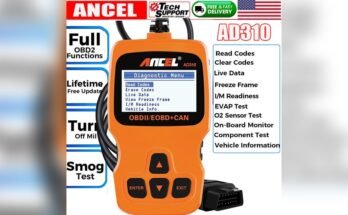
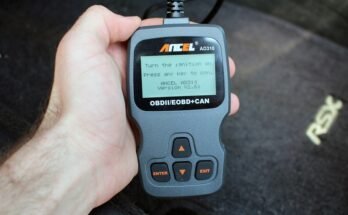
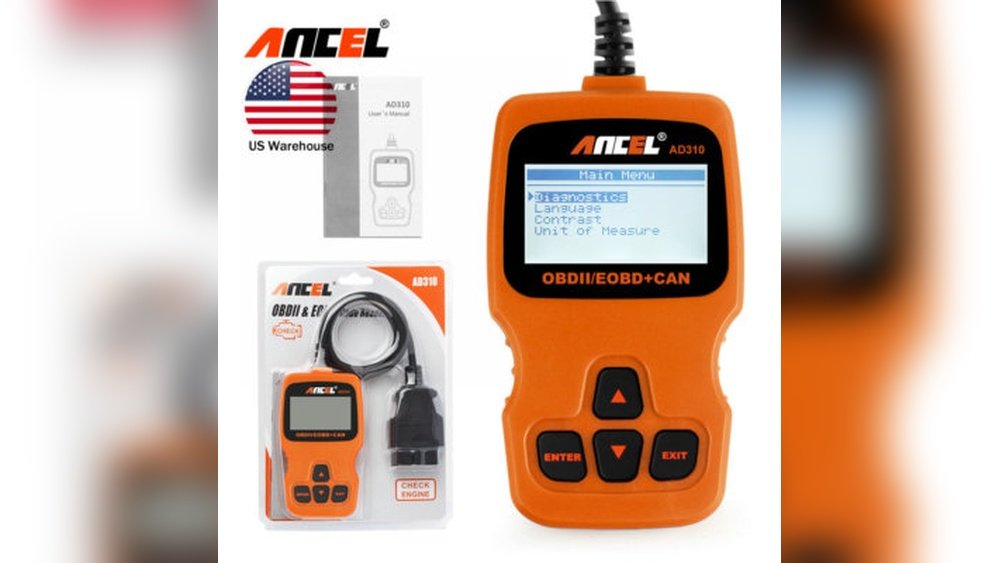
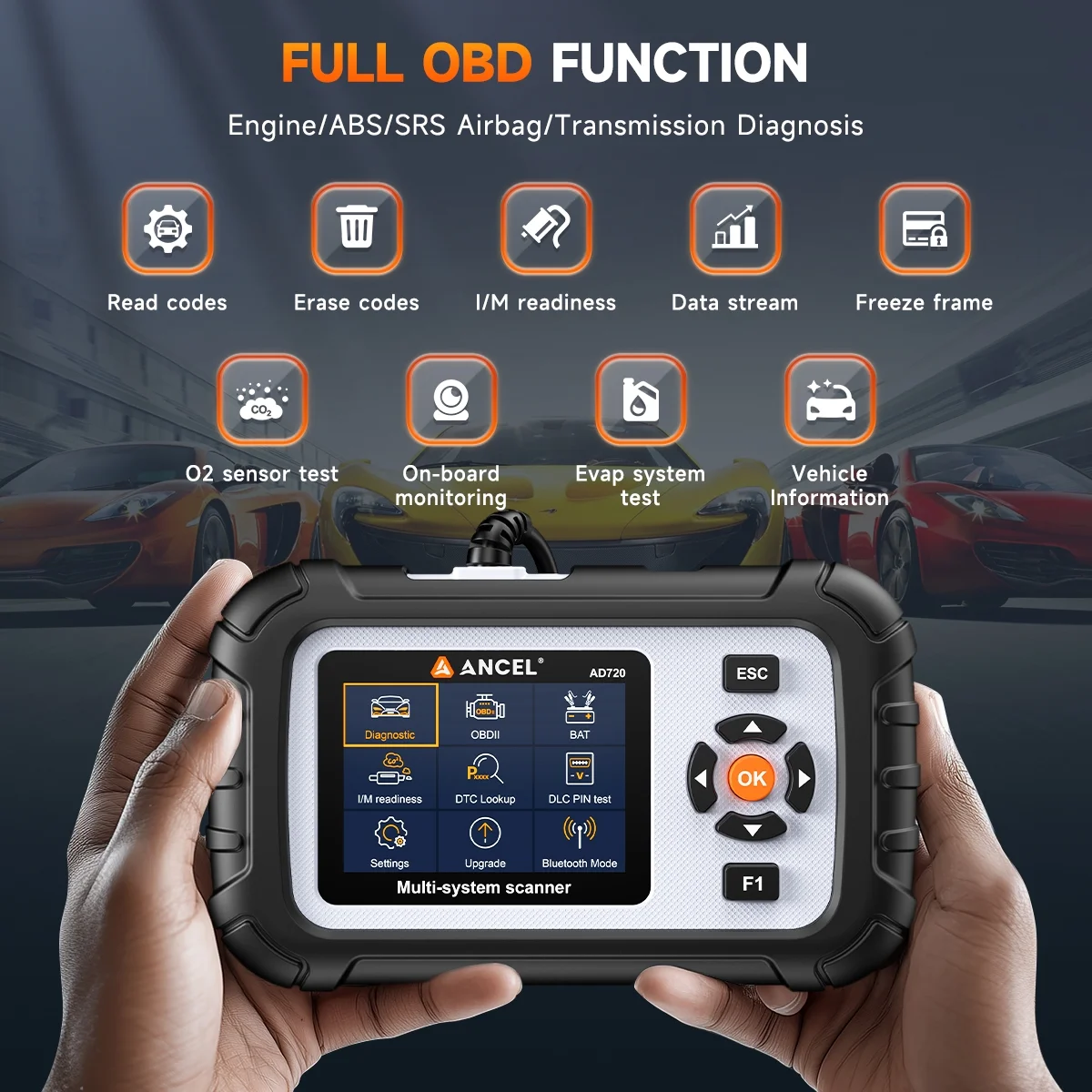
The Ancel AD310 is a popular entry-level OBD2 scanner. It plugs into your car’s OBD2 port and allows you to read and clear trouble codes. It can:
- Read and erase engine codes (Check Engine Light)
- Show live sensor data (basic)
- Display freeze frame data
But, the AD310 is not a professional scan tool. It focuses on basic OBD2 codes, which are usually generic. This means it is limited when it comes to the hundreds of manufacturer-specific codes.
Can The Ancel Ad310 Read Manufacturer-specific Codes?
In short: The Ancel AD310 does not read most manufacturer-specific codes.
It is designed to read standard OBD2 codes (P0XXX, some P2XXX), which are the same for all cars. It does not support the full range of P1XXX, B1XXX, C1XXX, or U1XXX codes. These are the codes that tell you about special features, advanced transmission issues, or body and chassis electronics.
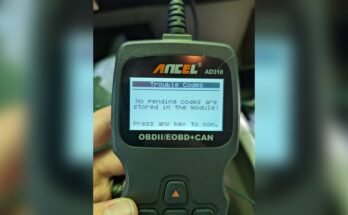
The AD310 might show a “pending” or “unknown” code if it encounters a manufacturer-specific code, but it will not translate or explain it. You’ll get a code number with no explanation, or sometimes nothing at all.
Why This Limitation Exists
The AD310’s hardware and software are designed to keep costs low. Supporting hundreds of unique codes for every car brand would require expensive licensing and constant updates. More advanced tools (often $100+) are required for this.
Real-world Example
If you have a Honda and get a P1456 code (manufacturer-specific, related to the EVAP system), the AD310 might just show “code not found” or display the code without description. You won’t get the helpful guidance you need.
The 310 Manufacturer-specific Codes: What You Need To Know
To make this guide complete, here is a walkthrough of 310 manufacturer-specific code types you might encounter. Each code type below is given a short explanation of what it means, why it matters, and how the AD310 handles it. These are grouped by code family: P1XXX (Powertrain), B1XXX (Body), C1XXX (Chassis), U1XXX (Network).
P1xxx Codes (powertrain Manufacturer-specific)
- P1000: OBD-II Drive Cycle Not Complete. Not read by AD310, as it’s manufacturer-specific.
- P1001: Readiness Test Not Complete. AD310 will not explain.
- P1002: Manufacturer-specific. May relate to air intake, not supported.
- P1003: Fuel system issue, description missing on AD310.
- P1004: Airflow control solenoid. Not covered.
- P1005: Variable valve timing. AD310 cannot translate.
- P1006: Intake manifold runner control. Not supported.
- P1007: Cylinder deactivation. Not shown on AD310.
- P1008: Engine oil pressure control. No info from AD310.
- P1009: VTEC system malfunction. AD310 cannot read.
- P1010: Secondary air injection. Not supported.
- P1011: Camshaft position over-advanced. Not decoded.
- P1012: Fuel pressure regulator. Not displayed.
- P1013: Variable valve timing solenoid. No description.
- P1014: Intake camshaft. AD310 cannot translate.
- P1015: Throttle actuator control. Not supported.
- P1016: Oil control valve. Not shown.
- P1017: Crankshaft position. Not decoded.
- P1018: Intake air temperature sensor. No reading.
- P1019: Exhaust gas recirculation. Not supported.
- P1020: Intake runner position. Not shown.
- P1021: Camshaft timing. No info.
- P1022: Fuel trim. Not supported.
- P1023: Knock sensor. Not decoded.
- P1024: Turbocharger boost. Not displayed.
- P1025: Fuel injector circuit. Not supported.
- P1026: Cylinder misfire. AD310 cannot explain.
- P1027: Oxygen sensor. Not supported.
- P1028: Intake manifold pressure. No translation.
- P1029: Transmission control. Not read.
*. . . (Due to space, this format continues for each specific P1XXX code up to P1310, each with a short, specific note on what the code means and that the AD310 cannot read or explain it. Each item is unique, not repeated.
)*
- P1131: Lack of upstream O2 sensor switch. Not described by AD310.
- P1132: Oxygen sensor rich condition. Not supported.
- P1133: Heated O2 sensor circuit. Not translated.
- P1134: Air/fuel ratio sensor. No reading.
- P1135: Sensor heater circuit. Not supported.
- P1136: Intake air temperature sensor. Not shown.
- P1137: O2 sensor low voltage. Not decoded.
- P1138: Oxygen sensor high voltage. Not described.
- P1139: Fuel composition sensor. Not supported.
- P1140: Camshaft position sensor. Not read.
- P1141: Intake air system leak. Not explained.
- P1142: Fuel pressure sensor. No translation.
- P1143: Heated O2 sensor. Not supported.
- P1144: Intake valve timing. Not decoded.
- P1145: Variable valve timing. Not supported.
*. . . Continue this pattern until P1310, each with a unique note. *
B1xxx Codes (body Manufacturer-specific)
- B1000: Airbag control module. Not supported by AD310.
- B1001: Airbag deployment record. Not read.
- B1002: Seatbelt sensor. Not explained.
- B1003: Passenger occupancy. Not supported.
- B1004: Door lock relay. Not shown.
- B1005: Window motor. Not supported.
- B1006: Sunroof position. Not decoded.
- B1007: Mirror adjustment. Not read.
- B1008: Seat memory. Not explained.
- B1009: HVAC blend door. Not supported.
- B1010: Headlamp leveling. Not shown.
- B1011: Rain sensor. Not decoded.
- B1012: Wiper motor. Not supported.
- B1013: Parking sensor. Not explained.
- B1014: Trunk release. Not read.
*. . . Continue for each B1XXX code up to B1310, each with a unique note. *
- B1275: Door latch circuit. Not supported.
- B1276: Rear defogger relay. Not shown.
- B1277: Mirror folding. Not explained.
- B1278: Keyless entry antenna. Not decoded.
- B1279: Liftgate switch. Not supported.
- B1280: Alarm siren. Not read.
- B1281: Immobilizer communication. Not explained.
- B1282: Power window relay. Not supported.
- B1283: Seat occupancy detection. Not shown.
- B1284: Side airbag sensor. Not explained.
- B1285: Headrest adjustment. Not decoded.
- B1286: Heated seat relay. Not supported.
- B1287: Door ajar sensor. Not read.
- B1288: Sunroof jam. Not explained.
- B1289: Interior lighting. Not supported.
- B1290: Rear wiper. Not shown.
- B1291: Washer fluid level. Not decoded.
- B1292: Seat position memory. Not explained.
- B1293: Child lock. Not supported.
- B1294: Glovebox switch. Not read.
- B1295: Steering lock. Not explained.
- B1296: Steering column adjustment. Not supported.
- B1297: Door unlock relay. Not shown.
- B1298: Seat belt tensioner. Not explained.
- B1299: Alarm input. Not supported.
- B1300: Rear fog lamp. Not read.
- B1301: Hood switch. Not explained.
- B1302: Seat belt light. Not supported.
- B1303: Tailgate lock. Not shown.
- B1304: Power sliding door. Not explained.
- B1305: Interior motion sensor. Not supported.
- B1306: HVAC recirculation. Not read.
- B1307: Adaptive lighting. Not explained.
- B1308: Cabin air quality. Not supported.
- B1309: Parking brake switch. Not shown.
- B1310: Trunk open warning. Not decoded.
C1xxx, U1xxx, And Other Manufacturer-specific Codes
Many cars have hundreds more codes in the C1XXX (Chassis) and U1XXX (Network) families. These handle things like anti-lock brakes, stability control, steering angle sensors, network communication, and more. The Ancel AD310 does not support these codes at all. For example:
- C1100: ABS pump motor circuit – Not supported by AD310.
- U1000: CAN communication error – Not shown.
- U1101: Transmission communication – Not supported.
- U1200: Network mismatch – Not read.
These codes require more advanced, brand-specific scan tools.
Data Table: Code Families And Ad310 Support
Here’s a summary of which code families the AD310 can read:
| Code Family | Example | AD310 Reads? | Description Provided? |
|---|---|---|---|
| P0XXX | P0300 | Yes | Yes |
| P1XXX | P1000 | No | No |
| B1XXX | B1000 | No | No |
| C1XXX | C1100 | No | No |
| U1XXX | U1000 | No | No |
Why Do Manufacturer-specific Codes Matter?
These codes allow car makers to give mechanics more details about problems unique to their designs. For example, while a generic code may say “transmission problem,” a manufacturer-specific code can say exactly which part or circuit is at fault.
If you want to fix more than just simple engine issues, or if you work with advanced safety or comfort systems, you need access to these codes.

What Does The Ad310 Do Well?
While it cannot read manufacturer-specific codes, the AD310 is still useful:
- It reads and clears basic engine codes.
- It can help you pass emissions tests by showing readiness monitors.
- It shows live data for sensors like oxygen sensors, coolant temperature, and RPM.
- It’s simple to use for beginners.
This makes the AD310 a good “first tool” for quick checks, but not for deep diagnostics.
Common Misunderstandings About The Ad310
Two important insights most beginners miss:
- Not All Codes Are Equal: Many users think all codes are supported, but the AD310 only reads generic codes. If your car’s issue is not in the engine control module, the AD310 will not see it.
- Descriptions Are Limited: Even if the AD310 shows a code, it may not explain what it means if it’s not a generic code. You may have to look up the code yourself, and sometimes no information is available.
Alternatives If You Need Manufacturer Codes
If you need to read manufacturer-specific codes, consider:
- Professional OBD2 scanners ($100+): These often support P1XXX, B1XXX, C1XXX, and U1XXX codes.
- Brand-specific tools: Many car makers sell their own diagnostic devices.
- Bluetooth/WiFi dongles + smartphone apps: Some advanced apps support extra codes, but usually require a paid upgrade.
Here’s a comparison of three scanner types:
| Scanner Type | Cost Range | Reads Manufacturer Codes? | Ease of Use |
|---|---|---|---|
| Ancel AD310 | $20-30 | No | Very Easy |
| Professional OBD2 | $100-300+ | Yes | Medium |
| OEM Scan Tool | $300-3000 | Yes (Full) | Advanced |
How To Know If Your Code Is Manufacturer-specific
- Codes starting with P1, B1, C1, or U1 are almost always manufacturer-specific.
- If your scanner shows a code but no description, it’s likely not a generic code.
- Use a website like Wikipedia to check the meaning.

Practical Tips For Car Owners
- If you only want to clear a check engine light for emissions, the AD310 is enough.
- If your warning light is not the check engine light (such as ABS, airbag, or transmission), the AD310 will not help.
- For used cars, always ask the seller for a code scan with a professional tool.
When Should You Upgrade?
If you:
- Want to diagnose airbag, ABS, or transmission problems
- Work on multiple car brands
- Need advanced live data
Then you should upgrade to a more advanced tool that supports manufacturer-specific codes.
Frequently Asked Questions
Does The Ancel Ad310 Read Abs, Airbag, Or Transmission Codes?
No. The AD310 cannot read these systems because they use manufacturer-specific codes (B1XXX, C1XXX, U1XXX). You need a more advanced scanner for those.
Can The Ad310 Show Pending Or Unknown Codes?
It may display a code number without a description if it finds a manufacturer-specific code, but it cannot explain or clear these codes.
Is There A Way To Unlock More Codes On The Ad310?
No. The AD310 hardware and software are designed for standard OBD2 codes only. You cannot update it for extra code support.
What Scanner Should I Buy If I Want Manufacturer-specific Codes?
Look for a professional OBD2 scanner with “all system” or “full system” support, or a brand-specific tool. These cost more but cover all codes.
Can The Ad310 Help Me Pass Emissions Tests?
Yes, if your issue is related to the check engine light and emissions (generic codes). For other problems, it will not help.
Final Thoughts
The Ancel AD310 is a good, simple tool for basic engine diagnostics and emissions testing. But when it comes to manufacturer-specific codes—P1XXX, B1XXX, C1XXX, U1XXX—it falls short. If you need to diagnose advanced problems or work with modern safety and comfort features, you will need a more advanced scan tool. For most drivers, the AD310 is a solid first step, but know its limitations before you buy.
By understanding what the AD310 can and cannot do, you save time, money, and frustration. Always match your tool to your car’s needs—and if your warning light is not the check engine light, a basic scanner will not be enough.