A car battery is often an afterthought—until your car won’t start, or the lights go dim. Many drivers don’t realize how much daily habits, weather, and simple maintenance can affect battery life. With the right care, you can add years to your battery’s lifespan, avoid breakdowns, and save money. This guide will show you practical, proven ways to make your car battery last longer, even if you know very little about cars.
Understanding Car Battery Life
Before you can extend a battery’s life, it’s important to know what causes it to fail. A typical car battery lasts 3 to 5 years. But this range depends on several factors:
- Climate: Hot weather shortens battery life faster than cold.
- Driving habits: Short, frequent trips may not charge the battery fully.
- Vehicle electronics: Modern cars use more electrical power, which increases battery strain.
A healthy battery stores chemical energy and releases it as electrical power to start your car and run electronics. Over time, chemical reactions inside the battery reduce its ability to hold a charge. Many batteries fail earlier than they should because of avoidable mistakes or lack of care.
Tips To Extend Car Battery Life
Let’s break down the most effective strategies you can use to make your car battery last as long as possible.
1. Drive Regularly And For Adequate Time
Short trips, especially less than 20 minutes, often drain the battery more than they charge it. The alternator needs time to refill the energy used during engine start-up. If you mostly make short drives, try to:
- Combine errands into one longer trip.
- Take your car for a 20–30 minute drive once a week.
- Avoid leaving your car unused for long periods.
If you must leave your vehicle unused for weeks, consider using a battery maintainer (a smart charger that keeps the battery at the right charge).
2. Keep Battery Terminals Clean And Tight
Corroded or loose terminals can stop the battery from charging or starting your car. Check the terminals every few months:
- Look for white or greenish powder (corrosion).
- Clean with a mixture of baking soda and water, using a brush.
- Rinse and dry completely before reconnecting.
Tighten the cable clamps securely, but don’t overtighten (it can damage the posts). Clean terminals reduce resistance and help the battery work efficiently.
3. Limit The Use Of Electronics When The Engine Is Off
Using headlights, the radio, or charging devices while the engine is off pulls power directly from the battery. This can quickly drain it, especially if you’re parked for a long time.
- Always turn off lights and electronics before leaving the car.
- Some cars have auto-off features, but don’t depend on them.
- If you listen to music or use accessories, do it while the engine is running.
4. Check Battery Mounting And Hold-down
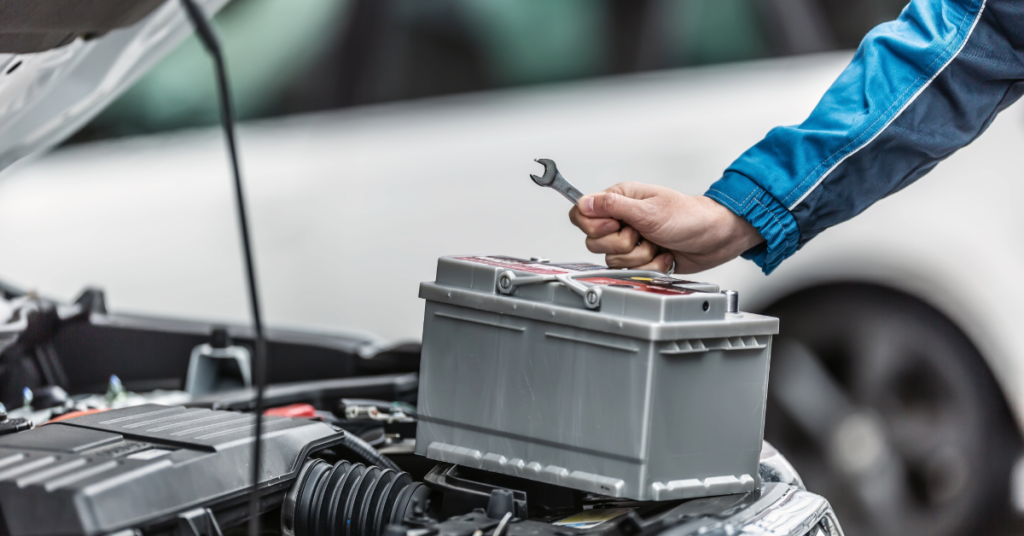
A loose battery vibrates as you drive, especially on rough roads. Vibration can damage internal battery parts, leading to early failure.
- Make sure your battery is held down firmly with the correct bracket.
- Don’t use makeshift straps or loose bungee cords.
- Ask your mechanic to check the mounting if you’re unsure.
5. Avoid Extreme Temperatures When Possible
Both heat and cold affect battery life:
- Heat speeds up chemical reactions inside the battery, which can cause fluid to evaporate and shorten life.
- Cold slows the chemical reactions, making it harder to start the car.
If you live in a hot climate, park in shade or garages when possible. In cold areas, use a battery blanket or heater during winter months.
6. Test The Battery Regularly
A weak battery doesn’t always show obvious signs until it fails. Testing helps you catch problems early.
- Most auto parts stores offer free battery testing.
- You can also buy a simple voltmeter or battery tester.
- Check at least twice a year, especially before winter or long road trips.
Healthy batteries usually show a voltage of 12.6 volts or higher when fully charged (engine off).
7. Top Off Battery Fluid If Needed
Some car batteries are maintenance-free and sealed. Others have removable caps so you can check the fluid (electrolyte) level.
- If possible, check the fluid at least twice a year.
- Add distilled water only if the level is low (never tap water, which contains minerals).
- Don’t overfill—leave space for expansion.
Low fluid can expose the battery plates, causing permanent damage.
8. Turn Off All Lights And Accessories Before Exiting
Even one forgotten dome light can drain a battery overnight. Before leaving your car:
- Double-check that all lights (interior and exterior) are off.
- Unplug USB chargers and accessories.
Some cars have warning sounds or automatic shut-off, but not all. This simple habit can save you from a dead battery.
9. Check The Alternator And Charging System
The alternator recharges your battery while you drive. If it’s not working properly, the battery will drain, even if the battery itself is new.
- Watch for dashboard warning lights (“ALT” or battery symbol).
- If headlights dim or electronics behave oddly, have the charging system checked.
- Ask your mechanic to test the alternator during regular service.
10. Protect The Battery From Dirt And Moisture
Dirt and moisture on top of the battery can create a path for electrical current to leak, slowly draining it. Moisture also encourages corrosion.
- Keep the battery case and top clean and dry.
- Wipe off dust and spills right away.
- Use a battery protector spray if available.
11. Avoid Using The Car For Only Short Trips
It’s tempting to use your car for quick errands, but frequent short trips prevent the battery from fully charging. Over time, this leaves it weaker.
- Walk or bike for very short trips if possible.
- Try to include a longer drive at least once a week.
12. Schedule Regular Car Maintenance
A poorly running engine, faulty fuel system, or old spark plugs force the battery to work harder. Routine maintenance helps:
- Ensure the engine starts easily.
- Reduce battery stress from repeated cranking.
Ask your mechanic to check the battery during oil changes.
13. Use The Correct Battery For Your Car
Not all batteries are the same. Choosing the wrong size or type can lead to problems.
- Check your vehicle owner’s manual for the correct group size and specifications.
- Don’t use a battery with too low a capacity (measured in Cold Cranking Amps, or CCA).
- Some cars with start-stop systems need special AGM or EFB batteries.
Buying a battery that fits your climate and driving style makes a big difference.
14. Insulate The Battery In Harsh Weather
In regions with extreme temperatures, battery insulation kits (usually foam or plastic covers) can help maintain a more stable temperature.
- Ask your mechanic if an insulation kit is right for your area.
- Only use kits designed for your battery type and car model.
This extra step can reduce stress from weather extremes.
15. Watch For Warning Signs Of Battery Trouble
Don’t ignore these early signs of battery problems:
- Engine cranks slowly
- Headlights dim when you start the car
- Battery warning light on the dashboard
- Swollen or bloated battery case
Address these signs quickly to avoid getting stranded.
16. Don’t Ignore Parasitic Drains
Some electronic devices and systems can drain the battery even when the car is off. Examples include:
- Aftermarket alarms
- GPS trackers
- Faulty switches
If your battery keeps dying overnight, ask a mechanic to check for a parasitic drain.
17. Use Smart Battery Chargers If Storing Vehicle
When storing your car for a month or longer, use a smart charger (also called a trickle charger or maintainer):
- Keeps battery at optimal voltage
- Prevents overcharging
- Safer and more effective than just disconnecting the battery
A smart charger can double the life of a battery in a stored vehicle.
18. Keep The Battery Fully Charged
Letting a battery run low or go flat shortens its lifespan. If you notice slow starts, get the battery charged as soon as possible. Don’t wait until it’s completely dead.
If your car is not used much, charge the battery every couple of weeks, or use a maintainer.
19. Choose Quality Batteries And Parts
Cheap or counterfeit batteries may not last as long, even with good care. Stick with reputable brands and buy from trusted stores. Also, use quality cables and terminals.
20. Record Battery Install Date And Monitor Age
It’s easy to forget when you last replaced your battery. Write down the install date or use a sticker on the battery itself. After three years, start checking more often.
A battery older than five years, even if still working, is at high risk of sudden failure.
Common Battery Types And Their Lifespans
Car batteries come in several types, each with different lifespans and care needs. Here is a quick comparison:
| Battery Type | Average Lifespan | Maintenance Needed | Best For |
|---|---|---|---|
| Lead-Acid (Flooded) | 3–5 years | Check water level | Most cars |
| AGM (Absorbent Glass Mat) | 4–7 years | Maintenance-free | Start-stop systems, luxury vehicles |
| Gel Cell | 4–6 years | Maintenance-free | Extreme conditions |
| Enhanced Flooded (EFB) | 4–6 years | Maintenance-free | Modern fuel-saving cars |
How Weather Affects Car Battery Life
Weather plays a key role in how long your battery lasts. Let’s see how climate impacts battery health:
| Condition | Effect on Battery | Prevention Tips |
|---|---|---|
| High Heat (>32°C / 90°F) | Speeds up water loss, internal corrosion | Park in shade, insulate battery |
| Extreme Cold (<-7°C / 20°F) | Reduces capacity, harder starts | Keep battery charged, use heater blanket |
| Humidity | Encourages corrosion, electrical leaks | Clean terminals, keep battery dry |
What Drains A Car Battery Prematurely?
Many things can drain your battery faster than normal. Here’s a look at the most common culprits:
| Cause | How It Drains the Battery | Prevention |
|---|---|---|
| Leaving lights on | Draws power all night | Double-check before exiting |
| Short drives only | Battery never fully charges | Take longer drives weekly |
| Dirty/corroded terminals | Reduces charging efficiency | Clean regularly |
| Parasitic drains | Power used by hidden electronics | Check for aftermarket devices |
| Faulty alternator | Battery not recharged during driving | Test alternator routinely |
Extra Insights Most Beginners Miss
Car battery care is full of myths. Here are two important facts many drivers overlook:
Battery “memory” doesn’t exist: Unlike some old rechargeable batteries (like nickel-cadmium), car batteries do not have a “memory” effect. Running them down repeatedly does not make them stronger; it actually shortens their life.
Heat kills more batteries than cold: Most people think winter is the worst time for batteries. In reality, hot summer weather causes most battery failures, but the damage often shows up when cold weather arrives.
Mistakes To Avoid
Even with the best intentions, it’s easy to make mistakes. Watch out for these common errors:
- Using tap water instead of distilled water in batteries (can cause mineral buildup)
- Over-tightening terminal clamps (can damage the battery posts)
- Ignoring battery hold-downs (leads to vibration damage)
- Mixing old and new batteries in the same vehicle (they will not balance charge)
- Jump-starting with incorrect procedure (can damage electronics)
Signs It’s Time To Replace Your Battery
No battery lasts forever. If you notice:
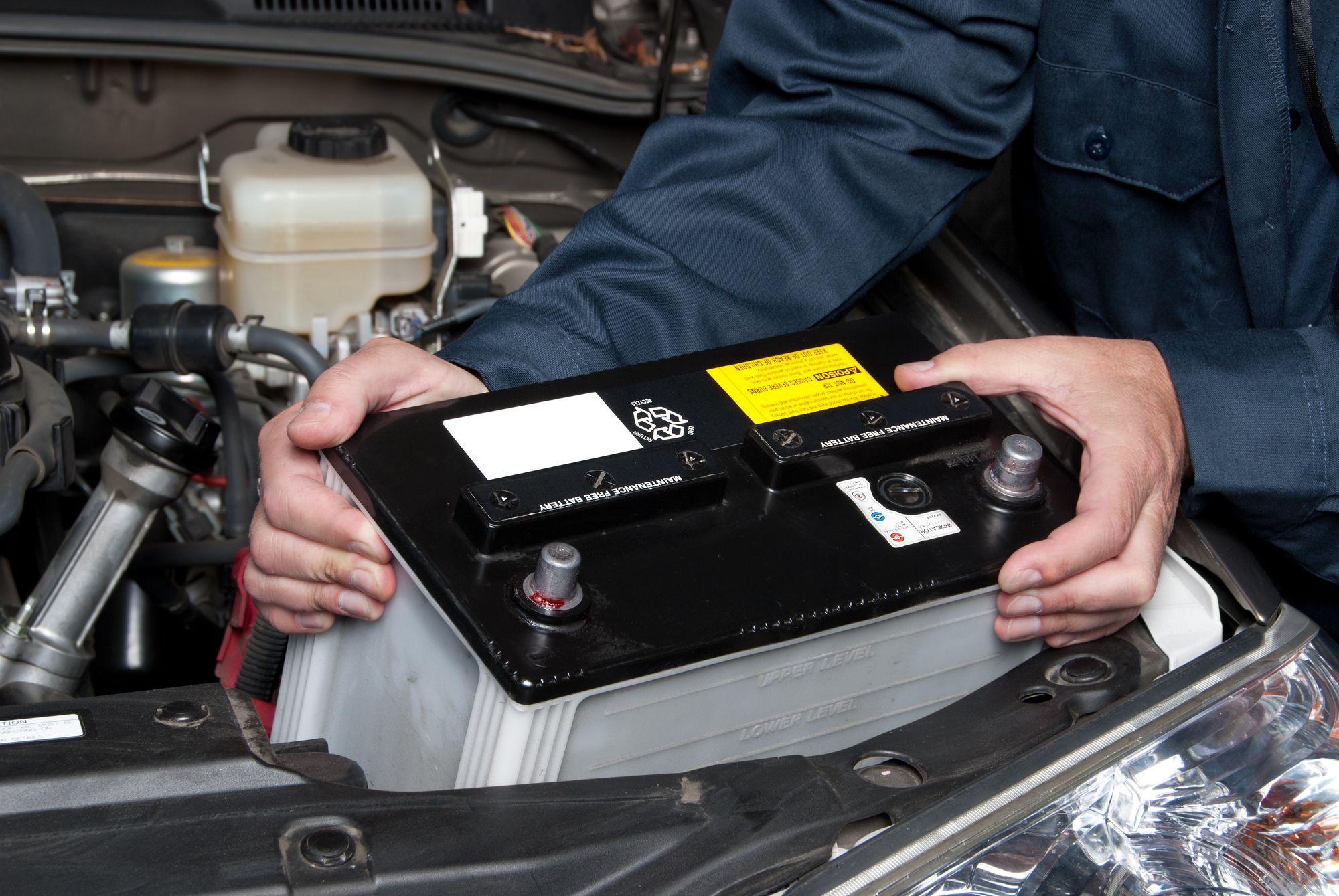
- Your car needs frequent jump-starts
- The battery case is swollen or leaking
- Battery is over five years old
- You see corrosion that returns quickly after cleaning
…it’s time to replace your battery. Don’t wait for complete failure.
Using Technology To Monitor Battery Health
Modern technology can make battery care easier:
- Battery monitoring systems: Some cars have built-in monitors that warn you about low voltage.
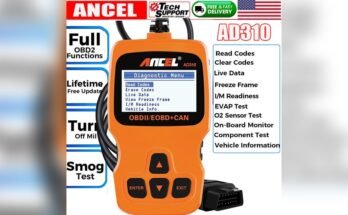
- Bluetooth battery testers: These small devices connect to your phone and give real-time battery health data.
- Smart chargers: Prevent overcharging and extend battery life.
These tools are affordable and easy to use, even for beginners.
What To Do If Your Battery Dies
If you turn the key and nothing happens, follow these steps:
- Check for obvious causes (lights left on).
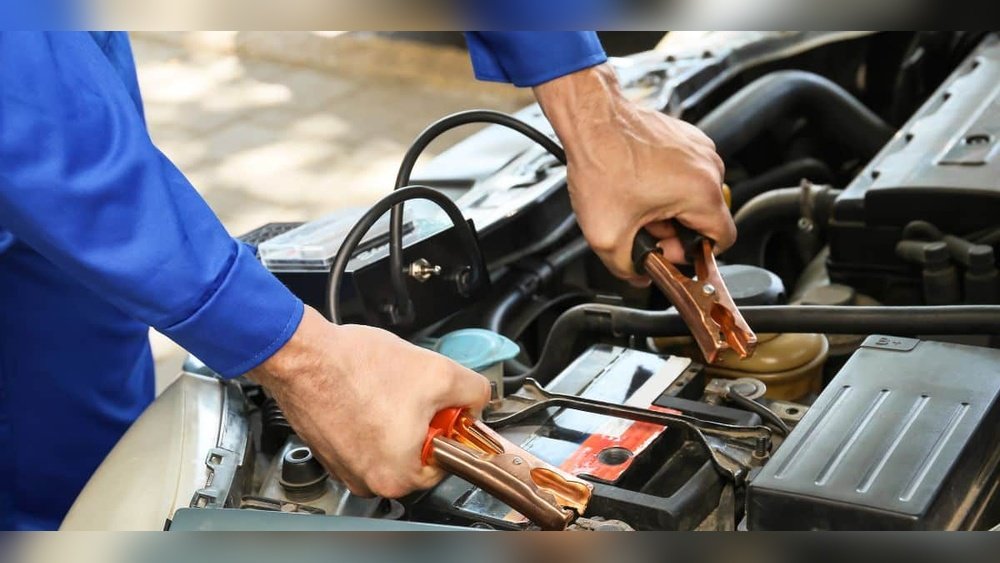
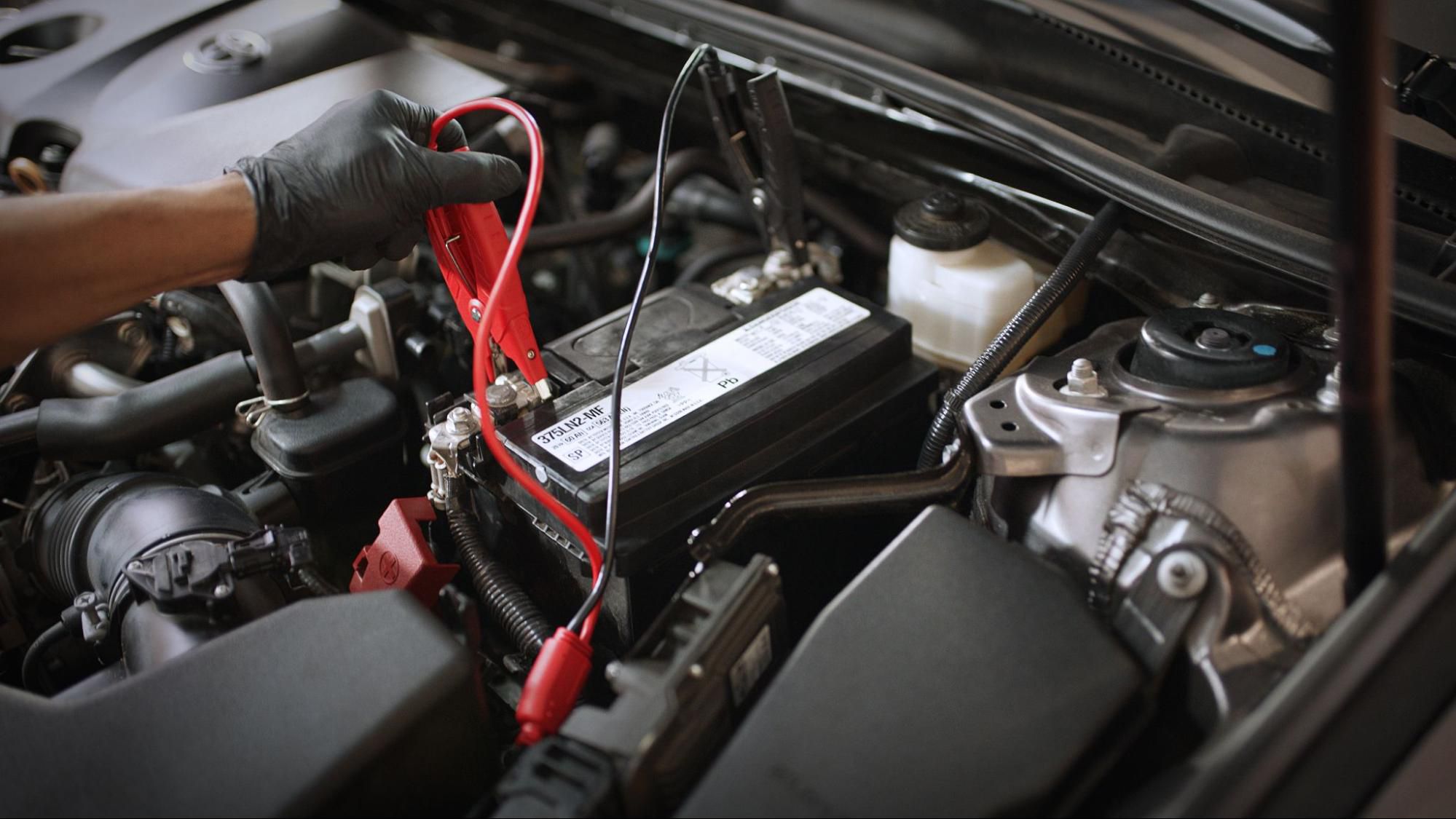
- Try a jump-start with cables or a jump pack.
- If it starts, drive for at least 30 minutes to recharge.
- If it doesn’t, or dies again soon, have the battery and charging system tested.
If you’re not comfortable jump-starting, call for roadside assistance.
For more in-depth information, visit the AAA Car Battery Care Guide.
Frequently Asked Questions
How Long Should A Car Battery Last?
Most car batteries last between 3 and 5 years. Hot climates, frequent short trips, and heavy electrical use can shorten this time. After three years, start checking the battery regularly.
Can I Recharge A Dead Car Battery?
Yes, you can often recharge a dead battery with a smart charger or by jump-starting and then driving the car. However, if the battery dies repeatedly, it’s likely near the end of its life and should be replaced.
Is It Safe To Disconnect My Battery To Prevent Drain?
Disconnecting the battery can prevent drain, but it may reset some car systems (like clocks and radios). Using a battery maintainer is usually a better solution for long-term storage.
Does Idling My Car Recharge The Battery?
Idling does recharge the battery, but very slowly. Driving at normal speed is much more effective. Short idling periods are not enough to fully charge a battery.
What’s The Best Way To Clean Battery Terminals?
Mix baking soda and water to make a paste, then scrub the terminals with a brush. Rinse with clean water and dry thoroughly before reconnecting. Wear gloves and eye protection when cleaning.
Taking care of your car battery is simple, but it pays off with fewer breakdowns, lower costs, and peace of mind. With these tips, you can make your battery last longer and drive with confidence every day.