Car batteries are easy to ignore—until your car doesn’t start. Many drivers discover battery problems on a cold morning or when they are in a rush, and by then, it’s often too late. The good news is that most battery failures can be avoided with simple maintenance.
You don’t need to be a mechanic or have special tools to keep your battery in top shape. With regular care, you can extend your battery’s life, save money, and avoid stressful breakdowns.
This guide will show you how to maintain a car battery step by step. You’ll learn what tasks matter most, how often to do them, and tips that even experienced drivers sometimes miss. By understanding the basics and paying attention to your battery, you can keep your car reliable—no matter the weather or season.
Why Car Battery Maintenance Is Important
Your car battery is more than just a box under the hood. It powers every electrical system, from starting the engine to running the radio and headlights. When a battery fails, you can’t drive. Many batteries die early because of neglect, not because they are defective.
A well-maintained battery can last 3 to 5 years, sometimes even longer. In contrast, a battery that is ignored might fail in just 2 years. Considering that a new battery costs between $60 and $200, regular maintenance saves both time and money.
It also prevents getting stranded at the worst possible time.
Car batteries also affect other parts. If the battery is weak, the alternator has to work harder. This puts stress on the charging system and can lead to expensive repairs. By keeping your battery healthy, you protect the rest of your car’s electrical system.
Understanding The Car Battery
Before you start maintenance, it’s helpful to know what a car battery does and the types you might find in a typical vehicle.
How A Car Battery Works
A car battery stores electrical energy in chemical form. When you turn the key or press the start button, it sends a burst of power to the starter motor. After the engine runs, the alternator recharges the battery and powers the car’s electrical systems.
Most car batteries are lead-acid batteries. They have six cells filled with a mixture of water and sulfuric acid. Each cell produces about 2.1 volts, for a total of around 12.6 volts when fully charged.
Types Of Car Batteries
There are a few main types:
- Flooded lead-acid batteries (most common, need some maintenance)
- AGM (Absorbent Glass Mat) batteries (sealed, maintenance-free)
- Gel batteries (sealed, less common in regular cars)
- Lithium-ion batteries (mainly for electric vehicles)
Most gasoline and diesel cars use flooded or AGM batteries. The type matters because maintenance steps differ slightly. For example, AGM batteries don’t need water checks, but they still need clean terminals and regular voltage checks.
Step-by-step Car Battery Maintenance
Let’s break down the essential steps to keep your battery healthy.
1. Safety First
Always think about safety before working on your battery:
- Wear gloves and safety glasses.
- Make sure the engine is off and the keys are removed.
- Avoid sparks and open flames near the battery.
- Work in a well-ventilated area.
Batteries contain acid and produce hydrogen gas, which is flammable. Be careful not to touch your face or eyes while working.
2. Regular Visual Inspections
Look at your battery every month or two. Check for:
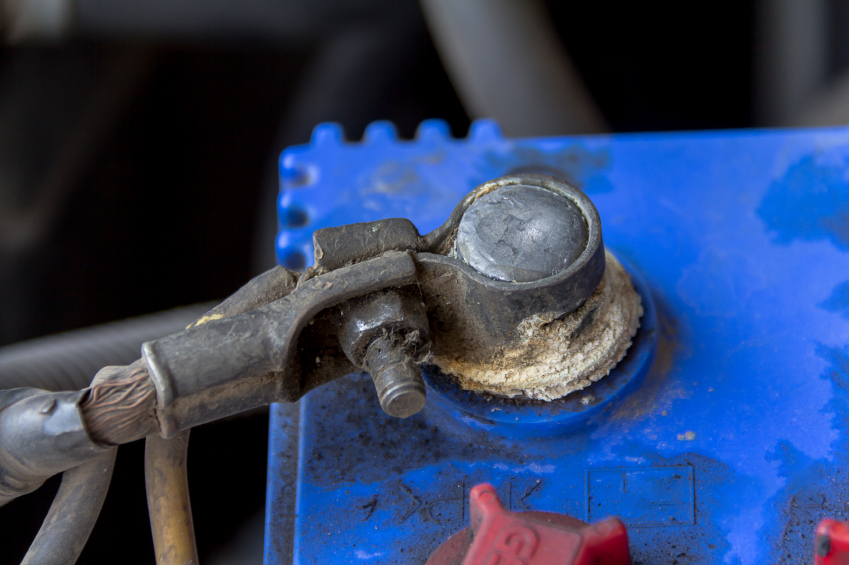
- Corrosion on battery terminals (white or blue powder)
- Loose cables or connections
- Cracks or leaks in the battery case
- Swollen or bulging sides (a sign of overheating)
If you spot any of these problems, act quickly. Corrosion can stop electricity flow, and leaks mean the battery is failing.
3. Clean The Battery Terminals
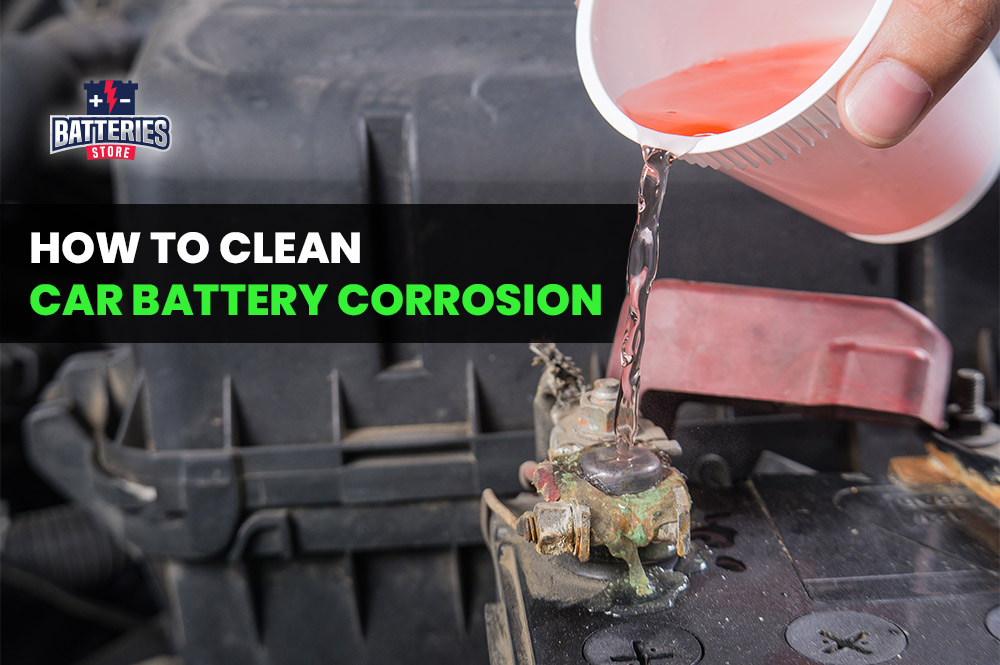
Corrosion at the terminals is the most common battery problem. It builds up slowly and can cause starting issues.
How To Clean Terminals
- Disconnect the negative cable (usually black, marked “-”) first, then the positive (red, marked “+”).
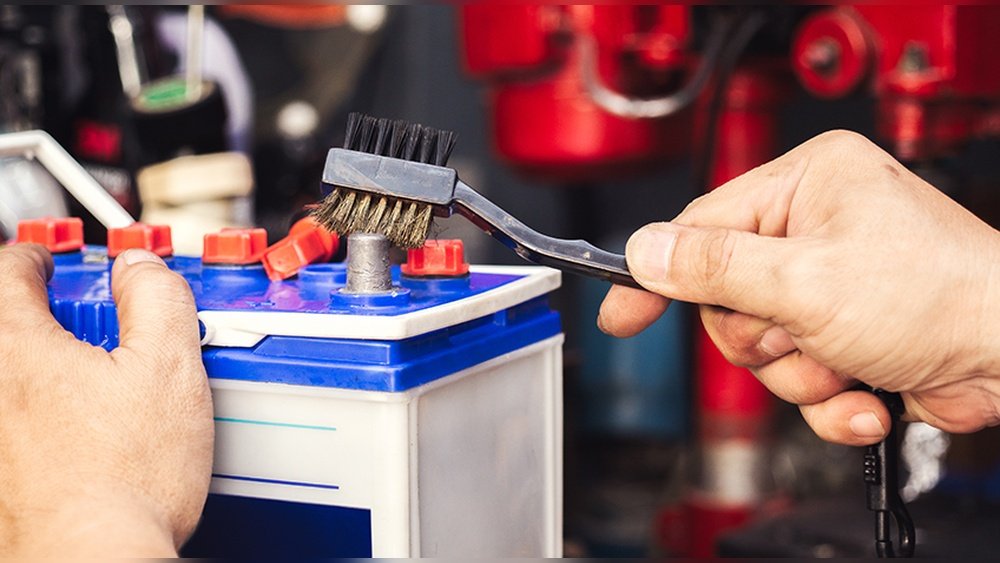
- Use a battery terminal cleaner or an old toothbrush and a mix of baking soda and water.
- Scrub the corrosion off both terminals and cable ends.
- Rinse with clean water and dry with a cloth.
- Reconnect the positive cable first, then the negative.
A thin layer of petroleum jelly on the terminals helps prevent future corrosion.
4. Check Battery Voltage
A healthy battery should show 12.6 volts or higher when the car is off. You need a digital voltmeter or a multimeter for this:
- Turn off the car.
- Place the red probe on the positive terminal, black on the negative.
- Read the voltage.
12.6V or higher: Fully charged
12.4-12.6V: Acceptable
12.2-12.4V: Weak, may need charging
Below 12.2V: Discharged or faulty
Test the voltage every few months, especially before long trips or cold seasons.
5. Top Up Battery Water (if Needed)
Some batteries (flooded types) have removable caps. The fluid inside should cover the lead plates.
- Remove caps carefully.
- Add distilled water only. Tap water contains minerals that harm the battery.
- Fill to the recommended level, not above.
- Replace caps firmly.
Never add acid—just distilled water. AGM and sealed batteries do not need water checks.
6. Keep The Battery Charged
Batteries self-discharge slowly, even when not used. Short trips or long storage can leave them undercharged.
- Drive your car for at least 20-30 minutes every week.
- Use a battery maintainer or trickle charger if the car sits unused.
- Avoid running lights, radio, or devices with the engine off.
If the battery goes flat more than once, it may lose capacity permanently.
7. Secure Battery Hold-downs
A loose battery can vibrate, leading to cracks or internal damage.
- Check the hold-down bracket is tight but not crushing the battery.
- If it moves by hand, tighten the bolts.
Vibration is a common reason for battery failure, especially in rough road conditions.
8. Protect From Extreme Temperatures
Both heat and cold damage batteries.
- Park in a garage or shaded area when possible.
- Use a battery insulation kit if you live in a very hot or cold climate.
- In winter, drive longer distances to keep the battery warm.
Heat causes battery fluid to evaporate; cold makes starting harder.
9. Test The Battery Under Load
A load test checks if the battery delivers enough power during starting.
- Many auto parts stores offer free battery tests.
- You can buy a simple load tester or ask a mechanic.
A battery that shows good voltage but fails under load is near the end of its life.
10. Keep Battery Top Clean And Dry
Dirt and moisture can create a weak circuit across the battery top, slowly draining power.
- Wipe the battery case with a damp cloth.
- Keep the area around the battery clean.
- Don’t let metal tools touch both terminals at once.
A clean battery top also helps you spot leaks or cracks early.
11. Inspect Battery Cables And Clamps
Cables and clamps should be:
- Free of corrosion
- Not frayed or cracked
- Tightly attached to terminals
Replace damaged cables immediately. Poor connections can cause starting problems or even electrical fires.
12. Watch For Warning Signs
Replace your battery if you notice:
- Slow engine cranking
- Dim headlights, especially at idle
- Clicking sounds when turning the key
- The battery warning light is on
Batteries often give warning signals before failing completely.
13. Avoid Frequent Short Trips
Short trips do not give the alternator enough time to recharge the battery fully. Over time, this can lead to a weak or dead battery.
- Try to combine errands into longer drives.
- If you must do many short trips, consider a battery maintainer.
This is a detail many drivers overlook, but it makes a big difference in battery life.
14. Use Electronics Wisely
Modern cars have many electronic systems. Using them while the engine is off drains the battery.
- Turn off lights, radio, and chargers when the car is not running.
- Avoid using seat heaters, defrosters, or infotainment systems for long periods without the engine.
A few minutes can be fine, but longer use can drain the battery quickly.
15. Replace Old Batteries Proactively
Don’t wait for complete failure. Most car batteries last 3 to 5 years.
- Check the date code on your battery.
- Replace it before a long trip or if it’s older than 5 years.
An old battery can fail suddenly, especially in extreme weather.
Battery Maintenance Schedule
To make things simple, here’s a sample maintenance timeline.
| Task | Frequency |
|---|---|
| Visual inspection | Monthly |
| Clean terminals | Every 3-6 months |
| Check voltage | Every 3-6 months, before trips |
| Check water (if needed) | Every 6 months |
| Test under load | Yearly or before winter/summer |
| Replace battery | Every 3-5 years |
This schedule helps you stay ahead and avoid surprises.
Common Battery Problems And Solutions
Many battery issues have simple fixes. Here are some examples:
| Problem | Possible Cause | Solution |
|---|---|---|
| Car won’t start | Dead battery, loose cable | Charge or jump-start, check connections |
| Corroded terminals | Acid fumes, poor seal | Clean and protect terminals, check vent caps |
| Frequent jump-starts needed | Old battery, electrical drain | Test/replace battery, check for drains |
| Battery leaks | Cracked case, overcharging | Replace battery, check charging system |
If you notice a problem, fix it early to prevent bigger issues.
Advanced Tips For Maximizing Battery Life
A few extra steps can help you get the most from your battery:
- Use a smart charger: These adjust the charging rate to avoid overcharging or undercharging.
- Check charging system voltage: After starting, voltage should read 13.7-14.7V. Lower means alternator trouble, higher means overcharging.
- Disconnect the battery for long storage: If leaving your car unused for a month or more, disconnect the negative cable or use a maintainer.
- Keep records: Write down battery checks and maintenance dates. It helps spot patterns and plan replacements.
- Recycle old batteries: Always recycle at an auto shop or recycling center—never throw in the trash.
Mistakes To Avoid When Maintaining A Car Battery
Even with good intentions, mistakes can damage your battery or car. Here are some to avoid:
- Using tap water to top up: Only use distilled water.
- Reversing cable connections: Always disconnect negative first, reconnect last.
- Over-tightening terminal clamps: Can damage battery posts.
- Ignoring battery hold-downs: Loose batteries vibrate and break down faster.
- Using battery chargers with the wrong settings: Overcharging reduces battery life.
- Letting the battery discharge completely: Each deep discharge shortens its lifespan.
- Jump-starting incorrectly: Can cause electrical damage or injury.
Learning from others’ mistakes keeps your car running smoothly.
How Climate Affects Battery Maintenance
Batteries are sensitive to weather. Hot climates cause faster fluid evaporation and corrosion, while cold climates make starting harder.
| Climate | Battery Problem | Maintenance Tip |
|---|---|---|
| Hot | Evaporation, swelling, corrosion | Check water, keep terminals clean, use insulation |
| Cold | Low power, slow cranking | Keep fully charged, park indoors, longer drives |
| Humid | Corrosion, moisture on battery | Clean and dry battery top often |
Adjust your routine based on your local climate for best results.
When To Seek Professional Help
Most maintenance is easy to do at home. But seek professional help if:
- The battery case is cracked or leaking.
- The car won’t start after a new battery is installed.
- You smell rotten eggs (sulfur odor) under the hood.
- The battery drains quickly and repeatedly.
- You see warning lights on the dashboard after replacing the battery.
These can signal bigger issues with the car’s electrical system, not just the battery.
Frequently Asked Questions
How Often Should I Replace My Car Battery?
Most car batteries last 3 to 5 years. Replace sooner if you notice slow cranking, frequent jump-starts, or the battery is over 5 years old. Check the date code on the battery label for guidance.
Can I Charge My Car Battery At Home?
Yes, you can use a battery charger or maintainer at home. Follow the instructions carefully. Make sure to match the charger’s settings to your battery type (regular, AGM, or gel). Never charge a frozen or damaged battery.
What Causes Battery Terminals To Corrode?
Corrosion is caused by acid fumes escaping from the battery, moisture, or a poor seal around the terminals. Keeping the terminals clean and applying a thin layer of petroleum jelly or terminal protectant helps prevent corrosion.
Is It Safe To Jump-start A Car With A Dead Battery?
Yes, but follow correct steps: connect cables in the right order, avoid sparks, and never let clamps touch. If you’re unsure, ask for help. Repeated jump-starts suggest it’s time for a new battery or to check the charging system.
Where Can I Recycle My Old Car Battery?
Take your old battery to an auto parts store or recycling center. Most will accept it for free. Never put batteries in household trash—they contain harmful chemicals. For more details, see the EPA’s advice at EPA Battery Recycling.
Keeping your car battery in top condition isn’t hard, but it does require attention and a few simple habits. With regular checks, cleaning, and safe practices, you’ll avoid most common problems and keep your car ready to go—every time you turn the key.