Thank you for clarifying. Here is a comprehensive, in-depth article about how the Ancel AD310 works, covering its functions, features, use cases, practical guidance, and helpful details. This article is written in clear, simple English and expands proportionally across all sections.
—
How Does The Ancel Ad310 Work?
If you own a car and want to understand what’s going on under the hood, the Ancel AD310 can help. This small device is a diagnostic scanner. It connects to your car, reads error codes, and helps you figure out problems.
Many drivers use it to save money and time, instead of visiting a mechanic for every issue.
Let’s explore how the Ancel AD310 works, its main features, and how you can use it to solve car troubles. You’ll also learn about mistakes beginners make and useful tips to get the best results.
—
What Is The Ancel Ad310?
The Ancel AD310 is an OBD2 (On-Board Diagnostics II) scanner. OBD2 is a standard system in cars made after 1996. It lets devices connect to your car’s computer and check for problems.
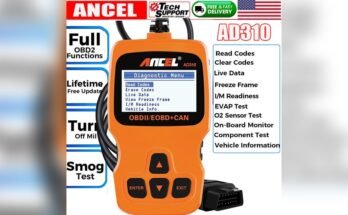
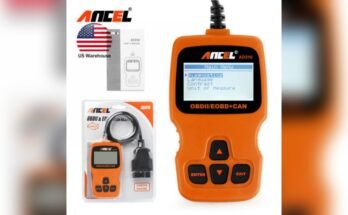
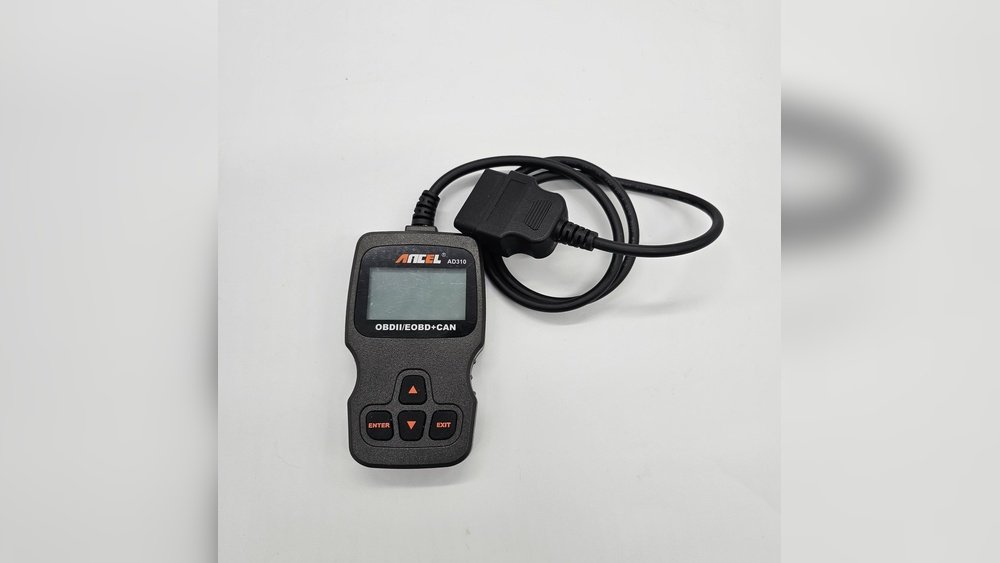
The AD310 is a basic scanner. It’s not expensive, but it is reliable. It can read trouble codes, clear codes, and show sensor data. It’s popular among beginners and people who want to fix simple car issues.
Key Features
- Reads and clears codes: It finds error codes and helps you reset them.
- Shows live data: You can see real-time information from your car’s sensors.
- Easy to use: The device has a simple screen and buttons.
- No batteries needed: It gets power from your car.
- Works with most cars: Any car made after 1996 with OBD2.
Who Should Use It?
The AD310 is made for car owners who want basic information. It’s not for professional mechanics, but it’s enough for checking engine problems, sensor issues, and basic faults. If you want to know why your “Check Engine” light is on, this scanner can help.
—
How Do You Connect The Ancel Ad310?
Connecting the AD310 is simple. You don’t need special tools or skills.
Steps To Connect
- Find your OBD2 port: This port is usually under the dashboard, near the steering wheel. It looks like a small rectangle.
- Plug in the device: Take the AD310 cable and connect it to the port.
- Turn on your car: Switch the key to “ON” (not always “Start”). The scanner will get power.
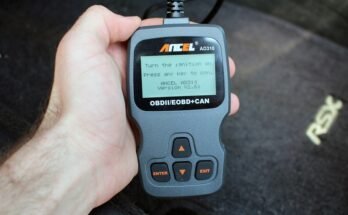
- Wait for the display: The screen lights up. You’ll see basic instructions.
Common Mistakes
- Some people plug in the scanner but don’t turn the key far enough. Make sure the car is in “ON” mode so the computer is active.
- If your port is hidden, check your car’s manual. Some cars put the port in different places.
Practical Example
Suppose your car’s “Check Engine” light comes on. You find the port, plug in the AD310, and turn the key. The screen shows options. You’re ready to check codes.
—
Reading Trouble Codes
Trouble codes are numbers that tell you about car problems. Each code has a meaning. The AD310 reads these codes and shows them on its screen.
How It Works
- After connecting, use the buttons to select “Read Codes.”
- The scanner communicates with your car’s computer.
- Any error codes appear on the screen. These look like “P0171” or “P0300.”
What Do Codes Mean?
Each code starts with a letter:
- “P” means Powertrain (engine, transmission)
- “B” means Body (doors, windows)
- “C” means Chassis (brakes, steering)
- “U” means Network (communication issues)
Most basic scanners, including the AD310, focus on “P” codes, which cover engine and transmission problems.
Example
You get a code “P0420. ” This means “Catalyst System Efficiency Below Threshold. ” You can look up this code online or in the scanner’s manual. The AD310 gives you the code number, but not always a detailed description. You’ll need to search for the meaning.
Non-obvious Tip
Many beginners see a code and immediately think they need to replace a part. But codes often point to symptoms, not causes. For example, “P0171” means “System Too Lean,” but the real issue could be a dirty sensor, a vacuum leak, or even a bad fuel pump.
—
Clearing Trouble Codes
After you fix a problem, you may want to clear the code. This resets the system and turns off the “Check Engine” light.
How To Clear Codes
- Use the scanner’s menu to select “Erase Codes.”
- Confirm your choice. The scanner sends a signal to your car’s computer.
- The warning light should go off.
Important Advice
Don’t clear codes before fixing the problem. If you do, the light may go off for a short time, but the issue will return. Mechanics call this “masking the symptom. ” Always fix the real cause before erasing codes.
Practical Example
Suppose you replaced a faulty oxygen sensor. After the fix, clear the codes with the AD310. If the issue is solved, the light stays off.
—
Viewing Live Data
The AD310 can show live sensor data from your car. This means you can see how your engine and other systems are working right now.
What Is Live Data?
Live data shows values from sensors—like engine temperature, air flow, throttle position, and more. It helps you spot issues that don’t trigger error codes.
How To Use It
- Select “Live Data” from the menu.
- Scroll through different sensor readings.
- Compare values to normal ranges (you can find these in your car’s manual or online).
Example
If your engine is running rough, check the “Short Term Fuel Trim” and “Long Term Fuel Trim. ” If they are too high or low, you may have a fuel problem.
Non-obvious Insight
Live data can help you catch problems early. For example, a slow oxygen sensor may not trigger a code, but you’ll see abnormal readings. This lets you fix issues before they become serious.
—
Using Freeze Frame Data
Freeze frame data is a snapshot of your car’s sensor values when an error code was set. The AD310 can show this information.
Why It Matters
When your car has a problem, the computer records the state at that moment. This helps you understand what was happening—like engine speed, temperature, or throttle position.
How To Access
- Select “Freeze Frame” from the menu.
- The scanner displays values from the time the code was triggered.
Example
Suppose you get a code for a misfire. The freeze frame shows the engine was cold and the RPM was low. This suggests the problem happens during cold starts.
—
Understanding Obd2 Modes
The AD310 uses OBD2 modes to communicate. Each mode checks something different.
Main Modes Used
- Mode 1: Shows live data.
- Mode 2: Shows freeze frame data.
- Mode 3: Reads trouble codes.
- Mode 4: Clears codes.
Most basic scanners use these modes. Understanding them helps you use the device better.
—
What Problems Can The Ad310 Detect?
The AD310 focuses on the engine and transmission. It cannot read advanced codes for airbags, ABS brakes, or other systems. But it covers common issues:
- Oxygen sensor faults
- Misfires
- Catalytic converter problems
- Emissions issues
- Fuel system errors
- Engine temperature faults
Real-life Example
If your car has rough idling, the AD310 may show a code for “Cylinder Misfire. ” You can use live data to see which cylinder is affected.
Limitation
The AD310 is not a “magic fix. ” It helps you find problems, but it cannot repair your car. Sometimes, you need extra tools or knowledge to solve the issue.
—
How Accurate Is The Ancel Ad310?
The AD310 is reliable for basic checks. It reads codes accurately. But sometimes, codes can be misleading. For example, a code for “Oxygen Sensor” may actually be caused by a bad wiring connection.
Tip
Don’t trust codes blindly. Use them as a starting point. Check the car physically, research the code, and confirm the real issue.
Advanced Example
Suppose you clear a code, but the light comes back after a few days. This means the problem is not fixed. Investigate deeper—check connectors, hoses, and related parts.
—
How To Get The Most From Your Ad310
Many owners use the AD310 just to read codes. But you can do more.
Practical Tips
- Keep a log: Write down codes and sensor values. This helps you spot patterns.
- Check live data while driving: Some problems only appear when the car is moving.
- Use freeze frame for tough issues: If a code keeps coming back, freeze frame helps you understand the context.
- Research codes: Use trusted websites (like [OBD-Codes.com](https://www.obd-codes.com)) for code meanings and repair tips.
- Don’t ignore the basics: Check hoses, connectors, and simple parts before replacing expensive items.
Non-obvious Insight
Sometimes, clearing codes can help your car run better after a fix. The computer resets its “learning” and adapts to new parts.
—
Common Mistakes Beginners Make
- Clearing codes without fixing the problem: This hides the issue, but doesn’t solve it.
- Misreading codes: Some codes look similar. Always double-check.
- Not checking live data: Codes tell you what happened, but live data shows what’s happening now.
- Assuming one code means one problem: Sometimes, one fault triggers several codes.
- Ignoring freeze frame data: Beginners often skip this, but it’s valuable for tough issues.
Practical Example
A beginner sees “P0171” and replaces the oxygen sensor. But the real problem is a vacuum leak. Checking live data and freeze frame would show abnormal air intake.
—
Pros And Cons Of The Ancel Ad310
Advantages
- Simple to use, even for beginners
- Affordable price
- Works with most modern cars
- No batteries needed
- Reliable for basic engine and transmission checks
Limitations
- Cannot read advanced codes (airbags, ABS, etc.)
- No wireless or smartphone connection
- Limited descriptions for codes
- Basic screen (not color)
- No updates or advanced features
Who Should Use It?
If you want basic troubleshooting, the AD310 is perfect. If you need advanced diagnostics, consider a professional scanner.
—
How The Ancel Ad310 Saves Money
Many people visit mechanics just to find out why the “Check Engine” light is on. With the AD310, you can check codes yourself. This saves money on diagnostic fees.
Practical Example
A mechanic may charge $50–$100 just to read codes. With the AD310, you pay once and use it many times.
Non-obvious Tip
If you fix your own car, the AD310 helps you confirm if your repair worked. This prevents repeat visits to the shop.
—
Troubleshooting With The Ad310
Suppose your car has a problem. Here’s how to use the AD310 step by step:
- Plug in the scanner and turn the key to “ON.”
- Select “Read Codes” and write down any errors.
- Use “Live Data” to check sensor values.
- Research the codes and values online.
- Fix the issue (if possible).
- Use “Erase Codes” to reset the warning light.
- Drive the car and check if the light returns.
Example
Your car shows “P0300” (random misfire). You check live data and see one cylinder is weak. You replace the spark plug, clear the code, and the problem is gone.
Advanced Tip
Sometimes, codes don’t appear but the car feels wrong. Use live data to spot unusual readings, like high fuel trim or low air flow.
—
Comparing Ancel Ad310 To Other Scanners
The AD310 is basic. There are more advanced scanners with color screens, wireless features, and deeper diagnostics. But those cost more.
Why Choose Ad310?
- Affordable
- Easy to use
- Good for beginners
When To Upgrade
If you need to check ABS, airbag, or other systems, consider a higher-end scanner.
—
Real-world Use Cases
Home Mechanic
A car owner uses the AD310 to check codes. They find “P0420,” research it, and fix a bad catalytic converter. The scanner helps them confirm the repair.
Used Car Buyer
Someone buys a used car. Before purchase, they plug in the AD310. No codes are found. This gives peace of mind.
Road Trip
During a long trip, the “Check Engine” light comes on. The driver uses the AD310 to check “P0171. ” They find a loose hose, fix it, and continue safely.
—
Maintenance And Care
The AD310 is sturdy, but you should treat it well.
Tips
- Keep it dry and clean
- Don’t pull the cable roughly
- Store it in a safe place
- Update your code knowledge (codes change over time)
Non-obvious Insight
Even if the scanner works fine, always check your car physically. Sometimes, problems are not electrical but mechanical.
—
Safety Tips
- Don’t use the scanner while driving (unless you have a helper)
- Always turn off the car before unplugging the device
- If you’re unsure about a code, ask a mechanic or research carefully
—
When The Ancel Ad310 Can’t Help
Some problems are outside the AD310’s range. For example, transmission codes may need deeper tools. ABS or airbag issues require advanced scanners.
What To Do
If you see a warning light but no codes, visit a professional. The AD310 covers most engine issues, but not everything.
—
Final Thoughts
The Ancel AD310 is a handy tool for car owners. It helps you read codes, clear them, view live data, and understand basic problems. It’s simple, affordable, and works with most cars. If you want to know why your “Check Engine” light is on, or if you want to fix simple issues, this scanner is a good choice.
Remember, the AD310 is not a magic solution. Use it as a guide, not a replacement for careful inspection or professional advice. With practice, you’ll get better at understanding codes and solving problems.
If you want more detailed code explanations or advanced troubleshooting, websites like [OBD-Codes.com](https://www.obd-codes.com) offer helpful resources.
—
By using the Ancel AD310 wisely, you can save money, avoid stress, and keep your car running smoothly.