Most drivers rarely think about their car battery until something goes wrong. You turn the key, but the engine doesn’t start. Suddenly, you’re late for work and searching for jumper cables. Understanding how long a car battery lasts, why it fails, and what you can do to extend its life can save you money, stress, and time. This guide dives deep into the world of car batteries, offering practical advice, expert insights, and answers to the questions that matter most.
What Is A Car Battery And Why Is It Important?
A car battery is a rechargeable device that supplies electrical energy to your vehicle. It provides the power needed to start the engine and supports electrical systems when the engine is off. Without a working battery, you can’t start your car, use the radio, or power headlights.
Most modern cars use a lead-acid battery, which has been the standard for decades. Some newer vehicles, like hybrids and electric cars, use different types, such as lithium-ion, but the principles for battery life and maintenance are similar.
The battery is not just about starting the car. It also supports key systems like power windows, door locks, infotainment, and safety features. If your battery is weak, these systems may work poorly or fail altogether.
Average Lifespan Of A Car Battery
When people ask, “How long does a car battery last?” the answer depends on several factors. On average, a typical car battery lasts between 3 to 5 years. However, this range is not a guarantee. Some batteries may fail in as little as two years, while others can last up to seven with ideal care.
Key Factors Affecting Battery Life
- Climate: Extreme hot or cold temperatures shorten battery life.
- Driving Habits: Frequent short trips prevent the battery from fully charging.
- Battery Quality: Premium batteries often last longer than economy models.
- Vehicle Type: Cars with many electronic features may drain batteries faster.
- Maintenance: Regular care can extend life; neglect accelerates failure.
Real-world Example
Suppose you live in a region with hot summers, like Arizona. The heat speeds up the chemical reaction inside your battery, causing it to wear out faster—sometimes in just two years. On the other hand, a car in a mild climate, driven regularly on longer trips, may see its battery last five years or more.
Why Do Car Batteries Wear Out?
Understanding why batteries fail helps you prevent problems. Over time, the internal components of a battery degrade due to chemical reactions. Lead plates inside the battery corrode and lose efficiency. Electrolyte levels drop. Eventually, the battery can’t hold enough charge to start your car.
Common Causes Of Early Battery Failure
- Heat: High temperatures evaporate battery fluids, damaging internal parts.
- Cold: Freezing weather slows down chemical reactions and thickens engine oil, making it harder to start the engine.
- Frequent Short Trips: The alternator doesn’t get enough time to recharge the battery.
- Parasitic Drain: Electrical devices like alarms, dash cams, or faulty wiring can drain the battery when the car is off.
- Poor Maintenance: Corroded terminals and loose connections reduce charging efficiency.
Non-obvious Insights
- Even when parked, a modern car’s computer systems draw power, slowly draining the battery.
- Letting your car sit unused for long periods can weaken the battery, even in a garage.
Signs That Your Car Battery Is Failing
Batteries rarely die without warning. Here are key signs your battery may be reaching the end of its life:
- Slow Engine Crank: The engine turns over more slowly than usual.
- Dim Headlights: Lights seem weaker, especially when idling.
- Electrical Issues: Power windows, radio, or dashboard lights act strangely.
- Check Engine Light: Sometimes, battery problems trigger warning lights.
- Swollen Battery Case: Heat can cause the battery’s sides to bulge.
- Corroded Terminals: White, ashy buildup around the battery posts.
- Unusual Odor: A rotten egg smell means leaking battery acid.
If you notice these symptoms, test your battery soon. Many auto parts stores offer free battery testing.

How To Test Your Car Battery
Testing your battery gives you a clear picture of its health. There are a few ways to do this:
Using A Voltmeter Or Multimeter
A voltmeter or multimeter measures the voltage at the battery terminals. Here’s how to check:
- Turn off the engine and all accessories.
- Set the meter to DC volts.
- Touch the red probe to the positive terminal, black to the negative.
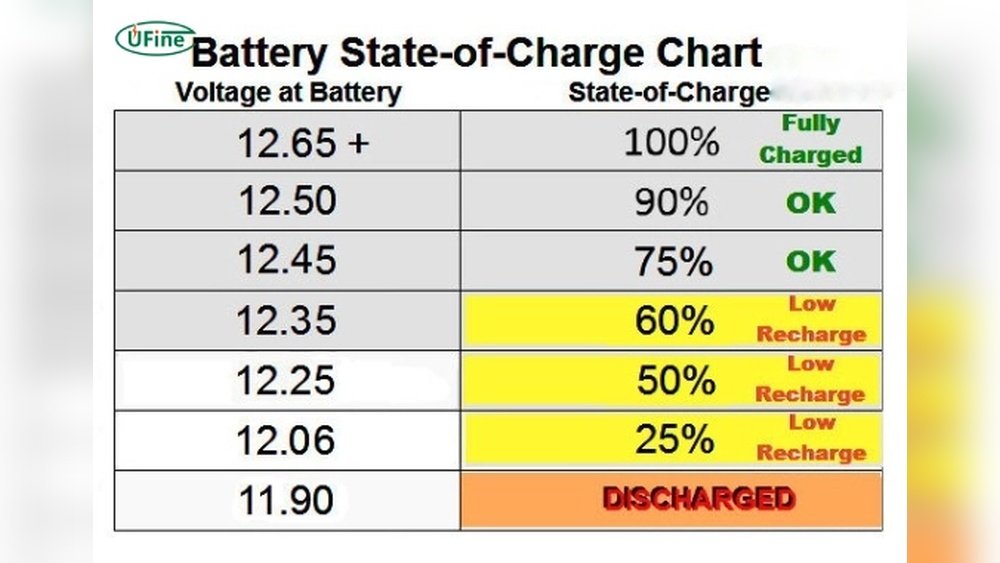
- A healthy, fully charged battery should read 12.6 volts or higher.
If the reading is below 12. 4 volts, your battery may be weak. Below 12 volts means it’s likely near the end of its life.
Load Testing
A load tester applies a temporary load to measure how well the battery holds up under stress. Many mechanics offer this test, which is more accurate than just checking voltage.
Battery Monitoring Systems
Some modern cars have built-in battery monitoring. You may see a message on your dashboard if the battery is weak.
Main Types Of Car Batteries And Their Lifespans
Not all car batteries are the same. The type you have affects how long it lasts and how you care for it.
| Battery Type | Average Lifespan | Key Features |
|---|---|---|
| Flooded Lead-Acid (FLA) | 3-5 years | Most common; needs occasional maintenance |
| Absorbent Glass Mat (AGM) | 4-7 years | Maintenance-free; handles deep cycles better |
| Enhanced Flooded Battery (EFB) | 4-6 years | Used in start-stop vehicles; more durable than FLA |
| Lithium-Ion | 8-10 years | Found in hybrid/electric vehicles; lighter and lasts longer |
Non-obvious Insight
- Switching to AGM batteries can give you longer life in cars with advanced electronics or start-stop systems. However, you should always check compatibility.
Factors That Shorten Or Extend Battery Life
Climate And Temperature
Heat is the biggest enemy of car batteries. High temperatures cause battery fluid to evaporate, which damages internal structure. Cold, on the other hand, reduces the battery’s ability to produce power.
If you live in a hot area, park your car in the shade or garage when possible. In cold climates, regular driving helps keep the battery charged.
Driving Patterns
Short, frequent trips are hard on batteries. The alternator needs at least 20 minutes of driving to recharge the battery after starting. If you only drive a few miles at a time, the battery never fully recovers.
Electrical Load
Modern cars have many electronic features, from infotainment systems to heated seats. These draw extra power from the battery. If you add aftermarket accessories (such as subwoofers or dash cams), make sure your battery is strong enough to handle the extra load.
Maintenance Habits
Keeping battery terminals clean and connections tight helps prevent power loss. Checking fluid levels in serviceable batteries can also extend life.
How To Extend The Life Of Your Car Battery
You can’t make a battery last forever, but you can maximize its lifespan with smart care.
1. Drive Regularly
Frequent, longer drives help keep your battery charged. Aim for at least one 20-minute drive each week if you don’t use your car daily.
2. Limit Short Trips
Combine errands to reduce the number of cold starts. Each start drains a lot of power.
3. Check And Clean Terminals
Dirt and corrosion reduce the connection between battery and cables. Use a battery cleaning brush to keep terminals shiny.
4. Secure The Battery
A loose battery vibrates, which can damage internal parts. Make sure the battery is properly clamped.
5. Turn Off Electronics When Idle
Turn off headlights, radio, and air conditioning before shutting off the engine. This prevents unnecessary drain at startup.
6. Avoid Extreme Temperatures
Whenever possible, park in a garage or shade. In winter, use a battery blanket or trickle charger if the car sits unused.
7. Test The Battery Annually
Have your battery checked at least once a year, especially after three years of use.
8. Replace Before Failure
If your battery is over four years old and shows signs of weakness, replace it before it fails completely. This prevents getting stranded.
Comparing Car Battery Brands And Warranties
Not all batteries are created equal. Quality, price, and warranty length can vary.
| Brand | Typical Warranty | Notable Features |
|---|---|---|
| Optima | 3 years | SpiralCell technology; high vibration resistance |
| Interstate | 2-4 years | Widely available; good value |
| DieHard | 2-3 years | Solid performance; nationwide support |
| ACDelco | 3 years | OEM supplier; reliable build |
| Exide | 2-4 years | Affordable; decent lifespan |
Practical Tips
- A longer warranty usually means higher quality, but not always. Check real-world reviews.
- Warranty is only useful if you keep your receipt and follow the maintenance guidelines.
Replacing Your Car Battery: What To Know
When it’s time to replace your battery, consider these steps:
1. Choose The Right Size
Car batteries come in different sizes and terminal configurations. Check your owner’s manual or the label on your old battery.
2. Match The Specs
Make sure the cold cranking amps (CCA) and reserve capacity match or exceed the original battery. This ensures your car starts reliably in all conditions.
3. Dispose Of The Old Battery Properly
Car batteries contain lead and acid, which are hazardous. Most auto parts stores will recycle your old battery for free when you buy a new one.
4. Install Carefully
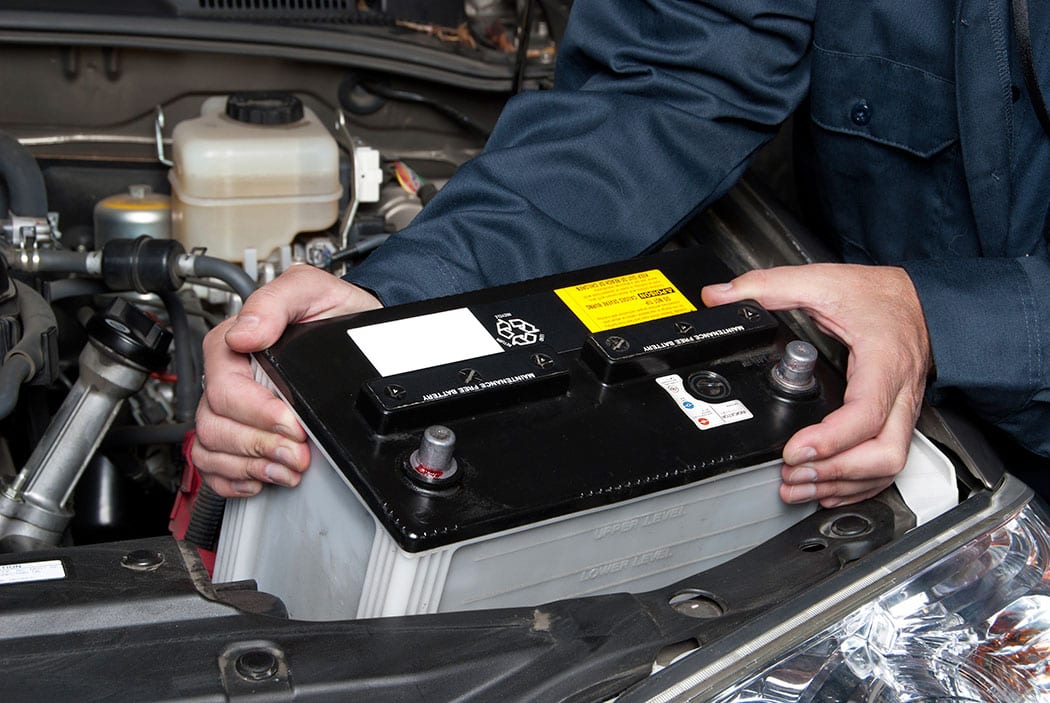
If you replace the battery yourself, disconnect the negative terminal first and reconnect it last. This prevents short circuits.
Non-obvious Insight
- If your car has advanced electronics, use a memory saver device when changing the battery. This keeps settings like radio presets and window positions.
Battery Maintenance For Different Climates
Climate has a huge impact on battery life. Here’s how to adapt your routine:
Hot Climates
- Check fluid levels often if your battery is not sealed.
- Park in the shade or use a sunshade inside your windshield.
- Consider AGM batteries, which handle heat better.
Cold Climates
- Use a battery warmer if temperatures often drop below freezing.
- Drive regularly to keep the battery charged.
- Keep your gas tank at least half full to prevent condensation, which can make starting harder.
Humid And Coastal Areas
- Clean terminals more often to prevent corrosion from salty air.
- Use dielectric grease to protect battery posts.
Common Mistakes That Shorten Battery Life
Many drivers accidentally reduce their battery’s lifespan without realizing it.
- Leaving headlights or interior lights on overnight.
- Ignoring corrosion on battery terminals.
- Repeatedly jump-starting without fixing the root problem.
- Letting the car sit unused for weeks or months.
- Installing an underpowered battery to save money.
- Using cheap chargers that overcharge or “cook” the battery.
Avoid these mistakes, and your battery will last much longer.
The Cost Of Car Battery Replacement
Battery prices vary widely, from $70 to $250 for most passenger cars. High-performance and AGM batteries cost more, while economy models are cheaper.
Factors affecting price:
- Battery type (standard, AGM, lithium-ion)
- Brand reputation
- Reserve capacity and cold cranking amps
- Warranty length
Labor costs for installation range from $15 to $50, but many stores include free installation.
How To Jump-start A Dead Battery
Knowing how to jump-start your car is a valuable skill. Here’s a safe method:
- Position the working vehicle close, but not touching.
- Turn off both cars.
- Connect one red jumper cable to the dead battery’s positive terminal.
- Connect the other red clamp to the good battery’s positive terminal.
- Connect one black clamp to the good battery’s negative terminal.
- Attach the other black clamp to an unpainted metal surface on the dead car (not the battery).
- Start the working car, then the dead car.
- Remove cables in reverse order.
Important Safety Tips
- Never let clamps touch.
- Wear eye protection.
- If the battery leaks or is swollen, do not attempt to jump-start.
The Role Of Alternators And Charging Systems
A healthy battery needs a working alternator. The alternator charges the battery while you drive. If your alternator is weak or failing, even a new battery will die quickly.
Signs of alternator trouble:
- Battery warning light on the dashboard
- Dimming lights while driving
- Burning smell from the engine
If you suspect charging problems, have your system tested by a mechanic.
How To Store A Car Battery
If you need to store a battery, like for a classic car or RV, follow these steps:
- Clean the battery and terminals.
- Store in a cool, dry place.
- Keep it off concrete floors to avoid discharge.
- Use a trickle charger or battery maintainer to keep it charged.
A battery left to sit will lose charge over time. Check it every month and recharge as needed.
Car Battery Myths And Facts
Some common beliefs about batteries are simply wrong. Let’s clear up a few:
- Myth: Driving daily guarantees a long battery life.
- Fact: Short trips still prevent full charging.
- Myth: All batteries are the same.
- Fact: Battery quality, type, and specs matter.
- Myth: Storing a battery on concrete drains it.
- Fact: Modern batteries are sealed; concrete is not a problem, but avoid moisture.
- Myth: You can revive any dead battery with a jump start.
- Fact: Some batteries are too far gone; replacement is the only solution.
Electric And Hybrid Car Batteries
Electric and hybrid vehicles use different battery technology—mainly lithium-ion. These batteries last longer, often 8 to 10 years or more, but they’re much more expensive to replace.
Manufacturers often offer separate warranties for hybrid batteries, sometimes up to 8 years or 100,000 miles. Regular 12V auxiliary batteries in hybrids still need the same care as those in traditional vehicles.
For in-depth info on electric car batteries, visit the Wikipedia page on automotive batteries.
Frequently Asked Questions
How Can I Tell If My Car Battery Is Still Good?
You can test your battery using a voltmeter. A reading of 12.6 volts or higher means it’s healthy. Dim lights, slow cranking, or electrical issues are warning signs. Most auto parts stores offer free battery tests.
Can A Car Battery Last 10 Years?
It’s rare. Most lead-acid batteries last 3-5 years. Advanced types, like AGM or lithium-ion (in hybrids), can last longer—sometimes 7-10 years. However, proper care and mild climate are key.
What Drains A Car Battery When The Car Is Off?
Parasitic drain from alarms, clocks, infotainment memory, or faulty wiring can slowly use power. Accidentally leaving lights or accessories on is a common cause.
Is It Safe To Drive With A Weak Battery?
It’s risky. A weak battery may start your car once, but can fail at any time—often at the worst moment. Replace a weak battery soon to avoid being stranded.
Can I Replace My Car Battery Myself?
Yes, if you follow safety steps: turn off the car, remove the negative terminal first, and install the new battery in the correct position. Always check your owner’s manual for special instructions, especially with modern vehicles.
Final Thoughts
A healthy car battery is essential for reliable driving. Most batteries last 3 to 5 years, but lifespan varies with climate, driving habits, and maintenance. Watch for warning signs, test your battery yearly, and don’t ignore electrical problems. With a little care, you can maximize battery life and avoid the frustration of a dead car in your driveway.
Taking these steps not only saves money—it keeps you on the road, where you belong.