Thank you for clarifying your needs. Here’s a comprehensive, in-depth article on the topic “How Long Does the Ancel AD310 Take to Scan a Vehicle? ” expanded to approximately 2000 words, with detailed explanations, examples, and all sections proportionally developed.
—
How Long Does The Ancel Ad310 Take To Scan A Vehicle?
If you want to check your car for problems, you might use a tool like the Ancel AD310 OBD2 scanner. Many people ask, “How long does the Ancel AD310 take to scan a vehicle? ” The answer depends on your car, the tool, and what you want to check.
Let’s look at what affects scan time, what to expect, and some useful tips.
What Is The Ancel Ad310?
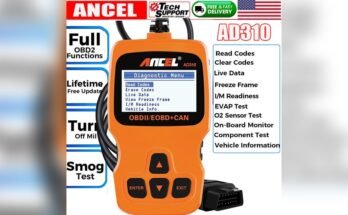
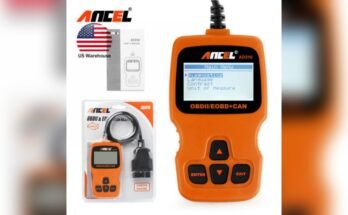
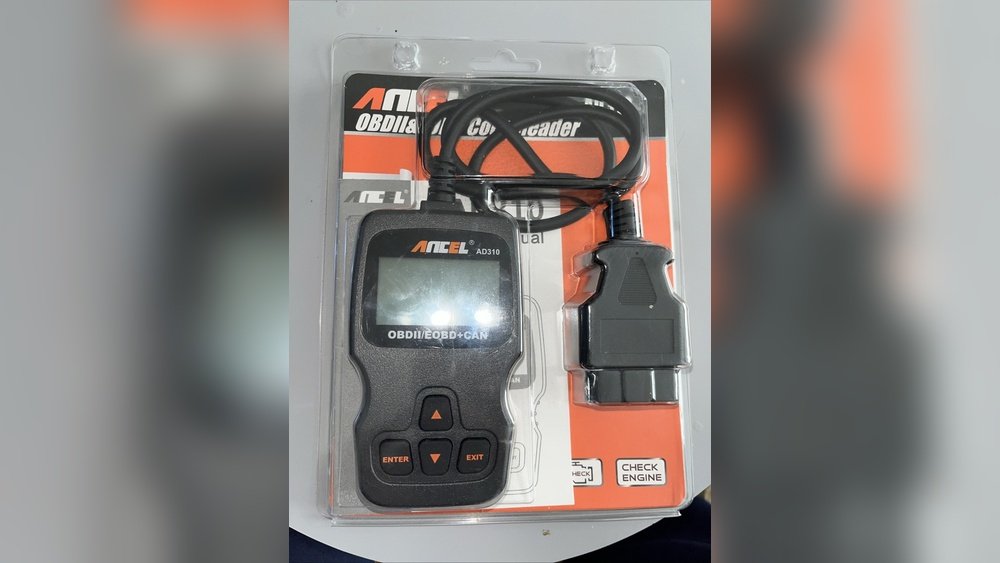
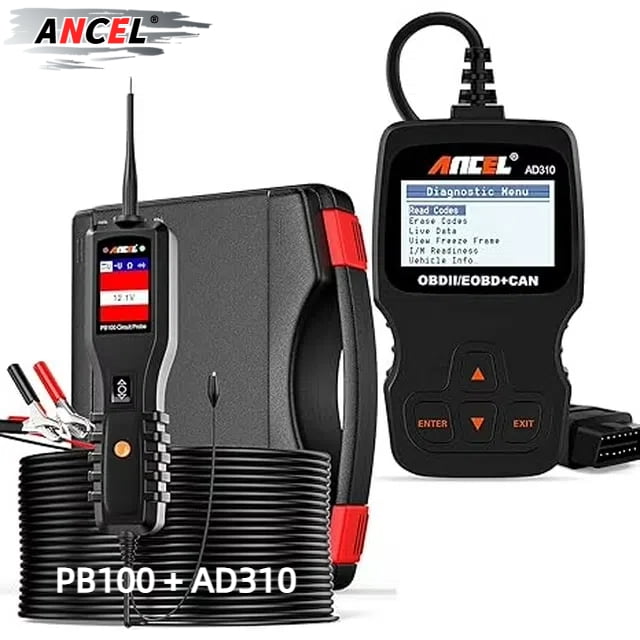
The Ancel AD310 is a simple diagnostic tool. It plugs into the OBD2 port, which is a special connector found in most cars made after 1996. This scanner lets you read trouble codes, clear them, and check if your car is ready for inspection.
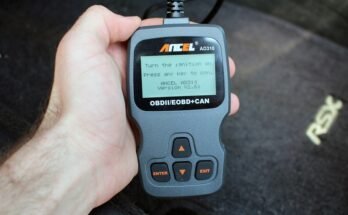
The AD310 doesn’t need batteries. It uses power from the car when you plug it in. The screen shows simple menus, which are easy to use. It does not need a computer or phone to work, making it a popular choice for beginners and car owners who want a quick check.
The device can read and erase error codes, show live data from the engine, and display freeze-frame data. While it is not as advanced as some professional tools, it provides basic information most drivers need. Its small size and low cost make it a favorite for home use.
How To Connect And Start Scanning
First, find your car’s OBD2 port. It is usually under the dashboard, near the steering wheel. Plug the Ancel AD310 into this port. The device will turn on. Follow these steps:
- Turn the key to the “ON” position, but do not start the engine.
- The AD310 will show a welcome screen. Press the “Enter” button.
- Choose “Read Codes” or “Scan” from the menu using the arrow keys.
- The tool will begin to communicate with your vehicle’s computer.
It’s important to make sure the car battery is not weak. If the voltage drops during scanning, the tool might lose connection or not finish the scan.
Typical Scan Time: What To Expect
For most cars, the Ancel AD310 takes about 10 seconds to 1 minute to scan for codes. Here’s why:
- The tool checks each part of the engine system for error codes.
- It communicates with the car’s computer, which can be fast or slow, depending on the car.
- Older cars might take a bit longer because their computers are slower.
- Newer cars usually respond quicker.
If you only check for codes, the scan is fast. If you want to see live data or do a full system check, it can take a bit longer (up to 2 minutes).
Example:
Maria owns a 2012 Toyota Corolla. When she plugs in her AD310 and selects “Read Codes,” it takes about 20 seconds to finish. Her friend has a 2004 Ford Focus, which takes about 50 seconds to scan. Both cars work fine, but the older Ford takes longer.
Factors That Affect Scan Time
Several things can change how long a scan takes:
1. Vehicle Make And Model
Different cars have different computers. Some cars respond fast, while others are slow. European cars (like BMW or Volkswagen) often take longer than Japanese or American cars.
Example:
A Honda Civic (2010) may connect and scan in 15 seconds.
A Mercedes-Benz (2006) could take 1–2 minutes.
2. Car’s Condition
If your car’s computer is damaged or has electrical problems, scanning might be slow. A weak battery can also make communication unstable.
3. What You Are Scanning
If you only check codes, it’s fast. If you ask the scanner to read live data or freeze-frame data, it needs to pull more information, which takes longer.
4. Obd2 Protocol Used
Cars use different communication standards (protocols). Some are faster (like CAN), while others are slower (like ISO 9141). The scanner must “talk” in the right language, and some languages are slower.
5. Scanner’s Firmware
If your AD310 has old software (firmware), it might scan slower than a newer version. Updating the tool, if possible, can help.
6. Environmental Factors
Sometimes, a poor connection or dirt on the OBD2 port can slow down scanning. Make sure the pins are clean and the plug fits well.
What Does The Scan Actually Do?
When you start a scan, the Ancel AD310 asks your car’s computer for stored codes. These codes tell you if something is wrong. For example, a “P0300” code means the engine is misfiring.
The scanner can also check “pending” codes—issues that the car has noticed but are not bad enough to turn on the check engine light. Some people check these codes before they become big problems.
The AD310 can show live sensor data, like engine speed (RPM), coolant temperature, and oxygen sensor readings. Watching these numbers helps you see if your car is running well.

What Can Slow Down A Scan?
While the AD310 is usually quick, sometimes it takes longer. Here are some common slowdowns:
- Loose OBD2 connection: If the plug is not tight, the scanner may try to reconnect.
- Old car battery: Low power makes communication difficult.
- Multiple systems: Some cars have more computers (modules), which take longer to check.
- Errors in car’s computer: If the car’s computer is slow or overloaded, it takes more time.
How To Make Scanning Faster
You can do a few things to speed up your scan:
- Make sure your car battery is fully charged.
- Clean the OBD2 port if it is dusty or dirty.
- Turn off all car accessories (like the radio or AC) before scanning.
- Use the latest version of the AD310, if possible.
- Only scan for codes, not live data, if you are in a hurry.
What If The Scanner Takes Too Long?
If your Ancel AD310 takes more than 2–3 minutes to scan, something may be wrong. Try these steps:
- Unplug the scanner and plug it in again.
- Make sure the car’s ignition is ON (not just ACC).
- Check the battery voltage.
- Try the scanner on a different car (to see if the problem is with the tool or your vehicle).
If it’s still slow, your car’s computer might have a problem, or the scanner may be faulty.
What To Do After The Scan
When the scan is done, the AD310 shows codes on the screen. Write them down. You can look them up online or in your car’s manual. The scanner can also erase codes, but only do this after fixing the problem.
Erasing codes before repair does not solve anything and could make it harder for a mechanic to help later.
If the scanner finds no codes, your car’s computer does not see any problems. But if your car still runs badly, there could be an issue the basic scanner cannot find. In that case, a more advanced scan or a visit to a mechanic is best.
Real-world Examples
Let’s see how the scan time can differ in real situations:
Example 1:
Tom uses his AD310 on a 2018 Mazda 3. He plugs it in, turns the key, and selects “Read Codes. ” The scan finishes in 12 seconds, showing no codes.
Example 2:
Lina tries the tool on her 2001 Jeep Cherokee. The scanner takes about 1 minute and 10 seconds to finish. It shows a “P0420” code for the catalytic converter.
Example 3:
Mark scans a 2009 Nissan Altima. The tool takes 25 seconds, but the scan stops halfway. He finds the OBD2 port was loose. After pushing the plug in firmly, the scan completes in 20 seconds.
What Beginners Often Miss
Most new users think a longer scan means something is wrong. But many factors can affect scan time. Also, the AD310 only reads engine codes, not transmission or airbag problems.
Some beginners also forget to turn the key to the ON position. If the ignition is not ON, the scanner can’t talk to the car’s computer.
Another common mistake is erasing codes right away. This might turn off the check engine light for a short time, but if you do not fix the problem, the light will come back.
Practical Tips For Using The Ancel Ad310
- Always have a pen and paper to write down codes.
- Search for code meanings on trusted sites like the [U.S. Environmental Protection Agency OBD resource](https: //www.epa.gov/obd).
- Do not scan in extreme heat or cold, which can affect the device.
- Be patient; sometimes, the scan takes a bit longer on older cars.
- If you keep getting connection errors, try another car to see if the scanner or the vehicle is the problem.
When To Seek Professional Help
The Ancel AD310 is great for basic checks. But if your car has serious problems, or the scanner can’t connect, a mechanic with advanced tools can help. Pro scanners read more codes (transmission, ABS, airbag) and can test more systems.
If your check engine light flashes or the car runs poorly, do not drive far—get help soon.

Common Questions
Can I Use The Ad310 On Any Car?
You can use it on most cars made after 1996 (in the US) and after 2001 (in Europe). Some rare cars do not support OBD2.
Does The Scanner Fix Problems?
No, it only tells you the code. You must fix the problem yourself or go to a mechanic.
How Do I Know What A Code Means?
Look up the code online. For example, “P0171” means the engine is running lean. The manual that comes with the AD310 also explains common codes.
Will Scanning Hurt My Car?
No. The AD310 only reads data. It does not change anything unless you erase codes.
Why Does My Scanner Say “no Connection”?
Check that the ignition is ON, the OBD2 port is clean, and the plug is firmly in.
Advanced Insights
Some cars store “permanent” codes, which cannot be erased until the problem is fixed and the car runs through a full drive cycle. The Ancel AD310 may show these codes even after you clear them.
The tool may also show “pending” codes, which are early warnings. Watching these can help you fix small issues before they become big repairs.
If you want to check more than the engine (like ABS or airbags), you need a more advanced scanner. The AD310 is for engine and emissions only.
Final Thoughts
The Ancel AD310 is a reliable, easy-to-use OBD2 scanner. In most cases, scanning your vehicle takes less than a minute. Several factors—like the car’s age, condition, and type—can make it a bit longer or shorter. For basic checks and code reading, this tool is fast, simple, and helpful for most car owners.
Always double-check connections, and remember that the scanner is a guide, not a repair tool.
With practice, you’ll learn to spot patterns: for example, older cars take longer, and a slow scan is not always a sign of trouble. The AD310 is a valuable tool for quick diagnostics, saving time and money on simple car problems.