Buying a new car battery seems simple, but the real cost can surprise many drivers. Maybe your car struggles to start, or warning lights pop up, and you wonder, “How much will a new battery set me back? ” The price is not just about the battery itself—there are different types, brands, and even installation fees that impact your final bill.
If you’ve never bought a car battery before, you might be shocked by the range of prices and options. Let’s break down everything you need to know, from the cheapest options to premium brands, so you can make a smart, confident choice.
What Affects The Price Of A New Car Battery?
Many drivers assume all car batteries are the same, but that’s not true. The cost depends on several key factors:
- Battery type (lead-acid, AGM, lithium-ion)
- Brand reputation and warranty
- Car make and model (luxury, hybrid, or standard cars)
- Size and power requirements (battery group size, cold cranking amps)
- Retailer markup (auto shops vs. online stores)
- Installation costs (DIY or professional)
- Location and taxes
For example, a standard lead-acid battery for a Toyota Corolla will cost far less than a high-end AGM battery for a BMW or an electric car lithium-ion pack. Some cars even require batteries with special technology. Understanding these factors will help you avoid overpaying or choosing the wrong option.
Average Price Ranges For Car Batteries
To get a sense of what you’ll pay, here’s a breakdown of average price ranges by battery type and vehicle category:
| Battery Type | Price Range (USD) | Example Vehicles |
|---|---|---|
| Standard Lead-Acid | $60–$150 | Toyota Corolla, Honda Civic |
| Absorbed Glass Mat (AGM) | $150–$300 | BMW 3 Series, Ford F-150 |
| Lithium-Ion (EV/Hybrid) | $1,000–$6,000+ | Tesla Model 3, Toyota Prius |
| Start-Stop Batteries | $180–$350 | Mercedes-Benz E-Class, Audi A4 |
Key insight: Prices can be much higher if you need a premium battery or have a luxury or hybrid car. Some newer vehicles also require batteries with extra sensors or unique shapes, which often cost more.
Types Of Car Batteries And Why They Matter
Not all batteries are created equal. The technology inside affects performance, lifespan, and price.
Standard Lead-acid
These are the most common and cheapest. They work well for most older cars and basic models. Lead-acid batteries are reliable but usually last 3–5 years. If your car doesn’t need extra power for advanced electronics, this type is often enough.
Absorbed Glass Mat (agm)
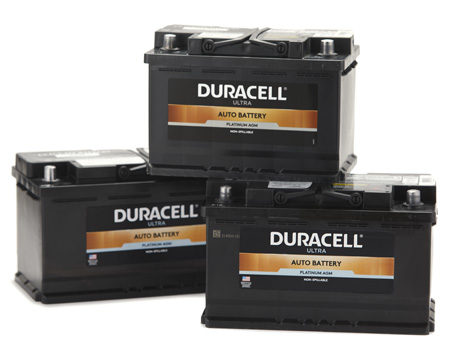
AGM batteries are a step up. They handle more power, last longer (up to 6 years), and are better for cars with lots of electronics or start-stop systems. While more expensive, they offer better performance, especially in extreme weather.
Lithium-ion
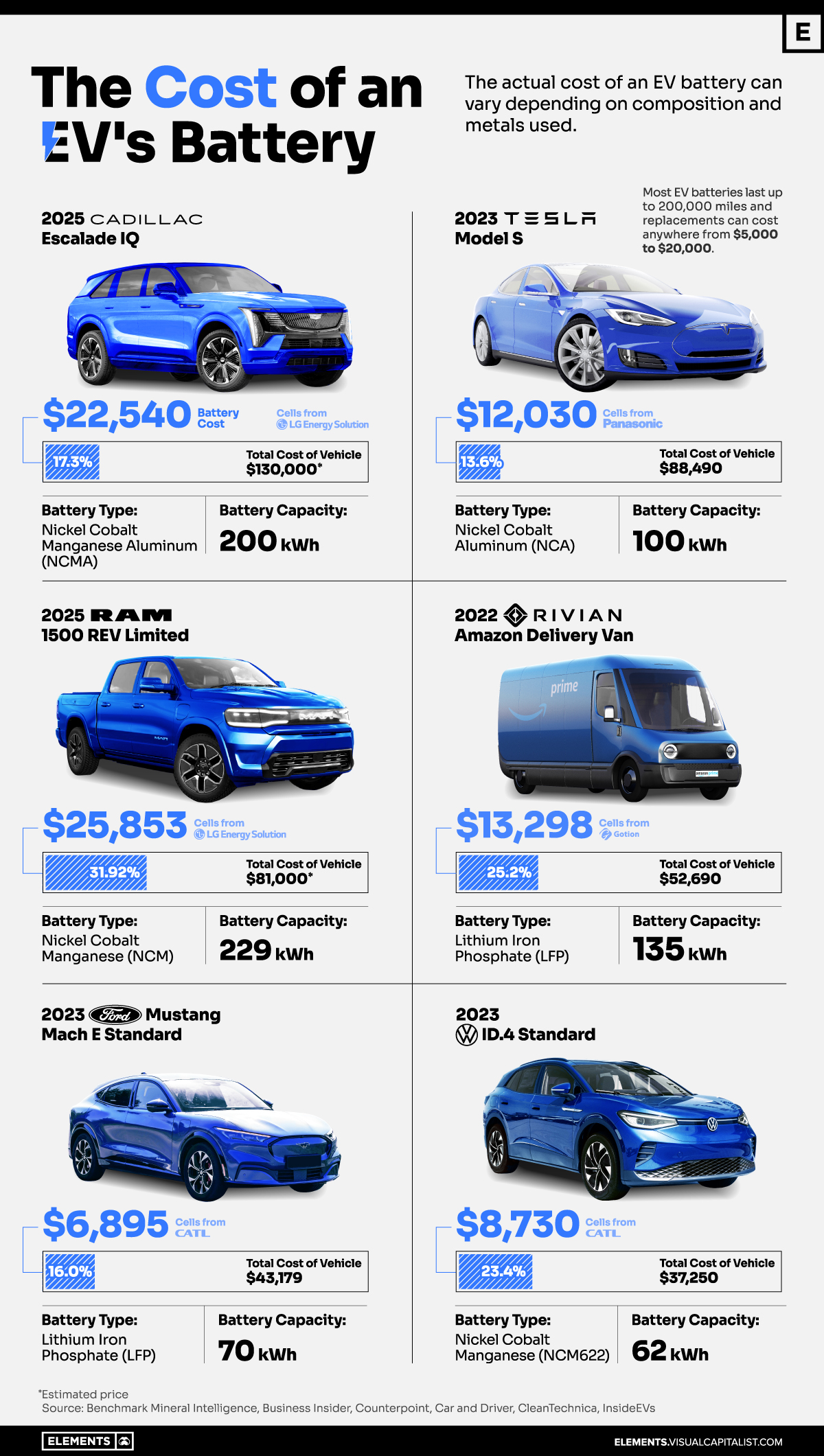
You’ll find these in electric vehicles (EVs) and hybrids. They last much longer—sometimes 8–10 years—but cost thousands of dollars to replace. Some plug-in hybrids use smaller lithium-ion packs, but even those are pricey.
Start-stop Batteries
Many modern cars turn off the engine at stoplights to save fuel. These vehicles need special batteries that can handle frequent restarts. Start-stop batteries are usually AGM or EFB (Enhanced Flooded Battery), both pricier than standard types.
Non-obvious tip: Buying a cheaper battery for a car that needs AGM or start-stop tech can cause system errors or even void your warranty. Always check your owner’s manual before choosing.
Comparing Popular Car Battery Brands
Brand reputation matters for reliability and warranty. Some brands charge more, but the higher price may bring better performance and support. Here’s how common brands compare:
| Brand | Price Range | Warranty | Notable Features |
|---|---|---|---|
| DieHard | $120–$280 | 2–4 years | Trusted, long life |
| Optima | $200–$350 | 3 years | Spiral cell tech, high performance |
| ACDelco | $100–$250 | 18–42 months | OEM for GM vehicles |
| Interstate | $90–$220 | 2–3 years | Widely available |
| EverStart | $60–$140 | 1–3 years | Budget choice, Walmart exclusive |
Some premium batteries include free roadside assistance or prorated replacement if they fail early. Don’t ignore the warranty—cheaper brands sometimes only guarantee 12 months.
How Vehicle Make And Model Impacts Battery Cost
Your car’s make and model directly affect what battery you need and how much you’ll pay.
- Standard sedans and compact cars: Most use regular lead-acid batteries. You can usually find a good replacement for under $150.
- Luxury cars (BMW, Mercedes, Audi): These often need AGM or start-stop batteries and can be much more expensive—$200 to $400 or more.
- Hybrid and electric vehicles: Their batteries are specialized and can cost thousands. Even the smaller “starter” battery in a hybrid can be $200–$300, while the main drive battery is far more.
- Pickup trucks and SUVs: Larger engines require more powerful (and pricier) batteries. Expect to pay $150–$250 for a quality unit.
Practical insight: Some cars have batteries in hard-to-reach places (like the trunk or under a seat). This drives up installation costs and time.
What Does Installation Cost?
Buying a battery is just part of the expense. You may need to pay for installation, especially if you’re not comfortable swapping the battery yourself.
- DIY installation: Free, if you have basic tools and know-how. Most batteries are held with a bracket and use simple connections.
- Auto parts store: Many offer free installation if you buy from them (AutoZone, Advance Auto Parts, etc. ).
- Dealership or mechanic: Installation can cost $20–$100 extra, especially if the battery is hard to access or the car needs computer resets.
Some luxury cars require special tools to register the new battery with the car’s system. For example, BMW and Audi sometimes require a computer reset, which adds labor costs.
Beginner mistake: Disconnecting the battery on some cars without proper steps can erase radio codes, clock settings, or even trigger anti-theft features. Always check your owner’s manual for safe removal instructions.
Additional Fees And Hidden Costs
It’s easy to focus on the sticker price, but there are often extra costs:
- Core charge: Many places add a $10–$20 “core” fee, refunded when you return the old battery for recycling.
- Battery recycling/disposal: Some areas require a fee if you don’t return the old battery.
- Testing fees: If you ask a shop to diagnose your battery, they may charge $10–$30 for testing.
- Environmental fees: Some states add small charges to cover recycling programs.
These fees can push a $120 battery to $150 or more out the door.
How Long Do Car Batteries Last?
Knowing battery lifespan helps you budget for replacements. Most car batteries last:
- Standard lead-acid: 3–5 years
- AGM or start-stop: 4–6 years
- Lithium-ion (EV): 8–10 years or more
Hot climates, short trips, and lots of electronics can shorten battery life. Some batteries fail early due to manufacturing defects or improper installation.
Non-obvious insight: Frequent short trips don’t give the alternator enough time to recharge your battery fully. If you mostly drive short distances, expect to replace your battery more often.
Where To Buy A New Car Battery
You have several options, each with pros and cons:
- Auto parts stores (AutoZone, Advance Auto, O’Reilly): Good selection, fair prices, often free installation.
- Big retailers (Walmart, Costco, Sam’s Club): Low prices, but sometimes limited choices for special batteries.
- Dealerships: More expensive, but guaranteed to get the right part and proper installation, especially for complex systems.
- Online (Amazon, RockAuto): Wide selection and sometimes lower prices, but you’ll need to install it yourself or pay a shop.
Always check the battery’s date code before buying. Some stores sell older stock, which means you get less usable life.
How To Choose The Right Battery For Your Car
Picking the right battery avoids wasted money or future problems. Here’s what matters most:
- Correct size (group number): Check your owner’s manual or the old battery label.
- Cold Cranking Amps (CCA): Higher CCA means better starting power, especially in cold climates.
- Reserve Capacity (RC): Longer RC helps your car run electronics if the alternator fails.
- Warranty length: Longer is better, but read the fine print—some warranties are “prorated.”
- Brand reputation: Pick trusted brands for reliability.
Example: Choosing For A 2017 Honda Accord
- Group size: 51R
- CCA: At least 410
- Recommended brands: Interstate, DieHard, ACDelco
- Price range: $110–$180
Avoid buying a battery with lower CCA than your car’s requirement, even if it’s cheaper. It might not start your car reliably.
When Should You Replace Your Car Battery?
Don’t wait for a total failure. Signs you need a new battery:
- Slow engine cranking
- Dashboard warning lights
- Dim headlights or electrical problems
- Swollen battery case
- Corrosion on terminals
- Battery older than 3–5 years
Some auto parts stores offer free battery testing. Testing is quick and can prevent being stranded.
Can You Save Money With A Used Or Refurbished Battery?
Used or refurbished batteries are cheaper—usually $30–$60—but there are risks:
- Shorter lifespan: You might only get a year or less.
- No warranty: Most don’t include guarantees.
- Unknown history: Previous deep discharges or damage can shorten life.
Used batteries can work for selling an old car or in emergencies, but for daily drivers, new is almost always best.
.png)
Tips To Extend Your Car Battery Life
You can make your new battery last longer and save money with simple habits:
- Drive longer trips regularly: This helps the alternator fully recharge the battery.
- Check and clean terminals: Remove corrosion with a wire brush and baking soda.
- Secure the battery: Loose batteries vibrate, which causes internal damage.
- Turn off lights and electronics: Leaving them on drains the battery quickly.
- Test annually: Catch weak batteries before they fail.
Non-obvious tip: Many newer cars have “sleep” modes that draw power even when off. If you store your car for long periods, use a battery maintainer.
Common Mistakes When Buying A Car Battery
Many people waste money or cause car problems by making these errors:
- Buying the wrong size: Double-check your group number.
- Choosing too little CCA: Cold starts can fail with weak batteries.
- Ignoring the warranty: A short warranty often means lower quality.
- Skipping the core return: You might lose your deposit if you forget.
- Not resetting car electronics: Some vehicles need a battery registration step.
If you’re not sure, ask a professional or check your vehicle’s manual before purchase.
Car Battery Price Comparison: Diy Vs. Professional Installation
Let’s compare the total cost for two common scenarios—a budget sedan and a luxury car.
| Scenario | DIY Cost | Professional Cost |
|---|---|---|
| Toyota Corolla (Lead-Acid) | $90 (battery only) | $120 (battery + $30 labor) |
| BMW 5 Series (AGM) | $220 (battery only) | $320 (battery + $100 labor) |
| Tesla Model 3 (Lithium-Ion) | N/A (specialist only) | $3,000–$6,000 |
Bottom line: If your car is simple and you’re handy, DIY can save money. For complex vehicles, professional installation is often worth the cost.
The Value Of A Warranty: Short-term Vs. Long-term Costs
A longer battery warranty may cost more upfront but can save money if the battery fails early. Consider:
- 1-year warranty: Usually the cheapest, but you pay again soon if it fails.
- 3-year+ warranty: More peace of mind and often better quality.
Don’t forget to register your battery with the manufacturer if required to activate the warranty.
Are Expensive Car Batteries Worth It?
Paying more for a premium battery brings:
- Better starting power
- Longer life
- More warranty coverage
- Improved performance in extreme weather
But if you have an older, basic car, the cheapest reliable battery is often enough. For luxury cars, hybrids, or harsh climates, spending more upfront usually makes sense.
Environmental Impact And Battery Recycling
Used car batteries are full of toxic chemicals but also valuable materials. Nearly 99% of lead-acid batteries are recycled in the US, making them one of the most recycled products. Always return your old battery to the store or recycling center.
If you’re curious about the recycling process, the U.S. Environmental Protection Agency has more details: EPA on Battery Recycling.
How To Get The Best Deal On A New Car Battery
Want to avoid overpaying? Use these tips:
- Compare prices: Check local stores, big box retailers, and online sites.
- Look for promotions: Many stores offer seasonal discounts or rebates.
- Ask about free installation: This can save $20–$50.
- Check manufacture dates: Newer is better—avoid old stock.
- Recycle your old battery: Get your core fee back.
Frequently Asked Questions
How Do I Know When My Car Battery Needs To Be Replaced?
Look for slow cranking, warning lights, electrical issues, or a battery older than 3–5 years. Free testing at auto parts stores can confirm if your battery is weak.
Are Premium Car Batteries Worth The Higher Price?
Premium batteries offer longer life, better warranties, and improved performance, especially in luxury or high-demand vehicles. For basic cars, a quality standard battery is often enough.
Can I Replace My Car Battery Myself?
Yes, for most cars, replacing the battery is a simple DIY job with basic tools. Some luxury or hybrid cars may need professional help due to complex systems or battery registration.
Do I Need To Reset Anything After Changing My Car Battery?
Some cars require you to reset the clock, radio, or even register the new battery with the car’s computer. Check your owner’s manual for instructions.
How Much Does It Cost To Replace A Hybrid Or Electric Vehicle Battery?
Hybrid and electric vehicle batteries are much more expensive, often $1,000–$6,000 or more. Smaller starter batteries in hybrids are similar in price to regular car batteries.
When you understand all the factors, buying a new car battery becomes much easier—and you’ll avoid surprises at the checkout. Whether you drive a basic sedan or a modern luxury car, the right battery keeps you moving with confidence.