How Often Should You Charge A Car Battery?
Every driver knows the frustration of a dead battery. You turn the key, and nothing happens. But how often should you actually charge a car battery to keep this from happening? The answer depends on several factors, including your driving habits, the type of car you own, climate, and even the age of the battery.
Understanding the right charging schedule can extend your battery’s life, save you money, and prevent inconvenient breakdowns.
This article explores everything you need to know about charging car batteries. You’ll learn about battery basics, factors that affect charging frequency, differences between regular and deep-cycle batteries, and how to create a practical charging routine. We’ll also cover the signs of a weak battery, mistakes to avoid, and tips for long-term battery health.
By the end, you’ll have a complete understanding of when and how to charge your car battery for the best results.
Understanding Car Battery Basics
Before deciding how often to charge your battery, it helps to understand what a car battery does and how it works. Most modern cars use a lead-acid battery. This battery stores energy in chemical form and releases it as electricity when needed. The battery’s main job is to start the engine and provide power to electronics when the engine is off.
When the engine runs, the alternator recharges the battery. This is why, under normal driving conditions, you rarely need to charge the battery manually. However, the alternator cannot always keep up if you only drive short distances or if the battery is old or damaged.
Batteries are measured in ampere-hours (Ah), which tells you how much energy they can store. Most car batteries range from 40Ah to 80Ah. They also have a “cold cranking amps” (CCA) rating, which shows how much power they can deliver at low temperatures.
A healthy battery should stay between 12. 4V and 12. 7V when fully charged. If the voltage drops below 12. 2V, the battery is considered undercharged, and you may need to recharge it soon.
Factors That Affect Charging Frequency
There’s no single answer for how often you should charge a car battery. Several factors play a key role:
1. Driving Habits
If you drive long distances regularly, your alternator usually keeps your battery charged. But if you only make short trips—especially under 20 minutes—your battery may not get enough charge from the alternator. In this case, manual charging every 1-2 months is a good idea.
2. Climate
Cold weather makes it harder for batteries to hold a charge. In very cold climates, the battery’s chemical reactions slow down, and the engine needs more power to start. In hot climates, high temperatures can evaporate battery fluid and cause faster self-discharge. If you live in an extreme climate, check and charge your battery more often, especially in winter and summer.
3. Age Of Battery
A new battery holds charge better than an old one. After 3-5 years, most car batteries start to lose their ability to recharge fully. An older battery may need charging every month or even more often.
4. Type Of Vehicle
Some cars, especially luxury models, have many electronic systems that drain the battery even when the car is off. Stop-start systems in modern cars can also put extra stress on the battery. If your vehicle has high electrical demand, you may need to charge the battery more frequently.
5. Battery Type
Standard lead-acid batteries need different care than AGM (Absorbent Glass Mat) or lithium-ion batteries. For example, AGM batteries can handle deeper discharges but also need to be kept at a high state of charge.
6. Frequency Of Use
If you park your car for weeks without driving, the battery will slowly lose charge, even if nothing is “on. ” For cars that sit unused, top up the battery every 2-4 weeks.
7. Electrical Accessories
Using lights, the radio, or phone chargers while the engine is off will drain the battery. If you use accessories often without running the engine, charge the battery more regularly.
How Often Should You Charge A Car Battery? Practical Guidelines
Now, let’s break down some practical recommendations based on different scenarios.
For Daily Drivers
If you drive your car every day for at least 30 minutes, the alternator should keep your battery charged. In normal conditions, you rarely need to use a charger. However, it’s still a good idea to:
- Check battery voltage once a month.
- Use a battery charger every 3-4 months as preventive maintenance.
For Infrequent Drivers
If you drive only a few times per week or make only short trips:
- Check battery voltage every 2 weeks.
- Charge the battery every 1-2 months, or whenever voltage drops below 12.4V.
For Stored Cars
If you store your car for weeks or months (for example, a classic car or a car parked for winter):
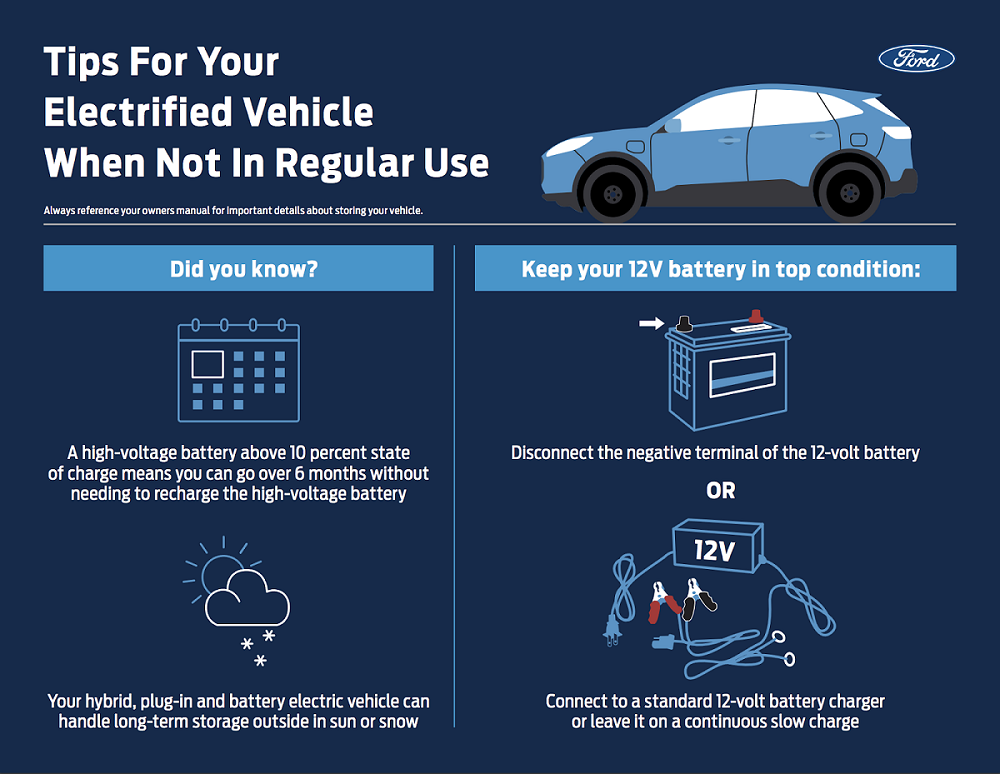
- Connect a trickle charger or battery maintainer to keep the battery at full charge.
- If you don’t have a maintainer, charge the battery fully every 2-4 weeks.
For Older Batteries
If your battery is more than 3 years old:
- Test the battery every month.
- Charge at least once a month, or more often if voltage is low.
For Extreme Climates
If you live in very hot or cold areas:
- Test voltage every 2 weeks.
- Charge every month, or as needed based on voltage readings.
How To Check Car Battery Charge
Knowing when to charge your battery starts with checking its current state. Here’s how you can do it safely:
Using A Multimeter
- Turn off the engine and all electronics.
- Set your multimeter to DC Volts.
- Connect the red probe to the positive terminal and the black probe to the negative terminal.
- Read the voltage.
- 12.7V or above: Fully charged
- 12.4V to 12.6V: Good charge
- 12.2V to 12.4V: Below optimal
- Below 12.2V: Needs charging
Using A Battery Tester
A battery tester can give more details, such as CCA and battery health. Many auto parts stores will test your battery for free.
The Difference Between Charging And Maintaining
Many people confuse “charging” with “maintaining. ” Understanding the difference will help your battery last longer.
- Charging means adding energy to a low or dead battery. This is done with a regular or smart charger.
- Maintaining means keeping a battery at full charge over time, usually with a trickle charger or maintainer.
If you use your car daily, the alternator does the maintaining. If your car sits, a trickle charger is the best way to avoid sulfation and battery failure.
Fast Charging Vs. Slow Charging
Charging speed matters. Here’s a comparison of the two main methods:
| Charging Method | Time to Full Charge | Best For | Risks |
|---|---|---|---|
| Slow Charging (2-10 Amps) | 6-24 hours | Battery health, long-term use | Few, if charger is automatic |
| Fast Charging (15 Amps+) | 1-3 hours | Emergency charging | Can cause overheating, reduce battery life |
For most people, slow charging is best. It’s safer and gives the battery a deep, even charge. Use fast charging only in emergencies, and never leave a battery on a fast charger unattended.
Common Mistakes When Charging Car Batteries
Many battery problems come from improper charging. Here are mistakes to avoid:
- Overcharging: Leaving the charger on too long can boil off battery fluid and cause permanent damage.
- Undercharging: Not charging enough leads to sulfation, which reduces battery capacity.
- Using the Wrong Charger: Always match your charger to your battery type (lead-acid, AGM, lithium).
- Charging a Frozen Battery: Trying to charge a frozen battery can cause it to explode.
- Not Cleaning Terminals: Dirty terminals can prevent proper charging and cause poor connections.
Signs Your Battery Needs Charging
Don’t wait until your car won’t start. Look for these signs that your battery needs attention:
- Slow engine crank: The engine turns over slowly when starting.
- Dim headlights: Lights are weaker than usual.
- Warning light: Battery or charging system light on the dashboard.
- Clicking sound: Clicking but no start when you turn the key.
- Electronics problems: Radio, power windows, or other systems not working right.
If you notice these problems, check your battery voltage right away.

Battery Maintenance Tips For Maximum Life
Good charging habits are just one part of keeping your battery healthy. Here are practical tips for long-lasting performance:
- Keep terminals clean: Corrosion can block power flow. Clean with baking soda and water.
- Secure the battery: Make sure the battery is tightly fastened. Vibrations can damage it.
- Check fluid level: For non-sealed batteries, top up with distilled water if needed.
- Test regularly: Check voltage and overall health every 1-2 months.
- Drive longer trips: Short trips don’t let the alternator recharge fully.
- Use a maintainer for stored cars: This prevents self-discharge and sulfation.
- Protect from extreme temperatures: Use insulation if your area has very hot or cold weather.
Comparing Battery Types: Charging Needs
Different batteries have different charging and maintenance needs. Here’s a quick comparison:
| Battery Type | Common Use | Charging Frequency | Notes |
|---|---|---|---|
| Lead-Acid (Flooded) | Most cars | Every 1-3 months (if not driven regularly) | Needs fluid check |
| AGM (Absorbent Glass Mat) | Stop-start, luxury cars | Every 1-2 months (if not driven regularly) | Handles deeper discharges |
| Lithium-Ion | Electric vehicles, some hybrids | Rarely (has battery management system) | Very sensitive to overcharging |
How Long Does It Take To Charge A Car Battery?
The time it takes to charge a battery depends on its size, how empty it is, and the charger’s speed. For example:
- A 50Ah battery at 2A: 25 hours from empty.
- At 10A: 5 hours from empty.
Most people only need to “top up” the battery, which usually takes 2-6 hours with a slow charger.
What To Do If Your Battery Keeps Dying
If you charge your battery often but it dies quickly, something may be wrong. Possible causes:
- Parasitic drain: Electronics are using power when the car is off.
- Bad alternator: The charging system is not working.
- Old battery: The battery can’t hold a charge anymore.
If your battery dies more than once a month, have your car and battery checked by a professional.
Solar And Smart Chargers: Are They Worth It?
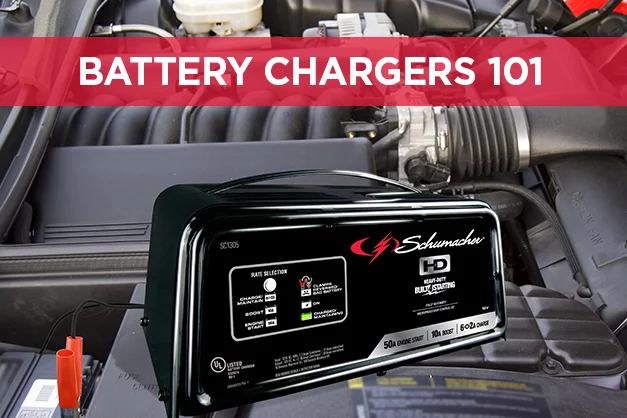
Modern chargers make battery maintenance easier. Smart chargers automatically stop charging when the battery is full, preventing overcharge. Solar chargers can help maintain charge in parked cars, especially in sunny climates.
These devices are very useful for people who store cars or don’t drive often. They pay for themselves by preventing dead batteries and early replacements.
How Long Can A Car Battery Sit Without Charging?
A healthy, fully charged battery can sit for about 2-3 months before it loses enough power to cause starting problems. However, many factors change this:
- Hot weather can shorten this to 1 month.
- Old batteries may last only a few weeks.
- If the car has parasitic drains (like alarm systems), the battery will die faster.
For long-term storage, always use a maintainer.
Charging After A Jump Start
If you jump-start your car, drive for at least 30-60 minutes or use a charger right away. Short drives may not recharge the battery enough, leading to another dead battery soon.
Deep-cycle Vs. Standard Car Batteries
Some vehicles (like RVs or boats) use deep-cycle batteries. These can be discharged and recharged many times, but they need regular, full charges to avoid damage. Never use a deep-cycle battery as a starting battery in a regular car.
Environmental Impact: Why Charging Matters
A poorly maintained battery often ends up in a landfill too soon. Lead-acid batteries are recyclable, but making new ones takes resources and energy. By charging and caring for your battery, you help reduce waste and pollution.
Real-world Example: Urban Vs. Rural Drivers
Consider two drivers:
- Emily lives in a city and drives 10 minutes to work, mostly in traffic. She should check her battery monthly and charge it every 1-2 months.
- Jack lives in the country and drives 45 minutes each way. His battery stays healthy from driving and may need charging only once or twice a year.
This shows how your routine affects battery care.
Two Surprising Insights Most Drivers Miss
- Short trips are worse than you think: Even 10-15 minute drives may not let your alternator recharge the battery, especially if you use headlights, AC, or the radio. Many people think driving “a little bit” is enough, but it often isn’t.
- Temperature swings cause more damage than use: Batteries can lose more life from sitting in a hot or cold driveway than from normal use. Parking in a garage or using a battery blanket can make a big difference.
When To Replace Instead Of Charge
No matter how well you charge, batteries wear out. Signs you need a new battery:
- It won’t hold a charge even after full charging.
- Voltage drops quickly when the car sits overnight.
- Battery case is swollen, cracked, or leaking.
Testing your battery at an auto parts store can help you decide.
Advanced: Battery Desulfators And Reconditioners
For those who want to extend battery life further, desulfators are special devices that break up sulfation (crystals on the battery’s plates). These can sometimes restore weak batteries, but they work best as a preventive tool—not a fix for totally dead batteries.
Summary Of Key Charging Recommendations
To wrap up, here’s a summary of when to charge your car battery:
- Daily drivers: Every 3-4 months.
- Infrequent drivers: Every 1-2 months.
- Stored cars: Every 2-4 weeks or use a maintainer.
- Extreme climates: Every month or more.
- Older batteries: Every month or more.
Check your battery’s voltage regularly, and never ignore warning signs.
Frequently Asked Questions
How Can I Tell If My Car Battery Needs Charging?
If your battery voltage is below 12. 4V, or you notice slow starting, dim lights, or warning lights, it’s time to charge. Testing with a multimeter is the most accurate way.
Can I Overcharge My Car Battery?
Yes. Overcharging can damage the battery, boil off fluid, and reduce its lifespan. Always use a smart charger or monitor the battery during charging.
How Long Should I Drive To Recharge My Battery After A Jump Start?
Drive at least 30-60 minutes, but it’s safer to use a charger to ensure the battery is fully charged.
Is It Safe To Leave A Trickle Charger On All The Time?
Modern trickle chargers (battery maintainers) are safe to leave connected for long periods. They turn on and off as needed, preventing overcharging.
What Is The Best Way To Keep My Battery Charged During Winter?
Use a battery maintainer if you don’t drive often. In very cold climates, parking indoors and insulating the battery can also help.
For more in-depth information on car batteries and their maintenance, visit the Automotive battery Wikipedia page.
By following these guidelines, you can avoid the hassle of a dead battery, save money, and keep your car running smoothly all year long.