Car maintenance often seems confusing, especially for new drivers or those who don’t work on their cars much. One question that comes up again and again is: how often should you replace a car battery? Most people know that a dead battery can leave you stranded, but not everyone knows when or why you should change it before trouble starts. The answer isn’t always simple, but understanding a few basics can help you avoid surprises and keep your car running smoothly.
The truth is, car batteries don’t last forever. They work hard every time you start your engine, power your lights, and run things like your radio or air conditioning when the car isn’t running. Over time, all this work wears them out.
But how do you know when it’s time to replace your battery, and what signs should you look for? This article will help you understand the factors that affect car battery life, the warning signs, and how to choose the right time for a replacement.
Whether you drive daily or just on weekends, these tips will help you avoid the inconvenience of a dead battery and even save money in the long run.
What Is The Average Lifespan Of A Car Battery?
Most car batteries last between 3 to 5 years. This is a general guideline, not a strict rule. Some batteries die in as little as two years, while others last more than five. The variation depends on the battery type, climate, driving habits, and how the car is used.
Why 3–5 Years Is Typical
- Lead-acid batteries, the most common type, naturally lose ability over time.
- Inside the battery, chemical reactions happen every time you use it. With each cycle, the battery loses a tiny bit of its maximum charge.
- Hot weather speeds up this process, while cold can slow it down but also challenge the battery during starts.
Exceptions To The Rule
- Some premium batteries (like AGM or absorbent glass mat) may last longer, up to 6 years with ideal care.
- If you live in a hot climate or leave your car unused for long periods, your battery may die sooner.
Non-obvious insight: The “5-year” mark is not a magic number. It’s wise to start paying attention to your battery’s health after 3 years, even if everything seems fine.
Key Factors Affecting Car Battery Life
No two drivers use their cars the same way, so battery life can be very different from one vehicle to the next. Here’s what really matters:
1. Climate And Temperature
- Heat is the biggest battery killer. In places with hot summers, batteries often last only 2–3 years.
- Cold weather slows the chemical reaction inside batteries, making them work harder to start your car. However, heat does more long-term damage.
- Parking in a garage or shaded area can help your battery last longer.
2. Driving Habits
- Short trips drain the battery because the alternator doesn’t have enough time to recharge it fully.
- If you mainly drive less than 10–15 minutes at a time, your battery’s life will be shorter.
- Frequent long drives help your battery stay healthy by keeping it fully charged.
3. Electrical Load
- Modern cars have more electronics—navigation, sound systems, alarms, and more. All these draw power from the battery.
- Leaving lights on or using electronics with the engine off drains the battery faster.
4. Battery Quality
- Cheaper batteries often have thinner plates inside, which wear out sooner.
- Brand reputation matters. Trusted brands usually offer better quality and longer warranties.
5. Maintenance
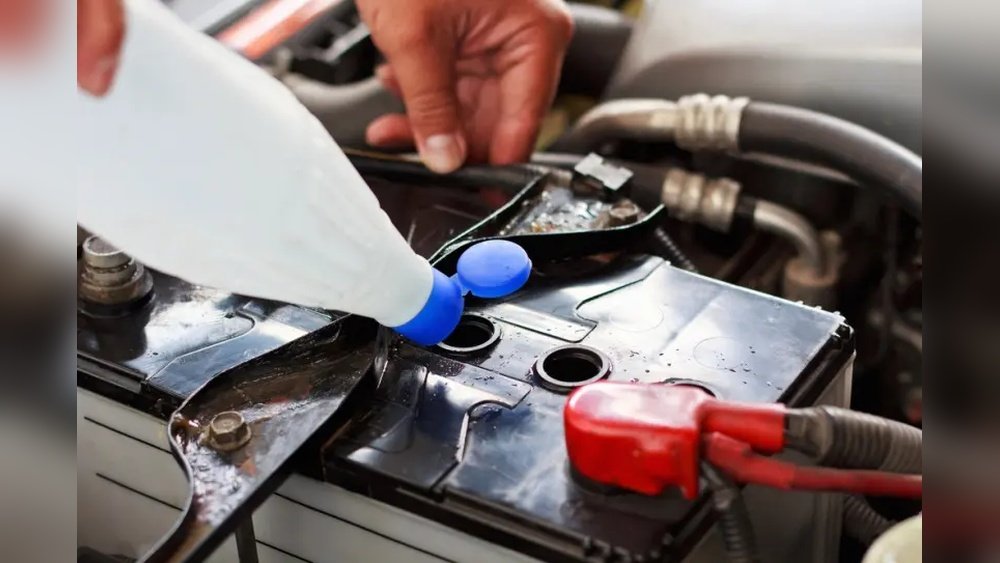
- Keeping terminals clean and tight prevents energy loss and corrosion.
- Regular checks for leaks, swelling, or cracks can extend battery life.
Non-obvious insight: Even not driving your car can be bad for the battery. Batteries slowly lose charge while sitting, and if they drop too low, they may never fully recover.
Signs Your Car Battery Needs Replacing
You don’t always get a warning before a battery fails completely, but often there are signs if you pay attention.
1. Slow Engine Crank
The most common warning is a slow or “sluggish” start. If your engine turns over more slowly than usual, your battery may be weak.
2. Dim Lights And Electrical Problems
- Headlights, dashboard lights, or interior lights that look dim are a signal the battery isn’t providing enough power.
- Electrical accessories (radio, power windows) may work poorly or not at all.
3. Warning Light On Dashboard
Most cars have a battery-shaped warning light. If it comes on while driving, the battery or charging system is likely in trouble.
4. Bad Smells
A rotten egg smell (sulfur) under the hood can mean your battery is leaking acid—a sign it’s failing or damaged.
5. Swelling Or Leaking Case
If the battery looks swollen or you see leaks on or around the case, it’s time for a new one right away.
6. Age
If your battery is more than 3 years old, especially in a hot climate, you should have it tested even if you notice no problems.
Practical tip: Many auto shops will test your battery for free. It’s a quick check that can save you from being stranded later.
How To Test Your Car Battery’s Health
You don’t have to wait for a breakdown to check your battery. Regular testing can tell you when it’s time to replace it.
Simple Ways To Test
- Look for a built-in indicator: Some batteries have a “magic eye” that shows green (good) or black/clear (needs attention).
- Try a voltage test: Use a simple voltmeter or multimeter. A healthy battery reads around 12.6 volts with the engine off.
- Load testing: Many auto parts stores will do this for free. They’ll check if the battery can hold enough charge under stress.
When To Test
- Every year after the battery is 2 years old.
- Before cold weather starts (winter is hard on batteries).
- Before a long road trip.
Non-obvious insight: Even if your battery shows 12 volts, it might not have the power (amperage) needed to start your car. Only a load test can tell you if it’s still strong.
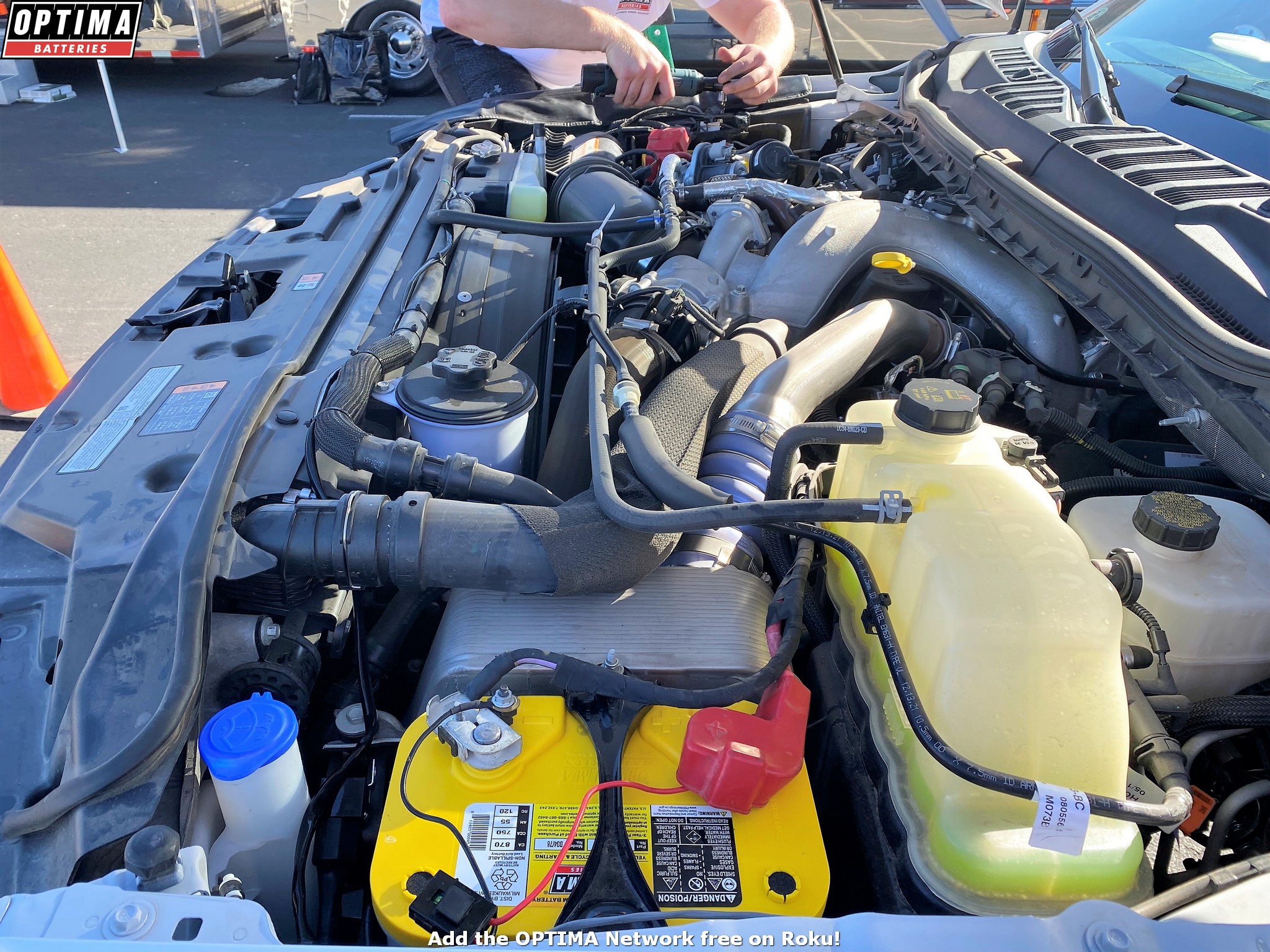
Can You Extend Car Battery Life?
Yes, you can take steps to help your battery last longer. These actions aren’t hard and can give you an extra year or two before replacement.
1. Drive Regularly And Long Enough
Drive at least 20–30 minutes a few times each week. This gives the alternator time to recharge the battery fully.
2. Limit Short Trips
If you mostly drive short distances, try combining errands into one trip. This reduces strain on the battery.
3. Keep Terminals Clean
Check the battery terminals for white or greenish buildup. Clean them with a brush and a mix of baking soda and water if needed.
4. Turn Off Electronics
Make sure all lights, radios, or chargers are off when you park. Even small drains add up if the engine isn’t running.
5. Park In Shade Or A Garage
Heat speeds up battery aging, so keeping your car cooler helps.
6. Use A Battery Maintainer
If you travel often or leave your car unused for weeks, a small battery maintainer (“trickle charger”) can keep the battery healthy.
How To Choose A Replacement Car Battery
When it’s time for a new battery, picking the right one is important. Here’s what to look for:
1. Battery Size And Fit
- Check your owner’s manual or look under the hood for the correct battery size (group number).
- Batteries come in different shapes and terminal placements. The wrong size may not fit or connect properly.
2. Cold Cranking Amps (cca)
- CCA measures how much power the battery provides in cold weather.
- If you live where winters are cold, pick a battery with enough CCA for your car’s needs.
3. Reserve Capacity (rc)
- RC shows how long the battery can run your car if the alternator fails.
- A higher number means more backup power for emergencies.
4. Battery Type
- Flooded lead-acid: Most common, cheapest, but need checking and may spill.
- AGM (Absorbent Glass Mat): More expensive, last longer, handle vibrations, and need no maintenance.
5. Warranty
- Good batteries usually have at least a 3-year free replacement warranty.
- Longer warranties often mean better quality.
6. Brand And Price
- Trusted brands usually offer better reliability.
- Cheap batteries may save money at first but cost more over time if they fail early.
Here’s a simple comparison of battery types:
| Type | Average Lifespan | Cost | Maintenance |
|---|---|---|---|
| Flooded Lead-Acid | 3-5 years | Low | May need checking |
| AGM | 4-6 years | Medium-High | Maintenance-free |
| Gel Cell | Up to 6 years | High | Maintenance-free |
Practical tip: Always recycle old batteries. Most auto shops will take your used battery for safe disposal.
Common Myths About Car Batteries
Many drivers believe things about batteries that just aren’t true. Let’s clear up some confusion.
Myth 1: “a Battery Will Last Until It Dies.”
Most batteries get weak long before they totally fail. Waiting until it’s dead can leave you stranded.
Myth 2: “you Can Recharge A Dead Battery Forever.”
After a few deep discharges, most car batteries lose capacity and won’t hold a charge well, no matter how much you try.
Myth 3: “all Batteries Are The Same.”
Different cars need different batteries. Using the wrong size or type can cause starting problems or shorten battery life.
Myth 4: “only Cold Weather Kills Batteries.”
While cold makes starting harder, heat is the main reason most batteries die young.
Myth 5: “if Your Car Starts, Your Battery Is Fine.”
Your battery may have just enough power to start but still be weak. Testing is the only way to know for sure.
Battery Replacement: Diy Or Professional?
Replacing a car battery is a job many people can do themselves, but not always. Here’s what to consider:
Diy Replacement
- Most batteries are easy to reach and swap out with basic tools (wrench, gloves).
- Always disconnect the negative cable first and connect it last.
- Some newer cars need a special procedure (like resetting electronics) or memory savers to keep settings.
When To Use A Professional
- If your battery is hard to reach (under seats, fenders, or covered by many parts).
- If your car has advanced electronics that might need reprogramming.
- If you’re not comfortable with car repairs.
Safety tip: Car batteries are heavy and contain acid. Wear gloves and eye protection. If you see leaks or swelling, let a professional handle it.
Real-world Battery Lifespan Examples
Let’s look at some real-world examples to see how the guidelines play out.
Example 1: Hot Climate
Maria lives in Texas. She drives her 2018 Honda Accord every day, but summers are very hot. Her battery lasted just over 2 years before needing replacement.
Example 2: Cold Climate
Jack lives in Canada. His 2017 Toyota RAV4 battery lasted almost 5 years, but the last two winters it struggled in the mornings. He replaced it before it failed.
Example 3: Weekend Car
Li keeps a 2014 Mazda MX-5 for weekend drives only. After 4 years of light use, the battery went flat from sitting unused. Now he uses a battery maintainer to help it last longer.
Non-obvious insight: Batteries can die sooner from lack of use, not just from heavy use.
How Different Cars Affect Battery Replacement
Some cars use more battery power than others. Here’s why:
- Luxury cars (BMW, Mercedes, Audi) often have more electronics (power seats, advanced alarms, etc. ), which puts more strain on the battery.
- Hybrid or electric cars have a different type of main battery (for driving), but still use a regular 12V battery for accessories and starting systems.
- Start-stop systems (which turn the engine off at stoplights) need stronger batteries like AGM or EFB types.
Here’s a quick comparison:
| Car Type | Battery Strain | Battery Type Needed |
|---|---|---|
| Basic Sedan | Low | Standard Lead-Acid |
| Luxury Car | High | AGM/EFB |
| Hybrid/Electric | Medium | Special 12V + Main Pack |
| Start-Stop Vehicle | High | AGM/EFB |
If in doubt, check your owner’s manual or ask a trusted mechanic for the recommended battery type.
What Happens If You Delay Replacing Your Battery?
Putting off battery replacement can cause several problems:
- Getting stranded—often at the worst time (rain, late at night, or far from help).
- Damage to electronics—a failing battery can cause voltage spikes or drops, which may harm sensitive car electronics.
- Extra cost—roadside assistance, towing, or missed work can cost much more than a new battery.
Pro tip: If your battery is more than 4 years old, consider replacing it before a long road trip or cold season.
How To Dispose Of Old Car Batteries
Car batteries must never go in the trash because they contain lead and acid. Here’s what to do:
- Bring your old battery to an auto parts store or service center. Most will recycle it for free.
- Some places give a discount (core charge) when you return your old battery with the purchase of a new one.
- Never throw batteries in regular garbage or leave them outside.
For more on safe recycling, see the EPA’s official battery recycling guide.
Frequently Asked Questions
How Can I Tell If My Car Battery Is Bad?
Common signs include slow engine cranking, dim lights, a battery warning light, a bad smell from the battery, or a battery that’s more than 3 years old. If in doubt, get it tested at an auto shop.
Can A Battery Die Suddenly Without Warning?
Yes, sometimes batteries fail with no clear warning, especially if a cell breaks inside or after very hot or cold weather. Regular testing can help catch problems early.
Does Jump-starting Damage The Battery?
Jump-starting is safe if done correctly, but frequent jump-starts can stress the battery and may be a sign it’s time to replace it. Always follow the correct jump-start procedure.
What Is The Best Brand Of Car Battery?
There’s no single “best” brand, but brands like Optima, Interstate, DieHard, and ACDelco are well-reviewed. It’s more important to buy the correct size and type for your car and climate.
Can I Use A Bigger Battery Than My Car’s Original?
You should use the battery size and specifications recommended by your car’s manufacturer. A battery that is too big or small may not fit, connect properly, or work with your car’s charging system.
Staying alert to the signs of a weakening battery, testing it regularly, and knowing when to replace it can save you time, money, and a lot of hassle. With a little care, you’ll keep your car starting strong—no matter where the road takes you.