
Choosing the right engine oil might seem simple, but it can make a huge difference in how your vehicle performs and lasts. You might think any oil will do, but using the wrong one can lead to costly repairs and reduce your engine’s life.
What if you could pick the perfect oil that keeps your engine running smoothly, saves fuel, and protects your investment? This guide will help you understand exactly what to look for, so you can make the best choice with confidence.
Keep reading, and you’ll never have to worry about engine oil again.
Types Of Engine Oil
Choosing the right engine oil starts with understanding the types available. Different oils suit different engines and driving styles. Knowing each type helps protect your engine and improve performance. Here are the main types of engine oil to consider.
Conventional Oil
Conventional oil is made from crude oil and refined for use in engines. It works well in many older cars and simple engines. This oil is affordable and easy to find. It needs to be changed more often than other types. Ideal for short trips and low-stress driving.
Synthetic Oil
Synthetic oil is man-made for better engine protection. It flows smoothly at low temperatures and resists breaking down in heat. This oil lasts longer and keeps engines cleaner. Perfect for modern cars and high-performance engines. It costs more but can save money on repairs.
Synthetic Blend
Synthetic blend mixes conventional and synthetic oils. It offers better protection than conventional oil alone. This type suits drivers who want extra engine care but at a lower price than full synthetic. Good for trucks and SUVs that carry heavy loads.
High-mileage Oil
High-mileage oil is designed for cars with over 75,000 miles. It contains special additives to reduce leaks and engine wear. This oil helps older engines run smoothly and quietly. It also protects seals and reduces oil burning. A smart choice for aging vehicles.
Viscosity And Its Importance
Viscosity is a key factor in choosing the right engine oil. It measures how thick or thin the oil is. The right viscosity keeps the engine parts moving smoothly. It also protects against wear and heat. Picking the correct viscosity helps your engine last longer and run better.
What Viscosity Numbers Mean
Engine oil viscosity is shown as numbers like 5W-30. The first number with “W” stands for winter or cold temperature. A lower number means the oil flows better when cold. The second number shows the oil thickness at high temperatures. Higher numbers mean thicker oil when the engine is hot. Understanding these numbers helps you pick oil that works well in different temperatures.
Choosing Based On Climate
Climate affects the best oil viscosity for your car. In cold places, use oil with a low winter number like 0W or 5W. It flows easily in cold weather and starts the engine smoothly. In hot areas, pick oil with a higher second number like 30 or 40. It stays thick enough to protect the engine at high heat. Matching oil to climate improves engine protection and performance.
Manufacturer Recommendations
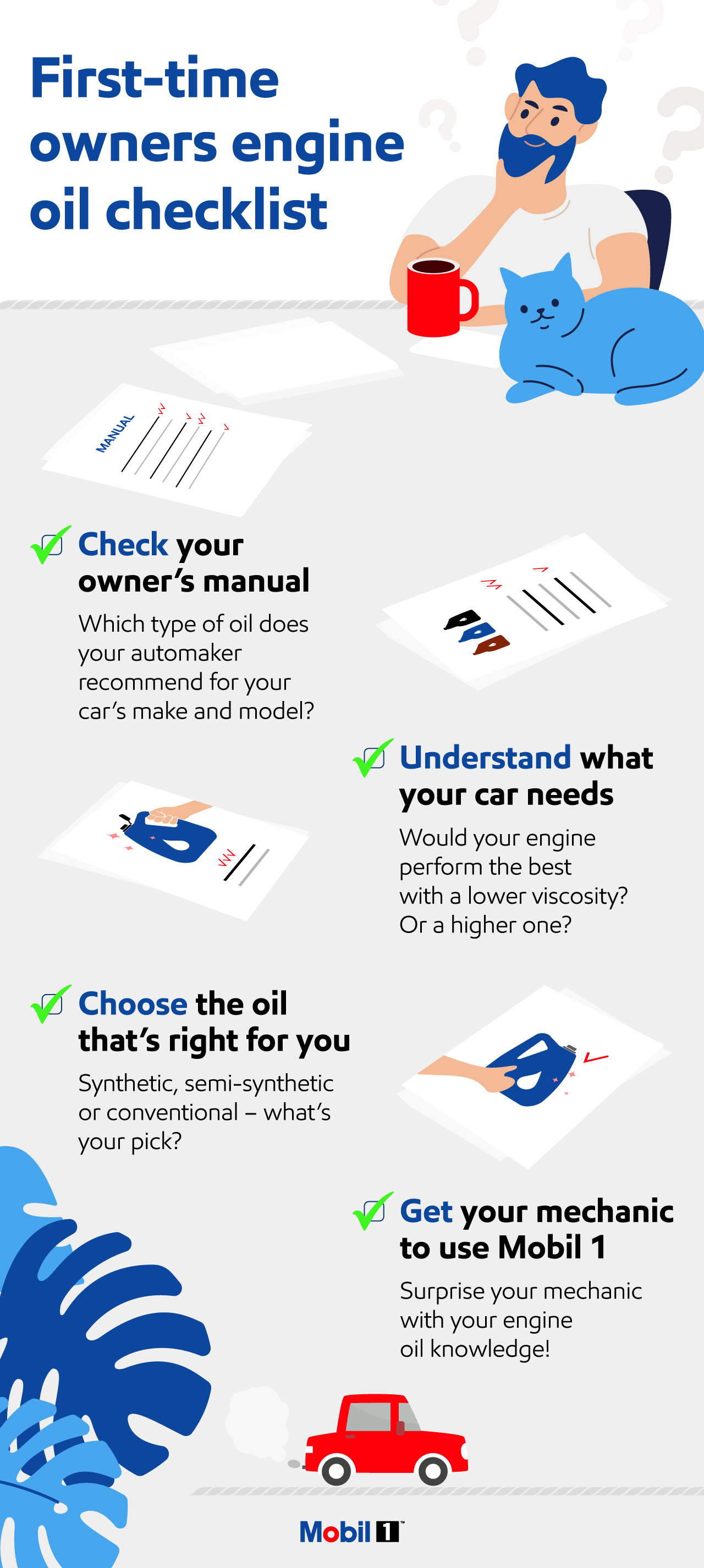
Car makers test engines with specific oil types. They give recommended viscosity numbers in the owner’s manual. Follow these guidelines to keep your warranty valid. Using the right viscosity helps your engine run as designed. It avoids damage and keeps fuel efficiency high. Always check the manual before buying engine oil.
Additives And Their Benefits
Engine oil does more than just lubricate. It contains special additives that improve performance and protect the engine. These additives keep the engine clean, reduce wear, and help oil last longer. Understanding these additives helps you choose the right oil for your vehicle.
Detergents And Dispersants
Detergents clean the engine by removing dirt and deposits. They prevent sludge and harmful buildup inside the engine. Dispersants keep tiny particles suspended in the oil. This stops dirt from clumping together and forming deposits. Both additives work to keep the engine running smoothly and efficiently.
Anti-wear Agents
Anti-wear agents form a thin protective layer on metal parts. This layer reduces friction and prevents metal surfaces from rubbing directly. They protect engine parts during startup when oil pressure is low. These agents help extend the engine’s life by lowering wear and tear.
Friction Modifiers
Friction modifiers reduce the resistance between moving parts. They improve fuel efficiency by helping the engine run more smoothly. These additives lower heat generation and improve engine performance. Using oil with friction modifiers can save fuel and reduce engine stress.

Checking Oil Specifications
Choosing the right engine oil means understanding its specifications. These details tell you if the oil fits your vehicle’s needs. Specifications show the oil’s quality and performance levels. Checking these helps protect your engine and improve its life.
Api Certification
API stands for the American Petroleum Institute. This certification marks oils that meet strict quality tests. The API label has two letters. The first letter shows the oil type, like “S” for gasoline engines. The second letter shows the oil’s quality level. Always pick oil with an API rating that matches your car’s manual.
Acea Standards
ACEA means the European Automobile Manufacturers’ Association. This standard rates oils for European vehicles. It uses letters like A, B, C, or E to show oil types. Each letter targets different engine needs. This standard focuses on fuel economy and emissions. Choose oil with the right ACEA code for your car model.
Oem Approvals
OEM stands for Original Equipment Manufacturer. These are car makers like Ford or Toyota. OEM approval means the oil meets specific car brand demands. This is often stricter than other standards. Using OEM-approved oil helps keep your warranty valid. Check your car’s manual for OEM oil recommendations.
Signs You Need To Change Oil
Knowing when to change your engine oil keeps your car running smoothly. Old or dirty oil can harm the engine. Watch for signs that tell you it is time to change the oil. These signs help you avoid costly repairs and keep your vehicle healthy.
Oil Color And Texture
Fresh engine oil is usually amber and clear. Over time, it darkens and gets thick. If the oil looks very dark or gritty, it needs changing. Thick or sticky oil cannot protect the engine well.
Engine Performance Indicators
The engine may run rough or make strange noises. You might notice less power or slow acceleration. These signs show the oil is not working well. Poor oil causes more friction and heat inside the engine.
Mileage And Time Intervals
Check your car manual for oil change limits. Most cars need oil changes every 3,000 to 7,500 miles. Even if you drive less, change oil every 6 to 12 months. Old oil loses its effectiveness over time.
Tips For Buying Engine Oil
Choosing the right engine oil is important for your vehicle’s health. Buying the correct oil helps the engine run smoothly. It also protects parts from wear and tear. Follow simple tips to select the best oil for your car.
These tips make the buying process easier and safer. They help avoid common problems and save money in the long run.
Reading Labels Carefully
Check the oil label for key information. Look for viscosity grade, such as 5W-30 or 10W-40. This shows how thick or thin the oil is. Also, find the API service rating. It tells if the oil meets engine standards.
See if the oil matches your car maker’s recommendation. Always use oil that fits your vehicle’s needs. Avoid buying oil with unclear or missing labels.
Buying From Trusted Brands
Choose engine oil from brands with good reputations. Trusted brands follow strict quality controls. Their oils perform well and protect engines effectively.
Cheap or unknown brands may not offer the same protection. They can cause engine damage or reduce performance. Invest in reliable brands to keep your car safe.
Avoiding Common Mistakes
Do not buy oil just because it is cheap. Avoid mixing different oil types in your engine. Always check the expiry date on the bottle. Old oil loses its protective qualities.
Never ignore the car’s owner manual instructions. Using wrong oil can cause engine problems. Follow guidelines closely to avoid costly repairs.
Frequently Asked Questions
What Type Of Engine Oil Is Best For My Car?
Choosing the right engine oil depends on your vehicle’s make and model. Check the owner’s manual for recommended oil types and viscosity grades. Using the specified oil ensures optimal engine performance and longevity.
How Often Should I Change My Engine Oil?
Most manufacturers recommend changing engine oil every 5,000 to 7,500 miles. However, this varies by driving conditions and oil type. Regular oil changes keep your engine clean and prevent wear.
What Does Oil Viscosity Mean And Why Is It Important?
Oil viscosity refers to the oil’s thickness and flow ability at different temperatures. Proper viscosity ensures effective lubrication and protection under various conditions. Always use the viscosity grade recommended by your vehicle’s manufacturer.
Can I Use Synthetic Oil Instead Of Conventional Oil?
Synthetic oil offers better performance and protection, especially in extreme temperatures. It lasts longer and resists breakdown better than conventional oil. Check if your vehicle supports synthetic oil for the best results.
Conclusion
Choosing the right engine oil keeps your car running smooth. Check your car’s manual for oil type. Consider the climate where you drive most often. Use oil that matches the engine’s needs. Change oil regularly to avoid damage. Good oil helps save fuel and extends engine life.
Small steps like these protect your vehicle. Drive smart, maintain well, and enjoy a longer-lasting engine. Simple care makes a big difference.


