If you want your diesel engine to run smoothly and last longer, keeping its oil clean is one of the most important steps you can take. Dirty engine oil can cause serious damage, reduce performance, and lead to costly repairs.
But don’t worry—this guide will show you simple, effective ways to keep your diesel engine oil clean. By following these tips, you’ll protect your engine, save money, and enjoy better fuel efficiency. Ready to learn how to take care of your diesel engine like a pro?
Let’s dive in!

Importance Of Clean Diesel Engine Oil
Clean diesel engine oil plays a vital role in engine performance and durability.
It helps reduce friction between moving parts, preventing wear and tear.
Dirty oil can cause engine parts to wear faster and lead to costly repairs.
Maintaining clean oil improves fuel efficiency and reduces harmful emissions.
Protects Engine Components
Clean oil forms a strong barrier between metal parts.
This barrier stops metal-on-metal contact, lowering damage risk.
It helps keep pistons, bearings, and valves in good condition.
Improves Engine Performance
Fresh oil ensures smooth engine operation.
It allows the engine to run at optimal power and speed.
Clean oil helps the engine respond better to acceleration.
Prevents Overheating
Oil carries heat away from engine parts.
Dirty oil loses this ability and causes the engine to heat up.
Clean oil keeps engine temperature stable and safe.
Extends Engine Life
Regular oil changes keep the engine healthy longer.
Clean oil reduces wear, corrosion, and sludge buildup inside.
Healthy oil means fewer breakdowns and longer engine use.
Reduces Maintenance Costs
Using clean oil lowers the chance of engine failures.
It cuts down on expensive repairs and part replacements.
Good oil care saves money on maintenance over time.
Common Contaminants In Diesel Engine Oil
Diesel engine oil faces many threats from harmful substances. These contaminants reduce oil life and engine performance. Knowing common contaminants helps protect your engine better.
Dirt And Dust
Dirt and dust enter the engine through air filters or seals. These particles cause abrasion and wear on engine parts. Clean filters and proper sealing reduce dirt buildup in oil.
Water And Moisture
Water gets into engine oil from condensation or leaks. Moisture causes rust and corrosion inside the engine. It also lowers oil’s ability to lubricate properly.
Fuel Dilution
Fuel dilution happens when unburned fuel mixes with engine oil. This thins the oil and reduces its protective power. It can cause engine parts to wear faster and fail.
Metal Particles
Metal particles come from engine wear and friction. These tiny pieces scratch engine parts and pollute the oil. Regular oil changes and good maintenance lower metal contamination.
Signs Of Dirty Diesel Engine Oil
Dirty diesel engine oil can cause serious damage to your engine. Recognizing the signs early helps protect your engine and saves money on repairs. Watch for changes in oil color, engine performance, and exhaust smoke. These signs show your engine oil needs attention.
Oil Color And Consistency Changes
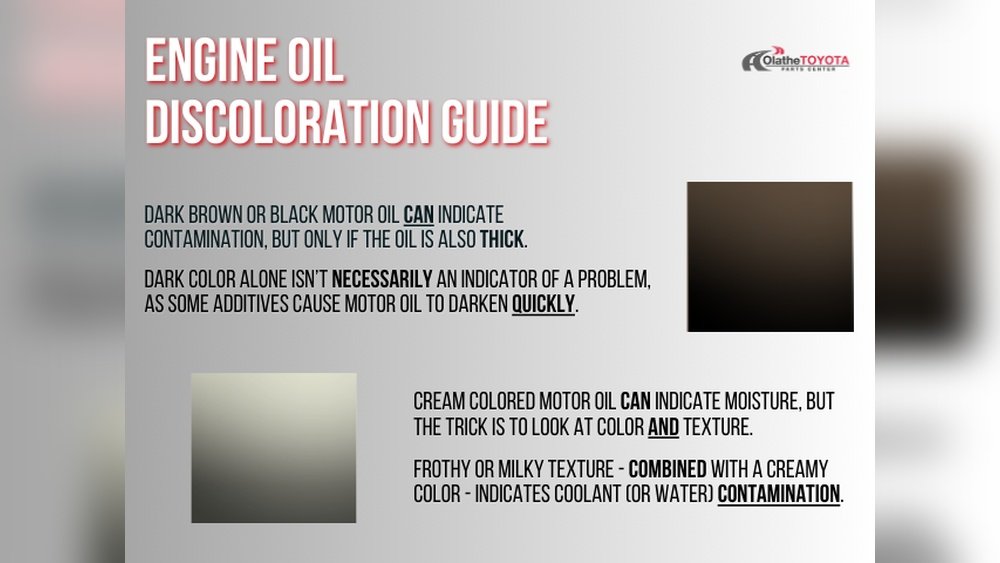
Clean diesel engine oil is usually amber or light brown. When it gets dirty, the color turns very dark or black. Thick and gritty oil means dirt and metal particles mix in. This dirty oil cannot lubricate the engine well. It causes more wear and damage over time.
Engine Performance Issues
Dirty oil makes the engine parts work harder. You may notice rough idling or trouble starting the engine. The engine might lose power or run less smoothly. These problems happen because dirty oil clogs important parts. It reduces the engine’s efficiency and life.
Increased Exhaust Smoke
More smoke from the exhaust can mean dirty engine oil. Thick, blue, or black smoke shows oil is burning inside the engine. This happens when dirty oil can’t protect the engine properly. It also signals possible leaks or worn engine parts. Check your oil if you see more smoke.
Choosing The Right Oil For Diesel Engines
Choosing the right oil for diesel engines is key to keeping the engine clean and running well. The oil protects engine parts from wear and stops dirt from building up inside. Using the correct oil helps the engine last longer and perform better. It is important to know what type of oil fits your engine’s needs.
Oil Viscosity And Grade
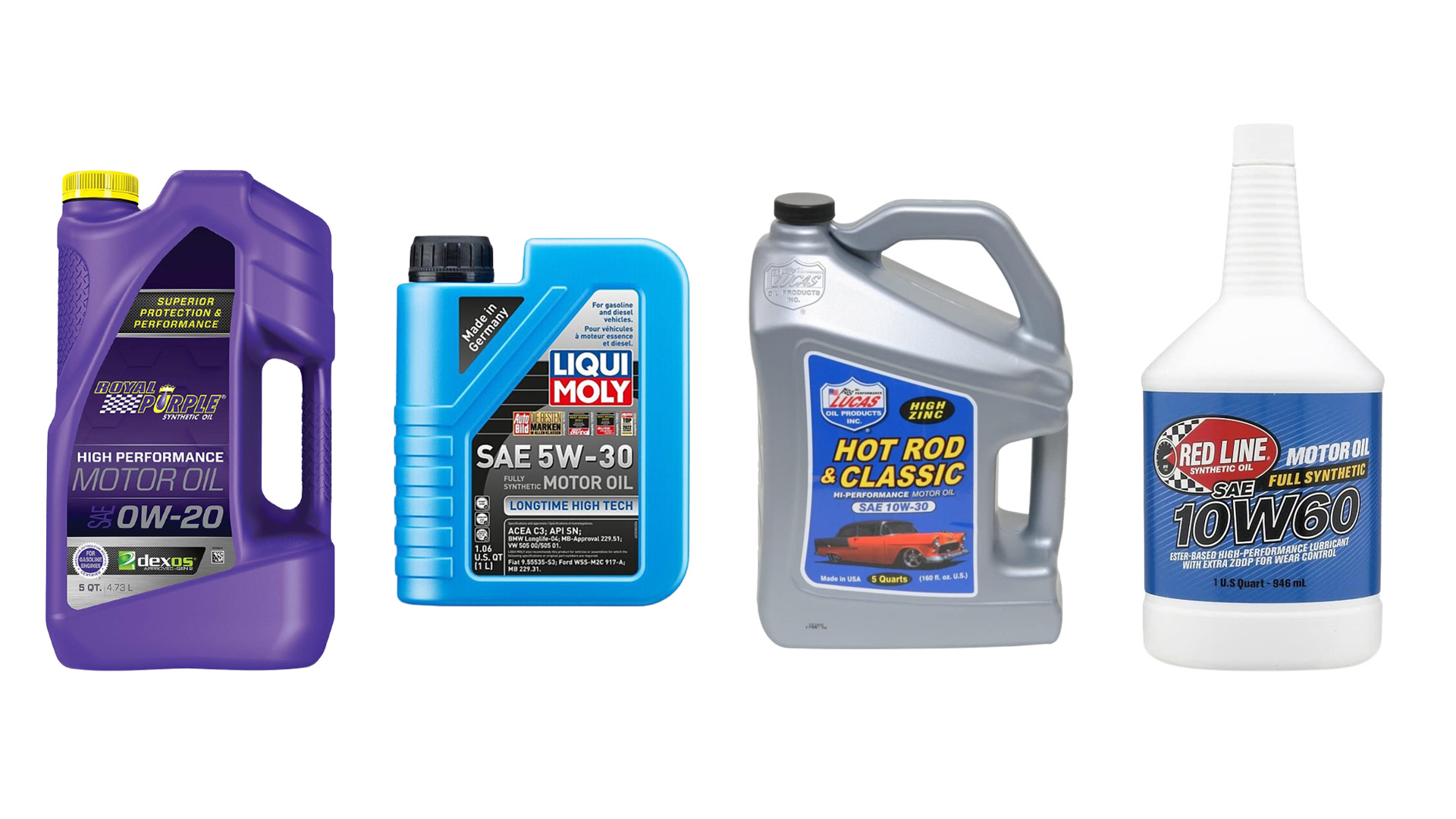
Viscosity means how thick or thin the oil is. Diesel engines need oil that flows well at different temperatures. The oil grade shows its thickness at cold and hot temperatures. For example, 15W-40 means the oil works well in cold and stays thick enough when hot. Choosing the right viscosity helps the engine start easily and stay protected.
Additives And Formulations
Oil contains special additives to fight dirt and wear. These additives stop sludge and deposits from forming in the engine. Some oils have detergents that clean engine parts during use. Others add anti-wear agents to protect metal surfaces. Using oil with the right additives keeps the engine cleaner and safer.
Oem Recommendations
OEM stands for Original Equipment Manufacturer. They design the engine and suggest the best oil type to use. Following OEM recommendations ensures the oil meets the engine’s needs. Using the recommended oil keeps the warranty valid and prevents damage. Always check the owner’s manual for the right oil choice.
Regular Oil Change Intervals
Keeping diesel engine oil clean is essential for engine health. Regular oil changes help remove dirt, sludge, and metal particles. This keeps the engine running smoothly. Sticking to proper oil change intervals protects engine parts and improves performance. It also prevents costly repairs.
Manufacturer Guidelines
Always follow the oil change schedule recommended by the manufacturer. This schedule is based on engine design and oil type. Ignoring these guidelines can lead to engine damage. Check your vehicle’s manual for the exact interval. It may vary depending on the model and year.
Driving Conditions Impact
Driving habits affect how often you should change oil. Short trips, stop-and-go traffic, and dusty roads wear oil faster. Harsh conditions cause oil to become dirty sooner. Change oil more often if you drive in these conditions. This helps keep the engine clean and protected.
Oil Life Monitoring
Modern engines have oil life monitoring systems. These systems track oil quality and usage. They alert you when an oil change is needed. Oil life monitors use sensors and algorithms. Trust these systems to know the right time for oil changes. They help avoid early or late oil changes.

Effective Oil Filtration Methods
Keeping diesel engine oil clean is vital for engine health. Effective oil filtration removes dirt, metal particles, and other contaminants. This process protects engine parts and improves performance. Using the right filtration methods extends oil life and reduces wear.
Choosing proper filters and maintaining them regularly helps maintain clean oil. Understanding different filter types and how to care for them is essential. Below are key methods to ensure effective oil filtration for diesel engines.
High-quality Oil Filters
High-quality oil filters capture small particles that harm the engine. They use advanced materials to trap dirt and debris. Good filters prevent oil flow restrictions and keep oil clean longer. Always select filters that meet engine specifications for best results.
Bypass And Full-flow Filters
Full-flow filters clean all oil before it reaches the engine. They trap larger particles and protect engine parts. Bypass filters clean a small portion of oil more deeply. They remove very fine particles and sludge. Using both types together improves oil cleanliness significantly.
Filter Maintenance Tips
Change filters regularly to avoid clogging and oil flow issues. Inspect filters for damage or leaks during oil changes. Use clean tools and areas to prevent contamination. Proper disposal of used filters helps maintain a clean environment.
Preventing Contaminant Entry
Keeping diesel engine oil clean is vital for engine health and performance. Contaminants can enter the oil and cause wear, corrosion, and damage. Preventing these particles from entering the engine oil extends the engine’s life and improves efficiency. Simple maintenance steps can block dirt, dust, and fuel from contaminating the oil.
Sealing And Gasket Checks
Seals and gaskets stop dirt and water from entering the engine. Check them regularly for cracks or leaks. Replace damaged seals immediately to keep contaminants out. Good seals help maintain oil cleanliness and engine pressure. A tight seal prevents dust and moisture from mixing with the oil.
Proper Fuel Handling
Fuel contamination can harm engine oil quality. Store diesel fuel in clean, sealed containers. Avoid using old or dirty fuel that contains water or debris. Use clean funnels and filters during refueling. Proper fuel handling stops dirt and water from entering the engine oil system.
Engine Air Intake Maintenance
Air intake brings oxygen but can also bring dust and dirt. Clean or replace air filters regularly to trap contaminants. Check the intake system for leaks or cracks. Clear air intake helps keep engine oil free from harmful particles. A clean air system supports better combustion and oil health.
Engine Warm-up And Cooling Practices
Keeping diesel engine oil clean starts with how you warm up and cool down the engine. Proper warm-up and cooling help prevent oil breakdown and reduce engine wear. This practice also helps maintain oil’s ability to protect engine parts.
Cold engine oil does not flow well. It takes time to reach the right temperature. During this time, oil can pick up dirt and moisture. Following good warm-up and cooling habits extends oil life and engine health.
Cold Start Techniques
Start the engine gently. Avoid revving it hard at the beginning. Let the oil warm up and circulate fully. This reduces metal-to-metal contact inside the engine. It also prevents oil from thinning too fast.
Avoiding Short Trips
Short trips do not allow the engine to reach full temperature. Oil stays thick and collects moisture and fuel residues. This dirt harms engine parts and breaks down oil faster. Drive longer distances when possible to keep the oil clean.
Proper Engine Shutdown
Do not turn off the engine immediately after heavy work. Let it idle for a few minutes. This cools the engine gradually and prevents oil from overheating. Proper shutdown helps avoid sludge buildup and keeps oil cleaner longer.
Additives To Enhance Oil Cleanliness
Diesel engine oil needs to stay clean to keep engines running well. Oil additives help keep the oil pure and protect the engine parts. These special chemicals improve oil quality and stop damage inside the engine. They fight dirt, wear, and rust.
Detergents And Dispersants
Detergents clean engine parts by removing deposits and sludge. They stop dirt from sticking to metal surfaces. Dispersants keep tiny dirt particles mixed in the oil. This stops sludge buildup and keeps oil flowing freely. Together, they keep the engine clean and extend oil life.
Anti-wear Additives
Anti-wear additives form a thin layer on metal parts. This layer stops metal surfaces from rubbing directly. They reduce friction and protect engine parts from wearing out fast. These additives help the engine last longer and run smoothly under pressure.
Rust And Corrosion Inhibitors
Rust and corrosion inhibitors protect metal parts from moisture damage. They stop rust from forming inside the engine. These additives protect the oil and the engine during cold starts and humid conditions. They keep engine parts strong and prevent costly repairs.
Monitoring Oil Condition Regularly
Monitoring the condition of diesel engine oil is key to keeping the engine running smoothly. Clean oil helps protect engine parts and improves performance. Checking oil condition often can prevent costly repairs and extend engine life.
Regular monitoring lets you catch problems early. It shows when oil needs changing or if contamination occurs. There are several ways to monitor oil condition, each with its own benefits. Choose methods that fit your needs and schedule.
Oil Analysis Tests
Oil analysis tests provide detailed information about oil quality. A small oil sample is sent to a lab for examination. Labs check for contaminants, metal particles, and oil breakdown. This test helps detect engine wear and oil degradation early. It guides you on when to change oil or take other steps.
Diy Oil Checks
Simple checks can reveal much about oil condition. Use the dipstick to check oil level and color. Dark or gritty oil means it needs changing. Smell the oil; a burnt odor indicates overheating. Regular DIY checks help spot issues between professional tests.
Using Oil Condition Sensors
Oil condition sensors offer real-time monitoring of oil health. These sensors detect changes in oil viscosity and contamination. They alert you when oil quality drops below safe levels. This technology helps keep oil clean without frequent manual checks. Sensors are useful for busy users wanting quick updates.
Frequently Asked Questions
How Often Should I Change Diesel Engine Oil?
Change diesel engine oil every 5,000 to 7,500 miles or as per manufacturer guidelines. Regular changes prevent sludge buildup and maintain engine performance.
What Type Of Oil Is Best For Diesel Engines?
Use high-quality diesel-specific engine oils with the right viscosity. Synthetic oils offer better protection and last longer, especially in extreme conditions.
How Can I Prevent Diesel Engine Oil Contamination?
Avoid exposing oil to dirt, water, and fuel. Regularly replace oil filters and check for leaks to keep the oil clean and efficient.
Why Is Keeping Diesel Engine Oil Clean Important?
Clean oil reduces engine wear, improves fuel efficiency, and extends engine life. Contaminated oil can cause costly damage and reduce performance.
Conclusion
Keeping diesel engine oil clean protects your engine well. Change oil regularly to avoid dirt buildup. Use high-quality oil filters for better cleaning. Check oil levels often to catch problems early. Clean oil helps your engine run smoothly and last longer.
Simple steps can save money on repairs. Clean oil means better engine performance every time. Take care of your diesel engine with these easy tips.


