Is A Smart Charger Better Than A Manual Charger?
Choosing between a smart charger and a manual charger can feel confusing, especially if you are not a car expert. Many people only think about chargers when their car battery is dead and they need a quick fix. But the type of charger you choose can affect the life of your battery, your safety, and how easy it is to use. Both smart and manual chargers have their place, but they work in very different ways. Let’s explore what sets them apart, how each works, and which one is better for your needs.
What Is A Smart Charger?
A smart charger is a device that uses electronic controls to charge batteries safely. It has sensors and a microprocessor that monitors the battery’s voltage, temperature, and charge level. When the battery is full, the smart charger automatically stops or switches to a maintenance mode. This technology prevents overcharging, which can damage your battery or even cause safety problems.
Smart chargers are sometimes called “automatic chargers” or “intelligent chargers. ” They are used for car batteries, motorcycle batteries, boat batteries, and other rechargeable batteries.
Key Features Of Smart Chargers
- Automatic shutoff when the battery is full
- Monitors battery condition during charging
- Adapts charging speed based on battery needs
- Often includes desulfation mode for old batteries
- Some models have LCD screens with real-time data
How Does A Smart Charger Work?
A smart charger works in stages. It starts with a fast charge, then slows down as the battery gets close to full. If the charger detects a problem—like a faulty cell or high temperature—it will adjust or stop charging. Many smart chargers use a three-stage or four-stage charging process:
- Bulk charge: Delivers high current to fill the battery quickly.
- Absorption: Slows down as the battery nears full, preventing overheating.
- Float/Maintenance: Keeps the battery at 100% without overcharging.
- (Optional) Desulfation: Tries to break up sulfate crystals in older batteries.
This smart process protects the battery’s health and can make batteries last much longer.
What Is A Manual Charger?
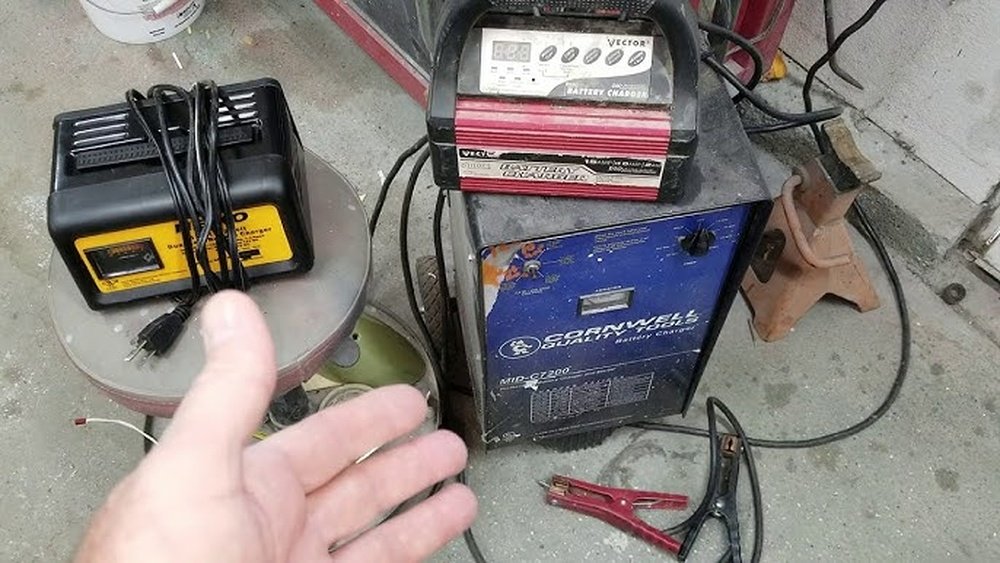
A manual charger is a simple device that supplies a fixed voltage or current to a battery. It does not have sensors or electronic controls. The user must decide how long to charge and must disconnect the charger when done. Manual chargers are sometimes called “dumb chargers” or “conventional chargers.”
They have been used for decades and are known for their basic design. You turn them on, they deliver power, and you must watch the battery to prevent overcharging.
Key Features Of Manual Chargers
- Simple, mechanical controls
- Fixed charging rate (no automatic adjustment)
- No sensors for battery condition
- No automatic shutoff—user must disconnect manually
- Usually cheaper than smart chargers
How Does A Manual Charger Work?
A manual charger pushes a steady electrical current into the battery. It does not check if the battery is full or empty. If you forget to disconnect it, the battery can overheat, lose water, or even get damaged. Manual chargers require more attention and knowledge from the user.
Comparing Smart Chargers And Manual Chargers
To understand which charger is better, we need to look at several key factors: ease of use, safety, battery life, charging speed, cost, and long-term value. The table below shows a side-by-side comparison of the most important differences.
| Feature | Smart Charger | Manual Charger |
|---|---|---|
| Charging Control | Automatic, electronic sensors | Manual, no sensors |
| Overcharge Protection | Yes, automatic shutoff | No, user must monitor |
| Ease of Use | Very easy, “set and forget” | Requires user attention |
| Battery Life Impact | Extends battery life | Can shorten battery life |
| Price | Moderate to high | Low |
| Best For | Everyday users, long-term charging | Quick fixes, experienced users |
Safety Differences
Safety is a major reason people choose smart chargers over manual chargers. Overcharging a battery is dangerous. It can cause batteries to leak acid, swell, or even explode in rare cases.
Smart chargers have built-in safety features:
- Automatic shutoff when charging is complete
- Overheat protection
- Reverse polarity warning (if you connect cables the wrong way)
- Some detect damaged or dead batteries and will not charge them
Manual chargers do not have these protections. If you forget to unplug the charger, the battery can overheat. If you connect the clamps incorrectly, you might damage the battery or even cause sparks.
Real-world Example: Car Battery Fire
A car owner once left a manual charger connected to his battery overnight. The battery overheated, acid leaked onto the garage floor, and a small fire started. This could have been avoided with a smart charger, which would have shut off automatically.

Charging Speed And Performance
Many people think manual chargers work faster because they deliver a steady, high current. This is only partly true.
- Manual chargers often charge a battery quickly if left unattended.
- Smart chargers adjust their speed. They may start fast, then slow down to protect the battery.
For most batteries, charging too fast is dangerous. The battery can get hot, lose water, and age quickly. Smart chargers avoid this by slowing down before the battery is full.
In real-world use, a smart charger often charges batteries just as fast—without the risk of damage. The slightly longer charging time is a small price for longer battery life and safety.
Battery Life And Health
Battery life depends on how you charge it. Overcharging, undercharging, or charging too fast can all shorten a battery’s lifespan.
Smart chargers are designed to:
- Prevent overcharging
- Use multi-stage charging to keep batteries healthy
- Maintain batteries at full charge without damage (great for seasonal vehicles)
Manual chargers:
- Can overcharge if left on too long
- Do not adjust to battery condition
- Require the user to estimate charging time
If you want your battery to last as long as possible, a smart charger is the better choice. Most car batteries last 3-5 years, but poor charging can reduce this time by 1-2 years.

Cost And Value
Manual chargers are usually cheaper. You can find a basic manual charger for $20 to $40. Smart chargers often cost $40 to $120 or more, depending on features and size.
But price is not the only factor. Think about the cost of replacing a dead battery, which can range from $80 to $200 for a car battery. Damaged batteries, safety risks, and lost time can make a cheap charger much more expensive in the long run.
Cost Comparison Example
- Manual charger: $30
- Smart charger: $70
If a manual charger shortens your battery life by 1 year, and you need to buy a new battery ($100), you actually spent $130. If a smart charger helps your battery last its full life, you save money overall.
Who Should Use A Smart Charger?
Smart chargers are best for:
- People who are not battery experts
- Anyone who wants “set and forget” charging
- Seasonal vehicle owners (boats, motorcycles, RVs)
- People who want to maximize battery life
- Families with multiple battery types (many smart chargers work with different batteries)
Who Might Prefer A Manual Charger?
Manual chargers can still be useful for:
- People who understand battery charging and can monitor the process
- Mechanics and hobbyists who want full control
- Quick emergency charging (with close attention)
- Those on a tight budget who don’t mind the risk
Common Misunderstandings
Many beginners believe a charger is just a charger. But battery chemistry is more complex.
Insight #1: Not all batteries are the same. Lead-acid, AGM, gel, and lithium batteries need different charging profiles. Most smart chargers can adjust, but manual chargers cannot.
Insight #2: “Trickle charging” can damage batteries if not managed. Leaving a manual charger on low power for weeks can dry out a battery and cause early failure. Smart chargers use “float” mode, which is safe for long-term storage.
Real-world User Experiences
Let’s hear from real users:
- Anna, a car owner, used a manual charger for years but often forgot to disconnect it. Her batteries lasted only 2 years. After switching to a smart charger, her next battery lasted over 5 years.
- Mike, a motorcycle enthusiast, keeps his battery on a smart charger all winter. His bike starts every spring with no problems.
- Sam, a mechanic, prefers manual chargers for quick boosts but always supervises the process. He never leaves a manual charger connected unattended.
When Manual Chargers Make Sense
Manual chargers are not useless. They can still be helpful in certain situations:
- Reviving deeply discharged batteries: Sometimes, a smart charger will not recognize a completely dead battery. A manual charger can “wake up” the battery with a short charge, then switch to a smart charger for safe completion.
- For old-school mechanics: Some people like having full control and enjoy the hands-on process.
- Emergency jump-starting: Manual chargers can supply a quick burst of power for emergency starts.
But for regular, everyday charging, smart chargers are safer and more reliable.
Practical Tips For Choosing The Right Charger
Here are practical steps to help you choose:
- Check your battery type: Lead-acid, AGM, gel, or lithium? Make sure your charger supports it.
- Look for safety features: Automatic shutoff, reverse polarity protection, and temperature monitoring are important.
- Consider charging speed: For overnight charging, slower is safer. For emergencies, you may want a boost mode.
- Think about usage: Do you need “set and forget” (smart charger) or do you want full control (manual charger)?
- Read reviews and warranty: Choose brands with good support and long warranties.
- Don’t buy the cheapest: Ultra-cheap manual chargers may lack safety certifications.
Common Mistakes To Avoid
- Leaving a manual charger connected overnight
- Using the wrong charger for your battery type
- Ignoring the charger’s instructions or warnings
- Thinking a higher amp rating is always better (it’s not)
- Using a manual charger for long-term maintenance
How To Use Each Charger Safely
Smart Charger
- Connect clamps to battery (red to positive, black to negative)
- Plug in the charger and select the correct battery type
- Let the charger do its work
- Disconnect when the charger says “full” (or it will switch to maintenance mode)
Manual Charger
- Connect clamps to battery (be careful!)
- Set the correct voltage and amperage (read your battery’s label)
- Start charging and set a timer (do not leave unattended)
- Monitor the battery temperature (should not get hot)
- Disconnect as soon as the battery is charged
Maintenance And Longevity
Keeping your charger in good shape also helps your battery. Store it in a dry place, check cables for wear, and read the manual. Smart chargers rarely need maintenance. Manual chargers should be checked often for rust, loose parts, and overheating.
Environmental Impact
Smart chargers help the environment by making batteries last longer. Fewer dead batteries mean less toxic waste. Overcharging a battery can cause leaks that harm soil and water. Choosing a smart charger is a small way to reduce your environmental footprint.
Industry Trends And Future
The market is moving toward smart technology in all devices. As cars, motorcycles, and boats add more electronic controls, smart chargers are becoming the standard. Some new cars even come with built-in smart charging systems.
Major battery makers recommend smart charging for all modern batteries. Manual chargers are slowly becoming tools for experts, not everyday users.

Data Table: Battery Lifespan With Different Chargers
To show the impact of charging methods, here is a table based on user surveys and battery manufacturer data.
| Charger Type | Average Battery Lifespan | Risk of Overcharging |
|---|---|---|
| Smart Charger | 4-6 years | Very low |
| Manual Charger | 2-4 years | High |
Data Table: Typical Price Range (2024)
Let’s compare the price ranges for smart and manual chargers.
| Charger Type | Low Price | High Price | Common Features |
|---|---|---|---|
| Smart Charger | $40 | $150 | Automatic shutoff, multi-battery support, LCD |
| Manual Charger | $20 | $60 | Basic controls, no sensors |
Verdict: Is A Smart Charger Better Than A Manual Charger?
For most people, a smart charger is better than a manual charger. The safety, ease of use, and longer battery life make smart chargers a wise investment. Manual chargers still have a place for experts and special situations, but they carry higher risks.
If you want to protect your battery, save money in the long run, and avoid safety hazards, choose a smart charger. The technology is proven, easy to use, and widely recommended by battery experts.
Frequently Asked Questions
What Happens If I Leave A Manual Charger Connected Too Long?
Leaving a manual charger on too long can overcharge the battery. This may cause the battery to get hot, lose water, swell, or even leak acid. Over time, it can destroy the battery completely and create safety hazards.
Can I Use A Smart Charger On All Types Of Batteries?
Most smart chargers support different battery types, such as lead-acid, AGM, gel, and sometimes lithium. Always check the charger’s label or manual to make sure your battery type is supported.
Why Are Smart Chargers More Expensive?
Smart chargers use electronic sensors, microprocessors, and safety features. This advanced technology costs more to produce, but it protects your battery and can save you money over time.
How Do I Know When My Battery Is Fully Charged?
A smart charger will show a light, display “full,” or switch to maintenance mode when the battery is charged. With a manual charger, you must estimate based on charging time or use a voltmeter to check the battery’s voltage.
Where Can I Learn More About Battery Charging Safety?
You can find reliable information from the Battery Council International or check car maintenance guides on Wikipedia for a deeper technical overview.
Choosing the right charger is a simple way to save money, stay safe, and keep your vehicle ready when you need it. Consider your needs, read the instructions, and give your battery the best care possible.