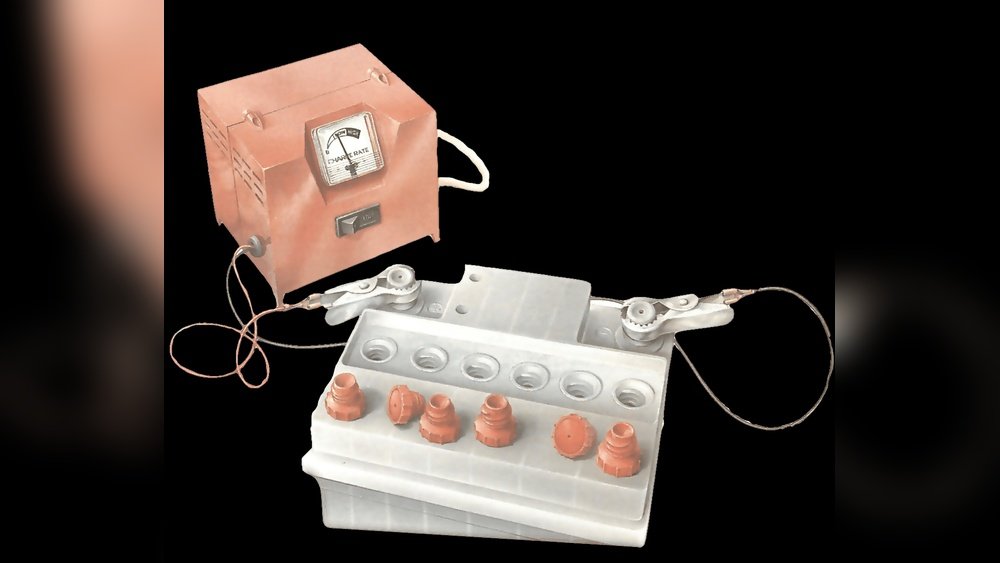
Choosing the right amperage for your car battery charger can feel confusing. There are many types, sizes, and features. If you pick the wrong charger, you can damage your battery, waste money, or spend hours waiting for a charge. But if you understand what matters, you can easily select the best charger for your needs. This guide will help you make sense of amperage, explain how it affects charging, and show you how to avoid common mistakes. Whether you drive a small hatchback, a large SUV, or even a classic car, this article will give you practical advice to keep your battery healthy and your car ready to go.
Understanding Car Battery Charger Amperage
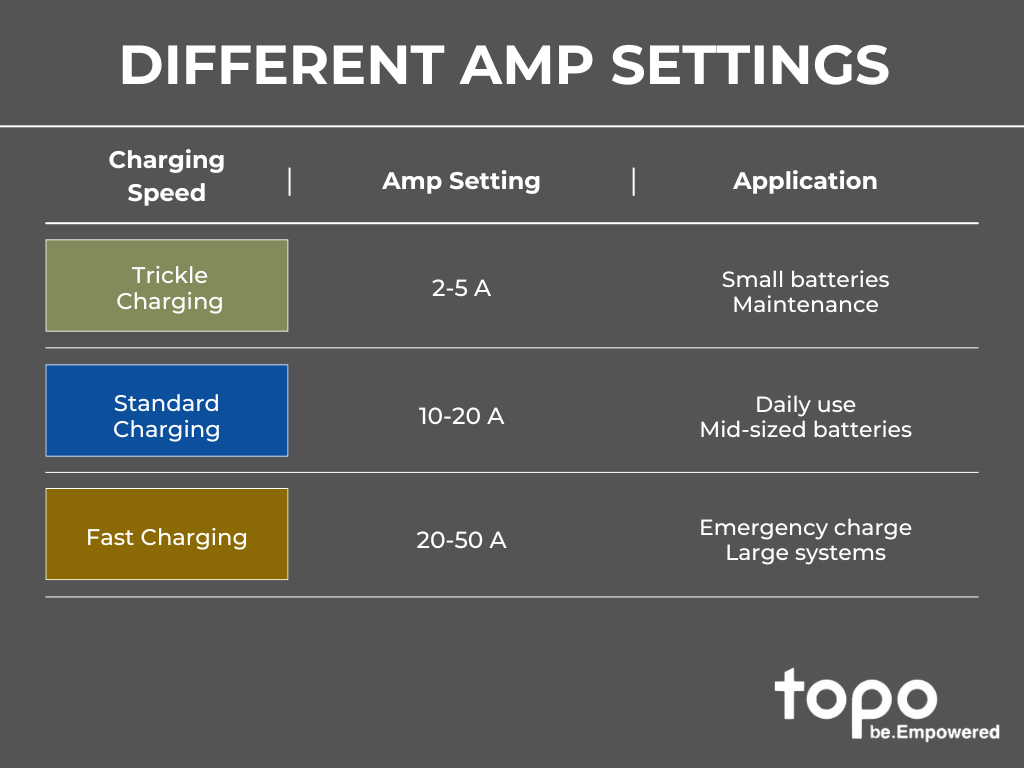
Amperage, or “amps,” is the amount of electrical current a charger sends to the battery. The higher the amperage, the faster your battery charges. But faster is not always better. If you use a charger with too many amps, it can overheat the battery or shorten its life.
If you use too few amps, charging will take longer and may not work for bigger batteries.
Most car batteries are 12-volt lead-acid types. These batteries need a charger that matches their voltage and provides a safe amount of amperage. Typical car battery chargers range from 2 amps to 40 amps. Some are adjustable, and some are fixed.
Why Amperage Matters
- Charging Speed: Higher amps charge faster. For example, a 2-amp charger may take 24 hours, while a 10-amp charger can do the same in just a few hours.
- Battery Size: Large batteries need more amps. Small batteries can be damaged by high amperage.
- Battery Health: Slow charging (low amps) is gentler and can extend battery life, but is not always practical.
- Safety: Too much amperage can cause overheating, leaking, or even explosion.
A charger’s amperage rating is usually labeled on the front or bottom. Always check this before you buy or use a charger.
What Size Car Battery Charger Should You Use?
Picking the right amperage depends on several factors:
- Battery Capacity (Ah): Car batteries are rated in amp-hours (Ah). For example, a typical sedan battery may have 50Ah. Higher Ah means bigger battery.
- Charging Needs: Do you want fast charging, or are you okay with slow, overnight charging?
- Battery Type: Standard lead-acid, AGM, gel-cell, or lithium-ion all have different requirements.
- Usage Frequency: Are you charging daily, weekly, or just once a year?
Let’s look at a simple comparison of common battery sizes and charger amps:
| Car Type | Battery Capacity (Ah) | Recommended Charger Amperage | Estimated Charging Time |
|---|---|---|---|
| Small hatchback | 35–45 Ah | 2–6 amps | 8–16 hours |
| Sedan | 45–60 Ah | 6–10 amps | 6–10 hours |
| SUV/Truck | 60–90 Ah | 10–20 amps | 3–6 hours |
| Deep-cycle/Marine | 80–120 Ah | 15–30 amps | 4–8 hours |
Notice that bigger batteries need higher amperage chargers for reasonable charging times. But you can always use a lower amp charger; it will just take longer.
Different Types Of Car Battery Chargers
There are three main kinds of chargers:
Manual Chargers
These chargers send a fixed amount of amperage until you turn them off. You must watch the battery and stop charging when full. If you forget, you can overcharge and damage the battery.
Automatic Chargers
Automatic chargers detect when the battery is full and stop charging. They are safer and easier for beginners.
Smart Chargers
Smart chargers use electronics to adjust the amperage and charging stages. They prevent overcharging, can recover weak batteries, and often work with different battery types. They are more expensive but protect your battery better.
Smart chargers often let you choose the amperage. For example, you can select 2 amps for slow charging or 10 amps for faster charging.
How To Calculate The Right Amperage
A simple formula helps estimate charging time:
Charging Time = Battery Capacity (Ah) ÷ Charger Amperage (A)
For example, a 50Ah battery with a 10-amp charger:
50 ÷ 10 = 5 Hours
But, real charging is not 100% efficient. It usually takes 10–20% longer. So, allow extra time.
Practical Example
You have a 60Ah battery and a 6-amp charger:
60 ÷ 6 = 10 Hours
With inefficiency, it may take 12 hours.
If you use a 12-amp charger:
60 ÷ 12 = 5 Hours
With inefficiency, about 6 hours.
For most people, a 6–10 amp charger is ideal for regular car batteries.

Choosing Amperage Based On Battery Type
Different batteries have different needs. Let’s compare:
| Battery Type | Typical Charger Amperage | Notes |
|---|---|---|
| Lead-acid | 2–15 amps | Standard; slow charging is best |
| AGM | 2–10 amps | Gentle charging extends life |
| Gel-cell | 2–6 amps | Low amp required; sensitive to high current |
| Lithium-ion | 10–20 amps | Fast charging possible; needs special charger |
Non-obvious insight: Using a charger with too much amperage on gel-cell or AGM batteries can cause internal damage that is hard to detect at first. Always check your battery type.
Fast Charging Vs. Slow Charging: Pros And Cons
Some people want fast charging, but there are trade-offs.
Fast Charging (high Amperage)
Pros:
- Saves time
- Useful in emergencies
- Good for large batteries
Cons:
- Can cause overheating
- May reduce battery life
- Not safe for all battery types
Slow Charging (low Amperage)
Pros:
- Gentler on battery
- Extends battery lifespan
- Reduces risk of overcharging
Cons:
- Takes longer
- Not practical if you need your car quickly
Non-obvious insight: Slow charging is called trickle charging. If you leave your car unused for weeks, a trickle charger (usually 1–2 amps) can keep your battery healthy without overcharging.
Common Mistakes When Choosing Charger Amperage
Many beginners make mistakes that can damage batteries or waste money.
- Ignoring Battery Size: Using a small charger for a big battery is inefficient.
- Using High Amperage for Small Batteries: This can cause overheating and leaks.
- Not Checking Battery Type: AGM and gel-cell batteries need lower amps.
- Not Reading Manufacturer Instructions: Always check battery and charger manuals.
- Buying Cheap Chargers: Low-quality chargers may not regulate amperage well.
If you’re not sure, always start with a lower amperage. You can increase if needed.
When To Use High Amperage Chargers
High amperage chargers (20–40 amps) are mostly for:
- Jump-starting: Quickly starting a dead battery.
- Large vehicles: Trucks, RVs, marine batteries.
- Heavy use: Frequent charging in workshops.
But for daily charging at home, lower amps are safer.
Choosing Amperage For Maintenance Charging
If you want to maintain a battery over time (such as in winter storage), use a charger with 1–2 amps. These are called maintainers or trickle chargers. They keep the battery topped up without overcharging.
How Weather And Climate Affect Charger Choice
Cold weather slows charging. If you live in a cold climate, you may need a higher amp charger to compensate. Hot weather can cause overheating, so avoid very high amps unless you monitor carefully.
Safety Tips For Using Car Battery Chargers
Charging batteries can be dangerous if not done properly. Here are key safety tips:
- Use chargers with automatic shut-off features.
- Never charge in wet or poorly ventilated areas.
- Wear gloves and eye protection.
- Check cables for damage.
- Never charge frozen batteries.
- Read all safety instructions.
Comparing Popular Charger Models And Amperage Options
Here’s a comparison of common charger models and their amperage settings:
| Charger Model | Amperage Range | Features | Suitable Battery Types |
|---|---|---|---|
| NOCO Genius 5 | 5 amps | Automatic, smart, multi-stage | Lead-acid, AGM, lithium-ion |
| Schumacher SC1281 | 2–30 amps | Manual & auto modes, jump-start | Lead-acid, AGM |
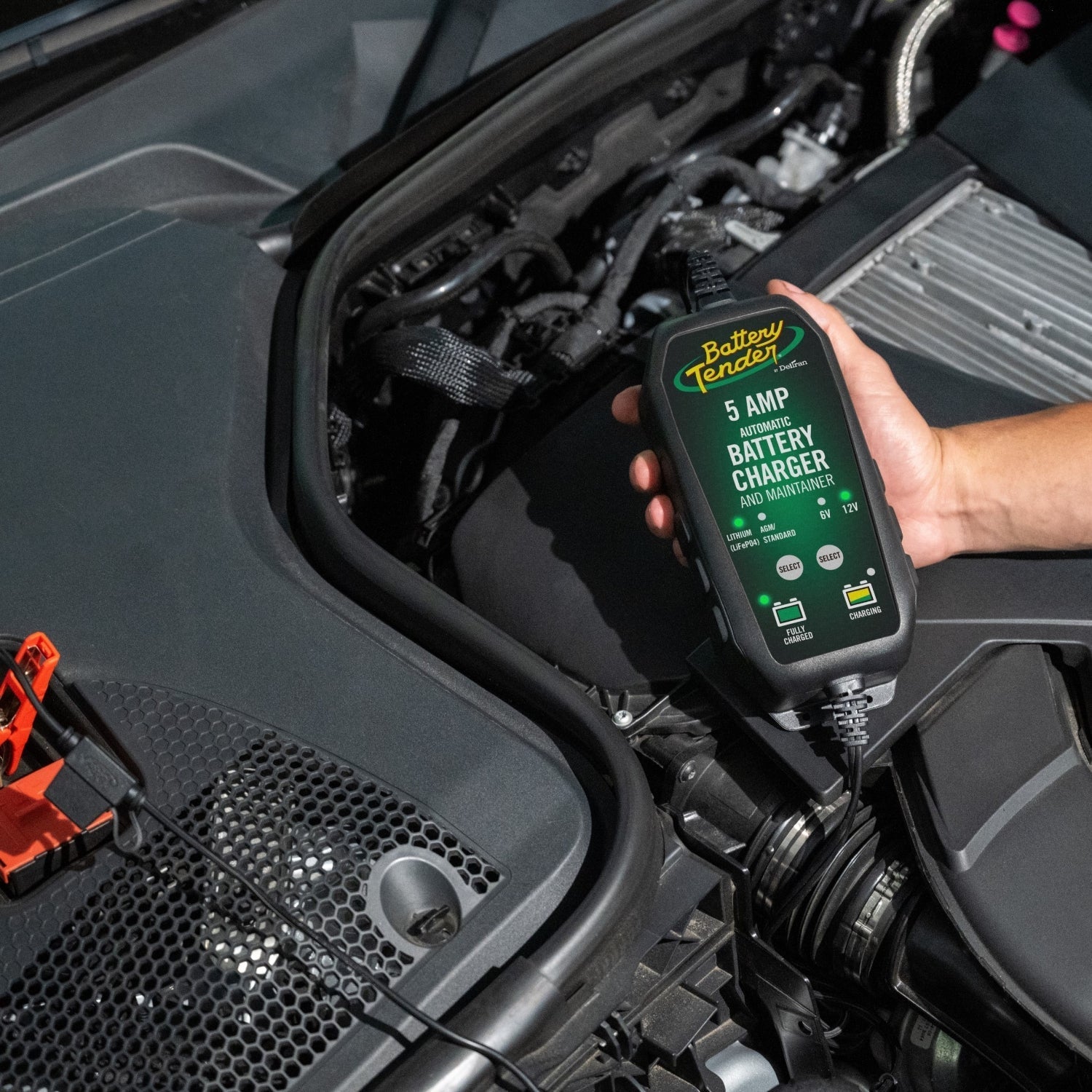
| Battery Tender Junior | 0.75 amps | Trickle charging, automatic shut-off | Lead-acid, AGM |
| CTEK MXS 5.0 | 0.8–5 amps | Automatic, smart, recovery mode | Lead-acid, AGM |
| Optima Digital 400 | 4 amps | Automatic, multi-stage, LCD display | Lead-acid, AGM |
Notice that most modern chargers offer automatic features and are safe for many battery types.
Real-life Scenarios: Which Amperage Is Best?
Let’s look at common situations:
- Daily driver (sedan): 6–10 amp charger is ideal. Fast enough, but not too high.
- Classic car (rarely used): 1–2 amp trickle charger keeps battery healthy.
- Truck or RV: 15–20 amp charger for big batteries.
- Emergency jump-start: 20–40 amp charger for quick boost.
- Motorcycle or small battery: 2–4 amp charger, or even less.
If you have multiple vehicles, consider a charger with adjustable amperage.
How Charging Stages Affect Amperage
Modern chargers use different stages:
- Bulk charging: High amperage to quickly reach 80% capacity.
- Absorption charging: Lower amperage to gently fill the last 20%.
- Float charging: Very low amperage to maintain full charge.
Smart chargers handle these stages automatically, protecting your battery.
How To Check If Your Charger Is Right For Your Battery
To confirm you’re using the correct amperage:
- Look at your battery’s label for Ah rating and type.
- Check charger manual for supported amps and battery types.
- Use the charging time formula.
- Monitor battery temperature during charging. If it gets hot, reduce amperage.
If you’re unsure, ask a mechanic or battery specialist.
The Role Of Voltage And Amperage Together
Don’t confuse voltage and amperage. Voltage must match your battery (usually 12V). Amperage controls speed and safety. Always use a charger with the correct voltage.
Environmental Impact Of Charger Choice
Using a charger with the right amperage saves energy. Overcharging wastes electricity and can leak harmful chemicals. Automatic chargers are more eco-friendly.
How To Extend Your Battery Life With Proper Charger Amperage
A battery can last 3–5 years with proper care. Using the right amperage protects the battery plates and prevents overheating. Always avoid frequent fast charging unless necessary.
Where To Find Reliable Information On Car Battery Chargers
For more detailed technical information, you can visit Wikipedia’s car battery page.
Frequently Asked Questions
What Happens If I Use A Charger With Too High Amperage?
If you use a charger with excessive amperage, the battery can overheat, leak, or even explode. It may also reduce battery life by damaging the internal plates. Some batteries, especially gel-cell and AGM, are very sensitive. Always check the maximum recommended amperage for your battery.
Can I Use A Low Amperage Charger For A Big Battery?
Yes, but charging will take much longer. For example, a 2-amp charger may need 24–48 hours for a large truck battery. It is safe, but not practical if you need your vehicle quickly. Slow charging is gentler, so it can help extend battery life.
How Do I Know The Right Amperage For My Battery?
Check your battery’s Ah rating and type. For regular car batteries (45–60 Ah), 6–10 amps is best. For bigger batteries, use higher amps (15–20). For maintenance or trickle charging, 1–2 amps is ideal. Always read your battery and charger manuals.
Is It Safe To Leave A Charger Connected Overnight?
Only if your charger is automatic or a smart charger with shut-off features. Manual chargers can overcharge if left too long, which is dangerous. Automatic chargers stop charging when the battery is full, making overnight charging safe.
Do Weather Conditions Affect Charging Amperage?
Yes. Cold weather slows charging and may require higher amps. Hot weather increases risk of overheating, so avoid high amperage in high temperatures. Always charge batteries in dry, well-ventilated areas and monitor battery temperature.
Finding the right car battery charger amperage is not difficult if you know what to look for. Consider your battery’s size, type, and how quickly you need a charge. Avoid common mistakes by reading manuals and choosing a charger with automatic features.
With the right amperage, you can keep your battery healthy and your car ready for any adventure.