Every car owner expects their vehicle to start smoothly every morning. Yet, many have faced the frustration of a car that won’t start because the battery is dead. If this happens often, it’s not just bad luck. Car batteries are supposed to last three to five years, but sometimes they die much sooner.
Why does this happen? What causes a car battery to die quickly? Understanding this can save you time, money, and a lot of stress.
Let’s take a closer look at what really drains a car battery fast, how you can avoid it, and what to do if it happens. You’ll also discover some facts that even experienced drivers may not know, and see data that shows just how common these problems are.
How A Car Battery Works
A car battery stores chemical energy and turns it into electricity. This electricity is used to start the engine and power the lights, radio, and other electronics. When the engine runs, the alternator charges the battery. If the battery can’t hold a charge or isn’t charged properly, your car won’t start.
Most modern cars use a lead-acid battery. This type contains lead plates and an acid solution. Over time, both the chemical and physical parts can wear out. But sometimes, a battery fails long before it’s “old.” Let’s see why.
Main Causes Of A Car Battery Dying Quickly
Several factors can make a car battery die faster than it should. Some are easy to prevent, while others are harder to control.
1. Leaving Lights Or Accessories On
One of the most common causes is leaving your headlights, interior lights, or other accessories on when the engine is off. Even small lights can drain the battery overnight. Modern cars often sound a warning if you leave the lights on, but not all cars have this feature.
It’s not just the headlights. Phone chargers, dashcams, and other devices that plug into the car’s power outlet can also use power when the engine isn’t running. Over a few hours, these can flatten the battery.
Non-obvious insight: Some cars have “always on” power outlets. Devices plugged in here will keep draining power even if the car is locked and off.
2. Parasitic Drains
Even when your car is off, some electronics keep running. The clock, alarm, and computer system need a little power all the time. This is called a parasitic drain. Normally, it’s a tiny amount and doesn’t cause problems.
But if something goes wrong—like a faulty relay, a stuck trunk light, or a bad sensor—a larger drain can occur. This “invisible” drain is a common reason why a car battery dies overnight.
Real-world example: A small glove box light that doesn’t turn off can kill a battery in less than a day.
3. Short Driving Trips
Car batteries need time to recharge after starting the engine. If you only drive short distances, the alternator may not have enough time to fully recharge the battery. Over many short trips, the battery charge drops lower and lower.
Key fact: Starting the car uses a lot of energy. It can take about 20-30 minutes of driving to replace that energy.
4. Extreme Temperatures
Both hot and cold weather can damage a battery. In cold climates, chemical reactions slow down, and it’s harder for the battery to provide power. In very hot weather, the battery fluid can evaporate, damaging the internal structure.
Here’s a comparison of battery performance at different temperatures:
| Temperature | Starting Power (CCA) | Battery Life (years) |
|---|---|---|
| 0°C (32°F) | ~65% of normal | 4–5 |
| 25°C (77°F) | 100% of normal | 3–5 |
| 40°C (104°F) | 90% of normal | 2–3 |
Non-obvious insight: Heat is often a bigger problem than cold for long-term battery life, even though more people worry about winter.
5. Old Or Failing Battery
All batteries wear out with age. As a battery gets older, it loses the ability to hold a charge. Sometimes, an old battery will seem fine but can die suddenly, especially in bad weather or after a short trip.
Tip: Most batteries have a date code stamped on them. If yours is more than three years old, have it tested or replaced soon.
6. Corroded Or Loose Battery Connections
If the terminals (the metal posts on top of the battery) are dirty or loose, electricity can’t flow properly. This can prevent charging and make it harder to start your car.
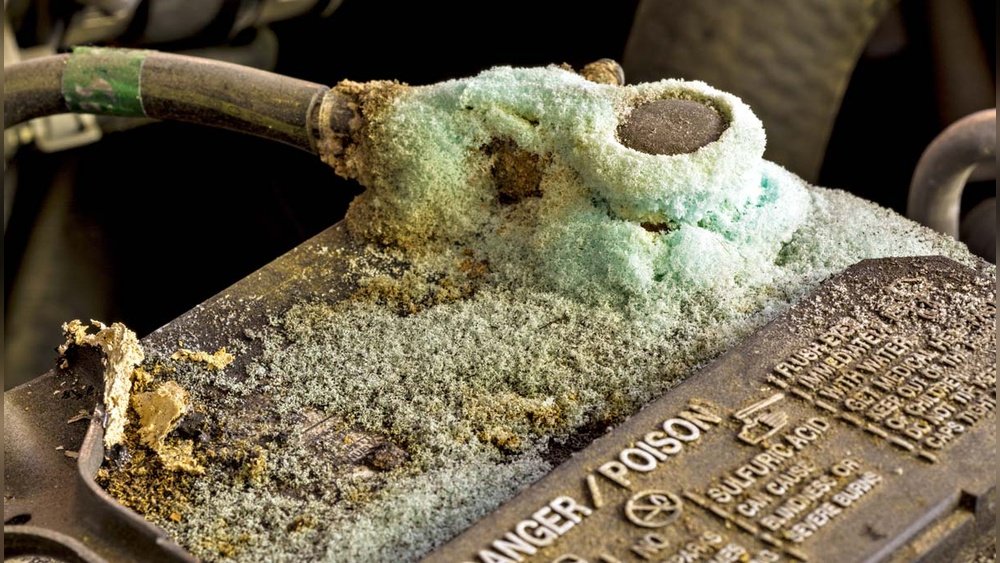
Corrosion looks like a white or green powder. It blocks the flow of electricity and can slowly drain the battery. Loose connections can also cause random electrical problems.
Practical advice: Clean the terminals with a wire brush and check that the clamps are tight.
7. Faulty Charging System
The alternator charges the battery when the engine runs. If the alternator or its belt fails, the battery isn’t charged. You might see a battery warning light on the dashboard. Even a slipping belt can reduce charging.
A failing alternator can also damage the battery by overcharging or undercharging it, leading to early failure.
8. Frequent Short Circuits
Wiring problems can cause short circuits. These create a direct path for electricity to flow, quickly draining the battery and sometimes creating sparks or even a fire risk.
Short circuits are harder to spot but can be found with a professional inspection.
9. Excessive Power Demand
Modern cars have many electronic systems—navigation, heated seats, large screens, and more. Aftermarket add-ons like big speakers, amplifiers, or custom lighting put even more demand on the battery.
If the battery isn’t rated for this extra load, or if the alternator can’t keep up, the battery will drain quickly.
Fact: Many car owners install accessories without upgrading the battery or alternator, which leads to early failure.
10. Human Error And Neglect
Simple mistakes can kill a battery. Leaving a door slightly open, not turning off the radio, or ignoring warning signs are common causes. Sometimes, car owners forget to service the battery altogether.
Regular checks and good habits can prevent most “human error” battery deaths.
How Car Battery Problems Are Diagnosed
Understanding what causes a car battery to die quickly is only part of the solution. You also need to know how to check for these problems.
Testing Battery Voltage
A fully charged battery should show about 12.6 volts when the car is off. If the voltage drops below 12.4 volts, it’s partially discharged. Below 12.0 volts, it’s considered dead or deeply discharged.
You can use a multimeter to test the voltage. This simple tool is cheap and easy to use.
Checking For Parasitic Drain
A mechanic can use a tool called an ammeter to measure how much power is being drawn when the car is off. If the drain is over 50 milliamps, there could be a problem.
Practical tip: Disconnect one fuse at a time to find which circuit is causing the drain.
Load Testing
A battery might show the right voltage but still fail under load. A load tester draws a heavy current from the battery and checks if the voltage drops too much. This test finds batteries that are weak but not completely dead.
Charging System Test
Shops can test the alternator output. It should deliver 13.8 to 14.4 volts when the engine runs. Too low means the battery isn’t being charged; too high can mean overcharging.
Signs Your Battery Is Dying Faster Than Normal
You can spot battery trouble before it leaves you stranded. Here are some warning signs:
- Engine cranks slowly or struggles to start.
- Dim headlights or flickering lights.
- Electrical accessories (radio, windows) work poorly.
- Clicking sound when turning the key.
- Dashboard warning light stays on.
- Corrosion on battery terminals.
- Need to jump-start more than once in a few months.
If you notice these problems, test the battery and charging system soon.
How To Prevent Your Car Battery From Dying Fast
Prevention is easier than fixing a dead battery. Here’s how to keep your battery healthy:
1. Drive Longer Distances Regularly
Try to drive your car for at least 20–30 minutes at a time, especially if you often make short trips. This gives the alternator time to recharge the battery.
2. Turn Off All Accessories When Parking
Before leaving your car, make sure all lights, fans, and devices are off. Unplug chargers and electronic devices.
3. Clean And Tighten Battery Connections
Check the battery terminals every few months. Clean away any corrosion with a wire brush and baking soda. Make sure the clamps are tight.
4. Protect Your Battery From Extreme Temperatures
If you live in a very hot or cold climate, park in a garage when possible. Battery insulation kits are available for very cold regions.
5. Check The Battery’s Age And Condition
Remember, most batteries last 3–5 years. If yours is older, have it tested at an auto shop.
6. Limit Aftermarket Electronics
If you want to add powerful audio or lighting, upgrade to a higher-capacity battery and alternator. Avoid draining the battery with the engine off.
7. Service The Charging System
Have your alternator and belt checked with each oil change. This can prevent unexpected battery problems.
8. Watch For Warning Signs
Don’t ignore slow starts or dim lights. Fix small problems before they become big ones.
Common Myths About Car Batteries
Many drivers believe things about batteries that aren’t true. Here are some myths and the real facts:
1. “driving Will Always Recharge A Dead Battery.”
If a battery is deeply discharged, a short drive often isn’t enough to fully recharge it.
2. “batteries Last Longer In Hot Weather.”
Actually, heat speeds up battery failure.
3. “jump-starting Fixes A Weak Battery.”
Jump-starting only gets you moving. If the battery is failing, it won’t hold a charge.
4. “all Batteries Are The Same.”
Different cars need different battery sizes and types. Using the wrong one can cause problems.
5. “maintenance-free Batteries Need No Attention.”
Even sealed batteries need to be checked for corrosion and secure mounting.

Data: How Often Car Batteries Fail
Car battery failure is one of the most common reasons for roadside assistance calls. According to the American Automobile Association (AAA), battery-related problems cause about 23% of all calls.
Here’s a breakdown of common battery failure causes based on AAA data:
| Cause | Percentage of Cases |
|---|---|
| Old battery | 39% |
| Parasitic drain | 19% |
| Charging system failure | 16% |
| Corroded connections | 12% |
| Extreme temperature | 9% |
| Other | 5% |
This shows that most problems are preventable with good maintenance and awareness.
What To Do If Your Car Battery Dies
If you find your battery dead, here’s what you can do:
- Check for obvious causes. Did you leave the lights on? Is there corrosion on the terminals?
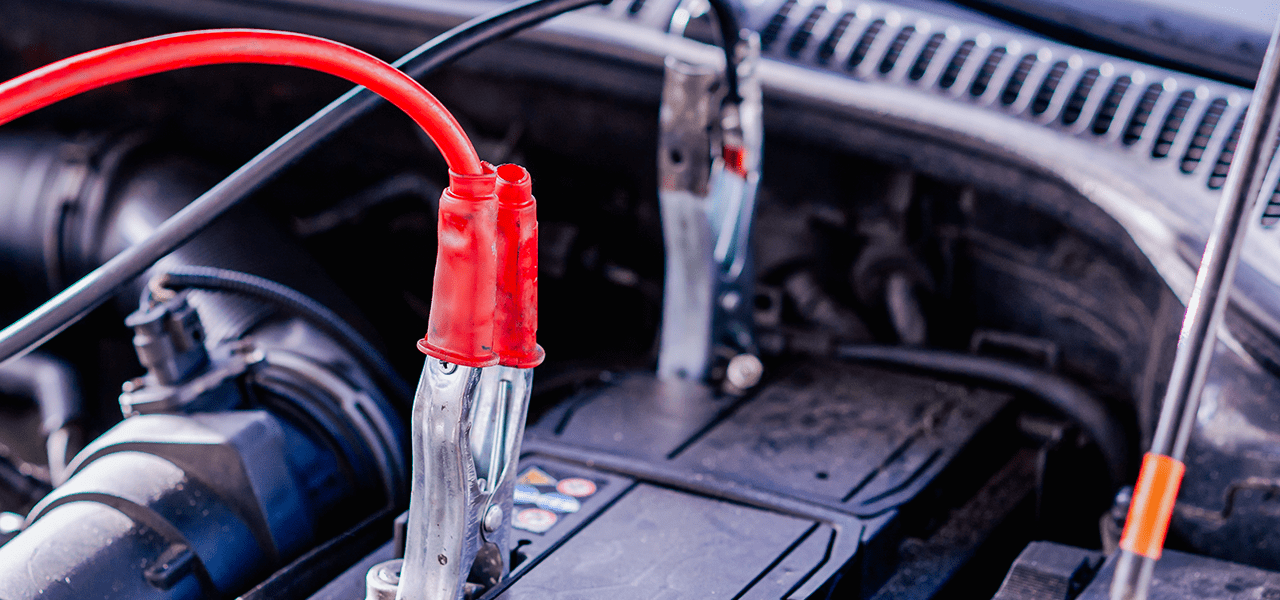
- Try jump-starting. Use jumper cables and a running car. Connect positive to positive, negative to negative.
- Drive for at least 30 minutes. This helps recharge the battery.
- Test the battery. If it dies again, test or replace it.
- Get the car checked. If the battery is new, check the charging system for problems.
Important: If your battery dies more than once in a short time, don’t just keep jump-starting it. Find the real cause before you get stranded.
Car Battery Lifespan: What To Expect
A good battery should last three to five years. But if you live in a hot area, make lots of short trips, or often leave electronics plugged in, it may die in two years or less.
Here are typical battery lifespans in different conditions:
| Condition | Expected Lifespan |
|---|---|
| Normal use, mild climate | 4–5 years |
| Hot climate | 2–3 years |
| Frequent short trips | 2–3 years |
| Heavy accessory use | 2–3 years |
Testing your battery once a year after the second year is a good idea.
When To Replace Your Car Battery
Replace your battery if:
- It’s more than 3–5 years old.
- It fails a load test.
- The car needs frequent jump-starts.
- The battery case is swollen or cracked.
- There’s heavy corrosion that can’t be cleaned.
Waiting too long to replace a weak battery can damage other car systems, like the alternator.
Environmental Impact Of Dead Car Batteries
Dead car batteries are hazardous waste. They contain lead and acid, which are dangerous for the environment. Always recycle old batteries at an auto shop or recycling center.
Fact: Over 95% of a lead-acid battery can be recycled and used to make new batteries. Never throw one in the trash.
For more on safe battery recycling, visit the Wikipedia page on car batteries.
Frequently Asked Questions
Why Does My Car Battery Keep Dying Overnight?
A parasitic drain is the most common reason. This happens when something—like a light, alarm, or electronic system—keeps drawing power even when the car is off. Bad wiring or a faulty relay can also cause this.
How Long Does A Car Battery Last Without Driving?
Most healthy batteries can last about two weeks without being driven. But if the battery is old or weak, it might die in just a few days. Cold weather can make this happen faster.
Can A Bad Alternator Drain A Battery?
Yes, a faulty alternator can quickly drain the battery. If it doesn’t charge the battery while you drive, the battery loses power and eventually dies. Sometimes, a bad alternator can even damage a new battery.
How Do I Know If My Battery Or Alternator Is Bad?
If your car starts with a jump but dies soon after, the alternator is likely bad. If the car runs after a jump and keeps running, the battery is usually the problem. A mechanic can test both to be sure.
Is It Safe To Jump-start A Dead Battery?
Yes, but do it carefully. Follow the correct order for connecting jumper cables. Wear gloves and eye protection if possible. If the battery case is cracked or leaking, do not jump-start—replace it instead.
Car battery problems are annoying but preventable. By understanding what causes a car battery to die quickly and following good habits, you can avoid being stranded and extend your battery’s life. Take care of your battery, and your car will take care of you.