Every driver knows the sinking feeling of turning the key and hearing nothing but a faint click—or even total silence. A dead car battery can ruin your morning, leave you stranded, and cost unexpected money. But what’s even more frustrating is when your car battery dies overnight, without warning or any clear reason.
It’s a problem that happens to millions each year, and it often leaves people confused and searching for answers.
Understanding what drains a car battery overnight is more than just basic car care. It’s about protecting your time, your safety, and your wallet. The causes are sometimes simple, but often they’re hidden and tricky to spot, even for experienced drivers.
This article explores every possible reason, from the obvious mistakes to the hidden electrical problems. By the end, you’ll know what to check, how to prevent it, and what to do if it happens again.
How A Car Battery Works
Before looking at what drains a car battery overnight, it’s important to know how a car battery functions. The battery stores electrical energy and provides the power needed to start your engine. After starting, the alternator takes over, keeping the battery charged and supplying power to electrical systems.
A car battery is designed to give a strong burst of power (about 12. 6 volts when fully charged). It is not meant to be drained and recharged repeatedly—this is called deep cycling, and it’s hard on standard car batteries.
Even a small drain left overnight can reduce the battery’s charge enough that your car won’t start in the morning.
Common Reasons Your Car Battery Drains Overnight
Many problems can cause a battery drain. Some are easy to spot, while others are almost invisible until your battery is dead. Let’s explore the most common causes.
1. Interior Lights Left On
One of the most frequent reasons for an overnight drain is leaving interior lights on, such as:
- Dome lights
- Glove box lights
- Trunk lights
If one of these lights stays on, it can use enough power to drain the battery completely within several hours. Modern cars often turn these off automatically, but older models may not.
2. Headlights Or Parking Lights Left On
It happens to everyone at least once: you forget to turn off your headlights or parking lights. Some cars have warning alarms or automatic shutoff, but not all. Headlights use much more power than small interior lights, so just a few hours can kill the battery.
3. Faulty Electrical Components
Many electrical parts in your car, like radios, alarms, and navigation systems, need a small amount of power even when the car is off. If one of these systems malfunctions, it can draw too much power and drain the battery.
4. Parasitic Draw
A parasitic draw is an electrical device or wiring problem that keeps using power after the car is turned off. Every car has a normal parasitic draw (to keep memory in the radio, clock, etc.), but too much is a problem.
- Normal draw: 25-50 milliamps (mA)
- Problematic draw: Over 100 mA
Even a small extra drain can empty the battery overnight.
5. Faulty Alternator
A bad alternator can cause two problems:
- It doesn’t recharge the battery while driving
- Its internal diodes can fail, causing a drain when the car is off
Either way, you can wake up to a dead battery.
6. Old Or Weak Battery
Car batteries lose strength over time (usually 3-5 years). An old battery may not hold a charge overnight, especially in cold weather or if there was a drain the day before.
7. Extreme Temperatures
Both very hot and very cold weather can damage a battery. Cold slows the chemical reactions, making it harder to hold a charge. Heat can cause fluid evaporation and internal damage.
8. Loose Or Corroded Battery Connections
Loose clamps or corroded terminals can prevent the battery from charging fully, or cause a slow drain. Even if your alternator is working, poor connections can leave your battery weak.
9. Aftermarket Accessories
Add-ons like dash cams, phone chargers, and GPS units often connect directly to the battery. If they’re wired wrong or left on, they can drain the battery quickly.
10. Faulty Relays Or Switches
Many systems use relays to turn power on and off. If a relay sticks in the “on” position, it can keep a circuit running (like the fuel pump or cooling fans), causing a large overnight drain.
11. Bad Ignition Switch
A faulty ignition switch may not turn off all systems when you remove the key. Some power may keep flowing to parts that should be off, draining your battery.
12. Alarm And Security Systems
Car alarms and immobilizers need a small amount of power even when off. If there’s a problem with the alarm system, it can draw too much power and kill your battery overnight.
13. Faulty Door, Trunk, Or Hood Switches
If the switches that control interior lights or alarms (located in doors, trunk, or hood) fail, the system may think a door is open all night, keeping lights or security systems running.
14. Short Circuits Or Wiring Problems
Damaged wires or short circuits can cause a drain that’s hard to find. These issues can develop after an accident, during repairs, or with age.
15. Faulty Voltage Regulator
The voltage regulator controls how much power the alternator sends to the battery. If it fails, the battery may not charge fully, or it could be overcharged (which also shortens battery life).
16. Not Driving Enough
Short trips or not using your car for long periods can cause the battery to run down. The alternator needs time to recharge the battery after starting. If the car sits, the battery can slowly lose charge from normal parasitic draw.
17. Computer Or Ecu Problems
Modern cars have computers (ECUs) that stay powered even when the car is off. If the ECU has a software glitch, it can stay “awake” and use more power than normal.
18. Faulty Fuses
A fuse is designed to protect electrical systems, but sometimes a faulty or partially blown fuse can allow a small, constant drain.
19. Bad Starter Motor
A starter motor with internal problems can create a small electrical path that drains the battery, even when the car isn’t running.
20. Human Error
Simple mistakes, like leaving a door slightly open or not closing the trunk properly, can leave lights on or alarms active, draining the battery overnight.
How To Detect What’s Draining Your Car Battery
Finding the cause of an overnight drain can be tricky, but systematic checks can help.
Visual Inspection
Start by looking for obvious problems:
- Are any lights on inside or outside the car?
- Are all doors, trunk, and hood fully closed?
- Is there visible corrosion on battery terminals?
Listen For Sounds
Sometimes you can hear relays clicking or cooling fans running after the car is off. These sounds can mean a stuck relay or a system that isn’t shutting down.
Check Battery Age
Look for a sticker or code on the battery. If it’s over three years old, it may not hold a charge well, especially in extreme weather.
Use A Multimeter
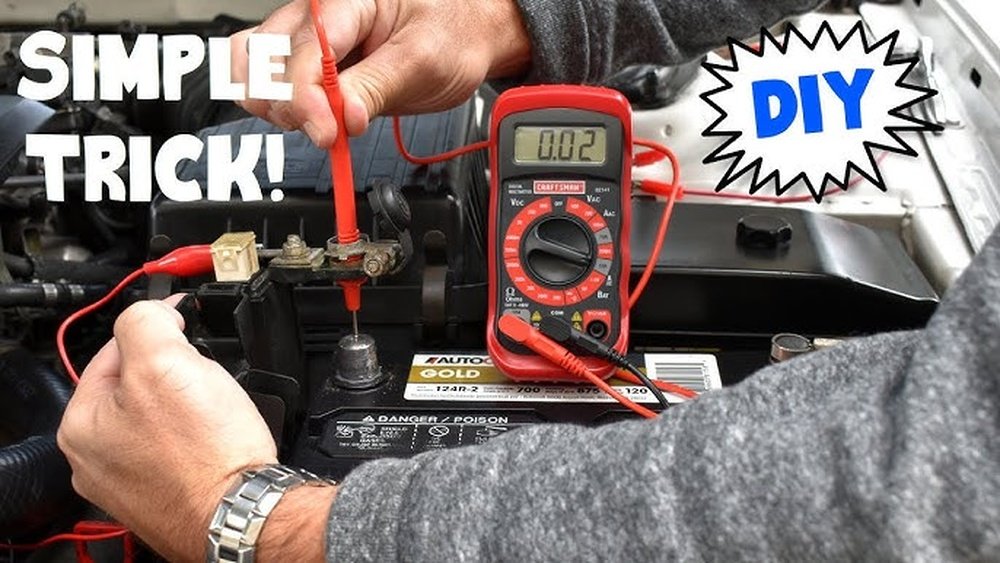
A multimeter can measure the parasitic draw. Set it to measure current (amps), disconnect the negative battery cable, and connect the meter in series. Wait for all systems to “sleep” (can take up to 30 minutes in modern cars). Normal draw should be less than 50 mA. If it’s higher, start removing fuses one by one to find the problem circuit.
Perform A Voltage Drop Test
Check voltage at the battery before and after the car sits overnight. A healthy battery should drop less than 0. 2 volts overnight.
Scan For Error Codes
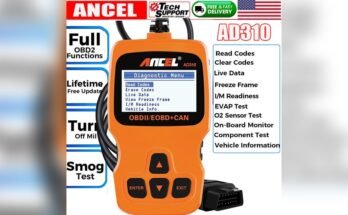
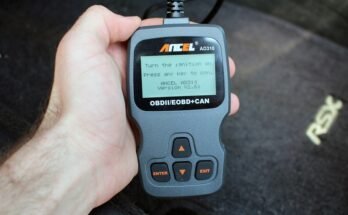
Modern cars store error codes when there are electrical problems. A simple OBD-II scanner can reveal issues with ECUs, sensors, or other systems that could be causing a drain.
Common Myths About Car Battery Drain
Many drivers believe things that are not true about batteries. Here are a few:
- Myth: Disconnecting the battery overnight fixes the problem. (Fact: It only hides the drain, but doesn’t solve the root cause.)
- Myth: All battery drains are caused by old batteries. (Fact: Even new batteries can be drained by electrical issues.)
- Myth: Only big electrical accessories cause drains. (Fact: Even small lights or sensors can kill a battery over time.)
- Myth: Driving for a few minutes will fully recharge a dead battery. (Fact: It can take several hours of driving to fully recharge a depleted battery.)
The Impact Of Battery Drain On Your Car
A battery that drains overnight is more than just annoying—it can cause long-term damage. Repeated deep discharges shorten battery life. A weak battery can also stress the alternator, which has to work harder to recharge it, leading to more expensive repairs.
Here’s a comparison of how different battery drain levels affect battery life:
| Type of Drain | Frequency | Impact on Battery Life |
|---|---|---|
| Small (25-50 mA) | Daily/Normal | Minimal, battery stays healthy |
| Moderate (100-200 mA) | Occasional | Shortens battery life (1-2 years lost) |
| Large (500+ mA) | Frequent/Overnight | Severely damages battery, may not recover |
How To Prevent Your Car Battery From Draining Overnight
Prevention is much easier than fixing a dead battery every morning. Here are steps you can take:
- Double-check all lights: Before leaving your car, look for dashboard warnings or lights that are still on.
- Unplug accessories: Remove phone chargers, dash cams, and other devices when the car is off.
- Regular maintenance: Clean battery terminals and check for corrosion every few months.
- Drive regularly: Take longer trips to keep the battery charged, especially in winter.
- Replace old batteries: Don’t wait for a breakdown; replace your battery every 3-5 years.
- Inspect after repairs: If you recently had work done, check that all wiring and fuses are correct.
- Check for recalls or known issues: Some car models have common electrical problems—check with your dealer or online for updates.
Here’s a quick reference for prevention:
| Prevention Step | How Often | Benefit |
|---|---|---|
| Check lights and accessories | Every time you park | Prevents accidental drain |
| Clean battery terminals | Every 3-6 months | Ensures good charging |
| Test battery voltage | Every 6 months | Early warning of weak battery |
| Drive car longer distances | Weekly | Keeps battery charged |
| Professional check-up | Annually | Finds hidden problems |

What To Do If Your Battery Dies Overnight
If you find your car won’t start in the morning, here’s what to do:
- Check for visible issues: Are the lights on? Are the terminals corroded?
- Try jump-starting: Use jumper cables and another vehicle, or a portable jump starter.
- Test the battery: If it keeps dying, have it tested at an auto parts store.
- Check for parasitic drains: If the battery is good, check for electrical problems.
- Get professional help: If you can’t find the cause, a mechanic can perform advanced tests.
Two Non-obvious Insights
- Parasitic Draws Can Be Intermittent: Some electrical drains only happen under specific conditions (for example, when it rains and water shorts a wire, or a failing relay that sticks only sometimes). This makes them hard to diagnose because the problem may not be present when you test.
- Software Updates Matter: Modern cars often get software updates for their electronic systems. A bug in the car’s computer can keep systems awake and draining power. Check with your dealer for the latest updates, especially if your car is under warranty.
When To Replace Your Car Battery
Many people wait until the battery fails, but you can avoid being stranded by replacing it early. Signs include:
- The car is slow to start
- Electrical systems (radio, lights) don’t work well
- The battery case looks swollen or cracked
- The battery is over 3-5 years old
A battery test can show its health. If in doubt, it’s safer to replace it.
The Cost Of Battery Problems
A new car battery can cost $80-$200, depending on the type and brand. If the battery dies due to electrical problems, you may also need to pay for diagnosis and repair, which can be $100-$300 or more.
You could also face costs for towing, missed appointments, or lost work. That’s why prevention and early action matter.
Are Some Cars More Likely To Have Battery Drain?
Yes, some models are known for electrical problems that cause battery drain. Luxury cars, or models with many electronic features, can be more at risk. Older cars may have wiring that’s worn out or modified.
If you drive a car with many electronic systems (automatic lights, alarms, remote start), you should be extra careful. Always check for recalls and service bulletins.

How Weather Affects Battery Drain
Batteries perform best in moderate temperatures. Extreme cold can reduce their capacity by 20-50%. If your battery is already weak, a cold night can finish it off. Hot weather can evaporate battery fluid and damage internal parts, making it more likely to fail.
If you live in a place with very hot or cold weather, check your battery more often.
Diy Vs. Professional Diagnosis
You can do basic checks at home: look for lights left on, clean terminals, and test voltage with a multimeter. But for complex electrical drains, professional help is often needed. Mechanics have special tools that can find hard-to-diagnose problems quickly.
If you’re not comfortable with car electronics, it’s safer to get expert help.
For more details on how batteries work and the science behind battery drain, you can visit the Wikipedia Car Battery page.
Frequently Asked Questions
Why Does My Car Battery Keep Dying Overnight Even After I Replace It?
This usually means there’s an electrical drain somewhere in your car. Replacing the battery helps only if the battery itself was the problem. If the drain remains, even a new battery will go dead.
Can A Bad Alternator Drain A Battery Overnight?
Yes, a faulty alternator can cause battery drain in two ways: not charging the battery while driving, or causing a drain through bad internal parts (like a failed diode) even when the engine is off.
Will Disconnecting The Battery Prevent Overnight Drain?
Disconnecting the battery will stop the drain while the battery is disconnected, but it does not fix the underlying issue. It also resets your car’s computers and clock, which can cause other issues.
How Do I Check For A Parasitic Draw?
You can use a multimeter set to measure current. Disconnect the negative battery cable, connect the meter, and check the drain. Start pulling fuses to see which circuit is causing the problem. If you’re unsure, a mechanic can perform this test.
How Long Should A Car Battery Last Without Being Driven?
A healthy car battery can last two to four weeks without being driven, depending on weather and the car’s electronics. If your battery dies in one night, there is likely an electrical problem.
A dead battery doesn’t have to ruin your day or your budget. By understanding the causes, taking simple prevention steps, and acting early, you can keep your car ready whenever you need it. If you have ongoing issues, don’t ignore them—get your car checked by a professional to avoid bigger problems down the road.