Every car owner fears the moment when they turn the key and hear nothing. A completely dead battery is a situation most drivers will face at least once. But what really happens when a car battery completely dies? Many people think it’s just a small inconvenience—a quick jump start, and you’re back on the road. In reality, the effects of a dead battery go much deeper. Your car’s electrical system, your day, and sometimes your wallet can all suffer.
Let’s explore, in clear detail, what happens when your car battery is finished, why it happens, and what you should do next. Along the way, you’ll discover practical tips, expert insights, and answers to common questions that even experienced drivers often overlook.
What Does It Mean For A Car Battery To Be Completely Dead?
A car battery isn’t just weak when it’s “completely dead”—it has zero usable power left. This can happen suddenly or after many warnings. At this point, the battery cannot provide enough energy to start the engine or power electrical components.
Some drivers confuse a weak battery with a dead one. A weak battery may still start your car occasionally, especially if the weather is warm. A dead battery, on the other hand, cannot turn the starter motor at all—no lights, no sounds, nothing.
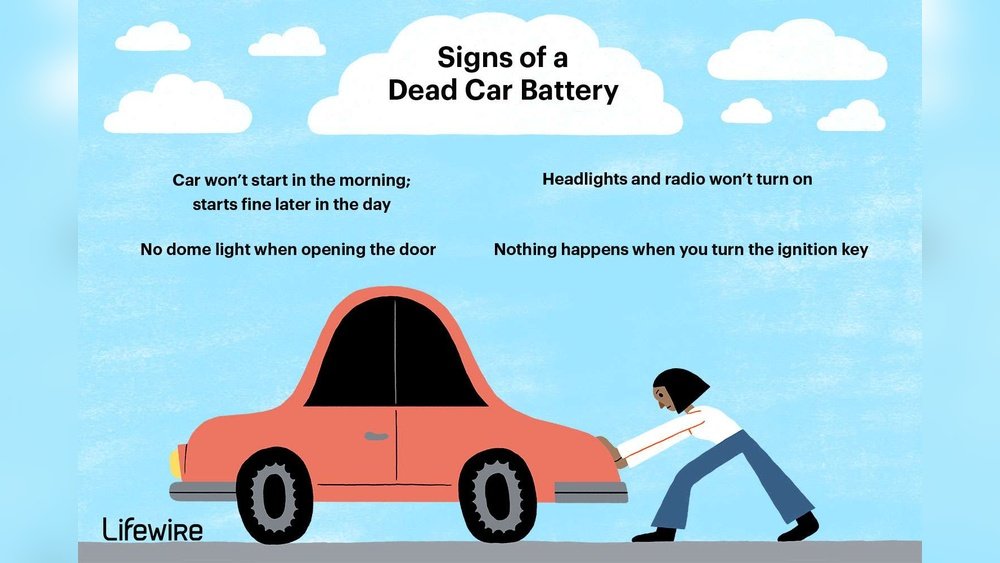
Common Signs Your Battery Is Dead
- Engine does not crank: Turning the key or pressing the start button results in silence.
- No dashboard lights: The instrument panel stays dark.
- Electrical accessories fail: Power windows, radio, and interior lights do not work.
- Clicking sound: Sometimes, you may hear a single click from the starter relay, but nothing else happens.
What Causes A Car Battery To Completely Die?
Understanding why a battery fails helps you prevent it in the future. Several key factors contribute to a battery’s complete failure:
- Age: Most car batteries last 3 to 5 years. After this, their ability to hold a charge drops quickly.
- Extreme temperatures: Both hot and cold weather strain battery chemistry, shortening its life.
- Parasitic drain: Electronics left on (like dome lights) or faulty wiring can slowly drain the battery, even when the car is off.
- Short trips: Frequent, short drives may not give the alternator enough time to recharge the battery.
- Corroded terminals: Corrosion at the battery terminals creates resistance, causing poor charging and discharging.
- Faulty charging system: If the alternator or voltage regulator isn’t working, your battery will run down, no matter how new it is.
- Physical damage: Cracks or leaks can destroy a battery almost instantly.
Non-obvious insight: Many drivers don’t realize that modern vehicles with advanced electronics (alarms, infotainment, keyless entry) can drain a battery faster, even when parked.
Immediate Effects: What Happens When You Try To Start The Car?
When a battery is fully dead, the first and most obvious result is a car that won’t start. The starter motor requires a large burst of electricity. Without this, nothing happens when you turn the key.
Here’s what you’ll likely experience:
- Silence: No engine cranking, no lights, no dashboard activity.
- Loss of all electrical systems: Power locks, windows, and even emergency flashers may not work.
- Alarm systems disabled: If your battery is dead, the anti-theft system may not operate, leaving your car less secure.
Some cars, especially newer models, will display warning messages like “Low Battery” or “Check Charging System. ” But with a totally dead battery, you may get nothing at all.
How It Affects Your Car’s Electronics And Memory
A car’s battery is more than just a power source for starting. It also keeps the computer systems, clock, and radio presets running, even when the engine is off. When the battery dies completely, these systems lose power and reset.
Effects On Vehicle Memory
- ECU (Engine Control Unit) resets: The computer that controls your engine may lose learned settings, such as fuel mixture and idle speed. Your car may run rough or stall until it relearns these.
- Loss of radio presets and clock: You’ll need to reset the time and reprogram your favorite stations.
- Power window and sunroof programming: Some vehicles need a special procedure to restore automatic window or sunroof functions after a dead battery.
Non-obvious insight: Some vehicles may require a special relearn procedure after a dead battery to restore smooth shifting or advanced features like adaptive cruise control. Check your owner’s manual or consult a mechanic if your car behaves strangely after battery replacement.
Can You Restart A Car With A Completely Dead Battery?
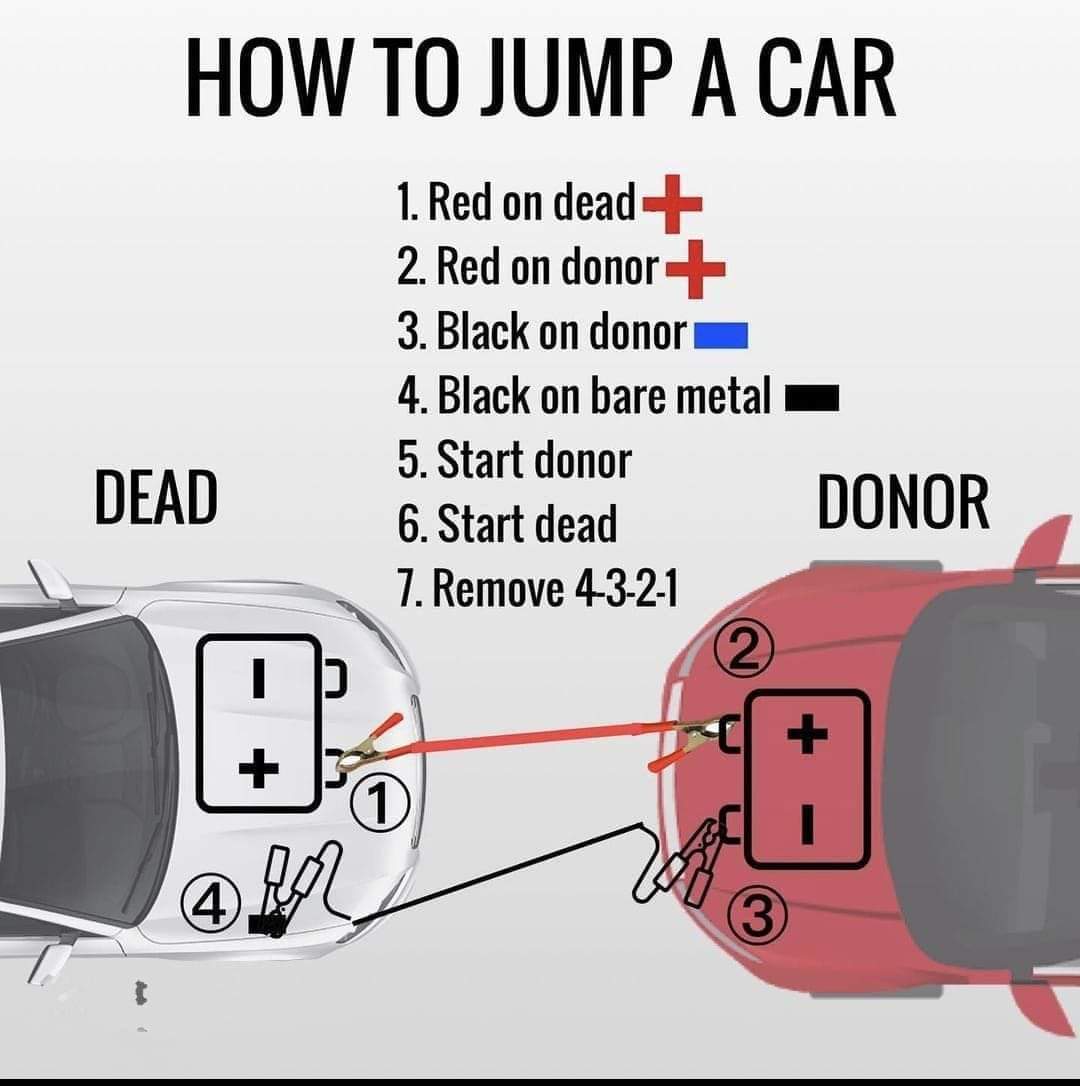
In many cases, a jump start can bring your car back to life. Here’s how it works:
- Connect jumper cables to a working vehicle or a jump pack.
- Start the helper car (if using another vehicle).
- Start your car with the dead battery.
However, if the battery is extremely old or has internal damage, even a jump start will not help. The car might start once, but the battery will not hold a charge and will die again as soon as you turn off the engine.
When Jump Starting Won’t Work
- Damaged battery: Cracked or leaking batteries are unsafe to jump.
- Deep sulfation: If a battery has been dead for weeks or months, sulfate crystals may form inside, preventing it from accepting a charge.
- Failed alternator: If the charging system isn’t working, the car will die again after a few minutes.
What Else Stops Working When The Battery Dies?
The battery powers much more than just the starter. When it’s dead, many systems stop working:
- Keyless entry and push-button start: You may not be able to unlock or start your car without a backup method.
- Security alarms: Some alarm systems are disabled, making your car vulnerable.
- Automatic transmission locks: You might not be able to shift out of “Park” without battery power.
- Steering lock: In some cars, the steering wheel stays locked until power is restored.
- Emergency communication systems: Services like OnStar or eCall will not function during a complete battery failure.
What Happens To The Battery Internally?
Inside the battery, lead plates and acid create an electric charge through a chemical reaction. Over time, or after repeated deep discharges, these plates develop sulfation—a buildup of lead sulfate crystals. This reduces the battery’s ability to hold a charge.
If the battery is left dead for a long period, this process becomes permanent. The battery cannot be restored, even with professional chargers.
Here’s a quick comparison of battery states:
| Status | Can Be Recharged? | Common Solution |
|---|---|---|
| Weak | Yes | Jump start, recharge, or replace |
| Completely dead | Sometimes | Jump start, but replacement likely needed |
| Sulfated/failed | No | Replacement only |
Key takeaway: If your battery is completely dead more than once, replacement is usually the only long-term fix.
Risks And Dangers Of A Completely Dead Battery
A completely dead battery isn’t just inconvenient—it can be dangerous.
- Stranded in unsafe locations: If your battery dies far from home or in bad weather, you may be at risk.
- Power windows and door locks: In an emergency, you may not be able to open windows or unlock doors quickly.
- Electrical system spikes: Jump starting incorrectly can cause voltage spikes, damaging sensitive electronics.
- Leaking acid: Old, dead batteries can leak acid, which is corrosive and dangerous to touch.
- Fire hazard: Very rarely, a shorted or damaged battery can overheat and cause a fire.

How To Respond: What Should You Do Next?
If you’re faced with a dead battery, here’s what to do:
- Stay safe: Move your car to a safe spot if possible. Turn on hazard lights if they work.
- Check for obvious causes: Did you leave lights on? Is there visible corrosion or damage?
- Try a jump start: Use jumper cables or a jump pack if you have one and know how to use it.
- Call for help: If you can’t jump start, contact roadside assistance or a friend.
- Replace the battery: If your battery is old or dies again soon, buy a new one.
- Check the charging system: Have your alternator and charging system tested to make sure they’re working.
Costs Involved When A Car Battery Dies
Dealing with a dead battery can be cheap or expensive, depending on your choices and situation.
| Action | Estimated Cost | Notes |
|---|---|---|
| Jump start (DIY) | Free | If you have cables or a jump pack |
| Jump start (roadside service) | $30 – $100 | Depends on provider and location |
| New car battery | $75 – $250 | Varies by car make and battery type |
| Charging system repair | $150 – $600+ | If alternator or wiring is faulty |
Practical tip: Always save your receipts and warranty for a new battery—most come with a 2 to 3-year warranty.
Can A Dead Battery Affect Other Car Parts?
Yes, a dead battery can put stress on other components. Here’s how:
- Alternator: If your battery is weak, the alternator works harder to try to recharge it. This can wear out the alternator faster, leading to more expensive repairs.
- Starter motor: Repeated attempts to start a car with a weak battery can overheat and damage the starter.
- Computer systems: Power surges from jump starting or a failing battery can damage sensitive electronics.
Example: Some modern cars have dozens of computers. A sudden loss of power or an incorrect jump start can cost hundreds or even thousands in repairs.
How To Prevent A Car Battery From Dying Completely
Prevention is easier than dealing with a dead battery. Here’s what experts recommend:
- Drive regularly: Long drives (20+ minutes) allow the alternator to fully recharge the battery.
- Turn off all lights: Before leaving your car, double-check that headlights and interior lights are off.
- Clean terminals: Corrosion can prevent charging. Clean terminals with a wire brush if you see white or green buildup.
- Test the battery: Most auto shops can test your battery for free or a small fee.
- Replace on time: Don’t wait until your battery dies. Replace every 3-5 years, or sooner in hot/cold climates.
Pro tip: Carry a portable jump starter in your car, especially if you often drive in remote areas or have an older battery.
Comparing Battery Technologies: Which Lasts Longer?
There are different types of car batteries. Knowing the difference helps you choose the right one.
| Type | Average Lifespan | Best Use Case |
|---|---|---|
| Lead-acid (flooded) | 3-5 years | Most standard cars |
| AGM (Absorbent Glass Mat) | 4-7 years | Modern cars with Start-Stop systems |
| Lithium-ion | 7-10 years | Electric and some hybrid vehicles |
Insight for beginners: AGM and lithium batteries cost more but handle deep discharges and extreme temperatures better. If your car often sits unused or you live in a very hot or cold area, consider upgrading.
When Is It Time To Replace The Battery?
Don’t wait for your battery to die in a parking lot. Look for these signs:
- Slow cranking: Engine turns over slowly when starting.
- Warning lights: Battery or charging system warning lights on the dashboard.
- Bulging or leaking: The battery case looks swollen or leaks fluid.
- Frequent jump starts: Needing a jump start more than once in a few months.
If you’re seeing these symptoms, it’s time to replace your battery.
Recycling And Disposing Of A Dead Battery
Car batteries contain lead and acid—both are hazardous to the environment. Never throw a dead battery in the trash.
- Return to auto shops: Most shops and battery retailers accept dead batteries for recycling.
- Deposit refund: In some places, you get money back when you return your old battery.
- Hazardous waste centers: Your city may have a special drop-off for batteries.
Why recycle? Recycling keeps toxic chemicals out of landfills and helps recover valuable materials for new batteries. According to the EPA, over 99% of lead-acid batteries are recycled in the U.S. For more information, see this Wikipedia article on car batteries.
Myths And Misconceptions About Dead Car Batteries
Let’s clear up some common misunderstandings:
- Myth 1: “If you jump start a dead battery, it’s fixed.”
Fact: A jump start is only a temporary solution. The battery may need replacement.
- Myth 2: “A car battery can last forever if you keep recharging it.”
Fact: All batteries have a limited number of charge/discharge cycles.
- Myth 3: “A new battery will fix all electrical problems.”
Fact: If your alternator or wiring is faulty, a new battery won’t solve the problem.
- Myth 4: “You can use any battery with the same physical size.”
Fact: Always match the correct voltage, cold cranking amps (CCA), and type for your vehicle.
Expert tip: Always check your car’s manual or ask a professional before replacing your battery with a different type.
Frequently Asked Questions
What Are The First Signs My Car Battery Is Dying?
The most common signs are slow engine cranking, dim headlights, and electrical accessories working poorly. If you notice your clock resetting or the radio losing presets, your battery may be weak.
Can A Completely Dead Battery Be Recharged?
Sometimes, but not always. If the battery is new and died due to lights left on, a full recharge may restore it. If it’s old or deeply discharged for a long time, replacement is usually needed.
How Long Can A Car Sit Before The Battery Dies?
This depends on the car and battery type. Most cars can sit 2-4 weeks before the battery is too weak to start. Modern cars with alarms and computers may drain the battery faster.
Is It Safe To Jump Start A Car With A Dead Battery?
Yes, if done correctly. Always follow proper jump starting steps to avoid sparks or damaging electronics. Never jump start a battery that is cracked or leaking.
What Should I Do If My Battery Dies Often?
Have your battery and charging system checked by a professional. Repeated failures suggest a deeper problem, like a bad alternator, corroded cables, or a parasitic drain.
A dead car battery can ruin your day, but understanding what happens and how to respond puts you in control. Keep your battery healthy with regular checks, and don’t ignore warning signs. If your battery dies completely, act quickly and safely to get back on the road—and keep your car and yourself protected.