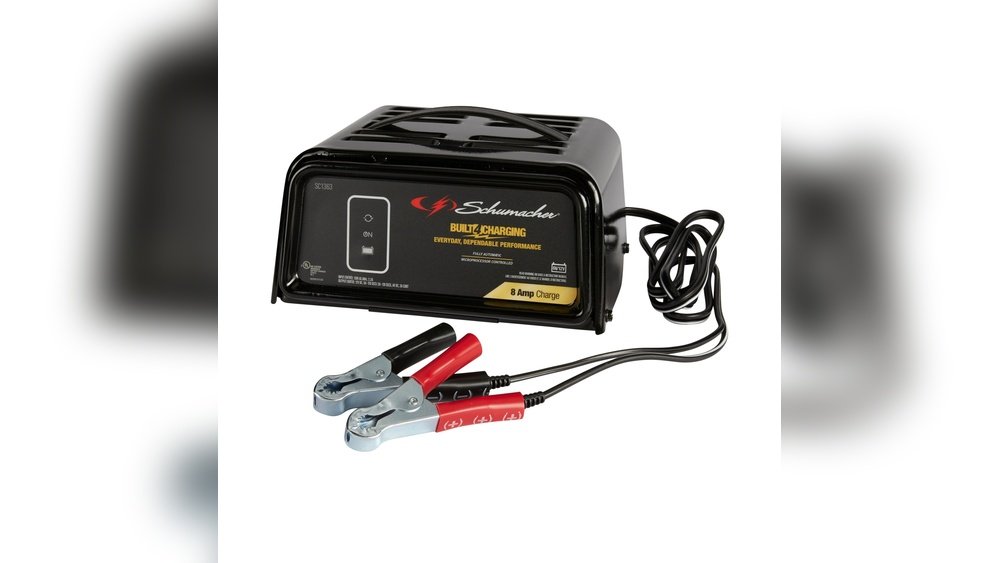
When your car won’t start, it’s easy to blame the battery. But what if you could bring it back to life, instead of calling for help or buying a new one? That’s where a car battery charger comes in. Many people see a car battery charger as something only mechanics use. In reality, it’s a simple tool anyone can use. It can save you money, time, and stress, especially during emergencies. Understanding how a charger works, what types exist, and how to use it safely is not just for car experts—it’s for anyone who drives.
This article will explain everything you need to know about car battery chargers. You’ll learn what they are, how they work, the types available, how to choose the right one, and how to use them safely. We’ll also look at some common mistakes, care tips, and answer questions people often ask.
Whether you’re a beginner or just want to refresh your knowledge, you’ll find practical advice and clear explanations here.
What Is A Car Battery Charger?
A car battery charger is a device that puts electricity back into a car’s battery. Over time, batteries lose their charge because of use, weather, or if you leave your lights on. When that happens, a battery charger can help restore power.
Think of a car battery like a big storage tank for electricity. It gives energy to start the engine and run things like lights and radios. When the battery is low, the car might not start. The charger sends controlled electricity into the battery to fill it up again. This process is called charging.
Chargers are not the same as jump starters. A jump starter gives a quick boost to start the car, but doesn’t recharge the battery fully. A charger slowly and safely brings the battery back to full power.
Why Do Car Batteries Lose Charge?
Car batteries lose charge for a few reasons. Knowing these reasons helps you understand why a charger is useful.
- Natural discharge: Even when not in use, batteries slowly lose power. This is normal for all batteries.
- Short trips: If you make lots of short journeys, the battery may not get enough time to recharge from the alternator.
- Extreme temperatures: Very hot or cold weather can cause the battery to drain faster.
- Leaving lights on: Forgetting headlights or interior lights can quickly drain the battery.
- Old batteries: As batteries age, they hold less charge and need to be recharged more often.
- Parasitic drains: Some electronics, like alarms or clocks, use small amounts of power even when the car is off.
If your battery often runs low, it’s a sign you may need to use a charger, or check for other issues.
How Does A Car Battery Charger Work?
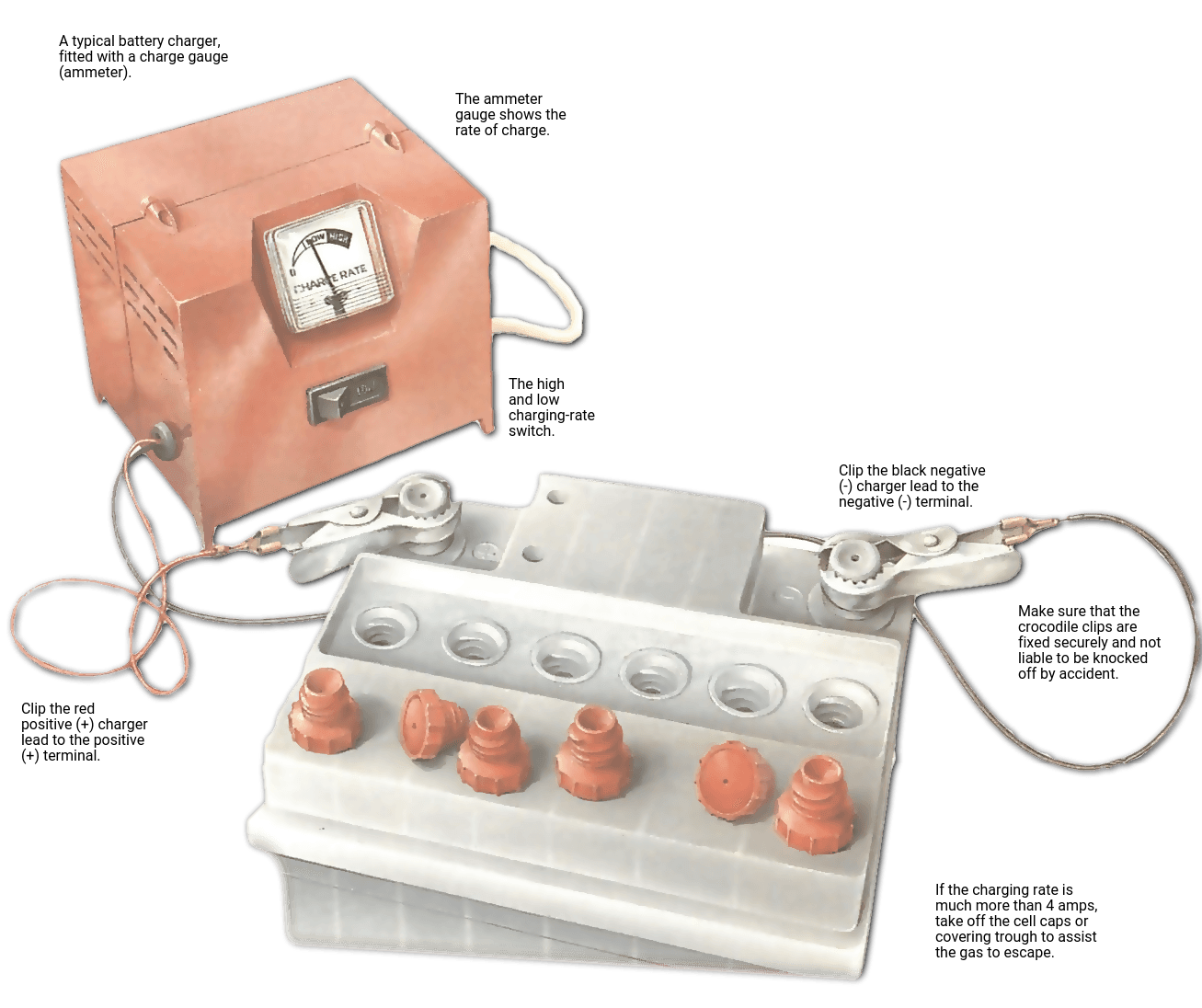
The main job of a charger is to send electricity into the battery at a safe rate. It does this by connecting to the battery’s terminals (positive and negative) and using your home’s electricity or another power source.
The Charging Process
- Conversion: Most home outlets give AC (alternating current) electricity. Car batteries need DC (direct current). The charger changes AC to DC.
- Controlled flow: Good chargers control the amount of electricity. Too much can damage the battery, too little takes too long.
- Charging stages:
- Bulk charge: Fast charging at the start to restore most power.
- Absorption charge: Slows down to protect the battery as it fills up.
- Float/maintenance: Keeps the battery full without overcharging.
Some chargers do all these steps automatically, while basic models need you to unplug them at the right time.
Example: Charging A Flat Battery
Imagine your car has not started for a month. The battery is flat. You connect a 10-amp charger to the battery. In a few hours, the battery gets enough power to start the car. If you leave the charger on, a smart charger will slow down as the battery fills, so it does not overcharge.
Types Of Car Battery Chargers
Not all chargers are the same. Picking the right one depends on your needs and your car. Here are the main types:
| Charger Type | Main Feature | Best For |
|---|---|---|
| Manual Charger | User must stop charging | Simple, low-cost charging |
| Automatic (Smart) Charger | Stops/adjusts charging automatically | Safe, easy, long-term use |
| Trickle Charger | Very slow, low power | Maintaining battery in storage |
| Float Charger | Keeps battery at full charge | Long-term maintenance |
| Multi-Stage Charger | Charges in several stages | Modern batteries, best care |
| Solar Charger | Uses sunlight | Remote or eco-friendly charging |
Manual Chargers
Manual chargers are simple and affordable. You connect them to the battery and unplug them when done. They do not shut off by themselves, so you must watch the charging time. If you forget, the battery can get damaged.
Automatic (smart) Chargers
Automatic or smart chargers use sensors to check the battery’s charge level. They slow down or stop charging when the battery is full. They are safe and easy to use, especially for people who do not want to monitor the process.
Trickle Chargers
A trickle charger gives a very small amount of electricity over a long time. This keeps the battery charged when not in use, but it can overcharge if left too long on old batteries without protection.
Float Chargers
Float chargers are designed for long-term maintenance. They keep the battery at 100% without overcharging. This is useful for cars you don’t drive often, like classic cars or seasonal vehicles.
Multi-stage Chargers
Multi-stage chargers use several steps for charging. They start with a fast charge, then slow down, and finish with a maintenance stage. This is safest for modern lead-acid and AGM batteries.
Solar Chargers
Solar chargers use sunlight, making them useful for outdoor, remote, or eco-friendly charging. They are not as fast as electric chargers, but they are helpful when no power outlet is nearby.
Main Features To Look For
Not all chargers have the same features. Some features make charging easier, safer, and faster.
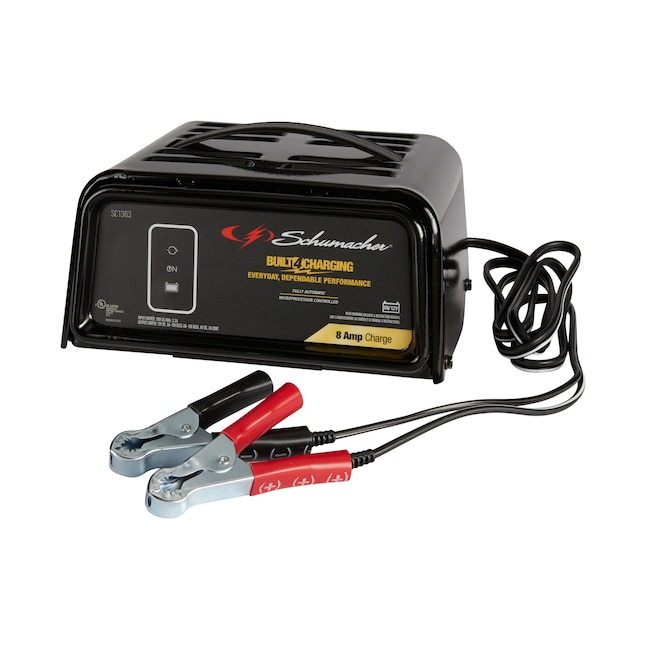
- Automatic shut-off: Stops charging when battery is full.
- Multiple charge rates: Lets you pick slow or fast charging.
- Reverse polarity protection: Warns if you connect cables the wrong way.
- Digital display: Shows charging status and battery level.
- Temperature sensor: Adjusts charging in hot or cold weather.
- Desulfation mode: Helps recover old, weak batteries.
- Jump start function: Some chargers can also jump start a car.
Having these features can prevent mistakes and keep your battery healthy.
How To Choose The Right Car Battery Charger
With many types and features, picking the right charger may feel confusing. Here’s how to make a smart choice:
| Factor | What to Check | Why It Matters |
|---|---|---|
| Battery Type | Lead-acid, AGM, Gel, or Lithium | Not all chargers work with every battery |
| Battery Size (Capacity) | Measured in amp-hours (Ah) | Pick a charger that matches or is close to your battery size |
| Voltage | 12V (most cars), 6V (some classics) | Wrong voltage can damage battery |
| Charging Speed | 2A (slow), 10A (fast), etc. | Faster is not always better; slow is safer for battery life |
| Smart Features | Auto shut-off, digital display, etc. | Makes charging safer and easier |
| Portability | Weight, size, carrying handle | Important if you travel or need to move the charger |
| Price | Compare with features | Cheaper is not always better for battery health |
Example: Matching Charger To Battery
If you have a 12V, 60Ah battery, a charger with 12V output and 6-10A charging current is a good match. For a 6V classic car battery, make sure your charger can switch to 6V.
How To Use A Car Battery Charger Safely
Using a charger is easy, but you must follow safety steps. Batteries contain acid and can spark, so be careful.
Steps To Charge A Car Battery
- Check the battery: Make sure it’s not cracked or leaking.
- Turn off the car: Remove keys and turn off all lights.
- Read the manual: Check both your car and charger instructions.
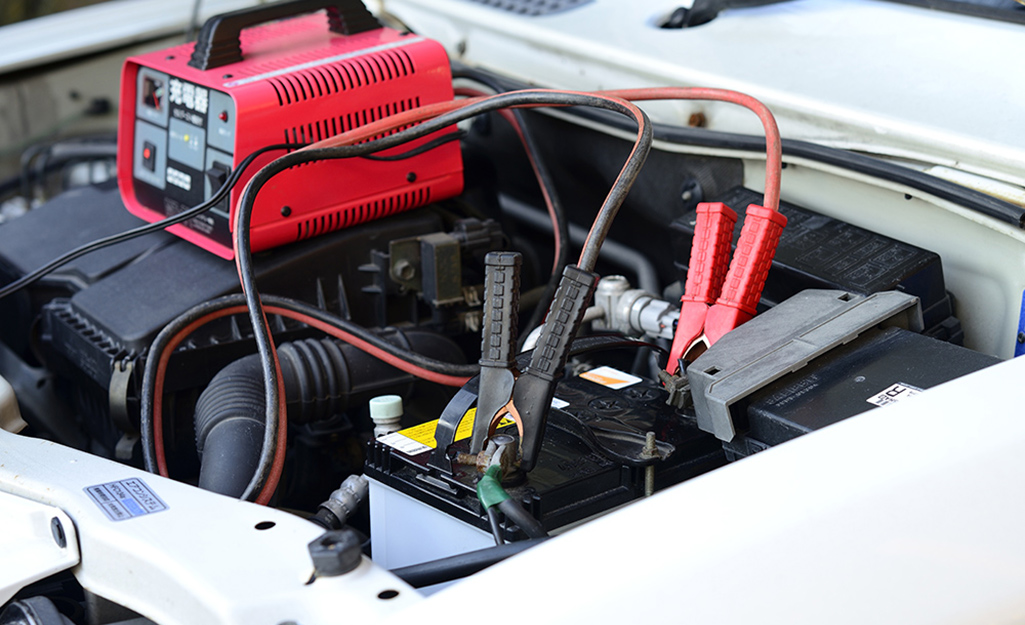
- Connect the charger:
- Attach the positive (red) clamp to the battery’s positive terminal (+).
- Attach the negative (black) clamp to the negative terminal (–), or to a metal part of the car away from the battery if the manual says so.
- Set the charger: Choose the correct voltage and charge rate.
- Plug in and turn on: Only now, connect the charger to power.
- Monitor the process: Watch the charger’s display or timer.
- Finish charging: When done, unplug the charger from power first.
- Remove clamps: Take off the negative clamp, then the positive.
- Check battery: Look for leaks or damage before starting the car.
Important Safety Tips
- Always use gloves and safety glasses.
- Never smoke or use flames near the battery.
- Charge in a well-ventilated area (batteries can give off gas).
- Double-check clamp positions before turning on the charger.
- If you see sparks or smell rotten eggs, stop and check for problems.
Real-world Example
A driver in cold weather finds their battery dead. They use a smart charger, following the above steps. After a few hours, the charger shows the battery is full. The car starts easily.
Common Mistakes When Using A Car Battery Charger
Many beginners make simple errors when charging batteries. These mistakes can damage the battery, the charger, or even cause injury.
- Choosing the wrong voltage: Charging a 12V battery with a 6V charger (or vice versa) will not work and can cause damage.
- Overcharging: Leaving a manual charger on too long can boil away battery fluid and ruin the battery.
- Wrong clamp connection: Mixing up positive and negative clamps can cause sparks and damage electronics.
- Charging a bad battery: If the battery is leaking, swollen, or very old, charging is unsafe and pointless.
- Ignoring safety gear: Not using gloves or goggles can lead to acid burns or injuries.
- Charging in a closed space: Batteries can release explosive gases. Always charge in fresh air.
Maintaining Your Battery And Charger
Good care keeps both your battery and charger working longer.
Battery Care Tips
- Keep terminals clean and free of corrosion.
- Check water levels in non-sealed batteries; add distilled water if low.
- Make sure the battery is securely mounted to prevent vibration.
- Avoid letting the battery go completely flat for long periods.
- Test battery voltage every few months.
Charger Care Tips
- Store the charger in a dry place.
- Check the cables and clamps for damage before each use.
- Clean dust and dirt from the charger.
- Follow the manufacturer’s instructions.
When To Replace Your Car Battery
A charger can revive many batteries, but not all. Here’s when you should consider a new battery:
- The battery won’t hold a charge, even after several attempts.
- The case is cracked or swollen.
- There’s visible corrosion, leaks, or a rotten egg smell.
- The car needs frequent jump starts, even after charging.
Most car batteries last 3–5 years. After that, even the best charger can’t save a worn-out battery.
Car Battery Charger Vs. Jump Starter
People often confuse chargers with jump starters. They work differently.
- Car battery charger: Fills the battery slowly and safely. Needs hours to fully charge. Best for regular maintenance and deep charging.
- Jump starter: Gives a quick, high-power burst to start the car. Does not recharge the battery. Good for emergencies, but you still need to charge the battery later.
A charger is for regular upkeep; a jump starter is for emergencies.
Environmental Impact
Charging your battery at home can reduce waste. Fewer dead batteries mean fewer replacements and less pollution. Some chargers use solar power, which is cleaner. Always recycle old batteries properly—never throw them in the trash.
For more on battery recycling, see the EPA’s battery recycling guide.
Practical Insights Most Beginners Miss
- Not all batteries are the same: Modern cars may use AGM or gel batteries, which need special chargers. Using the wrong charger can shorten battery life.
- Partial charging is not enough: Some people unplug the charger as soon as the car starts. For best battery life, charge until full. This prevents “memory effect” and keeps the battery healthy.
- Cold weather needs more care: In winter, batteries lose charge faster and need more frequent charging. A smart charger with a temperature sensor works better in extreme climates.
Cost And Value
A basic manual charger costs $20–$40. Smart chargers range from $40–$100. Solar chargers vary based on size and power. While it’s an upfront expense, a charger can save you hundreds of dollars by avoiding new battery purchases and roadside help.
Car Battery Charger Myths
- You can’t overcharge with any charger: False. Only smart chargers prevent overcharging. Manual chargers can cause damage if left on too long.
- All chargers work on all batteries: Not true. Always check your battery type and match the charger.
- Jump starting is the same as charging: No. Jump starting only helps start the car; it does not recharge the battery fully.
Frequently Asked Questions
What Is The Difference Between A Car Battery Charger And A Jump Starter?
A car battery charger slowly fills the battery with power over several hours. A jump starter gives a quick, high-power boost to start the car but does not recharge the battery. After a jump, you still need to charge the battery fully with a charger.
Can I Leave A Car Battery Charger Connected Overnight?
If you use a smart charger with automatic shut-off, it is safe to leave it connected overnight. Manual chargers should not be left on too long, as they can overcharge and damage the battery.
Will A Car Battery Charger Work On All Types Of Batteries?
No. Some chargers are for lead-acid batteries only, while others also work with AGM, gel, or lithium batteries. Always check your battery and charger instructions to be sure.
How Long Does It Take To Charge A Car Battery?
Charging time depends on battery size and charger speed. A 10-amp charger may take 4–6 hours for a typical car battery. A 2-amp trickle charger may need 24 hours or more. Check your charger’s manual for details.
Is It Safe To Use A Car Battery Charger In The Rain?
No. Water and electricity are a dangerous mix. Always use and store your car battery charger in a dry, covered area. Charging outside in rain or wet conditions can cause electric shock or damage.
Car battery chargers are simple tools that offer great value for any car owner. Whether you want to save money, avoid emergencies, or just keep your car running smoothly, having the right charger and knowing how to use it is smart.
With the tips and facts above, you can use a charger with confidence and keep your battery healthy for years.