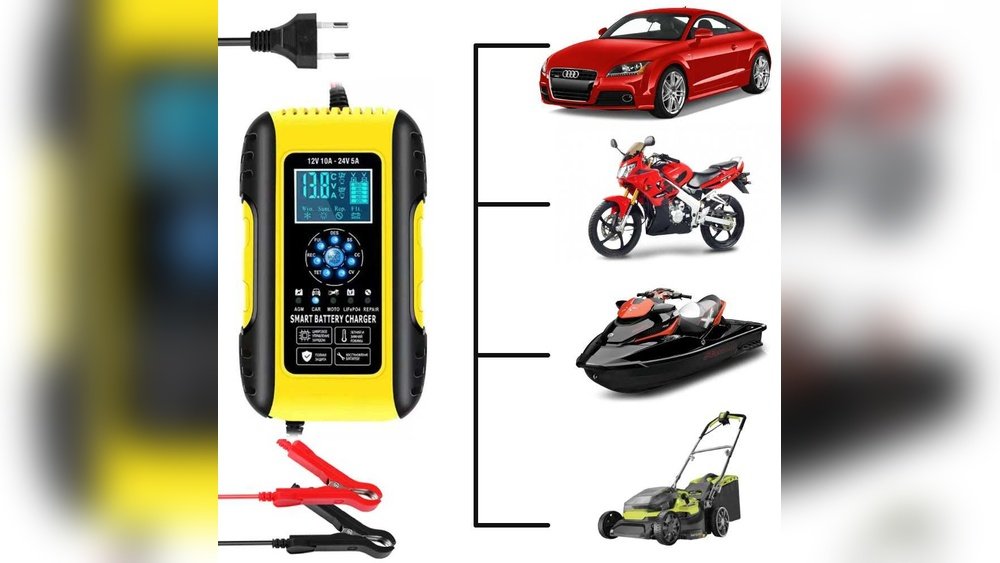
A dead car battery can ruin your plans in seconds. You turn your key, and instead of the sound of your engine, you hear a disappointing click. This situation happens to millions of drivers every year. But technology has a solution: the smart car battery charger. These devices go far beyond basic chargers. They use sensors, microprocessors, and advanced charging programs to keep your battery healthy, save you money, and even extend the life of your car’s electrical system. If you’re curious about what makes a smart charger “smart,” how they work, and whether you should buy one, you’re in the right place. Let’s dive deep into what a smart car battery charger is and why it matters for modern drivers.
What Exactly Is A Smart Car Battery Charger?
A smart car battery charger is an advanced device designed to safely charge and maintain car batteries. Unlike basic chargers, which simply push electricity into the battery, smart chargers use technology to monitor the battery’s condition, adjust the charging process, and protect both the battery and your vehicle.
At its core, a smart charger contains a microprocessor—essentially a small computer. This microprocessor constantly checks the voltage, temperature, and charge level of your battery. Based on this information, the charger automatically selects the right charging mode. If the battery is deeply discharged, it starts slow and gentle.
As the battery fills, the charger speeds up, then slows down again to avoid overcharging. Many smart chargers can also detect battery problems, such as sulfation (crystals forming on the battery plates), and may attempt to repair them.
This technology works with different types of batteries, including lead-acid, AGM (Absorbed Glass Mat), and lithium-ion. Smart chargers are popular with car owners, motorcycle riders, and even boat enthusiasts because they make battery maintenance simple and safe.
How Does A Smart Car Battery Charger Work?
A smart car battery charger uses advanced electronics to manage the charging process. Here’s a simplified explanation of what happens when you connect one:
- Battery Detection: When you attach the charger, it checks the battery’s type, voltage, and current condition.
- Automatic Adjustment: The charger chooses the correct charging profile based on what it detects. For example, if you have an AGM battery, it changes the voltage to match.
- Multi-Stage Charging: Instead of a single power level, smart chargers use several stages:
- Bulk charge: Fast charging until the battery reaches about 80%.
- Absorption: Slower charging to gently fill the battery to 100%.
- Float/maintenance: Keeps the battery fully charged without overcharging.
- Safety Monitoring: Throughout the process, the charger checks for problems like overheating or reversed connections. If it senses danger, it shuts off or alerts you.
- Maintenance Mode: Some smart chargers can stay connected for months. They automatically start and stop as needed to keep the battery at peak condition.
This process protects the battery, prevents damage, and ensures you get the maximum life from your investment.
Key Features That Make A Charger “smart”
Not every charger with lights and buttons qualifies as “smart.” Here are the main features that set smart car battery chargers apart:
- Automatic voltage detection: They sense if your battery is 6V, 12V, or 24V, and adjust accordingly.
- Battery type recognition: Many models identify whether your battery is lead-acid, AGM, gel, or lithium.
- Microprocessor control: The “brain” of the charger. It manages every step, making real-time decisions for safety and efficiency.
- Multi-stage charging: Delivers energy in different stages, which is healthier for batteries than a constant current.
- Desulfation/repair mode: Some smart chargers can break down harmful crystals inside old batteries and restore some lost capacity.
- Temperature compensation: In cold or hot weather, the charger adjusts voltage to prevent under- or overcharging.
- Reverse polarity protection: If you connect the clamps the wrong way, the charger won’t start (or will give a warning).
- Trickle/maintenance charging: Ideal for vehicles in storage; keeps the battery ready to go at all times.
These features make smart chargers much more reliable and user-friendly than older designs.
Benefits Of Using A Smart Car Battery Charger
Switching to a smart charger offers many advantages, both for your car and your peace of mind:
- Protects Battery Life: Traditional chargers can overcharge, which shortens battery life. Smart chargers stop charging at the perfect moment and switch to maintenance mode.
- Saves Money: By extending battery life, you replace batteries less often—saving significant costs over time.
- Safer Charging: Modern chargers reduce risks of sparks, overheating, or battery explosions. Features like reverse polarity and overheat protection are especially helpful for beginners.
- Faster Charging: Because they adjust to the battery’s needs, smart chargers often fill batteries faster than old models, especially if the battery is in good shape.
- Convenience: Just connect and walk away. There’s no need to monitor the charging process or set timers.
- Works With Multiple Batteries: Many smart chargers can handle cars, motorcycles, boats, lawn mowers, and even RV batteries—making them versatile tools.
- Detects Problems Early: If your battery is failing, a smart charger often tells you before you get stuck with a dead car.
Two non-obvious insights: Some people don’t realize that overcharging can be as harmful as undercharging, and that many modern cars have electronics that are sensitive to voltage spikes—a problem smart chargers are built to prevent.
Common Types Of Car Batteries Supported
Understanding which batteries smart chargers support helps you choose the right one for your vehicle:
- Lead-Acid Batteries: The most common battery type in cars. Smart chargers easily handle these.
- AGM (Absorbed Glass Mat) Batteries: Found in start-stop vehicles and modern cars. These require precise voltage—something smart chargers provide.
- Gel Cell Batteries: Used in some older or specialty vehicles. They need gentle charging to avoid damage.
- Lithium-Ion Batteries: Increasingly found in motorcycles, power sports, and some newer cars. These batteries are lighter and more sensitive to charging errors.
- Deep Cycle Batteries: Common in RVs and marine vehicles, these are designed for slow discharge and recharge cycles.
Always check your charger supports your battery type. Using the wrong charger can damage modern batteries, especially AGM and lithium models.
Smart Charger Vs. Traditional Charger
To see why smart chargers are so popular, let’s compare them to basic chargers. The table below shows key differences:
| Feature | Smart Charger | Traditional Charger |
|---|---|---|
| Charging Stages | Multi-stage (bulk, absorption, float) | Single-stage |
| Overcharge Protection | Yes, automatic shut-off | No, risk of overcharging |
| Battery Type Support | Most types (lead-acid, AGM, lithium) | Mainly lead-acid |
| Maintenance Mode | Yes, can stay connected | No, must unplug manually |
| Microprocessor Control | Yes | No |
| Price | Higher | Lower |
The biggest difference? Smart chargers are “set and forget,” while traditional chargers need careful monitoring. For modern batteries and busy lifestyles, smart is usually the better choice.

Key Specifications To Consider When Buying
When you’re ready to buy a smart car battery charger, pay close attention to these specs:
- Charging Amps: Higher amps mean faster charging, but not always better. A 2-4 amp charger is gentle and ideal for maintenance, while 10-20 amps are better for quick charges.
- Supported Battery Voltages: Make sure your charger matches your battery (6V, 12V, or 24V).
- Supported Battery Types: Look for explicit support for your battery (AGM, lithium, etc. ).
- Display/Indicators: A good charger shows voltage, charging stage, and errors.
- Safety Features: Overcharge, short-circuit, reverse polarity, and temperature protection are must-haves.
- Desulfation/Repair Mode: Useful for restoring old or weak batteries.
- Size and Portability: Compact chargers are easy to store and use.
- Warranty: Quality brands usually offer at least a 1- or 2-year warranty.
Here’s a quick comparison of two common charger types:
| Spec | Basic Smart Charger | Premium Smart Charger |
|---|---|---|
| Amperage | 2A – 4A | 10A – 20A |
| Supported Voltages | 12V only | 6V/12V/24V |
| Display | LED indicators | Digital screen |
| Desulfation | No | Yes |
| Maintenance Mode | Yes | Yes |
How To Use A Smart Car Battery Charger Safely
Many people fear using chargers, but smart chargers are designed to be beginner-friendly. Here’s a step-by-step guide:
- Read the Manual: Every charger is a bit different. Always check the instructions.
- Connect the Clamps: Red to the battery’s positive (+) terminal, black to negative (–). The charger won’t start if you do this wrong.
- Plug in the Charger: Connect to your AC power outlet.
- Select Battery Type/Mode: Some chargers auto-detect, others need you to choose.
- Start Charging: Press the start button (if needed). The charger will do the rest.
- Monitor the Display: Watch for error lights or messages.
- Wait for Completion: Most smart chargers beep or flash when done. Some will switch to maintenance mode automatically.
- Disconnect Safely: Unplug from the wall, then remove the clamps (negative first, then positive).
Extra tip: Never charge a frozen battery, and avoid charging in rain or wet conditions.

Practical Examples: When And Why To Use One
A smart car battery charger isn’t just for emergencies. Here’s when it can be a lifesaver:
- Seasonal Vehicles: Motorcycles, classic cars, boats, or RVs often sit unused for months. Smart chargers keep these batteries healthy during storage.
- Short Trips: If you mostly drive short distances, your alternator may not fully charge the battery. Occasional smart charging prevents early failure.
- Cold Climates: Batteries lose power in cold weather. A smart charger restores full charge and prevents winter breakdowns.
- Older Cars: If your vehicle has an old battery, a smart charger can often revive it or at least extend its life.
- Multiple Vehicles: Families with several cars or power equipment (lawnmowers, ATVs) save money and hassle with one versatile charger.
A less-known benefit: Smart chargers can also help prevent “parasitic drain”—when car electronics slowly drain your battery even while parked.
Common Mistakes To Avoid
Even with smart technology, there are pitfalls to watch out for:
- Using the Wrong Charger for Your Battery: Not all smart chargers support lithium or AGM batteries. Always check compatibility.
- Ignoring Charger Settings: Some chargers need you to select the battery type manually. Choosing the wrong mode can cause under- or overcharging.
- Leaving a Damaged Battery Unattended: Smart chargers can’t fix cracked or leaking batteries. Replace badly damaged batteries instead of trying to charge them.
- Charging in Unsafe Locations: Always use chargers in dry, ventilated spaces. Avoid flammable surfaces.
- Not Disconnecting After Full Charge (on Non-Maintenance Chargers): Some cheaper models may not have a true maintenance mode. Unplug once charging is done.
Maintenance Tips For Longer Battery And Charger Life
To get the most out of your smart charger and battery:
- Keep Battery Terminals Clean: Dirty connections reduce charging efficiency.
- Store Charger Properly: Avoid leaving it in damp or hot places.
- Check Charger Cables: Inspect for cracks or wear before each use.
- Update Firmware (if available): Some high-end models let you update software for new battery types.
- Test Battery Health Regularly: Use the charger’s diagnostic features to monitor battery condition.
Following these habits prevents most charging problems and extends the life of both your battery and your charger.
Environmental Impact And Energy Efficiency
Smart chargers aren’t just good for your car—they help the environment, too. By charging efficiently, they use less electricity and reduce waste. Smart chargers can restore older batteries, keeping them out of landfills longer. Some advanced models even have “eco” modes to minimize standby power use.
If you care about your carbon footprint, a smart charger is a greener choice.
Future Trends In Smart Charging Technology
Technology is moving fast, and smart chargers continue to improve. Here’s what’s on the horizon:
- Bluetooth/Wi-Fi Connectivity: Some new chargers let you monitor and control charging from your phone.
- Cloud Diagnostics: Advanced models can send battery health reports to your mechanic or your own email.
- Solar Integration: Portable solar-powered smart chargers are appearing for off-grid use.
- Artificial Intelligence: Future chargers may learn your habits and adjust charging cycles for maximum battery life.
These features will make battery maintenance even easier and more effective in the coming years.
Smart Charger Brands And Price Range
There are many brands making smart car battery chargers today. Some of the most trusted include:
- NOCO
- CTEK
- Battery Tender
- Schumacher
- Black+Decker
Prices range widely:
- Small 2A-4A models: $30-$50 USD
- Mid-range 8A-12A models: $60-$100 USD
- Premium 15A-20A models with advanced features: $120-$250 USD
Always buy from reputable brands—cheaper, off-brand chargers may lack safety features and could damage your battery.
Real-world Data: Battery Failure And Charger Impact
According to the American Automobile Association (AAA), battery failure is one of the top three reasons for roadside breakdowns. In 2022, AAA responded to over 6. 2 million battery-related calls in the US alone. Studies show that cars maintained with smart chargers have batteries that last up to 50% longer than those only charged by the car’s alternator.
This means fewer replacements, less electronic waste, and more reliable starts.
If you want to learn more about battery technology, the Wikipedia page on battery chargers offers a deep dive into the science.
Frequently Asked Questions
What’s The Main Difference Between A Smart Charger And A Trickle Charger?
A trickle charger delivers a slow, constant charge and can sometimes overcharge your battery if left connected too long. A smart charger uses sensors and microprocessors to start, stop, and adjust charging automatically. It won’t overcharge and is safer for long-term maintenance.
Can I Leave A Smart Charger Connected All Winter?
Yes, most smart chargers are designed for long-term connection. They enter a maintenance mode (also called float or trickle mode), keeping your battery full without damaging it. Always check your model’s manual to be sure.
Do Smart Chargers Work With All Car Batteries?
Not always. While most support lead-acid and AGM batteries, you must check for lithium or gel compatibility. Using an unsupported charger on the wrong battery type can cause damage.
Can A Smart Charger Bring A Dead Battery Back To Life?
It depends. If the battery is only deeply discharged (not physically damaged), many smart chargers can recover it with a “repair” or “desulfation” mode. But if the battery is old, swollen, or leaking, replacement is the only safe option.
How Do I Know What Size Smart Charger I Need?
Choose a charger based on your battery’s size (amp-hour rating) and your needs. For maintenance, a 2A-4A charger is enough. For faster charging or larger batteries (trucks, RVs), a 10A-20A model is better. Always follow the battery and charger instructions for best results.
A smart car battery charger is a small investment that can save you time, money, and frustration. With modern vehicles relying more on electronics, keeping your battery healthy is more important than ever. Smart chargers make this job easy, safe, and effective for everyone—from daily drivers to classic car lovers.