Car batteries are like the silent workers under your car’s hood. Most drivers don’t think about them until the morning their car won’t start. But knowing how long a battery lasts can save you from being stranded and help you plan for timely replacements. The average lifespan of a car battery isn’t a fixed number. It changes based on climate, driving habits, battery type, and even how you maintain your vehicle. Many people believe their car battery will last forever—or only change it when forced to. However, understanding battery life is important for avoiding surprises and keeping your car reliable.
In this article, we will look at how long car batteries typically last, what affects their lifespan, how to recognize when they’re failing, and what you can do to make yours last longer. We’ll also compare different battery types, answer common questions, and share practical advice that goes beyond what most drivers know.
What Is The Average Lifespan Of A Car Battery?
When people ask, “How long does a car battery last?” the short answer is usually 3 to 5 years. But that number hides a lot of detail.
Most experts and manufacturers agree that the typical battery in a modern car will last somewhere between three and five years. In some situations, batteries can die in as little as two years. In other cases, a battery might work well for up to seven years.
These are exceptions, not the rule.
Why such a wide range? Because the average lifespan depends on several things:
- Climate and temperature
- Driving habits
- Battery type and quality
- Maintenance
- Electrical load
- Age of the car
- Storage conditions
Let’s look closer at each factor.
Factors That Affect Car Battery Lifespan
Even if two people buy the same battery for the same car, their experiences can be very different. Here’s why:
1. Climate And Temperature
Heat is the enemy of car batteries. If you live in a hot place, your battery’s chemistry breaks down faster. High temperatures cause the fluid inside to evaporate, which damages the internal structure.
Cold weather is tough, too. It makes it harder for the battery to provide enough power to start the engine. But heat does more long-term damage.
For example, in the southern United States, where summers are long and hot, batteries often last only 2 to 3 years. In cooler northern climates, the same battery might last 5 years or longer.
2. Driving Habits
Short trips are bad for batteries. When you drive only a short distance, the alternator doesn’t have enough time to fully recharge the battery after starting the engine. Over time, this leaves the battery undercharged, which reduces its life.
If you mostly drive longer distances, your battery will stay healthier. The alternator can keep it charged, and the battery doesn’t have to work as hard to start the car.
3. Battery Type And Quality
Not all car batteries are the same. There are different types, and their lifespans vary.
- Lead-acid batteries (traditional): These are the most common and usually last 3-5 years.
- Absorbent Glass Mat (AGM): These are more advanced, handle deep discharges better, and often last up to 6 years.
- Enhanced Flooded Batteries (EFB): Used for start-stop vehicles, they last a bit longer than standard flooded batteries, about 4-6 years.
- Lithium-ion batteries (in electric cars): These can last 8-10 years or more, but are not common in regular gasoline cars.
Cheap batteries often use lower-quality materials and may not last as long as those from reputable brands.
4. Maintenance
Simple maintenance can help a battery last longer. Checking for corrosion, cleaning terminals, making sure the battery is tightly fastened, and keeping the charging system healthy are all important.
Neglecting maintenance can cause early failure—even for a high-quality battery.
5. Electrical Load
Modern cars use a lot of electronics. Infotainment systems, alarms, dash cams, GPS trackers, and other devices all draw power. If you regularly use these when the engine is off, your battery will drain faster.
Aftermarket accessories (like big speakers, extra lights, or custom electronics) put extra stress on the battery and can shorten its lifespan.
6. Age Of The Car
Older cars may have charging systems that don’t work as well as they used to. This can cause the battery to be overcharged or undercharged, both of which harm battery life.
7. Storage Conditions
If you leave your car unused for a long time—especially in cold weather—the battery may discharge completely. Letting a battery go flat several times can shorten its life.
How Do Different Battery Types Compare?
Not all car batteries are equal. Here’s a look at the most common types and their typical lifespans:
| Battery Type | Average Lifespan | Main Use | Special Features |
|---|---|---|---|
| Lead-acid (flooded) | 3–5 years | Most cars | Lowest cost, needs regular checks |
| AGM | 4–6 years | Start-stop vehicles | Better for deep cycles, vibration-resistant |
| EFB | 4–6 years | Modern fuel-efficient cars | Improved durability, handles start-stop |
| Lithium-ion | 8–10+ years | Electric & hybrid cars | Lightweight, expensive, long life |
Lead-acid batteries are the most common, but AGM and EFB batteries are now found in newer cars, especially those with start-stop systems. Lithium-ion is mostly for electric vehicles.
Signs Your Car Battery Is Dying
A battery rarely fails without warning. If you know what to look for, you can replace it before it leaves you stranded.
Warning Signs
- Slow engine crank – The engine turns over slowly when you try to start the car.
- Dim headlights or interior lights – Lights are noticeably weaker than before.
- Clicking sound – You hear a click, but the engine doesn’t start.
- Battery warning light – The dashboard shows a battery or charging system warning.
- Electrical issues – Power windows, radio, or other electronics work poorly.
- Swollen battery case – The battery case looks bloated (often from heat).
- Bad smell – A rotten egg smell may mean leaking gas from the battery.
- Old age – If your battery is over 3 years old, be extra alert.
Hidden Clues
- If the car needs a jump-start more than once, the battery is likely near the end.
- Some modern cars reset their clocks or radio settings when the battery is weak.
Many people ignore these signs. If you notice more than one, get the battery checked soon.
How To Test Your Car Battery
A simple test can show if your battery is still healthy. You can do it yourself or ask a mechanic. Here’s how:
At Home
- Visual check: Look for corrosion, leaks, or swelling.
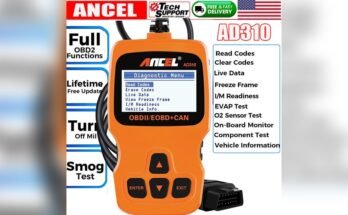
- Voltage test: Use a multimeter. A fully charged battery should read 12.6 volts or higher when the car is off. If it’s below 12.4 volts, it’s weak.
- Headlight test: With the engine off, turn on the headlights. If they’re dim, the battery may be weak.
At A Shop
Most auto shops will do a battery load test for free or a small fee. This test checks if the battery can deliver enough power under load. It’s more accurate than just checking voltage.
Why Do Some Car Batteries Last Longer?
People often wonder why their neighbor’s battery lasted seven years, but theirs died after three. Here are some less obvious reasons:
Battery Quality And Manufacturing Date
A little-known fact: Batteries have a manufacturing date code printed on them. If you buy an old battery (even if it’s never used), it may not last as long. Always buy the freshest battery you can.
Brands matter, too. Well-known brands usually use better materials and more quality control.
Charging System Health
A weak alternator or faulty voltage regulator can kill a battery early. If the alternator isn’t charging enough, the battery stays undercharged. If it’s overcharging, the battery “cooks” and dries out.
If you replace a battery and it fails again soon, have your charging system checked.
Vibration And Installation
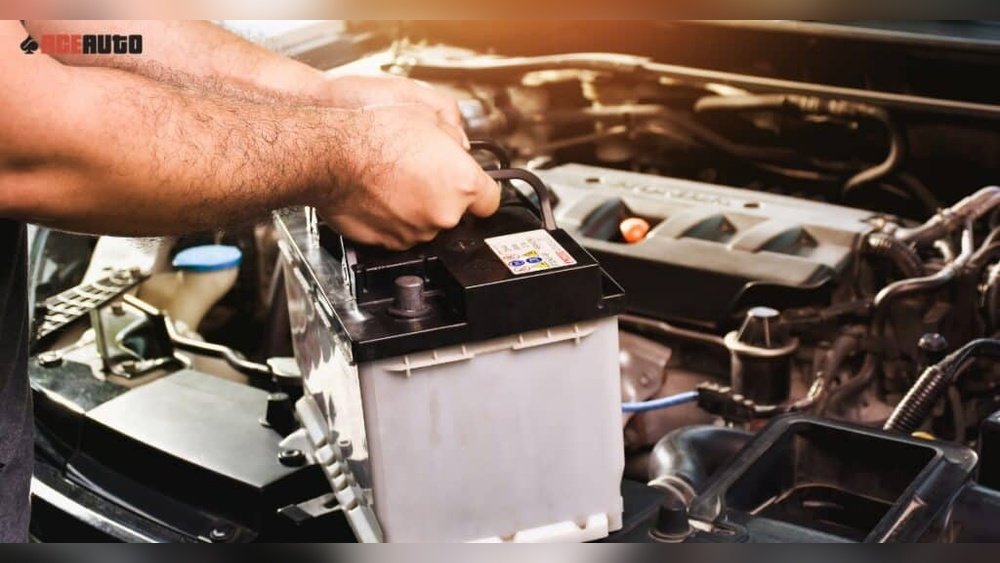
Loose batteries vibrate and can be damaged. Always make sure your battery is properly secured. Off-road driving or rough roads can shorten battery life if the battery isn’t held tightly in place.
How To Extend Your Car Battery’s Life
You can’t make a battery last forever, but you can help it reach the upper end of its expected life.
Simple Tips
- Drive longer trips often. Short trips don’t fully recharge the battery.
- Keep it clean. Clean the terminals with a wire brush to prevent corrosion.
- Check the hold-down bracket. Make sure the battery doesn’t move.
- Limit electronics use when off. Don’t run the radio or lights with the engine off.
- Check water level. For non-sealed batteries, check fluid levels and top up with distilled water if needed.
- Turn off everything before shutting off the car. This prevents accidental drain.
Smart Upgrades
- If your car uses a lot of electronics, consider upgrading to an AGM battery.
- If you store your car for long periods, use a battery maintainer (trickle charger) to keep it topped up.
Maintenance Calendar
Here’s a simple maintenance schedule:
| Interval | Action |
|---|---|
| Monthly | Check for corrosion, tightness, and clean terminals |
| Every 3 months | Check voltage (with a multimeter) |
| Every 6 months | Test battery load at a shop |
| Yearly | Check charging system and replace if battery is weak |
Common Myths About Car Battery Lifespan
There are many myths about batteries. Let’s clear up the most common ones.
1. “a Battery Lasts As Long As The Warranty.”
A warranty is not a guarantee of lifespan. It only covers defects, not normal wear.
2. “if The Car Starts, The Battery Is Good.”
A weak battery can still start a car, especially in warm weather. But it might fail soon.
3. “maintenance-free Batteries Don’t Need Attention.”
Even sealed batteries need occasional checks. Look for corrosion or swelling.
4. “jump-starting Harms The Battery.”
Jump-starting doesn’t hurt a healthy battery, but frequent jump-starts mean the battery is failing.
5. “all Batteries Are The Same.”
There are real differences in quality, technology, and lifespan.
How To Choose The Right Replacement Battery
When it’s time to buy a new battery, don’t just pick the cheapest one. Here’s what really matters:
Battery Size And Fit
Check your car’s manual for the right group size. The battery must fit the tray and have the right terminal position.
Cold Cranking Amps (cca)
CCA measures how well the battery starts your car in cold weather. Choose a battery with at least the recommended CCA for your vehicle.
Reserve Capacity (rc)
RC is how long the battery can supply power if the alternator fails. A higher RC is better, especially if your car has a lot of electronics.
Warranty
Look for a battery with a good warranty (at least 36 months). This is a sign of confidence from the manufacturer.
Brand And Freshness
Buy from a reputable dealer and check the manufacturing date. Avoid batteries that have sat on the shelf for a year or more.
Price Vs. Value
Cheaper batteries may cost less now, but could need replacing sooner. Consider cost per year, not just the purchase price.
Real-world Examples: How Long Do Batteries Last?
Let’s look at a few real examples:
- A driver in Phoenix, Arizona (very hot climate) replaced their battery every 2–3 years, even with regular maintenance.
- In Canada, where winters are long and cold, batteries lasted closer to 5–6 years, but sometimes failed in extreme cold.
- A car driven mostly on highways had its battery last 7 years, while the same model used for short trips needed a new battery after 3 years.
These stories show how location and driving style matter.

What Happens When You Don’t Replace A Failing Battery?
Ignoring battery problems can cause more than just inconvenience.
Risks Of Waiting Too Long
- Car won’t start. You may be stranded at the worst time.
- Alternator damage. A weak battery makes the alternator work harder, which can cause it to fail early.
- Electrical issues. Modern cars rely on stable voltage. A dying battery can cause strange problems.
- Computer memory loss. Some settings may be lost if the battery dies completely.
Replacing a battery before it fails is almost always cheaper and easier than waiting until it’s dead.
Sustainable Battery Disposal And Recycling
Car batteries contain lead and acid, which are harmful to the environment. Never throw an old battery in the trash.
Proper Disposal Steps
- Take your old battery to an auto parts store or recycling center. Most will accept them for free.
- Some stores give a refund (core charge) when you bring back your old battery.
- Recycling keeps toxic materials out of landfills and allows lead to be reused.
You can learn more about responsible recycling at the EPA’s official guide.
Frequently Asked Questions
What Is The Average Lifespan Of A Car Battery In Hot Climates?
In hot climates, the average lifespan is shorter—often 2 to 3 years. Heat causes battery fluid to evaporate faster and damages the internal parts.
Can You Recharge A Dead Car Battery And Make It Last Longer?
Sometimes, if the battery is just discharged. But if it’s old or has failed cells, charging won’t bring it back for long. Repeated full discharges shorten a battery’s life.
How Can You Tell If It’s The Battery Or The Alternator That’s Bad?
If the car starts after a jump but dies again soon, the alternator may be bad. If the car runs fine but won’t start without a jump, the battery is likely the problem.
Is It Safe To Use A Bigger Battery In My Car?
It’s safe as long as it fits, has the right terminal type, and doesn’t exceed the car’s voltage system. Higher CCA or reserve is fine, but check your manual.
How Often Should I Check My Car Battery?
Check at least every 6 months, or more often in extreme weather. Look for corrosion, swelling, or signs of weakness.
—
Most car batteries last between three and five years, but many factors can make them fail sooner or last longer. By understanding how climate, driving habits, battery type, and maintenance affect lifespan, you can get the most out of your battery and avoid surprises. Remember to look for warning signs, test your battery regularly, and replace it before it fails. And always recycle your old battery responsibly to protect the environment. Taking these steps means your car will be ready to go when you need it—no surprises, no stress.