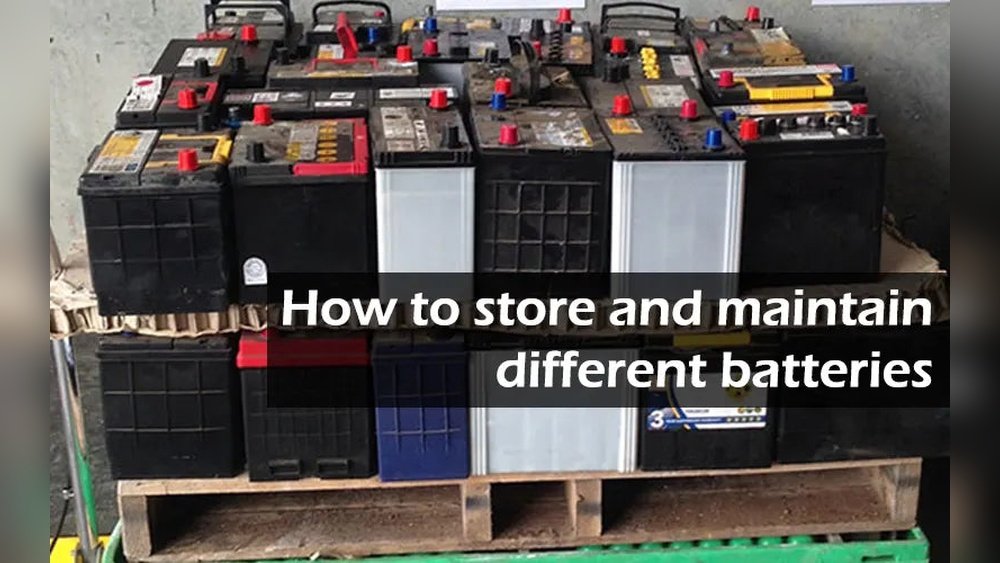
Storing a car battery the right way might sound simple, but it’s a task that can save you money, time, and frustration—especially if you don’t drive your vehicle for weeks or months. Many car owners have faced the disappointment of finding a dead battery after a long vacation or winter break. Some even end up replacing a battery that was still good, just because it wasn’t stored properly. The truth is, car batteries are sensitive to their environment and handling. If you understand how to store them well, you can extend their life, keep your car ready to start, and avoid unexpected costs.
In this guide, you’ll learn the best ways to store a car battery, what tools and precautions matter, and common mistakes to avoid. We’ll also dive into the science of battery health, compare different storage strategies, and answer the most frequent questions car owners ask.
Whether you’re a hobbyist, a seasonal driver, or just want to protect your investment, this article will give you practical advice and non-obvious tips that most beginners miss.
Why Proper Car Battery Storage Matters
Many people believe that simply disconnecting a car battery is enough to keep it healthy. However, battery failure is a leading cause of car breakdowns worldwide. According to AAA, nearly 30% of all car issues are related to batteries, and improper storage is a big factor behind early battery deaths.
When a battery isn’t used, it slowly loses charge—a process called self-discharge. Leaving it in a car that’s not driven, especially during extreme temperatures, can speed up this process. The result? Sulfation, or the build-up of lead sulfate crystals, which permanently reduces battery life.
Proper storage can prevent this, saving you from buying a new battery every 2-3 years.
Understanding Different Types Of Car Batteries
Before storing, you should know what kind of battery you have. Not all car batteries are the same, and some require special care.
| Battery Type | Main Feature | Storage Sensitivity |
|---|---|---|
| Flooded Lead-Acid | Most common, affordable | High (needs regular checks) |
| Absorbent Glass Mat (AGM) | Better vibration resistance | Medium (holds charge longer) |
| Gel Cell | Spill-proof, deep cycle | Medium (sensitive to charging voltage) |
| Lithium-Ion | Lightweight, for EVs/sports | Low (long shelf-life but expensive) |
Most cars use flooded lead-acid or AGM batteries. If you have a lithium-ion battery (common in electric vehicles), the storage process is different and often simpler, but also more expensive if mishandled.
The Ideal Conditions For Car Battery Storage
The environment you choose for storage plays a huge role in battery life. Here’s what you need to consider:
Temperature
Batteries hate extreme temperatures. Both heat and cold can damage them or speed up self-discharge. The best temperature for storage is between 10°C to 25°C (50°F to 77°F). This is cool, but not freezing.
- Heat (above 30°C/86°F): Increases water evaporation from battery fluid, leading to dry plates and sulfation.
- Cold (below 0°C/32°F): Can freeze a discharged battery, cracking the case and damaging cells.
A garage, basement, or utility room is usually a good choice. Never store a car battery outside, in direct sunlight, or in a place where temperatures shift a lot.
Humidity
High humidity can cause corrosion on terminals and connectors. Choose a dry place with some airflow. If you live in a damp climate, consider using a small dehumidifier or moisture-absorbing packets near the battery.
Cleanliness
Dirt, oil, or debris on the battery can create a path for current to leak (parasitic drain). Always clean the battery case and terminals with a mix of baking soda and water before storage. Dry it fully.
Preparing Your Car Battery For Storage
Don’t just pull the battery out and leave it on a shelf. Proper preparation will add months or even years to battery life.
1. Fully Charge The Battery
Before storing, the battery must be fully charged. A fully charged battery is less likely to freeze, sulfate, or degrade. Use a smart charger or trickle charger, and avoid overcharging.
2. Remove The Battery From The Car
Leaving the battery in the car, especially if you don’t drive it, will cause slow drains from the car’s electronics (clock, alarm, etc. ). Removing it completely is best if you won’t use the car for a month or more.
- Always disconnect the negative terminal first to avoid sparks.
- Wear gloves and eye protection, especially for flooded batteries.
3. Clean The Battery Terminals And Case
Corrosion is a silent killer. Mix a tablespoon of baking soda with a cup of water, scrub the terminals gently, and dry with a lint-free cloth.
4. Check Electrolyte Levels (flooded Lead-acid Only)
Open the caps and check if the fluid covers the lead plates. If not, add distilled water (never tap water). Overfilling can cause leaks, so fill only to the recommended line.
5. Protect The Terminals
After cleaning, coat the terminals with a thin layer of petroleum jelly or terminal protector spray. This prevents oxidation during storage.
6. Label And Date The Battery
If you have more than one battery (for RV, boat, motorcycle), label each with the date of storage and last charge. This helps you rotate batteries and use the oldest ones first.
The Best Locations To Store A Car Battery
Not every space is equal. Here’s a quick comparison of common storage spots:
| Location | Pros | Cons |
|---|---|---|
| Garage (insulated) | Controlled temperature, easy access | Can get humid or hot in summer |
| Basement | Cool, stable temperature | Moisture risk, hard to check battery often |
| Utility room | Dry, controlled environment | May have limited space |
| Outdoors | None | Temperature swings, moisture, theft risk |
In most cases, an indoor, temperature-controlled, and dry space is best.
Using Battery Maintainers And Trickle Chargers
If you want your battery to last, a battery maintainer (also known as a float charger) is your best friend. These devices keep the battery at a safe, full charge without overcharging.
How They Work
- Trickle chargers send a small, constant charge to the battery. Good for short-term use, but can overcharge if left too long.
- Smart battery maintainers monitor the battery’s charge and only deliver power when needed. Perfect for long-term storage.
When To Use
- If storing the battery for more than 1 month, use a maintainer.
- For batteries in rarely used vehicles (classic cars, RVs), keep a smart maintainer attached all season.
What To Avoid
- Never use a regular charger for long-term storage. It can boil the electrolyte and destroy the battery.
- Place the charger on a non-flammable surface, away from flammable materials.

Common Mistakes In Car Battery Storage
Many people make simple errors that cut battery life short. Here’s what to watch out for:
- Storing a discharged battery: Even a half-discharged battery can freeze and crack in winter. Always store fully charged.
- Leaving the battery in the car: Parasitic drain from clocks, alarms, and ECUs will flatten the battery over weeks.
- Skipping regular checks: Batteries self-discharge about 3-5% per month. Check and recharge every 2-3 months if not using a maintainer.
- Neglecting cleanliness: Dirty terminals = faster self-discharge and corrosion.
- Placing battery on concrete: Old advice warned against this, but today’s batteries are safe on concrete. Still, a wooden shelf can buffer temperature swings.
- Mixing up polarity: Always connect positive to positive, negative to negative. Reversing can damage electronics.
- Ignoring ventilation: Especially for flooded batteries, never store in a sealed box—they can vent hydrogen gas, which is explosive.
How Long Can You Store A Car Battery?
Storage time depends on battery type, charge level, and storage conditions. Here’s a rough guide:
- Flooded Lead-Acid: Up to 6 months with proper charge/maintenance.
- AGM/Gel: 6-12 months, check voltage every 2 months.
- Lithium-Ion: 12-18 months, but keep at 50-70% charge.
If voltage drops below 12. 4V (for lead-acid) or 3. 0V per cell (for lithium), recharge immediately. Letting it drop lower causes irreversible damage.

Reviving A Stored Battery: What To Do Before Use
When you’re ready to use the battery again, don’t just install and go. Follow these steps:
1. Inspect For Damage
Check for cracks, leaks, or bulging sides. If you see any, do not use the battery—it could be unsafe.
2. Measure Voltage
Use a digital voltmeter. A healthy, fully charged 12V lead-acid battery should read 12.6V to 12.8V.
- Below 12.4V: Recharge before use.
- Below 12.0V: Battery may be damaged, try slow charging.
3. Top Up Fluid (flooded Only)
If fluid is below the plates, add distilled water. Never add acid.
4. Clean Terminals Again
Corrosion can build up even in storage. Clean before reconnecting.
5. Install Carefully
Connect positive terminal first, negative last. Tighten connections, but don’t overtighten.
Storing A Battery In The Car Vs. Out Of The Car
Some people wonder if it’s okay to leave the battery in the car for short absences. There are pros and cons to each method.
In The Car
- Pros: Easier, no heavy lifting, car is ready to use.
- Cons: Parasitic drains, harder to check/charge, temperature swings.
Out Of The Car
- Pros: No drain, can store in ideal conditions, easier to maintain.
- Cons: More work to remove/install, risk of forgetting polarity.
Tip: For absences under 2 weeks, leaving the battery in (but disconnecting the negative terminal) is often fine. For longer, remove and store.
Special Care For Agm And Lithium-ion Batteries
AGM and lithium batteries are more expensive but need less maintenance if stored correctly.
- AGM: Store fully charged. Use a charger with AGM mode if possible. Check voltage every 2-3 months.
- Lithium-Ion: Store at about 50-70% charge, never fully discharged or fully charged. Avoid freezing temperatures.
Seasonal And Long-term Car Storage
If you store your car for a season (like winter), the battery needs extra care.
- Remove battery if storing car longer than 30 days.
- Use a battery maintainer if you can’t remove it.
- For classic cars, check fluid and voltage monthly.
- Label the battery with last charge date.
Environmental And Safety Tips
Batteries contain lead and acid—they’re dangerous if handled carelessly.
- Always wear gloves and goggles.
- Never smoke or use open flames near a battery.
- If acid spills, neutralize with baking soda and rinse with water.
- Recycle old batteries at approved centers—never throw in regular trash.
Diy Storage Box For Extra Protection
If you want to go further, build or buy a plastic battery box. This shields the battery from dust, accidental bumps, and pets. Make sure the box has vent holes for flooded batteries. This is especially useful in homes with kids or animals.
The Science Behind Battery Self-discharge
Many beginners miss this: even if you do nothing, batteries lose charge over time. Why? Chemical reactions continue inside the battery, even when not connected. Heat, humidity, and dirt speed up this loss. A battery stored at 25°C loses about 5% per month; at 35°C, it can lose 10% per month. That’s why temperature and regular checks matter so much.
Real-world Example: Classic Car Owners
Classic car enthusiasts usually store vehicles for months. Those who use battery maintainers and check voltage every 2 months can make a battery last 5-7 years. Those who just disconnect and leave it often replace batteries every 2-3 years. That’s a big cost difference over time.

Comparing Home Vs. Professional Battery Storage
Some shops offer professional battery storage, especially for high-value vehicles. Here’s a quick comparison:
| Option | Cost | Features | Suitability |
|---|---|---|---|
| Home storage | Free to low (just a charger) | DIY, regular checks needed | Most car owners |
| Professional storage | Medium to high ($10-30/month) | Climate control, routine checks, security | Classic/luxury car owners, long-term storage |
For most people, home storage with the right tools is enough. For expensive or rare cars, pro storage adds peace of mind.
Non-obvious Insights For Better Battery Storage
Two things most beginners miss:
- Battery age matters: An old battery (4+ years) won’t hold a charge as well, no matter how you store it. Test your battery before long-term storage—if it’s weak, replace it.
- Partial charging is risky: Storing a battery at 70% is better than at 100% for lithium, but for lead-acid, always fully charge. Mixing up these rules can damage your battery.
And remember, even with perfect storage, all batteries have a lifespan. Maintenance delays the end, but doesn’t stop it.
Frequently Asked Questions
How Often Should I Check A Stored Car Battery?
Check the battery’s voltage every 2-3 months. If you’re using a smart maintainer, you can check less often. For batteries stored longer than 6 months, monthly checks are safer.
Can I Store A Car Battery On Concrete?
Yes, modern batteries can be stored on concrete without problems. Older batteries had rubber cases that absorbed moisture, but today’s plastic cases are safe. Still, using a wood shelf can help with temperature changes.
What Is The Safest Way To Transport A Car Battery?
Always transport upright, in a plastic tray or box. Secure the battery so it doesn’t tip over. Wear gloves, and avoid direct contact with terminals. Never place metal objects on top of the battery.
Is It Okay To Use A Solar Charger For Battery Storage?
Solar chargers can work if they have an automatic controller to prevent overcharging. They’re useful for vehicles stored outdoors, like boats or RVs. Choose a solar charger made for car batteries and check reviews before buying. For more details, you can visit Wikipedia’s car battery page.
Do Car Batteries Expire If Unused?
Yes, car batteries degrade over time, even if unused. After 4-6 years, chemical changes reduce their capacity. Proper storage slows aging, but doesn’t stop it.
Storing a car battery well is simple but requires a bit of care and attention. With the right environment, tools, and habits, you can keep your battery healthy, save money, and avoid headaches. Whether you drive daily or store your car for the winter, these tips help you get the most from your battery—and keep your car ready for the road.