Choosing the right battery size for your car is not as simple as picking the one that fits under the hood. Your vehicle’s battery is its silent workhorse, powering everything from the starter motor to the headlights and infotainment system.
The wrong size can leave you stranded, damage your car’s electronics, or shorten battery life. If you’ve ever stood in an auto parts store staring at rows of boxes, wondering “What size battery does my car need? ”, you’re not alone.
This guide will help you understand all the key factors, decode battery labels, and make a confident, informed choice for your vehicle.
Why Battery Size Matters
Many car owners think any battery that fits physically will do the job. In reality, battery size is about more than dimensions. It determines:
- Starting power: The battery must deliver enough current to start your engine, especially in cold weather.
- Electrical compatibility: Modern vehicles have sensitive electronics that require the right voltage and current.
- Longevity and reliability: Using the wrong size can reduce battery life and cause failures.
Using a battery that’s too small can cause slow starts or no starts at all. A battery that’s too large might not fit securely, possibly damaging cables or other parts.
Understanding Battery Group Sizes
Every car battery is assigned a group size by the Battery Council International (BCI). This number describes the battery’s physical dimensions, terminal layout, and polarity. For example, Group 35 means a different size and shape than Group 24F. Most car manufacturers design battery trays and cables to fit only certain group sizes.
Here’s a look at the most common group sizes:
| Group Size | Typical Vehicles | Dimensions (inches) | Polarity |
|---|---|---|---|
| 24F | Toyota, Honda, Lexus | 10.3 x 6.8 x 8.9 | Left Positive |
| 35 | Subaru, Nissan, Toyota | 9.1 x 6.9 x 8.9 | Right Positive |
| 48 (H6) | GM, Volkswagen, BMW | 12.1 x 6.9 x 7.6 | Right Positive |
| 65 | Ford, Lincoln, Mercury | 12.0 x 7.5 x 7.6 | Left Positive |
| 51R | Honda, Acura | 9.4 x 5.1 x 8.8 | Right Positive |
Non-obvious insight: Even batteries with similar group numbers can have different terminal layouts. Mixing up polarity can damage your vehicle’s electronics.

How To Find The Correct Battery Size For Your Car
The simplest way is to check your owner’s manual. It will list the recommended group size and sometimes specifications like Cold Cranking Amps (CCA) and Reserve Capacity (RC). If the manual is missing, look at:
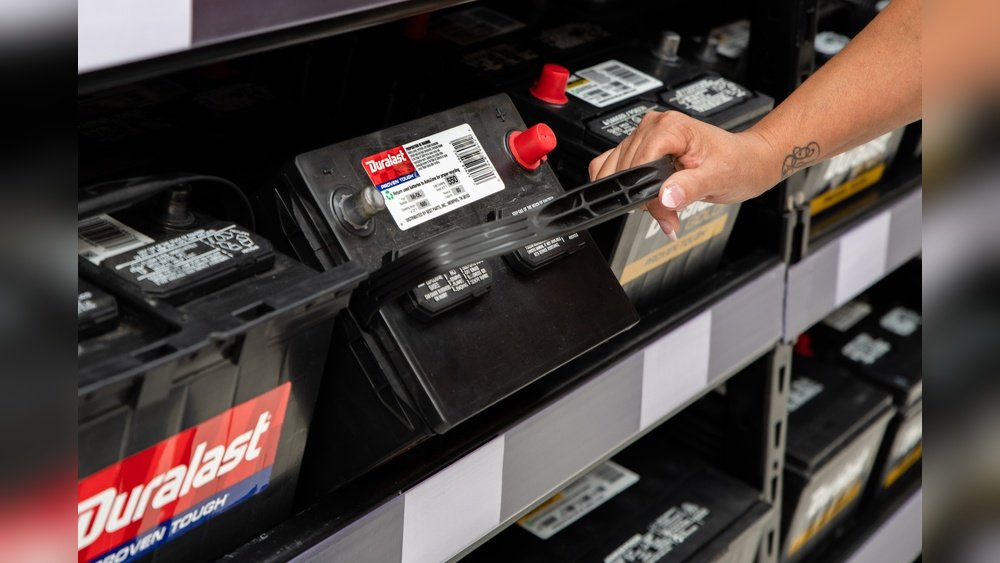
- The battery label: Most original batteries have a sticker showing group size and specs.
- Under the hood: The battery tray or bracket often has a group size number.
- Online databases: Many battery retailers let you enter your car’s make, model, and year to find the right size.
- Ask a professional: Mechanics and parts store staff can look up the correct size.
Practical tip: If your car was modified (e.g., aftermarket stereo, winch), you may need a battery with higher capacity.
Key Battery Specifications Explained
Choosing a battery isn’t just about size. Understanding the main specifications will help you make the best choice for your driving needs.
Cold Cranking Amps (cca)
CCA is the amount of current the battery can deliver at 0°F (-18°C) for 30 seconds while maintaining at least 7.2 volts. In simple terms, it measures how well the battery starts your car in cold weather.
- Colder climates: Choose a battery with higher CCA.
- Warmer climates: Standard CCA is usually enough.
Reserve Capacity (rc)
RC is how long (in minutes) the battery can supply power if the alternator fails, running at 25 amps. This is crucial if you often use accessories (lights, radio) with the engine off.
- High RC means longer backup power.
Amp Hour (ah) Rating
Amp hour measures how much total energy the battery can store. Some European and Asian cars require batteries with a specific Ah rating.
Terminal Placement And Polarity
The battery’s terminals can be on top or side, and the positive terminal may be on the left or right. The wrong layout can make installation impossible or dangerous.
Battery Type
- Flooded lead-acid: Most common, affordable.
- AGM (Absorbed Glass Mat): More durable, better for modern cars with stop/start or high electrical loads.
Experience-based tip: AGM batteries deliver more power for their size but cost more.
Comparing Battery Sizes For Popular Car Brands
Not all brands use the same battery size. Here’s a comparison for some common makes:
| Brand | Popular Model | Common Battery Size | CCA (typical) |
|---|---|---|---|
| Toyota | Camry | 24F | 550–700 |
| Honda | Civic | 51R | 410–500 |
| Ford | F-150 | 65 | 650–850 |
| Chevrolet | Silverado | 48 (H6) | 700–800 |
| BMW | 3 Series | 49 (H8) | 720–950 |
Non-obvious insight: European cars often need batteries that meet special codes (EN, DIN) and may require computer reset after installation.
Signs Your Battery Size Is Incorrect
Sometimes, people install the wrong battery without realizing it. Here are signs you might have the wrong size:
- Difficulty starting: Especially in cold mornings.
- Loose fit: Battery moves or vibrates, possibly damaging cables.
- Electrical glitches: Flickering lights, radio resetting, warning lights.
- Short battery life: Frequent replacements needed.
- Terminals don’t align: Cables stretched or pinched.
If you notice any of these, check your battery’s group size and specs.
How Battery Size Affects Car Performance
The right battery does more than just start the engine. Here’s how size impacts your car:
- Reliability: Correct size ensures your car starts every time.
- Electrical health: Modern vehicles have computers and sensors that need stable voltage.
- Accessory use: High-capacity batteries let you safely use lights, stereos, and power outlets.
- Battery lifespan: Proper size means less stress and longer life.
Example: A Ford F-150 with a small battery may start in summer but fail in winter, and repeated deep discharges can kill the battery early.
Mistakes To Avoid When Choosing A Car Battery
Many drivers make simple mistakes that lead to frustration and wasted money:
- Guessing size by appearance: Two batteries may look similar but have different specs.
- Ignoring CCA and RC: Choosing the cheapest battery often means lower performance.
- Not checking terminal layout: Wrong polarity can fry your electronics.
- Buying bigger than needed: Oversized batteries may not fit and are harder to secure.
- Skipping AGM for modern cars: Cars with stop/start need AGM batteries for durability.
- Not considering climate: Cold weather needs higher CCA, hot climates prefer batteries with good heat resistance.
- Forgetting about warranty: Longer warranties often signal better quality.
Practical advisor tip: If you live in a place with extreme temperatures, spend a little more for a battery designed for your climate.
When And Why You Might Need A Larger Battery
There are cases where the standard battery size isn’t enough:
- Aftermarket electronics: Big stereo systems, extra lights, or winches can drain a standard battery quickly.
- Cold weather driving: Higher CCA helps start engines in freezing temperatures.
- Frequent short trips: Engine doesn’t run long enough to fully recharge battery, so higher capacity helps.
If you regularly face these situations, talk to a battery expert before upgrading.
How To Measure Your Current Battery
If you can’t find specs in the manual or online, you can measure your battery:
- Remove safely: Turn off the car, disconnect the negative cable first.
- Measure case dimensions: Length, width, and height in inches or millimeters.
- Check terminal type and position: Top or side, left or right positive.
- Read label: Look for group size, CCA, RC if visible.
Compare these numbers with recommended sizes to find a match.
Straight-to-the-point helper: Measuring only the battery case is not enough—always check terminal layout and specs.
Battery Size For Hybrid And Electric Cars
Hybrids and electric vehicles (EVs) use special batteries, but they often have a standard 12-volt battery for accessories and computer systems.
- Hybrids: Usually need smaller batteries with higher CCA (due to frequent engine starts).
- EVs: Often use AGM or special maintenance-free batteries.
Always check the owner’s manual, as using the wrong size can cause computer errors or void your warranty.
Battery Size And Modern Car Technology
New cars use more electronics than ever. Features like start-stop systems, advanced safety tech, and infotainment screens need stable power. Many automakers now recommend AGM batteries for these systems. These batteries can handle frequent engine starts and deep discharges better than traditional flooded batteries.
Some cars even have battery sensors that monitor voltage and current. Installing the wrong battery can confuse these systems, causing error messages or limp mode.
Example: BMW and Mercedes require battery “registration” after a change to recalibrate the charging system.
How Battery Size Relates To Price
Bigger batteries usually cost more, but price is influenced by several factors:
- Type: AGM batteries cost more than flooded types.
- Brand: Well-known brands have higher prices and longer warranties.
- Performance ratings: Higher CCA and RC increase cost.
Here’s a typical price comparison:
| Group Size | Flooded ($) | AGM ($) | Warranty (years) |
|---|---|---|---|
| 24F | 120–150 | 180–220 | 2–3 |
| 35 | 110–140 | 170–200 | 2–3 |
| 48 (H6) | 140–180 | 210–260 | 3–4 |
| 65 | 130–160 | 200–240 | 2–3 |
Calm expert tip: Spending a little more on the right size and type often saves money by avoiding early battery failure and electrical problems.
Environmental Impact Of Battery Size
Choosing the right size also affects the environment. Smaller, underpowered batteries fail sooner, creating more waste. Oversized batteries use more materials than necessary. Recycling old batteries is essential—over 95% of a car battery can be recycled.
Many auto parts stores offer discounts for turning in your old battery. Always recycle, never throw batteries in the trash.
Resource: Learn more about battery recycling at the U.S. EPA.

Battery Size And Maintenance
Maintenance needs can change depending on battery type and size:
- Flooded batteries: May need water top-up and terminal cleaning.
- AGM batteries: Sealed, maintenance-free, but must use proper charging system.
Always secure the battery tightly to prevent vibration damage, especially if upgrading to a larger size.
How To Replace A Car Battery Safely
Even with the right battery size, installation matters. Here’s how to replace your battery safely:
- Turn off the engine and all electronics.
- Disconnect the negative terminal (black, “-”) first to avoid sparks.
- Disconnect the positive terminal (red, “+”).
- Remove hold-down bracket and lift out the old battery.
- Clean the tray and terminals with a wire brush.
- Place the new battery securely in the tray.
- Reconnect terminals: Positive first, then negative.
- Tighten hold-down bracket to prevent movement.
Check that all accessories work and reset clocks/radios if needed.

Custom And High-performance Battery Needs
If you drive a classic car, off-roader, or performance vehicle, you may need a custom battery:
- Classic cars: Some use 6-volt systems or odd-sized batteries. Always match original specs.
- High-performance cars: May use lighter or specialty batteries for weight savings.
- Off-road vehicles: Need deep-cycle batteries for winches and camping accessories.
Talk to a specialist if your car doesn’t use standard group sizes.
What To Do If The Exact Size Is Not Available
Sometimes, your car’s exact battery size is out of stock. What should you do?
- Choose the closest group size that fits securely and matches CCA and RC specs.
- Never force a battery that doesn’t fit or has wrong terminals.
- Consult a professional if unsure—using the wrong battery can be unsafe.
Frequently Asked Questions
What Does Battery Group Size Mean?
Battery group size is a code that describes the battery’s physical dimensions, terminal layout, and polarity. It ensures the battery fits your car’s tray and connects properly to cables.
Can I Use A Battery With Higher Cca Than Recommended?
Yes, a battery with higher CCA won’t harm your car and can help in cold climates. However, always match the recommended group size and terminal layout.
What Happens If I Install The Wrong Battery Size?
The wrong size can cause starting problems, electrical issues, or even damage your vehicle. It may also void your car’s warranty.
Do Hybrid Or Electric Cars Use Standard Battery Sizes?
Most hybrids and EVs use a standard 12-volt battery for accessories, but they often require special types (like AGM) or specific group sizes. Always check your owner’s manual.
How Often Should I Replace My Car Battery?
Most car batteries last 3–5 years. Replace sooner if you notice slow starts, electrical issues, or corrosion. Climate and driving habits can shorten battery life.
Choosing the right battery size for your car isn’t just about making it fit—it’s about ensuring reliability, protecting your investment, and staying safe on the road. Take a few minutes to double-check your car’s needs, and you’ll enjoy worry-free driving every time you turn the key.