Absolutely, I will create a high-quality, in-depth, and easy-to-understand article about “Where Do You Plug in the Ancel AD310 in a Car? ” following all your detailed guidelines. I will keep the original headings, expand every section with clear explanations, examples, and actionable advice, making the article about 2000 words while ensuring it is accessible to non-native English readers.
—
Where Do You Plug In The Ancel Ad310 In A Car?
If you own a car or work with cars, you might have heard about OBD2 scanners. The Ancel AD310 is one of the most popular and easy-to-use OBD2 diagnostic tools for car owners and small workshops. But if you’re new to car diagnostics, you may wonder where to plug this device into your vehicle.
Many car owners feel confused when they first see the scanner and try to find the right port. The good news? Plugging in the Ancel AD310 is simple once you know where to look and what to expect. This guide will walk you through everything you need to know, from locating the port to connecting and using your scanner confidently.
What Is The Ancel Ad310 Obd2 Scanner?
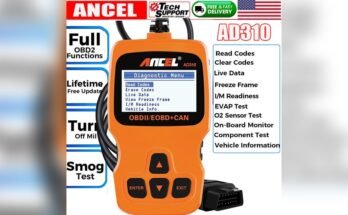
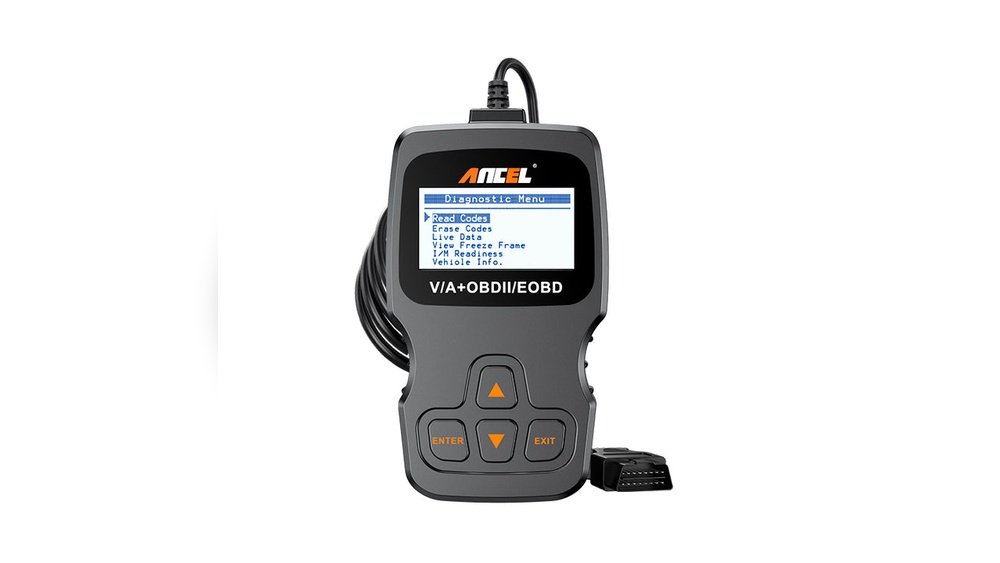
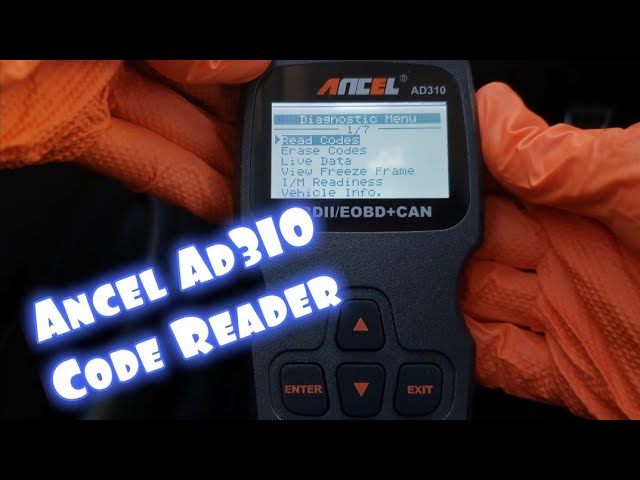
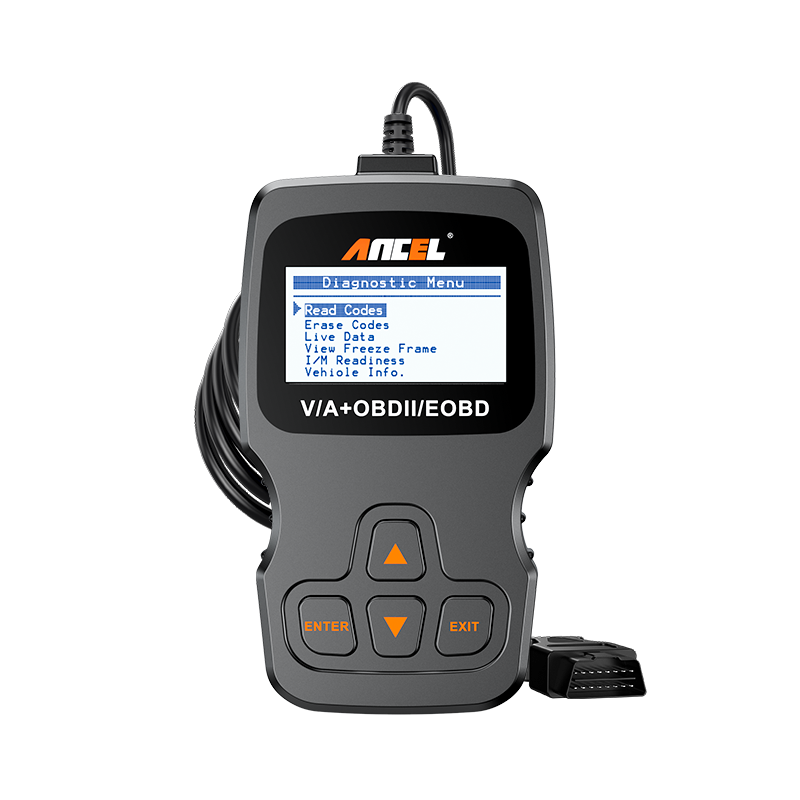
The Ancel AD310 is a handheld device designed to read and clear trouble codes from your car’s computer system. “OBD2” stands for “On-Board Diagnostics, second generation. ” Most cars built after 1996 have this system. The Ancel AD310 helps you understand why your “Check Engine” light is on, gives you information about your car’s sensors, and lets you reset certain warning lights after repairs.
Why Do People Like The Ancel Ad310?
- It is affordable compared to more advanced scanners.
- It is easy to use, with a simple screen and only a few buttons.
- It does not need batteries—power comes directly from the car.
However, even with such a user-friendly device, first-time users often do not know where to start. The most common question is: “Where do I plug it in?”

What Is An Obd2 Port And Why Does It Matter?
Before you find the plug, it’s good to know what an OBD2 port is and why it matters. The OBD2 port is a small, 16-pin connector built into almost every modern car. It is a standard feature, meaning car manufacturers must include it in every vehicle sold in the US and many other countries since 1996.
Think of the OBD2 port as a “gateway” to your car’s brain. This is where mechanics and car owners connect tools like the Ancel AD310 to diagnose problems. The port allows the scanner to read data from the car’s Engine Control Unit (ECU), which controls many parts of the car, such as fuel injection, ignition timing, and emissions systems.
The OBD2 port is very important for:
- Diagnosing engine and emission issues
- Reading “Check Engine” codes
- Monitoring sensor data
- Checking if a car is ready for emissions testing
Without this port, you would need expensive dealer tools or guesswork to find problems. With it, almost anyone can find basic problems quickly.
Where Is The Obd2 Port In Most Cars?
The location of the OBD2 port is standard, but it can still be tricky to find if you’ve never looked for it before. By law, the port must be within 2 feet (about 60 cm) of the steering wheel. In most cases, you do not need any special tools to access it.
Most Common Locations
- Under the Dashboard (Driver’s Side)
- This is the most common spot. Look below the steering wheel, just above where your feet rest (the pedals).
- Sometimes it is above the brake pedal or to the left or right of it.
- You may need to crouch or use a flashlight if it’s dark.
- Behind a Plastic Cover
- Some cars have a small cover or flap to protect the port. This keeps dust and dirt out.
- Look for a small symbol of an engine or the letters “OBD” on the cover.
- Near the Center Console
- In some cars, especially European or sports models, the port is closer to the center console, near your knee or slightly to the right of the steering column.
- Above the Fuse Box
- The port may be close to or above the fuse box. The fuse box is often under the dashboard, but sometimes it is on the side panel by the driver’s door.
Less Common Locations
- Under the ashtray or a small storage tray
- Near the hood release lever
- Inside or near the glove box (rare)
Non-obvious Insight: The Port May Be Upside Down
Many first-time users are surprised to see the port is sometimes mounted upside down, or at a strange angle. This is normal. The shape of the plug prevents you from connecting the scanner the wrong way.
How To Find The Obd2 Port In Your Specific Car
No two cars are exactly the same, and even cars from the same company can have the port in slightly different places. Here is a simple process to find it:
- Check Your Owner’s Manual
- Most car manuals have a diagram or description of the port’s location.
- The OBD2 port may be called “Diagnostic connector” or “DLC” (Data Link Connector).
- Look Under the Dashboard
- Sit in the driver’s seat.
- Reach under the dashboard, just above the pedals.
- Feel for a rectangular plastic connector with 16 small holes.
- Use a Flashlight
- It can be dark under the dashboard. Use your phone’s flashlight or a small LED light.
- Check for Covers
- Gently open any small plastic covers or flaps. Do not force anything.
- Search Online
- If you still cannot find it, search “[Your car model] OBD2 port location” online. Many car forums and YouTube videos show the exact spot for different cars.
Example: Toyota Camry
In a Toyota Camry (2002–2020), the OBD2 port is usually under the dashboard, just above the brake pedal. You may need to move the driver’s seat back and crouch down to see it.
Example: Honda Civic
In a Honda Civic (2001–2021), the port is often to the left of the steering column, above the hood release lever, or just above the pedals.
Example: Ford F-150
In a Ford F-150 (1997–present), the port is under the dashboard, directly below the steering wheel.
How To Plug In The Ancel Ad310 Step By Step
Plugging in the Ancel AD310 is easy, but it helps to follow a few steps to avoid mistakes. Here’s how to do it safely:
- Turn Off the Ignition
- Make sure the car is off before you connect the scanner. This prevents electrical issues.
- Locate the OBD2 Port
- Follow the steps above to find the port.
- Check the Plug Orientation
- The plug on the Ancel AD310 matches the port’s shape. Align the wide and narrow ends.
- Insert the Connector Firmly
- Push the connector straight into the port until it clicks or feels secure.
- Do not force it. If it does not go in easily, check the orientation.
- Turn the Ignition Key to “ON” Position
- Do not start the engine yet. Just turn the key so the dashboard lights come on.
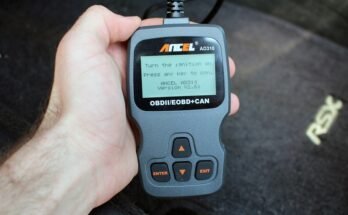
- The scanner will power on and show its main menu.
- Follow the On-Screen Prompts
- Use the buttons to read codes or start a scan.
- When Finished, Turn Off the Ignition and Unplug
- Always turn off the car before unplugging the scanner.
- Gently pull the connector out.
Common Mistakes Beginners Make
Even though the Ancel AD310 is simple, many people make small mistakes the first time they use it. Here are some things to avoid:
- Plugging into the Wrong Port
- Some cars have other connectors near the OBD2 port (like old diagnostic ports or the brake light switch). Make sure you find the 16-pin port.
- Leaving the Car Running
- Always connect and disconnect the scanner with the ignition off. Connecting with the car running can cause errors or damage.
- Not Pushing the Connector in Fully
- If the scanner does not turn on, the plug may not be fully inserted. Remove and try again.
- Forcing the Connector
- The plug only fits one way. Forcing it can break the port or the scanner.
- Forgetting to Turn the Ignition to “ON”
- The scanner will not communicate with the car unless the ignition is in the “ON” position (dashboard lights on).
Non-obvious Insight: Obd2 Ports Can Get Dirty
In older cars, the port may have dust or debris inside. This can cause a bad connection. If you notice the scanner does not power on, check the port for dirt and gently clean it with compressed air.
What To Do If You Cannot Find Or Use The Obd2 Port
Sometimes, the port is very hard to find, damaged, or blocked. Here’s what you can do:
- Ask a Mechanic
- Most mechanics can show you the port in seconds. Do not feel shy to ask.
- Check Behind Covers
- Some cars, especially European models, hide the port behind a small panel.
- Look for Aftermarket Modifications
- If your car has custom interior work (like alarms or dash cams), the port may be blocked or moved.
- Check for Damage
- In rare cases, the port pins are bent or broken. If you see damage, do not try to use the scanner. Have a mechanic repair it.
- Older Cars May Not Have OBD2
- Cars made before 1996 (US market) may have an older system (OBD1) and a different connector. The Ancel AD310 will not work on these.
What Happens After You Plug In The Ancel Ad310?
Once you connect the scanner and turn the ignition to “ON,” you can:
- Read and clear error codes
- View live sensor data (like engine RPM, temperature, or oxygen sensor readings)
- Check if your car is ready for emissions testing
- Turn off the “Check Engine” light after repairs
The scanner will display codes like “P0171” or “P0300. ” You can look up these codes in the Ancel AD310 manual or online to understand what they mean.
Example: Reading A Code
If you see code “P0420,” the scanner may display “Catalyst System Efficiency Below Threshold. ” This means there may be a problem with your car’s catalytic converter or oxygen sensors.
Tips For Using The Ancel Ad310 Like A Pro
- Always write down the codes before clearing them. This helps if the problem comes back.
- Do not clear codes unless you fix the problem. Clearing codes without repair may cause the warning light to return quickly.
- Keep the scanner in your glove box for emergencies.
- If you buy a used car, use the scanner before purchase to check for hidden problems.
- The Ancel AD310 does not show all codes in some cars, especially for airbags, ABS, or transmission. For these, you may need a more advanced scanner.
Differences In Obd2 Port Location By Car Type
Sedans And Hatchbacks
Most sedans (like Toyota Corolla, Honda Accord) and hatchbacks (like Ford Focus) have the port under the steering wheel, above the pedals.
Suvs And Trucks
Larger vehicles (like Ford Explorer, Chevrolet Silverado) often have more space under the dashboard, but the port is still close to the steering column.
European Cars
Some BMW, Mercedes, and Volkswagen cars hide the port behind a cover or place it near the driver’s door.
Japanese Imports
Japanese cars follow the standard but sometimes place the port closer to the center of the dashboard.
Hybrids And Electric Vehicles
Most hybrids and EVs (like Toyota Prius, Nissan Leaf) use the same OBD2 port location rules.
Frequently Asked Questions
Q: Can I damage my car by plugging in the Ancel AD310?
A: No, if you follow the instructions and do not force the connector, it is safe. The scanner only reads data and cannot harm your car.
Q: Does the Ancel AD310 work on all cars?
A: It works on most cars built after 1996 in the US, and after 2001 in Europe (petrol) or 2004 (diesel). Very old cars or some electric vehicles may not be compatible.
Q: Can I leave the scanner plugged in while driving?
A: It is not recommended. The Ancel AD310 is designed for quick checks, not for continuous use.
Q: Where can I find more information about my car’s OBD2 port?
A: Websites like [OBD-Codes.com](https://www.obd-codes.com/faq/obd2-connector-location.php) have photos and details for many car models.
Final Thoughts
Finding where to plug in the Ancel AD310 in your car is simple once you know what to look for. The OBD2 port is almost always under the dashboard, near the driver’s seat. Follow the steps above to connect your scanner safely and start learning more about your car’s health.
With practice, you will be able to diagnose and solve many basic car problems yourself, saving time and money. Remember, the Ancel AD310 is a tool for learning and basic troubleshooting—it does not replace a professional mechanic for serious issues, but it empowers you to make smarter decisions about your vehicle.