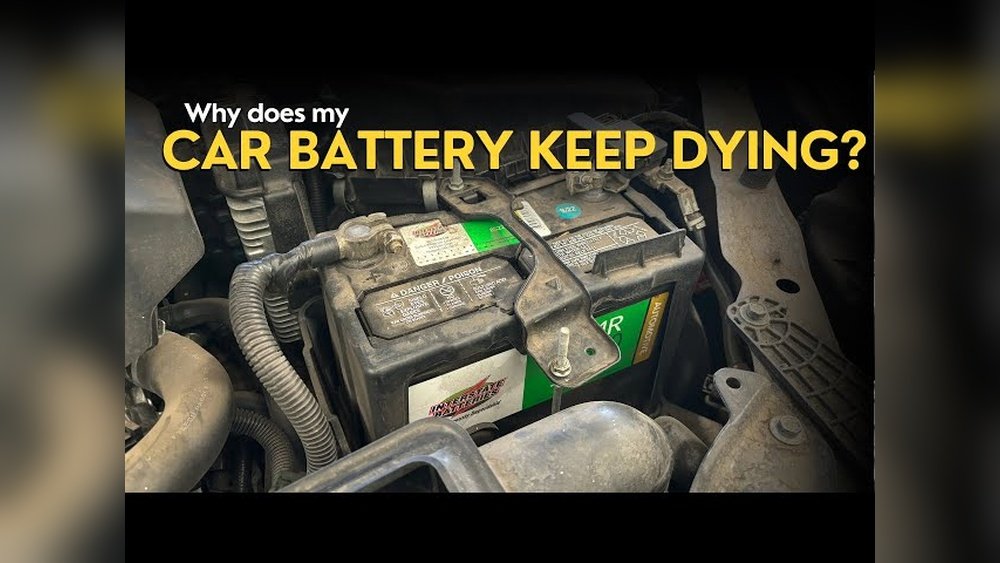
Why Does My Car Battery Keep Dying?
If you’ve ever rushed to start your car and only heard a disappointing click, you know how frustrating a dead battery can be. For many drivers, a battery that keeps dying feels like a mystery. You replace it, charge it, and still face the same problem.
Is it just bad luck, or is there something wrong with your car? The truth is, car batteries fail for specific reasons. Understanding these reasons can help you fix the problem for good, save money, and stay safe on the road.
This article breaks down why your car battery keeps dying, the most common causes, how to diagnose the issue, and smart ways to prevent it from happening again. Whether you’re a new driver or have years of experience, you’ll find practical solutions here that go beyond the basics.
How A Car Battery Works
To know why batteries die, it helps to understand their job. Your car battery stores energy and sends it to the starter when you turn the key or push the button. It also powers electronics like lights, radio, and alarms when the engine is off. Once the engine starts, the alternator takes over, charging the battery and running the car’s electrical system.
Car batteries are usually lead-acid types. They have plates and acid inside, which create electricity through a chemical reaction. Over time, this reaction can wear out the battery, but most batteries should last 3 to 5 years with normal use.
Main Reasons Your Car Battery Keeps Dying
Let’s explore the most common reasons, from daily habits to hidden car problems. Each cause is explained with signs, examples, and tips to fix or avoid it.
1. Old Or Worn-out Battery
Age is the most common reason for battery failure. Even with perfect care, batteries only last a limited time.
- Signs: Slow engine cranking, dim headlights, needing frequent jump starts.
- Example: A battery over 4 years old is more likely to fail suddenly.
- Tip: Check the production date on the battery label. Plan to replace it before it reaches 5 years.
2. Parasitic Drain
Some devices use a small amount of electricity even when the car is off. This is called parasitic drain. Clock, alarm, and computer memory are normal drains. But if a glove box light, trunk light, or faulty relay stays on, it can drain the battery overnight.
- Signs: Car won’t start after sitting for a day or two. Battery tests fine when charged.
- Example: A stuck glove box light uses power continuously, draining the battery.
- Tip: Mechanics use an ammeter to check for excessive drain. You can test by disconnecting the negative cable and checking for sparks or using a multimeter.
3. Faulty Alternator
The alternator charges your battery while the engine runs. If it fails, the battery won’t recharge and will die quickly.
- Signs: Battery warning light on dashboard, dimming lights, car dies while driving.
- Example: A slipping alternator belt can prevent charging, even if the alternator itself is good.
- Tip: Most auto parts stores can test your alternator for free.
4. Loose Or Corroded Battery Connections
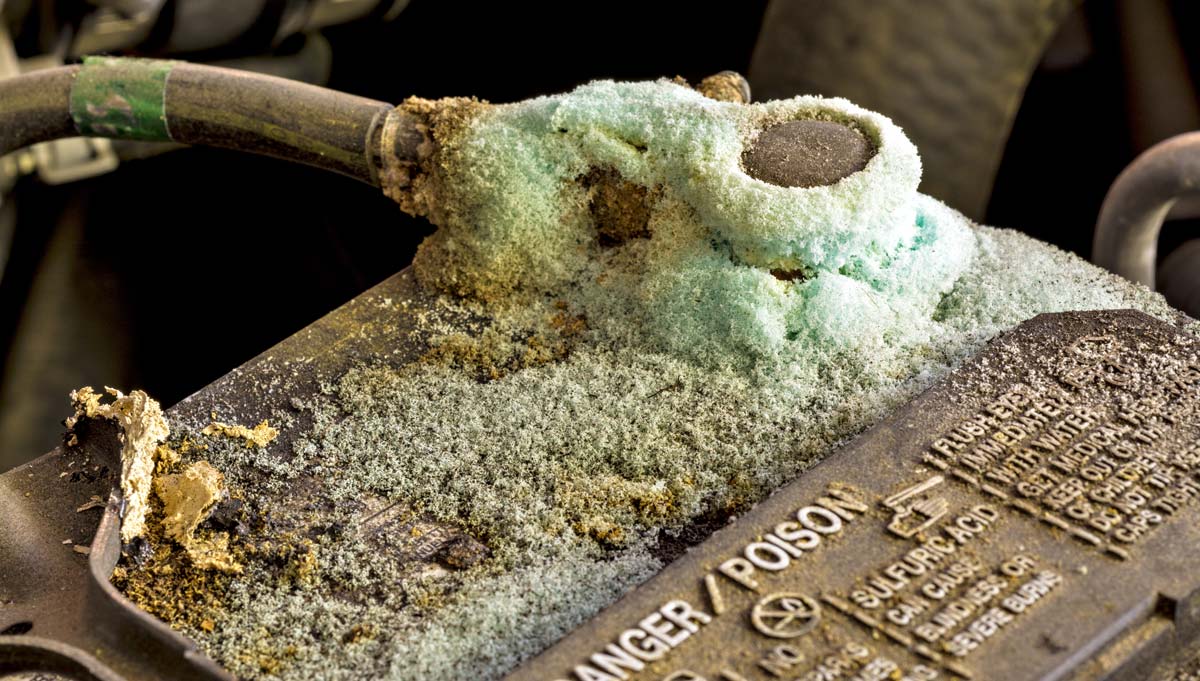
The battery needs tight, clean connections to work properly. Corrosion (white or green powder) on terminals or loose cables can stop power flow.
- Signs: Clicking sound when turning the key, flickering lights, visible corrosion.
- Example: A loose negative cable prevents enough current, even with a good battery.
- Tip: Clean terminals with baking soda and water, tighten all connections.
5. Extreme Temperatures
Both hot and cold weather shorten battery life. Heat speeds up internal wear, while cold reduces the battery’s power output.
- Signs: Car struggles to start on very cold or hot days.
- Example: In winter, a weak battery might not start your car, even if it worked fine in the fall.
- Tip: Park in a garage or use a battery blanket in very cold climates.
6. Short Drives Or Infrequent Use
Car batteries recharge as you drive. Short trips don’t give the alternator enough time to fully recharge the battery. If your car sits unused for days or weeks, the battery can drain.
- Signs: Battery dies after several short trips or long periods of sitting.
- Example: People who work from home and only drive once a week often have this problem.
- Tip: Take your car for a longer drive once a week or use a battery maintainer.
7. Leaving Lights Or Accessories On
Simple mistakes like leaving headlights, interior lights, or chargers plugged in can drain the battery overnight.
- Signs: Dead battery after forgetting to turn off lights.
- Example: Many cars now have alarms for lights left on, but older cars may not.
- Tip: Always double-check lights and unplug devices when leaving your car.
8. Electrical System Problems
Wiring issues, bad fuses, or failing modules can cause a slow drain or sudden failure.
- Signs: Unusual electrical behavior, such as random warning lights or blown fuses.
- Example: A short circuit in the wiring harness can cause random battery drains.
- Tip: Diagnosing electrical problems often requires a professional with special tools.
9. Defective Battery
Sometimes, even new batteries can have a manufacturing defect. These batteries might not hold a charge or die after a few months.
- Signs: Battery dies soon after installation, even with a healthy electrical system.
- Example: A battery with a broken cell cannot provide enough power.
- Tip: Most batteries come with a warranty—get a free replacement if yours is defective.
10. Faulty Charging System Components
Other parts of the charging system, like the voltage regulator or alternator belt, can fail. If the voltage regulator allows too much or too little voltage, the battery will suffer.
- Signs: Swollen battery case, acid leaks, dimming or flickering lights.
- Example: A loose or worn alternator belt means the alternator can’t spin fast enough to charge.
- Tip: Have your charging system checked during routine maintenance.
11. Bad Starter Motor
A failing starter motor can draw too much power from the battery, especially if it is jammed or worn out.
- Signs: Very slow cranking, clicking sound, or grinding noise.
- Example: The car may start sometimes but drain the battery due to excess current draw.
- Tip: If you hear grinding or clicking, have the starter checked by a mechanic.
12. Poor Battery Quality Or Wrong Size
Not all batteries are equal. A cheap battery or one that’s too small for your car won’t last as long or deliver enough power.
- Signs: Battery dies quickly, car electronics act strangely.
- Example: Installing a battery meant for a smaller car can lead to repeated failures.
- Tip: Always use a battery that meets or exceeds your car manufacturer’s specs.
13. Neglected Maintenance
Batteries need care—checking water level (if not sealed), cleaning terminals, and making sure it’s secured in place. Vibration and dirt can cause internal damage.
- Signs: Visible dirt, loose hold-downs, low fluid levels in non-sealed batteries.
- Example: Off-road drivers often have battery problems from constant shaking.
- Tip: Include battery checks in your regular car maintenance routine.
14. Repeated Deep Discharges
Draining a car battery completely (deep discharge) shortens its life. Car batteries are not designed for full discharge and recharge cycles like deep-cycle batteries.
- Signs: Battery holds less charge after several jump starts.
- Example: Using your car’s battery for camping lights repeatedly can ruin it.
- Tip: Avoid using the car battery for non-driving purposes.
15. Aftermarket Accessories
Extra lights, sound systems, alarms, or remote starters can drain power if installed incorrectly.
- Signs: Battery drain after adding a new accessory.
- Example: A powerful stereo system wired directly to the battery can cause problems.
- Tip: Always have accessories installed by a professional and check wiring.

How To Diagnose A Battery That Keeps Dying
Finding the exact cause saves time and money. Here are practical steps you can take:
- Check Battery Age: Look for the manufacture date. If it’s old, start here.
- Inspect Connections: Tighten and clean terminals. Replace worn cables.
- Test the Battery: Use a battery tester or visit an auto parts store.
- Check Alternator Output: Measure voltage with a multimeter (should be 13.8–14.4V with engine running).
- Look for Parasitic Drain: Remove the negative cable, connect an ammeter, and check for abnormal current draw.
- Examine for Electrical Issues: Check for blown fuses, burned wires, or odd smells.
- Review Recent Changes: Did you install new electronics or accessories?
If you’re not comfortable with these steps, a professional mechanic can diagnose the problem quickly.
Signs Your Battery Needs Replacing
A battery doesn’t last forever. Watch for these warning signs:
- Slow engine crank
- Frequent jump starts
- Swollen battery case
- Visible corrosion
- Check engine or battery warning light
If you see two or more of these, consider replacing the battery soon.
How Long Should A Car Battery Last?
Most car batteries last 3 to 5 years with normal use. High temperatures, short trips, and poor maintenance can shorten this time. In cold climates, batteries often fail sooner due to the extra power needed to start the engine.
Here’s a quick comparison of battery life by climate:
| Climate | Average Battery Life |
|---|---|
| Hot | 2–3 years |
| Temperate | 3–5 years |
| Cold | 3–4 years |
How To Prevent Your Car Battery From Dying
You can avoid most battery problems with a few smart habits.
- Drive Longer Trips: Give the alternator time to recharge the battery.
- Keep Terminals Clean: Check for corrosion and clean regularly.
- Tighten Connections: Loose cables can cause problems.
- Check Battery Hold-Down: Secure the battery to avoid vibration damage.
- Turn Off Electronics: Always turn off lights and unplug chargers.
- Use a Battery Maintainer: Useful for cars that sit unused for long periods.
- Service Charging System: Have your alternator and voltage regulator checked every year.
Here’s a simple table to help you check your battery health regularly:
| Check | How Often | What to Look For |
|---|---|---|
| Battery Age | Yearly | Replace after 3–5 years |
| Terminals | Every oil change | Clean, tight, no corrosion |
| Voltage | Every 6 months | At least 12.4V when off |
| Hold-Down | Every oil change | Battery does not move |
Non-obvious Insights Most Drivers Miss
Most people know the basics, but a few details are often overlooked:
- Hidden Accessories: Some cars have always-on systems (like GPS trackers) that can drain the battery slowly. These may not be obvious or listed in the manual.
- Climate Control Memory: Modern cars sometimes use power to keep climate settings or seat positions. If your car sits for weeks, this small drain adds up.
- Voltage Drops: Even a small voltage drop from a loose ground wire can mimic a dying battery. Always check all ground connections, not just the positive terminal.
When To Seek Professional Help
If you’ve checked the common problems and your battery still dies, it’s time for expert help. Modern cars have complex electrical systems. Mechanics use scanners and amp clamps to find hidden problems quickly. Don’t keep replacing batteries—solve the root cause and save money in the long run.
What To Do If Your Battery Dies Frequently
If you’re stranded with a dead battery, here’s what you can do:
- Jump Start Safely: Use jumper cables or a portable jump starter. Connect positive to positive, negative to a clean ground.
- Let the Engine Run: After starting, let your car run for at least 20 minutes to recharge.
- Check for Warning Lights: If you see battery or alternator lights, drive to a service center immediately.
- Don’t Ignore Repeats: If the battery dies again soon, don’t just jump start—find the cause.
Car Battery Myths Vs. Facts
Many drivers believe myths that can lead to mistakes. Let’s clear up a few:
| Myth | Fact |
|---|---|
| Idling recharges the battery fully | It charges slowly. Driving at higher RPMs is better. |
| All batteries are the same | Wrong size or poor quality batteries die faster. |
| Disconnecting the battery resets issues | May cause new problems in modern cars. |
| Hot weather is safe for batteries | Heat causes more damage than cold in most cases. |
Frequently Asked Questions
Why Does My Car Battery Keep Dying Overnight?
A battery that dies overnight usually has a parasitic drain. This means something is using power when the car is off—like a stuck light, faulty relay, or a device plugged into the outlet. Have a mechanic check for abnormal current draw.
Can A Bad Alternator Cause A Battery To Die Repeatedly?
Yes, if the alternator is not charging the battery, the battery will run out of power while driving and after parking. Warning signs include a battery light on the dash, dimming lights, or the engine stalling.
How Can I Tell If My Battery Or Alternator Is The Problem?
Start by testing the battery with a tester. If the battery is good, check the voltage at the terminals with the engine running. It should read 13.8–14.4V. If it’s lower, the alternator or charging system likely needs repair.
Do I Need To Replace The Battery After A Jump Start?
Not always. If the battery is less than 3 years old and the problem was a simple mistake (like leaving lights on), it may be fine. If the battery keeps dying, have it tested and inspect for deeper issues.
What Should I Do If My Battery Keeps Dying But Tests Good?
If your battery tests good but still dies, check for parasitic drains, loose connections, or problems in the electrical system. Sometimes, battery testers miss hidden cell damage, so get a second opinion if problems continue.
For more technical details about car batteries and maintenance, you can visit the Automotive Battery Wikipedia page.
A dying car battery is more than just an inconvenience—it’s often a sign of an underlying problem. By understanding the common causes and following smart prevention tips, you can stop worrying about whether your car will start each morning. Take action early, pay attention to small details, and you’ll avoid the stress and cost of unexpected battery failure.