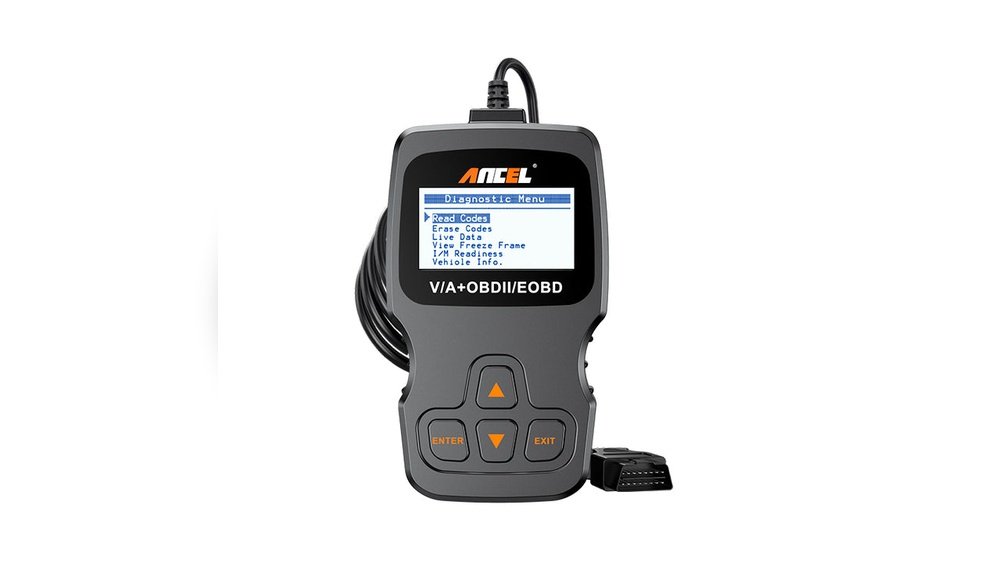
Thank you for clarifying your needs. Here is an expanded, in-depth article (approx. 2000 words) covering all major aspects of Why Does the Ancel AD310 Show Pending Codes?, written in clear, simple English for non-native readers. This article explains what pending codes are, how the Ancel AD310 works, practical troubleshooting, common mistakes, and expert tips. It includes examples, a practical table, and an FAQ section.
—
Why Does The Ancel Ad310 Show Pending Codes?
Car problems are stressful, especially when warning lights come on. Many car owners use scan tools like the Ancel AD310 to find out what is wrong. Sometimes, the Ancel AD310 shows something called “pending codes. ” This can be confusing if you are not an expert.
What does it mean? Should you worry? This article explains everything about pending codes and how the Ancel AD310 works, so you can understand your car better and avoid mistakes.
What Are Diagnostic Trouble Codes (dtcs)?
To begin, it’s important to know what a trouble code is. Modern cars have a computer system called OBD-II (On-Board Diagnostics II). This system checks if your car is working properly. When it finds a problem, it stores a code called a DTC (Diagnostic Trouble Code).
These codes help mechanics and car owners know what is wrong with the car.
There are two main types of codes:
- Stored Codes (Confirmed Codes): These mean the car’s computer found a problem that happened often enough to be sure something is wrong. Usually, these codes turn on the “Check Engine” light.
- Pending Codes: These are early warning signals. The computer found a possible problem, but it needs more evidence to be sure. Pending codes usually do not turn on the “Check Engine” light.
What Does Pending Code Mean?
A pending code means your car’s computer noticed something unusual, but it is not sure yet if it is a real problem. Think of it as a “maybe. ” For example, if the computer sees a sensor acting strangely just once, it stores a pending code.
If it happens again, the code might become “confirmed,” and the Check Engine light may come on.
Pending codes are helpful because they let you see small problems before they get worse. They can also appear and disappear if the problem does not happen again.
How Does The Ancel Ad310 Work?
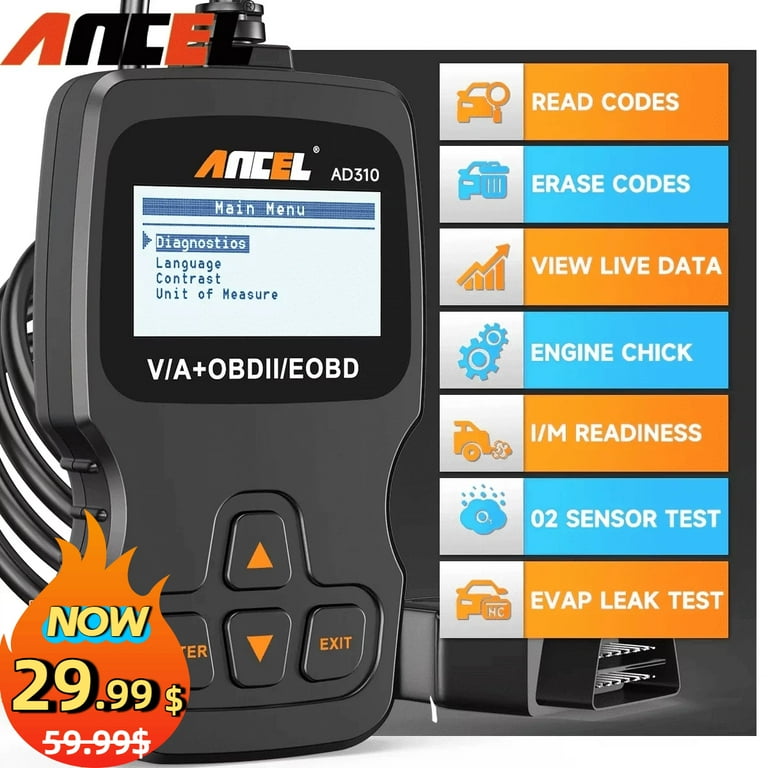
The Ancel AD310 is a simple, popular OBD-II scan tool. You plug it into your car’s OBD-II port (usually under the dashboard). It reads the codes stored in your car’s computer and shows them on its screen.
The Ancel AD310 can:
- Read stored (confirmed) and pending codes
- Clear codes and turn off the Check Engine light
- Show live data from some sensors (on supported cars)
- Give short descriptions of the codes
It does not fix problems, but it helps you know what is wrong.
Why Does The Ancel Ad310 Show Pending Codes?
Now, let’s answer the main question. There are several reasons why the Ancel AD310 shows pending codes:
- Early Warning: The car’s computer found a possible problem, but it is not sure. The code is pending until the problem happens again.
- Intermittent Issues: Sometimes, a problem comes and goes, like a loose wire or a sensor glitch. The computer stores a pending code to keep track.
- Drive Cycle Not Completed: After fixing a problem, the car needs to be driven for a while (a “drive cycle”) before the computer is sure everything is ok. During this time, pending codes may appear.
- Sensor Noise: Electrical sensors sometimes give strange readings for a short time. The computer waits to see if the problem repeats before confirming a code.
- Low Fuel or Battery: Running out of gas, low battery, or even a weak alternator can cause temporary issues that show as pending codes.
- Software Updates: After updating the car’s computer or resetting codes, pending codes may show up as the system checks itself.
Examples Of Pending Codes In Real Life
- You drive over a big bump, and a sensor wire shakes loose for a moment. The computer sees a strange signal and stores a pending code.
- Your gas cap is not tight. The car’s computer sees a small leak in the fuel system and sets a pending code. If you tighten the cap, the code may disappear.
- Your car battery is weak after sitting for weeks. When you start the car, the computer sees some unusual voltage readings and stores pending codes.
What Should You Do If You See Pending Codes?
Seeing pending codes on your Ancel AD310 does not mean you need to panic. Here is what you should do:
1. Write Down The Codes
Record the code numbers and descriptions. This helps you track if the same code comes back later.
2. Research The Code
Look up what the code means. Some codes are not serious, while others need attention. The Ancel AD310 gives a short description, but you can find more details online or in your car’s manual.
3. Do Not Clear Codes Right Away
If you clear the codes without fixing the problem, you lose helpful information. Wait and see if the code becomes “confirmed. ”
4. Check For Simple Problems
Sometimes, the fix is easy. For example, check if your gas cap is tight. Make sure your battery is charged. Look for loose wires.
5. Drive Your Car Normally
Drive your car for a few days. If the problem happens again, the code will become confirmed, and the Check Engine light may turn on. If not, the pending code may disappear.
6. Visit A Mechanic If Needed
If you see the same code often or if your car drives strangely, visit a trusted mechanic. Bring your notes and the codes you wrote down.
Differences Between Pending And Confirmed Codes
To avoid confusion, here is a simple comparison:
| Feature | Pending Code | Confirmed Code |
|---|---|---|
| How often problem happened | Usually once | Two or more times |
| Check Engine light | Usually OFF | Usually ON |
| Can it disappear by itself | Yes | No (until fixed) |
| Should you worry? | Not usually | Needs attention |
Common Mistakes When Using The Ancel Ad310
Many beginners make these errors:
- Ignoring All Pending Codes: Some people think pending codes do not matter. But sometimes, they warn you before a real problem happens.
- Clearing Codes Without Fixing: If you clear codes, you may lose clues that help find the problem. Only clear codes after repairs.
- Not Driving Enough After Fixing: Your car needs a “drive cycle” to re-check all systems. If you do not drive enough, pending codes may stay.
- Confusing Pending With Confirmed Codes: Always check if the code is pending or confirmed. Treat confirmed codes more seriously.
- Not Checking for Simple Issues: Many codes are caused by simple problems like a loose gas cap or weak battery. Check these first.
How To Use The Ancel Ad310 For Pending Codes
Here is a step-by-step guide:
- Plug the Ancel AD310 into the OBD-II port.
- Turn the car key to “ON” (engine off or running).
- Select “Read Codes” on the tool.
- Look for “Pending Codes” or “Stored Codes” in the menu.
- Write down any codes you see.
- Research the code meaning. Use the description, your car’s manual, or trusted websites.
- Do not clear codes unless you have fixed the problem.
What If The Same Pending Code Comes Back?
If a pending code returns after driving, your car’s computer is seeing a repeat problem. This means you should check the affected part. For example, a pending code for the oxygen sensor that comes back may mean the sensor is failing.
It’s smart to watch for patterns. If you always get a pending code after rain, maybe water is getting into a sensor connector.
How Long Do Pending Codes Stay?
Pending codes do not last forever. If the problem does not come back after a few drive cycles, the computer erases the pending code by itself. Usually, this takes a few days of normal driving.
If the code becomes “confirmed,” it stays until you fix the problem and clear the code with your scan tool.
Advanced Tips For Using The Ancel Ad310
- Check Live Data: Some cars allow the AD310 to show live sensor data. Watching this can help you spot problems before they become codes.
- Record Your Results: Keep a log of codes, repairs, and when they happened. This helps you spot patterns over time.
- Use Google for Research: Many car owners share their experiences online. Search for your code plus your car’s make/model for more details.
When Should You Worry About Pending Codes?
Most pending codes are not emergencies. But you should pay attention if:
- The same code appears many times
- The car runs roughly, stalls, or makes strange noises
- The pending code becomes confirmed and the Check Engine light comes on
In these cases, get help from a mechanic soon.
Real-world Example: Loose Gas Cap
Let’s say your Ancel AD310 shows pending code P0456. This often means “Evaporative Emissions System – Small Leak Detected. ” The most common cause is a loose gas cap.
- Check if the gas cap is tight. If not, tighten it.
- Drive as normal. The pending code should go away after a few days.
- If it returns, the cap or the seal may be damaged. Replace the cap.
- If the code becomes confirmed, have a mechanic check for leaks.
Real-world Example: Oxygen Sensor
Your AD310 shows pending code P0133 (“O2 Sensor Slow Response”). This could mean the sensor is getting old or dirty.
- If the code is pending, drive and see if it becomes confirmed.
- If your car runs fine, you may wait and check again later.
- If the code repeats or the Check Engine light comes on, the sensor may need to be replaced.
Frequently Asked Questions
Q: Can I ignore pending codes if my car drives fine?
A: Most pending codes are not urgent, but you should pay attention if the same code returns often. It’s best to keep an eye on them.
Q: Will pending codes fail an emissions test?
A: Usually, only confirmed codes cause failure. But some tests check if all systems are “ready.” Too many pending codes may cause a “not ready” result.
Q: Can the Ancel AD310 erase pending codes?
A: The AD310 can clear all codes, but it’s better to fix the cause. Otherwise, the code will come back.
Q: Why do pending codes disappear after a few days?
A: If the problem does not happen again, the car’s computer removes the pending code to keep memory clear.
Q: My Ancel AD310 shows no codes, but my car runs badly. Why?
A: Some problems do not create codes right away, or the issue is outside what OBD-II checks. A mechanic may need to do more tests.
More Resources
For more details on OBD-II codes and how they work, the [EPA’s OBD-II page](https://www.epa.gov/obd) is a helpful resource.
Final Thoughts
The Ancel AD310 is a handy tool for any car owner. Understanding pending codes can help you catch small problems before they become big ones. Remember, pending codes are not usually a reason to worry, but they are not “fake” either.
Use them as clues, check your car for simple fixes, and always research the code meaning. If you are not sure, ask a professional. With this knowledge, you can take better care of your car and avoid costly surprises.
—
If you follow these steps and tips, you will use your Ancel AD310 with confidence and understand pending codes like a pro.