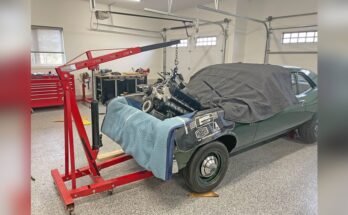
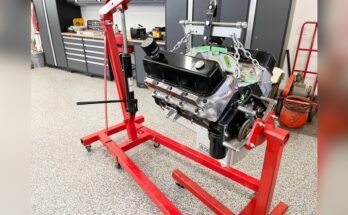
Choosing the right engine hoist for your car can feel overwhelming. You want a tool that is safe, reliable, and fits your specific needs.
But with so many options available, how do you know which one is best for you? This guide will help you cut through the confusion and make a smart choice. By the end, you’ll feel confident picking an engine hoist that makes your job easier and keeps you safe.

49% off Today's Exclusive Deals
Limited-time Exclusive Deals. Check current discount on Amazon.
Check Price on Amazon As an Amazon Associate I earn from qualifying purchases.Keep reading to discover the key factors you need to consider before buying.

Types Of Engine Hoists
Choosing the right engine hoist can make a huge difference in your car repair or restoration project. Each type of hoist offers unique benefits and limitations that affect how you work. Understanding these options helps you pick a tool that fits your space, budget, and lifting needs perfectly.
Hydraulic Engine Hoists
Hydraulic engine hoists are the most common type you’ll find in garages. They use fluid pressure to lift heavy engines smoothly and with less effort.
49% off Today's Exclusive Deals
Limited-time Exclusive Deals. Check current discount on Amazon.
Check Price on Amazon As an Amazon Associate I earn from qualifying purchases.I once lifted a bulky V8 engine with one, and the steady control made the task feel safer and faster. These hoists often come with adjustable arms and a strong frame, giving you flexibility for different engine sizes.
Are you ready to invest in a tool that balances power and ease? Keep in mind, hydraulic hoists can be bulky and need some storage space when not in use.
Electric Engine Hoists
Electric engine hoists add convenience by using a motor to lift engines automatically. You simply press a button, and the hoist does the heavy lifting for you.
This type is ideal if you want to avoid manual pumping or if you work alone. I found an electric hoist invaluable during a solo project because it saved my back and let me focus on positioning rather than lifting.
49% off Today's Exclusive Deals
Limited-time Exclusive Deals. Check current discount on Amazon.
Check Price on Amazon As an Amazon Associate I earn from qualifying purchases.However, they usually cost more and require a power source nearby. Think about your workspace setup—is electricity access easy?
Manual Engine Hoists
Manual engine hoists rely purely on your muscle power and a pulley system to lift engines. They are lighter, more affordable, and often more compact.
If you prefer a simple, no-frills tool or have limited space, this might be your best option. I used a manual hoist for a small four-cylinder engine, and while it took more effort, it gave me precise control over every inch of movement.
Do you have the strength and time to operate a manual hoist safely? If you’re lifting heavier engines regularly, this might not be the most practical choice.

Key Features To Consider
Choosing the right engine hoist means knowing what features matter most. These features help you pick a tool that fits your car and workspace. Focus on the essentials. They make the job safer and easier.
Weight Capacity
Check the hoist’s weight limit. It must lift your engine safely. Choose a hoist with a capacity higher than your engine’s weight. This prevents accidents and damage.
Lift Height
Lift height is how high the hoist can raise the engine. It should clear your car’s engine bay. Taller lift height gives more room to work under the hood.
Boom Reach
Boom reach shows how far the arm extends. Longer reach helps with bigger engines or tight spaces. Make sure the boom fits your engine size and garage space.
Maneuverability
Look for wheels that roll smoothly. A hoist should move easily around your workspace. Good maneuverability saves effort and time during engine removal.
Build Material
Strong materials like steel last longer and hold weight well. Avoid light metals that may bend or break. A sturdy build ensures safety and durability.
Safety Considerations
Choosing an engine hoist is not only about power and size. Safety plays a key role. A safe hoist protects you and your car during lifting. Always check important safety features before buying.
Load Limits
Every hoist has a maximum weight it can lift. This is the load limit. Never exceed this limit. Lifting more weight can cause the hoist to break. Check the engine weight and pick a hoist with a higher limit. This prevents accidents and damage.
Stability And Base Design
A stable hoist stays firm on the ground. Look for wide, strong bases. A good base stops tipping or shaking. Strong wheels help move the hoist safely. Stability keeps the engine steady while lifting.
Braking Mechanisms
Brakes stop the hoist from moving suddenly. They hold the engine in place. Look for hoists with reliable brakes on the lifting arm or wheels. Good brakes prevent drops and keep the engine secure during work.
Budget And Pricing Factors
Choosing an engine hoist means thinking about your budget. Price affects the type and quality of hoist you can get. It helps to know what to expect in different price ranges. Budget planning avoids surprises and helps you buy the right hoist for your needs.
Cost Vs Quality
Cheap hoists might seem like a good deal. Yet, low price can mean lower strength and shorter life. A strong hoist costs more but lasts longer. It also lifts heavy engines safely. Think about how often you will use the hoist. Spending a bit more can save money later on repairs or replacements. Balance cost with the quality you need for your projects.
Warranty And Support
A good warranty shows the maker trusts their product. It covers repairs if the hoist breaks early. Some hoists have longer warranties than others. Check what the warranty covers and for how long. Also, see if the company offers help by phone or email. Easy access to support can solve problems fast. This saves time and money during your work.
Popular Brands And Models
Choosing the right engine hoist is easier when you know the top brands and models. Some brands stand out for their quality, durability, and ease of use. These popular options help many car owners lift engines safely and efficiently. Understanding what each brand offers can guide your choice.
Engine Hoist By Harbor Freight
Harbor Freight offers affordable engine hoists. Their models suit hobbyists and occasional users. These hoists provide solid lifting power and simple assembly. They often include adjustable legs for better stability. Ideal for small to medium engines.
Strongway Engine Hoist
Strongway hoists are known for heavy-duty performance. They handle larger engines without trouble. Many come with a foldable design for easy storage. Their steel frames ensure durability and safety during use.
Torin Engine Hoist
Torin provides versatile and budget-friendly hoists. Their models often feature hydraulic systems for smooth lifting. They include safety valves to prevent accidents. Good for DIY mechanics and small workshops.
Omega Engine Hoist
Omega hoists focus on professional-grade equipment. These machines offer high weight capacity and precision. They usually come with wheels for easy movement. Trusted by mechanics for daily engine work.
Otc Engine Hoist
OTC hoists combine strength and reliability. They use quality materials that last long. Their designs include adjustable boom arms for different engine sizes. Suitable for both personal and commercial use.
Maintenance Tips
Proper maintenance keeps your engine hoist safe and working well. Regular care prevents damage and costly repairs. Simple steps help your hoist last longer and perform better.
Checking Hydraulic Fluid Levels
Hydraulic fluid moves parts inside the hoist. Low fluid makes lifting hard and unsafe. Check the fluid level before each use. Add the right fluid if needed. Avoid overfilling to prevent leaks.
Inspecting For Rust And Corrosion
Rust weakens metal parts quickly. Look at all metal surfaces closely. Clean off any rust with a wire brush. Use rust-resistant spray to protect the hoist. Store the hoist in a dry place.
Lubricating Moving Parts
Lubrication reduces friction and wear on joints. Apply oil or grease to pivot points regularly. This keeps the hoist moving smoothly. Avoid using too much lubricant to stop dirt buildup.
Tightening Bolts And Nuts
Loose bolts can cause accidents. Check all bolts and nuts often. Use a wrench to tighten any loose ones. Make sure the hoist is stable before lifting.
Cleaning The Hoist After Use
Dirt and grease can build up over time. Wipe the hoist clean after each job. Use a cloth and mild cleaner for best results. Clean parts last longer and work better.
Common Mistakes To Avoid
Choosing an engine hoist can be tricky. Many people make avoidable errors. These mistakes can cause safety problems and waste money. Knowing common pitfalls helps pick the right hoist safely and smartly.
Understanding what to avoid makes the buying process easier. It also protects your car and yourself during engine work. Let’s explore common mistakes to skip for a smooth experience.
Not Checking Weight Capacity
Every engine hoist has a weight limit. Using a hoist with too low capacity is risky. It can break or tip over. Always check the hoist’s maximum load before buying.
Ignoring Hoist Stability
A stable hoist prevents accidents. Some models have weak bases or wheels. Test the hoist’s balance on flat ground. Avoid hoists that wobble or feel unsteady.
Choosing The Wrong Type Of Hoist
Different hoists fit different tasks. Some are hydraulic, others are electric or manual. Pick a hoist type that suits your workspace and engine size.
Skipping Safety Features
Safety locks and secure hooks matter. They stop the engine from falling. Avoid hoists without these key safety parts.
Overlooking Storage And Portability
Consider where to keep the hoist. Some are heavy and hard to move. Choose a model that fits your garage space and is easy to store.
Frequently Asked Questions
What Weight Capacity Should An Engine Hoist Have?
Choose an engine hoist with a weight capacity above your engine’s weight. This ensures safety and prevents damage. Always check your engine specs before buying.
Which Type Of Engine Hoist Is Best For Cars?
Hydraulic engine hoists are best for cars. They offer smooth lifting and better control. They are also easy to maneuver in tight spaces.
How To Check The Durability Of An Engine Hoist?
Look for hoists made of heavy-duty steel and quality welds. Check user reviews for reliability. A durable hoist lasts longer and supports heavy loads safely.
Can I Use An Engine Hoist For Other Car Parts?
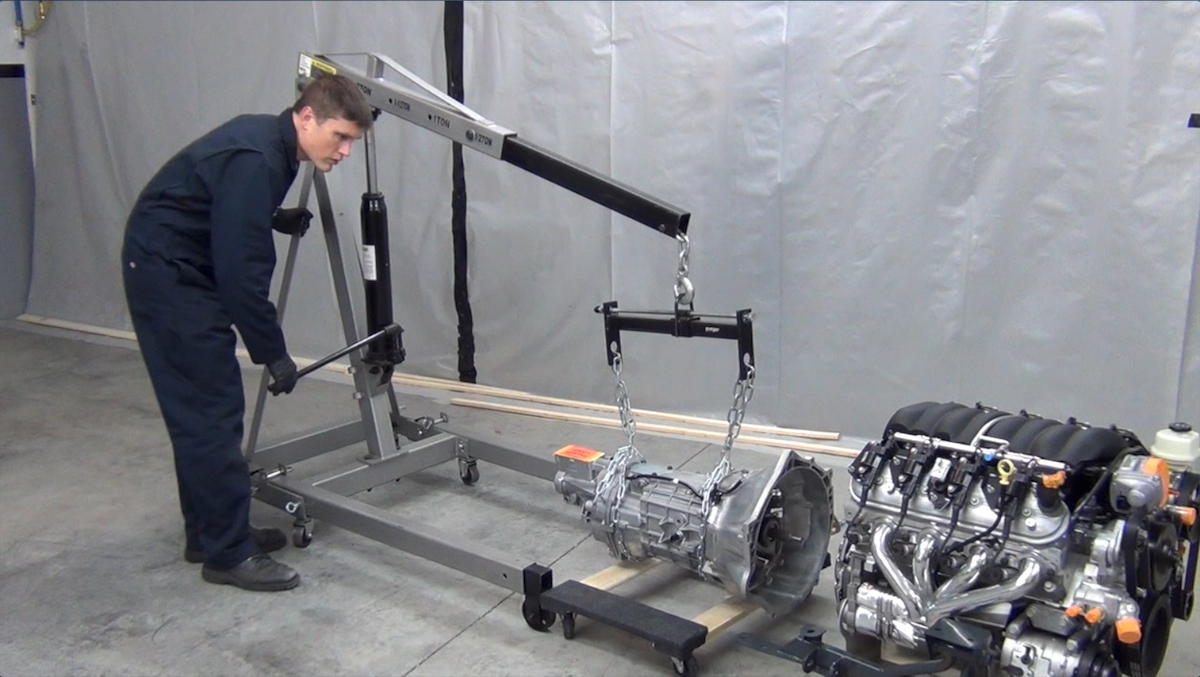
Yes, engine hoists can lift transmissions and heavy parts. Make sure the hoist’s capacity suits the part’s weight. This versatility adds value to your tool.
Conclusion
Choosing the right engine hoist makes your car work safer and easier. Check the weight capacity to match your engine size. Think about the hoist’s size and how much space you have. A strong, stable hoist lasts longer and works better.
Don’t forget to read reviews from other users. Take your time and pick the best fit for your needs. This helps you save money and avoid accidents. Your car repairs will go smoothly with the right hoist. Simple steps lead to smart choices.