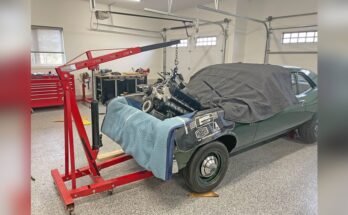
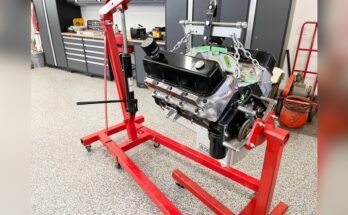
Are you planning to lift a car engine but unsure whether to choose a 1-ton or 2-ton hoist? Picking the right hoist is crucial for your safety and the success of your project.
Using a hoist that’s too weak could lead to dangerous accidents, while an oversized one might be more expensive and harder to handle. This guide will help you understand exactly what you need, so you can make a confident choice without wasting money or risking injury.
Keep reading to find out which hoist fits your car engine lifting needs perfectly.
Choosing Between 1-ton And 2-ton Hoists
Picking the right hoist for car engines depends on several key points. The main factor is the weight you need to lift. Knowing the difference between 1-ton and 2-ton hoists helps you avoid accidents and damage. This guide breaks down the basics to make your choice simple and safe.
Load Capacity Basics
A 1-ton hoist lifts up to 2,000 pounds. A 2-ton hoist can lift up to 4,000 pounds. Always choose a hoist that can hold more than your heaviest load. This ensures the hoist works smoothly without strain. Check the hoist label to confirm its weight limit before buying.
Common Engine Weights
Most car engines weigh between 300 and 700 pounds. V6 engines are usually lighter, around 400 to 600 pounds. Larger V8 engines can weigh up to 700 pounds or more. Trucks and diesel engines may weigh even more. Knowing your engine’s weight helps pick the right hoist size.
Safety Margins
Safety means having extra lifting power in your hoist. Use a hoist with at least 20% more capacity than your engine’s weight. This margin protects against sudden jerks or uneven loads. Never use a hoist that matches your engine weight exactly. Safety margins keep you and your engine safe during work.
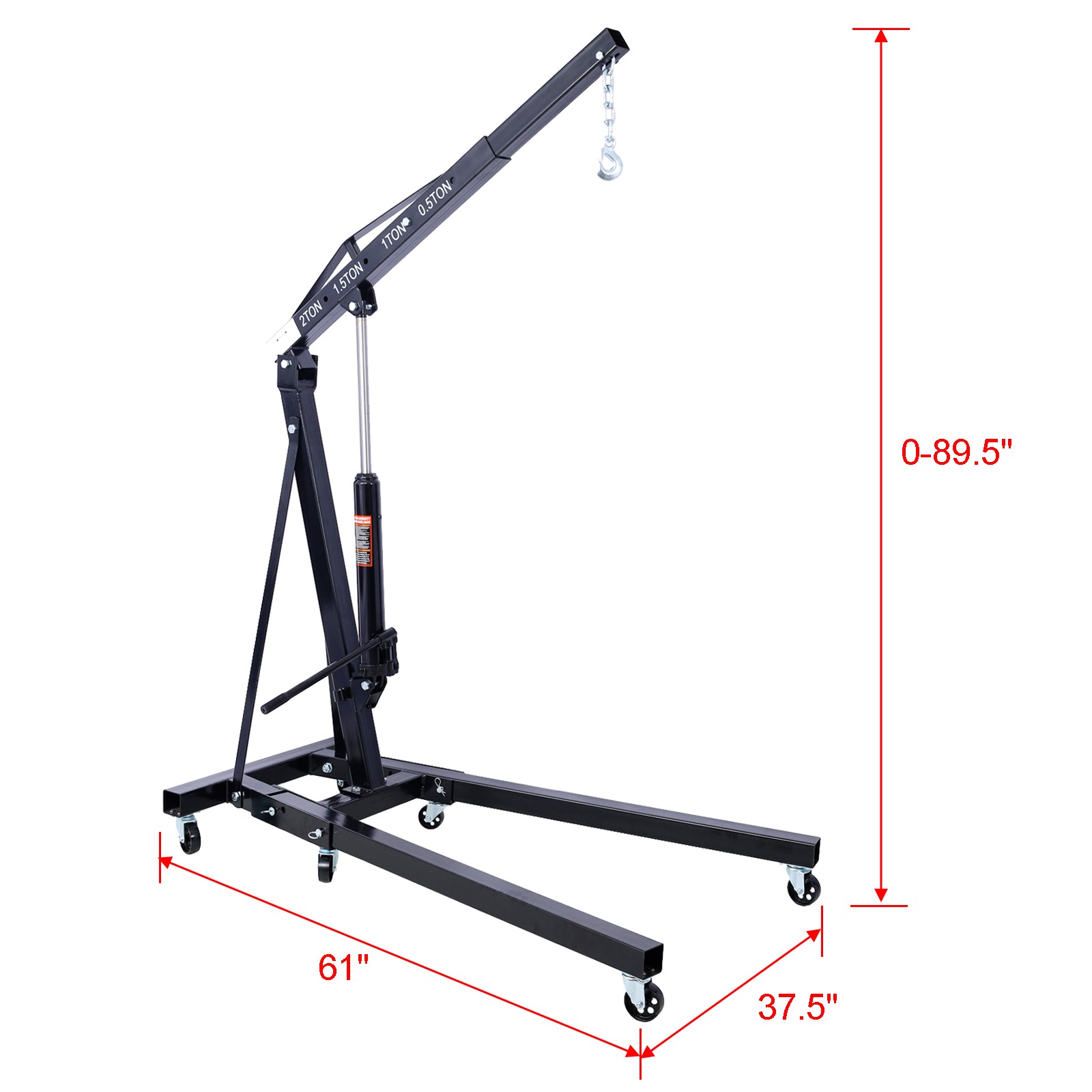
Benefits Of A 1-ton Hoist
A 1-ton hoist offers many benefits for lifting car engines. It provides enough strength for most small to medium vehicles. Its design suits users who need a simple, reliable tool without extra bulk.
This type of hoist works well in many home garages. It fits into tight spaces and is easy to move around. For many tasks, a 1-ton hoist is the perfect balance of power and convenience.
Portability And Size
A 1-ton hoist is smaller and lighter than heavier models. You can carry it easily from place to place. It fits well in small garages or workshops. Storing the hoist takes less space, too.
Its compact size makes setup faster. You spend less time moving heavy equipment. This saves effort and makes your work smoother.
Cost Efficiency
1-ton hoists usually cost less than 2-ton hoists. This makes them a good choice for hobbyists or small shops. You get a strong tool without spending too much money.
Lower cost means it is easier to replace or upgrade. You avoid paying for extra capacity that you might not use. This helps you manage your budget better.
Suitable Applications
1-ton hoists handle engines from most small cars and motorcycles. They work well for light trucks and compact vehicles. This hoist suits routine engine removal and installation jobs.
For heavier engines, choose a hoist with more capacity. But for everyday repairs and projects, a 1-ton hoist performs well. It meets common lifting needs safely and efficiently.
Advantages Of A 2-ton Hoist
Choosing a 2-ton hoist offers many benefits for car engine lifting tasks. It provides more strength and flexibility than a 1-ton hoist. This makes it a better tool for various engine types and weights. A 2-ton hoist also lasts longer because it is built to handle heavier loads. This section explains the key advantages of using a 2-ton hoist for your engine needs.
Higher Weight Handling
A 2-ton hoist can lift engines that weigh up to 4,000 pounds. This is twice the capacity of a 1-ton hoist. It means you can safely lift bigger and heavier engines without risk. The higher weight limit reduces stress on the hoist. This lowers the chance of equipment failure during lifting tasks.
Durability And Strength
These hoists are made with stronger materials and thicker steel parts. They resist wear and damage better than lighter hoists. The construction helps the hoist last longer under heavy use. You get reliable performance over many projects. This makes the 2-ton hoist a smart investment for frequent engine lifting.
Versatility For Different Engines
A 2-ton hoist fits a wider range of engines. It can handle small four-cylinder engines and large V8s with ease. This versatility means fewer equipment changes or upgrades. It supports work on cars, trucks, and even some light machinery. The hoist adapts to many lifting situations with no hassle.

Factors Influencing Hoist Choice
Choosing between a 1-ton or 2-ton hoist depends on several key factors. These factors help ensure you pick the right tool for your needs. Understanding them saves money and improves safety.
Frequency Of Use
How often you lift engines affects your hoist choice. If you work on cars often, a 2-ton hoist may be better. It handles heavier loads and lasts longer. For occasional use, a 1-ton hoist can be enough. It is lighter and easier to move.
Garage Space Constraints
Space in your garage matters a lot. A 2-ton hoist usually takes more room. It needs strong floors and high ceilings. A 1-ton hoist is smaller and fits tight spaces. Measure your garage before buying. Make sure the hoist fits well and works safely.
Budget Considerations
Cost plays a big role in your decision. A 1-ton hoist often costs less. It suits simple engine jobs and small budgets. A 2-ton hoist costs more but offers more power. Think about your long-term needs and budget. Choose the hoist that gives the best value for your money.
Hoist Features To Look For
Choosing the right hoist for car engines depends on several key features. These features affect how safe and easy the hoist will be to use. Understanding these features helps you pick the best hoist for your needs.
Material And Build Quality
A hoist made from strong steel lasts longer and holds weight safely. Look for thick, durable metal parts. The welds should be clean and solid. Avoid hoists with thin or weak frames. Good paint or coating prevents rust and damage.
Hydraulic Vs. Manual Operation
Hydraulic hoists use fluid pressure to lift heavy engines easily. They need less effort and are faster. Manual hoists require hand power and can be slower. Choose hydraulic for frequent or heavy use. Manual works well for light or occasional jobs.
Safety Locks And Controls
Safety locks keep the engine stable during lifting. Check for secure locking mechanisms that hold weight firmly. Controls should be simple and easy to use. Emergency stops or release valves add extra safety. Never skip safety features for convenience.
Common Mistakes When Selecting Hoists
Choosing the right hoist for car engines is not always simple. Many people make mistakes that cause problems or extra costs. Knowing these common errors helps avoid trouble. It also saves time and money while keeping work safe.
Underestimating Engine Weight
Many buyers guess the engine weight incorrectly. Engines can be heavy, much more than expected. Using a hoist with too low capacity can cause accidents. Always check the exact weight of your engine. Then pick a hoist that can handle more than that weight.
Ignoring Safety Ratings
Some ignore the safety ratings of hoists. Safety ratings show how much weight the hoist can hold safely. Using a hoist without good ratings is risky. It might break or fail during use. Choose hoists that meet or exceed safety standards. This protects you and your engine.
Overpaying For Unnecessary Capacity
Buying a hoist with too much capacity wastes money. A 2-ton hoist costs more than a 1-ton. If your engine weighs less, a 1-ton hoist is enough. Pay only for what you really need. This keeps your budget balanced and your tools useful.
Maintenance Tips For Hoists
Proper maintenance keeps your hoist safe and working well. It helps avoid accidents and costly repairs. Regular care extends the hoist’s life and ensures smooth operation. Follow these simple tips to keep your hoist in top shape.
Regular Inspection
Check the hoist before each use. Look for cracks, rust, or worn parts. Test the lifting chains and hooks for damage. Tighten loose bolts and nuts. Replace any broken or weak parts right away. A careful check prevents accidents and failures.
Lubrication And Cleaning
Keep all moving parts well-lubricated. Use the right oil or grease recommended by the manufacturer. Clean dirt and dust from the hoist regularly. Avoid water or chemicals that can cause rust. Smooth parts reduce wear and make lifting easier.
Storage Best Practices
Store your hoist in a dry, clean place. Avoid damp or dusty areas that cause corrosion. Hang the hoist or place it on a stable surface. Cover it with a cloth or plastic sheet to keep dirt out. Proper storage protects the hoist from damage.

Frequently Asked Questions
What Factors Determine Choosing A 1-ton Or 2-ton Hoist?
Choosing depends on your engine weight, safety margin, and lifting frequency. Always select a hoist with capacity above your engine’s weight for safety.
Can A 1-ton Hoist Lift All Car Engines?
No, a 1-ton hoist suits small to mid-size engines. Heavy or V8 engines often require a 2-ton hoist for safe lifting.
Is A 2-ton Hoist Safer Than A 1-ton Hoist?
Yes, a 2-ton hoist offers higher capacity and extra safety. It reduces the risk of overloading and equipment failure during lifts.
How To Check Engine Weight Before Selecting A Hoist?
Refer to your car’s manual or manufacturer specs. Use a scale if available to ensure the hoist capacity exceeds engine weight.
Conclusion
Choosing between a 1-ton or 2-ton hoist depends on your engine’s weight. Smaller engines need less lifting power. Bigger engines require a stronger hoist for safety. Always check the hoist’s capacity before buying. Safety matters most when lifting heavy parts.
Pick a hoist that fits your needs well. This helps you work safely and easily. Don’t guess the weight—measure it first. A good hoist makes engine work smoother. Keep these tips in mind for your project.