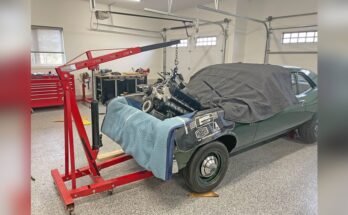
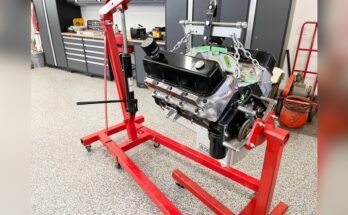
Storing your car engine hoist the right way can save you time, money, and frustration. If you leave it out in the open or pack it away carelessly, it might rust, break, or become unsafe to use.
You want your hoist ready and reliable whenever you need it. You’ll discover simple steps to store your engine hoist properly, protect it from damage, and keep it in top shape for years. Keep reading to make sure your tool lasts and works perfectly every time.

Preparing The Hoist
Preparing the hoist is an important step before storage. It helps keep the hoist in good shape and ready for the next use. Taking time to prepare the hoist prevents rust, damage, and problems later.
Follow these simple steps to prepare your car engine hoist properly.
Clean The Hoist Thoroughly
Remove dirt, grease, and oil from the hoist. Use a cloth and mild cleaner for the best results. Clean all parts, including the frame and chains. A clean hoist prevents corrosion and keeps it working smoothly.
Inspect For Damage
Check the hoist carefully for cracks or worn parts. Look at the chains, hooks, and hydraulic system. Finding damage early helps avoid accidents and costly repairs. Replace or fix any broken parts before storing.
Lubricate Moving Parts
Apply lubricant to all moving parts such as joints and wheels. Use a light machine oil or grease to reduce friction. Proper lubrication stops parts from seizing and makes the hoist easier to move next time.
Disassembling Components
Disassembling your car engine hoist helps save space and protects parts from damage. Taking the hoist apart makes storage easier and safer. Follow simple steps to separate key components carefully.
Remove The Hydraulic Pump
Start by detaching the hydraulic pump. This part controls the lifting power. Use the right tools to loosen bolts and screws. Handle the pump gently to avoid damage. Store it in a dry place to prevent rust.
Detach The Boom And Legs
Next, remove the boom and legs from the frame. These parts are large and bulky. Unscrew the pins or bolts holding them in place. Keep the pieces flat to save space. Place them where they won’t get scratched or bent.
Store Small Parts Securely
Small parts like bolts, nuts, and pins can be lost easily. Put them in a labeled container or bag. Keep the container with the main hoist parts. This way, you won’t waste time searching later. Secure storage protects these parts from dirt and damage.
Choosing The Storage Location
Choosing the right place to store a car engine hoist is very important. The location affects the hoist’s condition and how long it lasts. Picking a good spot protects the hoist from damage and makes it easy to access when needed.
Select A Dry Environment
Keep the hoist in a dry area to stop rust and corrosion. Moisture can ruin metal parts quickly. Avoid basements or places where water collects. A dry garage or shed works best. Use a cover if dust or dirt is a problem.
Avoid Extreme Temperatures
Very hot or cold places can harm the hoist. Heat can weaken some parts. Cold can make metal brittle and cause cracking. Store the hoist in a spot with steady, mild temperatures. This keeps the hoist strong and safe to use.
Ensure Adequate Space
Leave enough room around the hoist for easy movement. Crowded places increase the risk of bumps and scratches. Space also helps when folding or unfolding the hoist. Plan space for tools and accessories too. This keeps the area neat and safe.

Proper Positioning
Proper positioning is key to storing a car engine hoist safely and efficiently. It saves space and protects the hoist from damage. Positioning also helps prevent rust and wear. Follow simple steps to keep your hoist in top shape.
Fold The Hoist Correctly
Start by folding the hoist fully. Collapse the boom and legs neatly. Make sure all parts lock into place. This reduces the hoist’s size for easy storage. It also stops parts from bending or breaking.
Use Protective Covers
Cover the hoist with a waterproof tarp or cloth. This keeps dust and moisture away. Moisture causes rust and weakens metal parts. Choose a cover that fits well and breathes air. It prevents mold and corrosion inside.
Keep Off The Ground
Place the hoist on a shelf or wooden blocks. Avoid direct contact with cold or damp floors. Ground moisture can cause rust quickly. Keeping it elevated improves air flow around the hoist. This step lengthens the hoist’s life.
Long-term Maintenance
Long-term maintenance keeps your car engine hoist safe and reliable. Storing it properly helps avoid damage. Regular care stops small problems from growing. Follow these steps to keep your hoist in good shape.
Regularly Check For Rust
Rust can weaken your hoist’s metal parts. Look closely at joints and bolts. Use a cloth to wipe away dirt. If you find rust, clean it with a wire brush. Apply rust-resistant paint to protect the surface. Check every few months, especially in damp places.
Top Up Hydraulic Fluid
The hydraulic system needs enough fluid to work well. Low fluid causes poor lifting and can damage the pump. Find the fill port and check the fluid level. Use the fluid type recommended by the manufacturer. Fill slowly to avoid spills. Clean the area before topping up to keep dirt out.
Schedule Periodic Inspections
Set a regular time to inspect your hoist thoroughly. Look for loose bolts, cracks, or worn parts. Test the hoist’s lifting function carefully. Replace any damaged parts right away. Keep a log of your inspections for reference. Regular checks extend the hoist’s lifespan and keep you safe.

Frequently Asked Questions
How Do You Clean A Car Engine Hoist Before Storage?
Remove dirt and grease using a mild detergent and water. Dry thoroughly to prevent rust. Lubricate moving parts before storing to ensure smooth operation.
What Is The Best Place To Store A Car Engine Hoist?
Store your hoist in a dry, covered area away from moisture. Avoid outdoor spaces to prevent rust and damage. A garage or shed is ideal for protection.
Should You Disassemble A Car Engine Hoist For Storage?
Partial disassembly is recommended for compact storage and safety. Remove detachable parts like the lifting arm. Keep bolts and small parts organized to avoid loss.
How Often Should You Inspect A Stored Car Engine Hoist?
Inspect your hoist every 3 to 6 months for rust and damage. Check hydraulic fluid levels if applicable. Regular checks extend the hoist’s lifespan and ensure safety.
Conclusion
Storing a car engine hoist correctly keeps it safe and ready to use. Clean the hoist and remove any oil or dirt first. Fold or disassemble it carefully to save space. Choose a dry, flat area away from moisture. Cover it with a cloth or tarp to protect from dust.
Regular checks help find any rust or damage early. Taking these steps extends the hoist’s life and keeps it working well. Proper storage saves time and effort during your next project. Simple care makes a big difference.