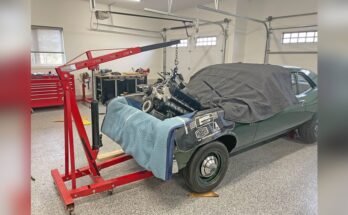
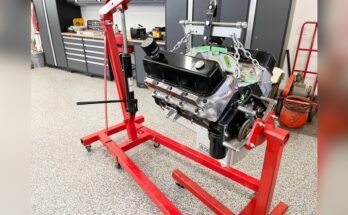
Are you planning to lift a heavy engine safely and smoothly? You might be wondering if engine hoists come with load levelers to make the job easier.
Knowing whether your hoist includes a load leveler can save you time, effort, and frustration. You’ll discover the truth about engine hoists and load levelers, how they work together, and what you need to look for. Keep reading to make sure you have the right tools for your engine lifting tasks.
Engine Hoists And Load Levelers
Engine hoists and load levelers work together to make lifting heavy engines easier and safer. Each tool has a specific role. Knowing how they fit can help you choose the right equipment for your project.
What Is An Engine Hoist?
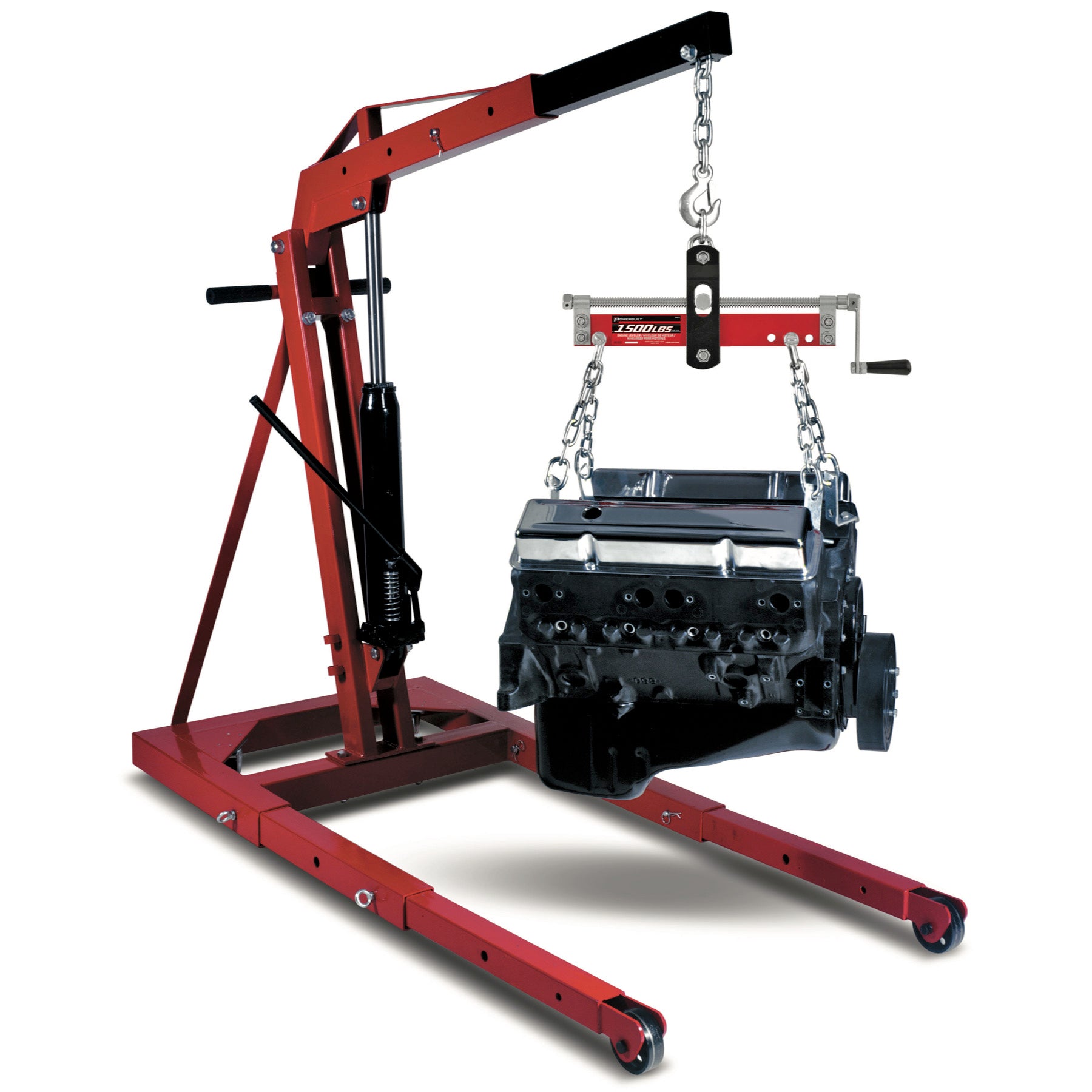
An engine hoist is a heavy-duty lifting tool. It helps lift and move engines out of vehicles. It has a strong frame and hydraulic pump. This lets you raise engines without much effort. Most hoists have wheels for easy movement.
Purpose Of Load Levelers
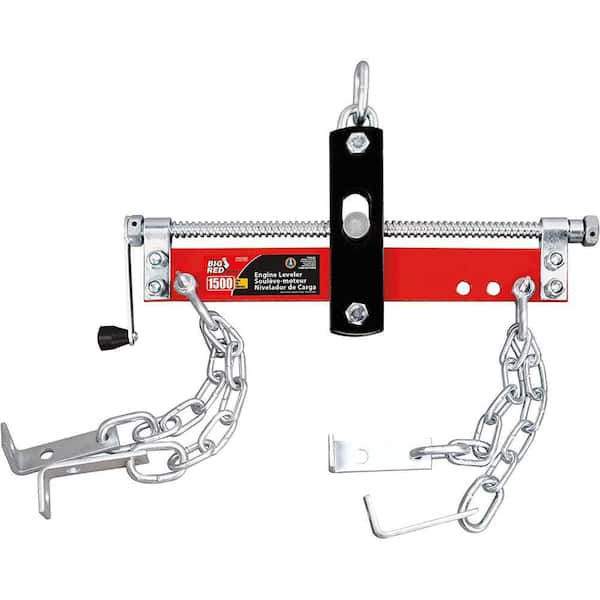
Load levelers balance the weight of an engine during lifting. They attach between the hoist and engine. This tool keeps the engine steady and level. It prevents tilting that can cause accidents. Load levelers also make positioning the engine easier.
Compatibility Between Hoists And Levelers
Not all engine hoists work with all load levelers. Check the weight capacity of both tools. The hoist must support the combined weight of the engine and leveler. Many load levelers fit standard hoist hooks. Always confirm compatibility before buying or using.

Types Of Load Levelers
Load levelers help balance heavy engines during lifting. They make the task safer and easier. Different types of load levelers suit various needs and budgets. Understanding each type helps pick the right one for your engine hoist.
Manual Load Levelers
Manual load levelers require physical effort to adjust the engine’s position. They use chains and hand cranks to balance the load. These are simple and cost-effective. Ideal for small engines or occasional use. They need careful handling to avoid sudden shifts.
Hydraulic Load Levelers
Hydraulic load levelers use fluid pressure for smooth adjustments. They provide better control and require less effort. Common in professional workshops and heavy lifting tasks. These levelers improve safety by allowing precise positioning. Maintenance is needed to keep the hydraulic system working well.
Electric Load Levelers
Electric load levelers operate with motorized controls. They offer the easiest and fastest adjustments. Perfect for frequent and heavy-duty engine lifting. These load levelers reduce physical strain significantly. They tend to be more expensive but save time and effort.
Benefits Of Using Load Levelers
Load levelers add significant value to engine hoists. They help balance the engine during lifting and moving. This balance makes the entire process safer and easier. Using load levelers reduces strain and improves control. They are important tools for mechanics and DIY enthusiasts alike.
Improved Safety
Load levelers keep the engine steady while lifting. This reduces the risk of sudden shifts or drops. A steady load means fewer accidents and injuries. Workers can focus on the task without worrying about the engine swinging. Safety is always a top priority in engine work.
Enhanced Load Control
Load levelers allow precise control of the engine’s angle. This control helps avoid damage to the engine or vehicle. It also helps in positioning the engine correctly for installation. Better control reduces the chance of mistakes or damage. Handling heavy parts becomes much easier.
Ease Of Engine Positioning
Load levelers make adjusting the engine’s position simple. They allow smooth tilting and rotating during installation or removal. This ease saves time and effort. The mechanic can align the engine perfectly without extra help. Positioning becomes less stressful and more accurate.
Buying Considerations
Choosing the right engine hoist and load leveler requires careful thought. Not all hoists come with load levelers included. Knowing what to check can save money and improve safety. This guide covers key points to focus on before buying.
Load Capacity Requirements
Check the weight of the engines you plan to lift. Your load leveler must match or exceed this weight. Overloading can cause accidents or damage. Choose a capacity that covers your heaviest jobs. Leave some extra margin for safety.
Compatibility With Engine Hoist Models
Not every load leveler fits all hoists. Some models have specific attachment points or sizes. Confirm the load leveler works with your hoist brand and model. Using incompatible parts can cause instability. Consult product manuals or sellers for details.
Material And Build Quality
Strong materials like steel ensure durability and safety. Look for solid welds and sturdy hooks. Poor build quality can fail under stress. A well-made load leveler lasts longer and works better. Avoid models with thin metal or loose parts.
Price Range And Budget
Load levelers vary widely in price. Set a budget but focus on quality and safety. Cheaper options may save money but risk failure. Mid-range products often balance cost and reliability. Think of this as an investment in your workshop safety.
Popular Brands And Models
Engine hoists are essential tools for many mechanics and car enthusiasts. Choosing the right brand and model can make lifting heavy engines safer and easier. Some hoists come with load levelers included, while others require separate purchase. Knowing popular brands and their features helps you pick the best fit for your needs.
Top Engine Hoists With Included Load Levelers
Few brands offer engine hoists with load levelers already attached. The most common models include the Harbor Freight Pittsburgh 3 Ton Hoist and the OTC 1 Ton Engine Hoist. These hoists allow easy adjustment of engine balance during lifts. Having a built-in load leveler saves time and effort. These models often support heavy engines and come with sturdy frames.
Recommended Separate Load Levelers
Many engine hoists do not include load levelers. Separate load levelers are available from brands like Torin and Hein-Werner. These devices attach easily to most hoists and help balance the engine. Separate levelers offer flexibility to use with different hoists. They usually have adjustable arms and strong hooks for secure lifting.
Customer Reviews And Ratings
Customer feedback shows mixed opinions about hoists with and without load levelers. Buyers praise hoists with included levelers for convenience and safety. Some users prefer buying separate levelers for better control. Reviews highlight durability, ease of use, and price as key factors. Checking ratings helps identify reliable brands and models.
Using Load Levelers Safely
Using load levelers safely is important when working with engine hoists. Load levelers help balance heavy engines during lifting. Proper use protects you and your equipment from accidents. Careful setup and regular maintenance keep the load leveler working well. Avoiding common mistakes ensures smooth and safe lifts every time.
Proper Setup And Attachment
Start by reading the load leveler manual carefully. Attach the load leveler to the hoist hook securely. Connect engine mounting points to the load leveler chains evenly. Check all connections before lifting. Make sure the load is balanced to avoid swinging. Use the load leveler’s adjustment screw to level the engine. Always lift the load slowly and steadily.
Maintenance Tips
Inspect the load leveler before each use. Look for cracks, worn chains, or damaged hooks. Lubricate moving parts to prevent rust and stiffness. Replace any worn or damaged parts immediately. Store the load leveler in a dry place. Keep it clean and free from dirt and oil. Regular maintenance extends the tool’s life and safety.
Common Mistakes To Avoid
Never overload the load leveler beyond its rated capacity. Avoid attaching chains unevenly; this causes imbalance. Do not lift the engine too fast or jerk the load. Avoid using damaged or rusted chains. Never work under a suspended load. Do not skip inspections or maintenance checks. These mistakes can cause accidents or damage.
Frequently Asked Questions
Do Engine Hoists Include Load Levelers By Default?
Most engine hoists do not include load levelers by default. Load levelers are usually sold separately. They help balance heavy engine loads during lifting for safer handling.
Why Use A Load Leveler With An Engine Hoist?
A load leveler provides better control and balance when lifting engines. It prevents tilting and makes engine removal or installation safer and easier.
Can I Add A Load Leveler To Any Engine Hoist?
Yes, most engine hoists support adding load levelers. Ensure compatibility by checking the hoist’s weight capacity and mounting points before purchasing a load leveler.
Are Load Levelers Necessary For All Engine Lifts?
Load levelers are not always necessary, but they improve safety and precision. For uneven or heavy engines, using a load leveler is highly recommended.
Conclusion
Engine hoists usually do not come with load levelers included. Load levelers are sold separately for better control and safety. They help balance heavy engine loads during lifting. Choosing the right load leveler makes engine removal easier and safer. Always check product details before buying your hoist.
This ensures you get the tools needed for the job. Using both tools together improves your work experience. Keep safety as your top priority when lifting engines. Simple tools can make a big difference in your repairs.