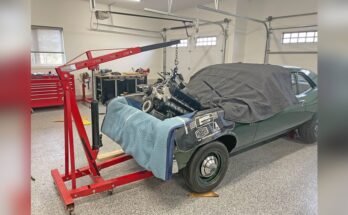
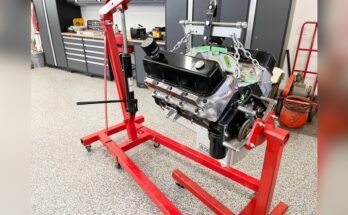
If you’re working on your car, one question probably comes to mind: how much weight can a car engine hoist lift? Knowing this is crucial for your safety and the success of your project.
Using the wrong hoist or overloading it can lead to accidents, damage, or delays. You’ll discover exactly how much weight these hoists can handle, what factors affect their limits, and how to choose the right one for your needs. Keep reading to make sure you lift your engine the right way every time.

Types Of Engine Hoists
Engine hoists come in different types to fit various lifting needs. Choosing the right hoist affects how much weight you can lift safely. Understanding each type helps pick the best hoist for your project.
Hydraulic Hoists
Hydraulic hoists use fluid pressure to lift heavy engines. They can lift large weights with less effort from you. These hoists are common in many workshops for their power and ease. They often have a weight capacity from 1 to 3 tons. Hydraulic hoists are reliable and work well on flat surfaces.
Electric Hoists
Electric hoists use a motor to lift engines automatically. They reduce physical work and save time during lifting. These hoists are ideal for frequent or heavy lifting tasks. They usually have strong lifting power, similar to hydraulic types. Electric hoists need a power source to operate.
Manual Hoists
Manual hoists require physical force to lift engines. They are lighter and less expensive than hydraulic or electric hoists. Manual hoists are good for lighter engines or occasional use. Weight capacity varies but usually is lower than powered hoists. These hoists need careful handling to lift safely.

Weight Capacities Explained
Understanding the weight capacity of a car engine hoist helps you choose the right tool. Each hoist has a limit on how much weight it can safely lift. Knowing these limits keeps your work safe and efficient. Let’s break down what affects these capacities and what common ratings mean.
Common Weight Ratings
Most engine hoists have weight ratings from 1 ton to 3 tons. A 1-ton hoist can lift about 2,000 pounds. A 2-ton hoist can lift up to 4,000 pounds. The 3-ton hoist handles up to 6,000 pounds. These ratings cover most car engines and small trucks. Always check the hoist label for exact numbers.
Factors Affecting Capacity
The lifting arm length changes how much weight the hoist can hold. A longer arm lowers the lifting capacity. The position of the load also matters. If the engine is not centered, the hoist’s limit drops. The condition of the hoist impacts capacity too. Worn parts reduce strength and safety.
Safety Margins
Manufacturers include safety margins in the weight ratings. These margins mean the hoist can handle a bit more weight than listed. Still, never push the hoist to its limit. Always lift less than the rated capacity. This practice prevents accidents and damage to the hoist.
Choosing The Right Hoist For Your Engine
Choosing the right hoist for your engine is important for safety and efficiency. A good hoist makes lifting easier and protects your engine from damage. Picking the correct hoist depends on several factors. These include the engine’s weight, size, and the hoist’s features. Understanding these points helps you select the best tool for the job.
Matching Hoist Capacity To Engine Weight
Always check the engine’s weight before buying a hoist. The hoist must handle more than the engine’s weight. This extra capacity keeps lifting safe and stable. For example, a 500-pound engine needs a hoist rated for at least 600 pounds. Avoid hoists with too low capacity. Overloading can cause accidents and damage.
Considering Engine Size And Type
Engine size affects hoist choice. Larger engines may need hoists with longer arms or higher clearance. Different engine types, like diesel or V8, have different weights and shapes. A hoist must fit the engine’s shape to lift safely. Choose a hoist that suits your engine’s size and type for easy handling.
Assessing Hoist Features
Look at the hoist’s features before buying. Check if it has adjustable arms for different engine sizes. Wheels on the hoist help move heavy engines easily. A strong hydraulic pump is important for smooth lifting. Also, a locking mechanism keeps the engine secure while lifted. These features improve safety and convenience.
How To Calculate Engine Weight
Knowing the weight of your car engine is important before using an engine hoist. The hoist must lift the engine safely without breaking or tipping. Calculating engine weight helps you choose the right hoist capacity. This prevents accidents and damage. Below are two simple ways to find your engine’s weight.
Using Manufacturer Specifications
Start by checking your car’s manual or engine guide. Manufacturers often list engine weight in the specifications. Look for terms like “engine weight” or “dry weight.” Dry weight means the engine without fluids like oil or coolant. This number gives a good estimate for lifting purposes. If you cannot find the manual, visit the manufacturer’s website. Enter your engine model for detailed specs. Always pick a hoist with a capacity higher than the engine weight listed.
Estimating Weight Without Specs
When specs are unavailable, estimate using engine size and type. Small four-cylinder engines weigh around 200 to 300 pounds. Larger six or eight-cylinder engines can weigh 400 to 700 pounds. Diesel engines are usually heavier than gasoline engines. You can also search online forums for weight details from similar engines. Another way is to weigh the engine on a scale if removed. Always add a safety margin to your estimate for extra security.
Safe Operation Tips
Using a car engine hoist safely is very important. It keeps you and others safe while lifting heavy loads. Follow these tips to operate the hoist without problems. Safe use helps avoid accidents and damage.
Proper Setup And Positioning
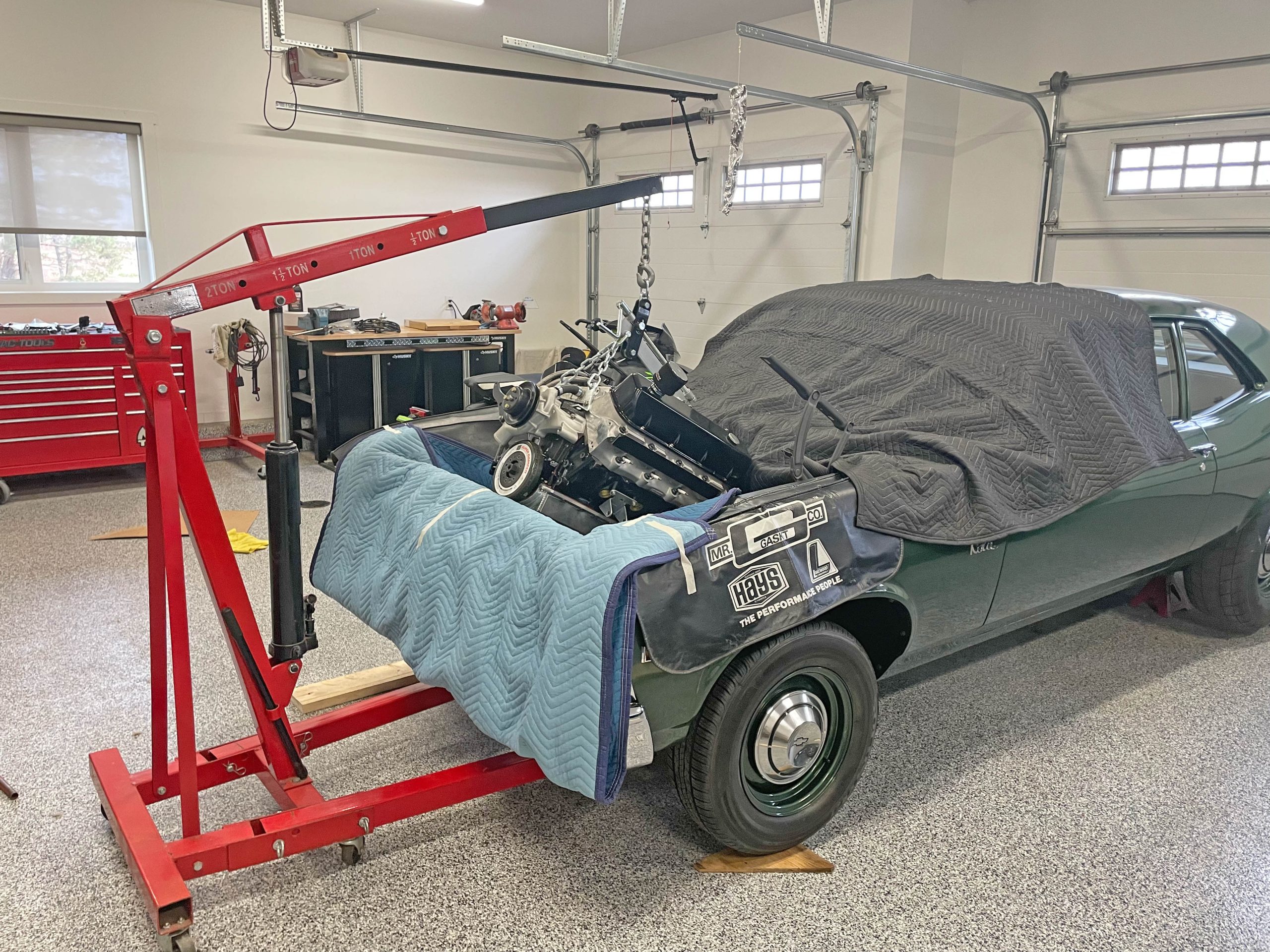
Place the hoist on a flat, stable surface. Check that the wheels lock to stop movement. Position the hoist close to the engine for balance. Make sure the engine is centered under the hook. Avoid stretching the hoist’s arm too far out.
Load Distribution
Spread the weight evenly on the hoist. Use chains or straps rated for the engine’s weight. Attach lifting points securely to avoid slipping. Do not lift more than the hoist’s maximum capacity. Keep the load steady during lifting and moving.
Regular Maintenance Checks
Inspect the hoist before every use. Check for cracks, rust, or worn parts. Lubricate moving parts to prevent sticking. Test the hydraulic system for leaks or weak pressure. Replace damaged parts immediately to ensure safety.
Common Mistakes To Avoid
Using a car engine hoist requires care and attention. Many mistakes can cause accidents or damage. Avoiding these common errors keeps you safe and protects your tools.
Overloading The Hoist
One big mistake is lifting more weight than the hoist can handle. Every hoist has a maximum weight limit. Going over this limit can break the hoist or cause it to fail. Always check the hoist’s capacity before starting any job.
Ignoring Weight Limits
Ignoring the weight limits is dangerous. Some users guess the engine weight or do not check it. This risk puts you and others in harm’s way. Use a scale or look up the engine’s exact weight. Follow the hoist’s weight guidelines every time.
Improper Attachment Methods
How you attach the engine matters a lot. Using the wrong chains or hooks can cause the engine to slip or fall. Always use strong, secure attachments designed for engine lifting. Double-check all connections before lifting the engine off the ground.
Upgrading And Accessory Options
Upgrading a car engine hoist can improve its strength and ease of use. Choosing the right accessories helps lift heavier engines safely. These upgrades also make the hoist more flexible for different tasks.
Extension Kits
Extension kits increase the hoist’s reach and height. They allow lifting larger or taller engines without strain. These kits add length to the boom arm, making the hoist more versatile. Using an extension kit can boost the lifting capacity slightly.
Swivel Casters
Swivel casters improve the hoist’s mobility. They let you move the hoist smoothly in tight spaces. These wheels rotate 360 degrees for easy steering. Swivel casters reduce effort and increase safety during engine moves.
Load Levelers
Load levelers balance the engine during lifting. They help keep the engine steady and prevent tilting. These devices adjust the angle of the load for precise positioning. Load levelers make the lifting process safer and simpler.
Frequently Asked Questions
What Is The Average Weight Capacity Of A Car Engine Hoist?
Most car engine hoists have a weight capacity between 1 to 3 tons. This range suits typical car engines. Always check the hoist’s specifications before lifting to ensure safety and avoid damage.
Can A Car Engine Hoist Lift Heavy Truck Engines?
Some heavy-duty engine hoists can lift truck engines, but standard ones usually cannot. For heavy truck engines, use a hoist rated for higher capacities, typically above 3 tons, to ensure safe lifting.
How Do I Know My Engine Hoist’s Maximum Weight Limit?
The maximum weight limit is stated on the hoist’s label or in the manual. Never exceed this limit, as doing so risks equipment failure and personal injury.
Are Electric Engine Hoists Stronger Than Manual Ones?
Electric engine hoists often have higher weight capacities and require less effort. However, manual hoists can still handle common engine weights safely when used correctly.
Conclusion
A car engine hoist can lift a lot of weight, but each model differs. Always check the hoist’s weight limit before use. Safety matters most when lifting heavy engines. Using the right hoist prevents accidents and damage. Keep your tools in good condition for best results.
Knowing weight limits helps you choose the correct hoist. This way, you work safely and efficiently every time.