Are you planning to tow your truck or SUV but unsure which size car dolly you need? Choosing the right dolly is more important than you might think.
The wrong size can lead to damage, unsafe towing, or even legal trouble. But don’t worry—this guide will help you find the perfect fit for your vehicle. By the end, you’ll feel confident and ready to tow safely, saving you time, money, and stress.

49% off Today's Exclusive Deals
Limited-time Exclusive Deals. Check current discount on Amazon.
Check Price on Amazon As an Amazon Associate I earn from qualifying purchases.Keep reading to discover exactly what size car dolly suits your truck or SUV.
Choosing The Right Dolly Size
Selecting the correct car dolly size is important for safe towing. The right dolly fits your truck or SUV and handles its weight well.
A dolly too small can cause damage or accidents. A dolly too large might be hard to control or store. Consider key points before buying.
49% off Today's Exclusive Deals
Limited-time Exclusive Deals. Check current discount on Amazon.
Check Price on Amazon As an Amazon Associate I earn from qualifying purchases.Key Factors To Consider
Start by knowing your vehicle’s weight and size. Consider the towing vehicle’s capacity too. Check how often you will use the dolly.
Think about the road conditions and distances you will travel. Different dollies suit different vehicle types. Choose one that fits your needs well.
Weight Capacity Matters
Every dolly has a weight limit. This limit shows the maximum vehicle weight it can carry safely. Always pick a dolly with a higher capacity than your vehicle’s weight.
Overloading a dolly risks damage to your vehicle and trailer. It also makes towing unsafe. Use the manufacturer’s guidelines to find the right weight capacity.
49% off Today's Exclusive Deals
Limited-time Exclusive Deals. Check current discount on Amazon.
Check Price on Amazon As an Amazon Associate I earn from qualifying purchases.Dolly Dimensions And Vehicle Size
Dollies come in various sizes to fit different vehicles. Measure your truck or SUV’s width and length before choosing. The dolly should support your vehicle without overhang.
Check the wheelbase and track width of your vehicle. Make sure the dolly’s ramps and platform fit these measurements. Proper fit ensures stability during towing.
Types Of Car Dollies For Trucks And Suvs
Choosing the right car dolly for trucks and SUVs depends on the type of dolly. Each type suits different vehicle sizes and weights. Knowing the options helps in making the best choice for safe towing.
Trucks and SUVs are heavier and larger than regular cars. So, dollies made for these vehicles must handle extra weight and size. The main types of dollies for trucks and SUVs include standard and heavy-duty models, as well as tow dollies and flatbed dollies.
Standard Vs. Heavy-duty Dollies
Standard dollies fit smaller trucks and SUVs. They support less weight and have smaller platforms. These dollies work well for light towing needs. Heavy-duty dollies handle larger trucks and heavy SUVs. They have stronger frames and bigger wheels. Heavy-duty models provide better stability and safety for heavy vehicles.
Tow Dolly Vs. Flatbed Dolly
Tow dollies lift the front wheels of the vehicle off the ground. The rear wheels stay on the road. This type is lighter and easier to store. Flatbed dollies carry the whole vehicle off the ground. This method protects tires and suspension. Flatbed dollies are safer for long distances and rough roads.
Measuring Your Truck Or Suv
Choosing the right size car dolly for your truck or SUV starts with measuring your vehicle. Accurate measurements ensure a proper fit and safe towing. This section guides you through the key dimensions to check before selecting a dolly. Pay close attention to width, length, wheelbase, and tire size. These details affect compatibility and stability during transport.
Checking Vehicle Width And Length
Measure the widest part of your truck or SUV. Include side mirrors if they do not fold in. This width determines the minimum dolly size needed. Next, measure the total length from the front bumper to the rear. The dolly must support this length or at least the front wheels safely. These two measurements help avoid overhang and balance issues.
Assessing Wheelbase And Tire Size
The wheelbase is the distance between the front and rear wheels. Measure from the center of the front wheel to the center of the rear wheel. This affects how the dolly’s wheel ramps align with your vehicle. Tire size matters too. Larger tires may require a dolly with higher clearance or adjustable features. Knowing these numbers helps pick a dolly that fits securely and keeps your vehicle stable on the road.
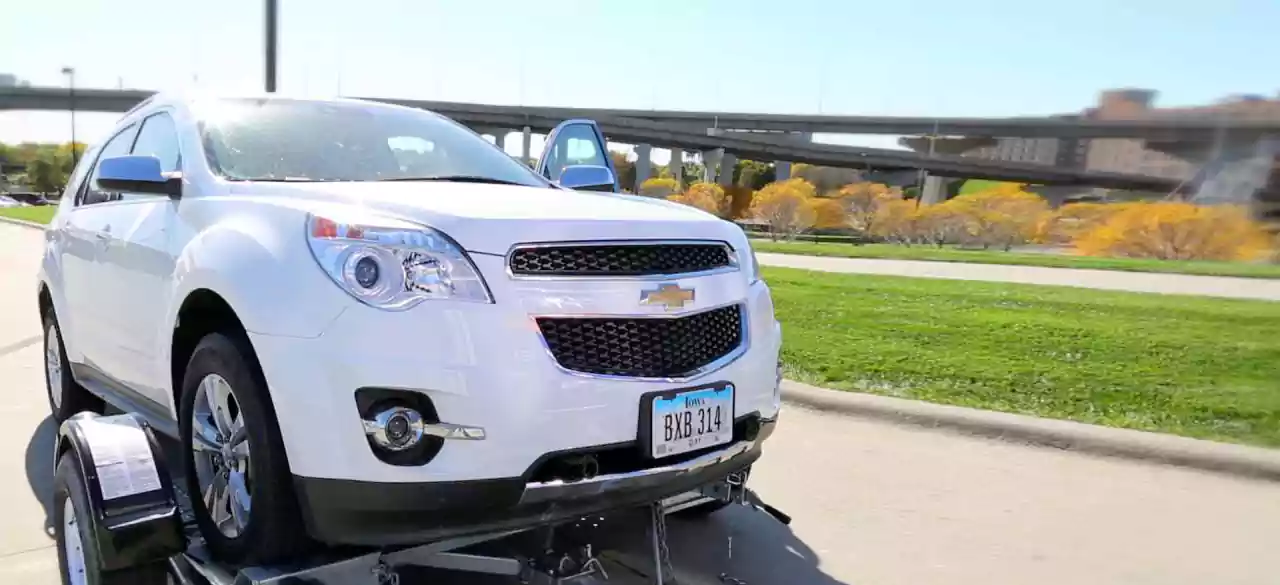
Matching Dolly Size To Vehicle Specifications
Choosing the right car dolly size depends on the vehicle’s size and weight. Matching the dolly to the vehicle ensures safe towing and easy handling. Different trucks and SUVs need specific dolly sizes for balance and stability.
Small Vs. Large Suvs
Small SUVs usually require a compact dolly. These dollies are lighter and easier to maneuver. They fit within the smaller wheelbase and width of compact SUVs.
Large SUVs need bigger dollies with higher weight capacity. These dollies provide better support for heavier vehicles. They offer wider platforms to fit larger tires securely.
Light-duty Vs. Heavy-duty Trucks
Light-duty trucks can use medium-sized dollies. These dollies handle moderate weight and size well. They balance towing ease and vehicle support.
Heavy-duty trucks demand larger, heavy-duty dollies. These dollies have stronger frames and higher weight limits. They keep heavy trucks stable during towing on all roads.
Safety Tips For Using Car Dollies
Using a car dolly for trucks or SUVs requires careful attention to safety. A small mistake can cause damage or accidents. Follow these safety tips to protect your vehicle and yourself. Proper handling ensures a smooth and secure transport.
Proper Loading Techniques
Position the dolly on a flat surface. Drive the truck or SUV slowly onto the dolly. Center the vehicle to balance weight evenly. Use a spotter to guide you if needed. Avoid sudden movements during loading. Check that the wheels fit well on the dolly platform.
Securing Your Vehicle
Use strong straps or chains to hold the vehicle. Attach them to secure points on the truck or SUV. Tighten all straps to prevent any movement. Double-check the connections before driving. Make sure the dolly’s safety chains are also fastened to the towing vehicle.
Avoiding Common Mistakes
Do not overload the dolly beyond its capacity. Avoid driving at high speeds with the dolly attached. Do not skip checking tire pressure on both the dolly and vehicle. Never leave the vehicle unsecured on the dolly. Avoid sharp turns that can shift the load.

Maintenance And Storage Of Car Dollies
Proper care of your car dolly is essential for safe and smooth towing. Regular maintenance and smart storage keep the dolly in good shape. This prevents damage and extends its life. A well-maintained dolly supports trucks and SUVs safely on the road.
Routine Inspections
Check the tires for wear and proper air pressure. Look at the wheel bearings and grease them regularly. Inspect the lights and electrical connections to ensure they work. Examine the frame for cracks or rust spots. Tighten all bolts and nuts to avoid loose parts. Routine checks catch problems before they get worse.
Storage Best Practices
Store the dolly in a dry, covered place to avoid rust. Keep it off the ground using blocks or stands. Cover the dolly with a waterproof tarp if stored outside. Remove dirt and debris before storage to prevent damage. Store the dolly away from direct sunlight to protect the tires. Proper storage saves money on repairs and keeps the dolly ready to use.
Budget Considerations
Choosing the right size car dolly for trucks or SUVs involves more than just measurements. Budget plays a key role in this decision. Knowing how much to spend helps narrow down options. It also ensures you get value for your money. Balancing cost and quality keeps your investment safe and practical.
Cost Vs. Quality
Cheaper dollies may save money upfront. But they often lack strength and durability. A low-quality dolly might wear out fast or cause damage. Higher quality models cost more but last longer. They offer better safety features and support heavier loads. Investing a bit more can prevent costly repairs later. Think about how often you will use the dolly. Frequent use justifies spending on better quality.
Rental Vs. Purchase Options
Renting a car dolly is good for short-term needs. It costs less than buying if used rarely. Rental companies offer different sizes and types. This lets you pick the right dolly for your truck or SUV. Buying makes sense for frequent or long-term use. Ownership gives freedom to use anytime. It also saves money over many rentals. Compare rental fees and purchase prices. Check what fits your budget and usage best.

Frequently Asked Questions
What Size Car Dolly Fits Most Trucks And Suvs?
A car dolly for trucks and SUVs should support up to 7,000 pounds. Choose a dolly with a wide platform and heavy-duty tires. Typically, a dolly 60 inches wide and 120 inches long works well for larger vehicles.
How To Measure My Suv For The Right Car Dolly?
Measure your SUV’s width at the widest points and wheelbase length. Compare these dimensions with dolly specifications to ensure a proper fit. Always allow extra space for secure wheel placement and tie-down points.
Can I Use A Standard Car Dolly For A Truck?
Standard car dollies often can’t support truck or SUV weight. Trucks need dollies with higher weight capacity and wider platforms. Using an undersized dolly risks damage and unsafe towing.
What Weight Capacity Should A Dolly Have For Trucks?
Select a dolly with at least a 7,000-pound weight capacity for trucks and SUVs. This ensures safety and prevents structural damage during towing. Always check your vehicle’s weight before choosing a dolly.
Conclusion
Choosing the right car dolly size keeps your truck or SUV safe. Check the weight and size limits before buying. A proper fit helps with smooth towing and less wear. Small mistakes can cause big problems on the road. Take your time to compare options and pick wisely.
This way, your vehicle stays protected on every trip. Safe towing starts with the right dolly size.


