Have you ever struggled to get sand out of your car after a day at the beach? Sand can be stubborn, slipping into every nook and cranny, making your car feel dirty and uncomfortable.
You might wonder if a car vacuum is really up to the task. Can it truly remove sand effectively, or will you be left frustrated? You’ll discover the truth about car vacuums and sand removal. Keep reading to find simple tips that can save you time and help keep your car spotless.

Credit: www.chemicalguys.com
Challenges Of Removing Sand From Cars
Removing sand from a car is not easy. Sand is small and gets into many places. It sticks to the seats, floors, and mats. Cleaning sand fully takes time and effort. Many people try car vacuums but find it hard to get all sand out. Understanding why sand is tough to clean helps know what to expect.
Why Sand Is Difficult To Clean
Sand grains are very small and light. They slip into tiny cracks and crevices in the car. Sand also mixes with dust and dirt, making it hard to remove. Sometimes, sand gets stuck in the fabric of seats or carpets. It stays there even after vacuuming. Sand can scratch surfaces if rubbed too hard. This makes cleaning more delicate and slow.
Common Areas Where Sand Accumulates
Sand often gathers on car floor mats and carpets. It hides under the seats and in seat cracks. Sand also collects in door pockets and cup holders. The trunk floor can have a lot of sand after beach trips. Sand often gets into air vents and seat seams too. These spots are tricky to clean and need careful attention.

Credit: www.ebay.com
How Car Vacuums Work
Car vacuums clean your vehicle by sucking up dirt and debris. They use suction to pull particles from surfaces. This suction is created by a motor inside the vacuum. The motor spins fast, creating air pressure that draws in dust, sand, and crumbs.
The vacuum’s nozzle helps reach tight spaces like between car seats. A filter traps dirt inside the vacuum, stopping it from coming back out. This process keeps your car’s interior clean and fresh.
Types Of Car Vacuums
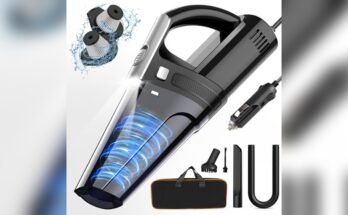
There are different car vacuum types to fit your needs. Handheld vacuums are small, light, and easy to use. Corded models plug into your car’s power outlet. Cordless vacuums run on batteries for more freedom.
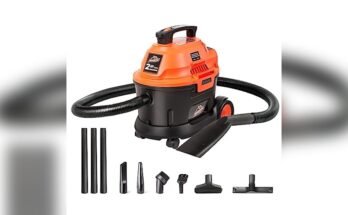
Wet/dry vacuums handle both liquid spills and dry dirt. Some vacuums come with special tools to clean pet hair or tight spaces. Choose a type based on your car size and cleaning needs.
Suction Power And Its Role
Suction power is key to how well a vacuum cleans. Strong suction picks up heavy dirt like sand effectively. Weak suction may leave sand particles behind. Measured in air watts or pascals, suction strength varies by model.
High suction vacuums remove dirt faster and more deeply. Low suction vacuums work better for light dust and crumbs. Look for a vacuum with enough suction for your cleaning tasks.
Effectiveness Of Car Vacuums On Sand
Sand in cars can be tough to clean. It hides in carpets, seats, and crevices. Car vacuums are common tools for this job. But how well do they work on sand? The answer depends on several factors.
Factors Influencing Sand Removal
The power of the vacuum is key. Strong suction lifts sand better from surfaces. The vacuum’s nozzle shape also matters. Narrow nozzles reach tight spots where sand hides. Brushes help loosen sand stuck in fabric. The type of sand affects cleaning too. Fine sand is easier to remove than coarse grains. Wet sand can clump, making it harder to vacuum. Frequent cleaning prevents buildup and makes removal easier.
Limitations Of Car Vacuums
Car vacuums may struggle with deep sand. Sand trapped under car mats or in seams resists suction. Small vacuums have limited power and tank size. They fill quickly and lose suction over time. Some sand particles can scratch surfaces if vacuumed roughly. Not all vacuums come with tools for corners and crevices. Sand often needs multiple cleaning attempts to clear fully.

Credit: www.amazon.com
Expert Tips For Better Sand Removal
Removing sand from your car can be tricky without the right approach. Sand grains hide deep in carpets and seat crevices. Using a car vacuum alone might not clear all the sand. Follow these expert tips to improve sand removal. They make the cleaning process faster and more effective.
Pre-vacuuming Preparation
Start by shaking out floor mats and seat covers outside the car. This helps loosen large sand particles. Brush the seats gently to lift sand from the fabric. Open car doors and windows for better air flow. This prevents dust from settling back inside. Clear any trash or objects blocking the vacuum path.
Choosing The Right Vacuum Attachment
Use a narrow nozzle or crevice tool for tight spaces. These attachments reach sand in seat seams and under seats. A brush attachment helps loosen sand stuck on fabric. Avoid wide heads that push sand deeper. Pick attachments that fit your vacuum model for better suction.
Vacuuming Techniques For Sand
Vacuum slowly to capture fine sand grains effectively. Move in multiple directions to lift sand from fibers. Use short, overlapping strokes to cover all areas. Press lightly to avoid embedding sand further. Repeat vacuuming on heavily sanded spots for better results.
Alternative Methods To Remove Sand
Removing sand from your car can be tricky. Car vacuums may not always catch every grain. Some sand hides deep in the seats and floor mats. Alternative methods can help clean these tough spots better. These options work well alongside car vacuums to keep your car sand-free.
Using Compressed Air
Compressed air blasts sand out of hard-to-reach places. It can push sand from seat crevices and air vents. Use it outdoors to avoid making a mess inside. Hold the nozzle close but not too close to surfaces. This method is quick and does not damage the car interior.
Manual Cleaning Tools
Manual tools like brushes and lint rollers help remove stuck sand. A soft brush can loosen grains from fabric and carpets. Lint rollers pick up sand from seats and floor mats. Use a damp cloth to wipe down plastic surfaces. These tools work well for detailed cleaning jobs.
Professional Detailing Options
Professional car detailers have special tools for sand removal. They use high-powered vacuums and steam cleaners. Experts clean deep inside seats and carpets. This service is useful after beach trips or heavy sand exposure. It ensures your car looks clean and fresh again.
Maintaining Your Car Vacuum For Optimal Performance
Maintaining your car vacuum is key for strong cleaning power. Dirt and sand can clog parts and lower suction. Regular care keeps your vacuum working well. It helps remove sand effectively every time.
Cleaning Filters And Brushes
Filters catch dust and sand but can block airflow when dirty. Remove filters often and wash or replace them as needed. Brushes also collect sand and hair. Clean them by hand to avoid damage. This keeps the vacuum picking up sand without struggle.
Regular Maintenance Tips
Empty the dust container after every use to stop buildup. Check hoses and nozzles for clogs and clear them quickly. Inspect the vacuum for loose parts and tighten if needed. Store your vacuum in a dry place to avoid damage. These small steps extend your vacuum’s life and keep it strong against sand.
Frequently Asked Questions
Can Car Vacuums Effectively Remove Sand From Seats?
Yes, car vacuums can effectively remove sand from seats. High suction power and specialized nozzles help lift sand particles. Regular use prevents sand buildup and keeps interiors clean. However, some fine sand may require multiple passes for complete removal.
What Features Make Car Vacuums Good For Sand Removal?
Strong suction, narrow crevice tools, and HEPA filters make car vacuums ideal for sand removal. These features target tiny sand grains in hard-to-reach areas. Cordless models offer convenience, while wet-dry functions handle damp sand. Choose vacuums designed specifically for automotive use.
Is A Handheld Or Cordless Vacuum Better For Sand?
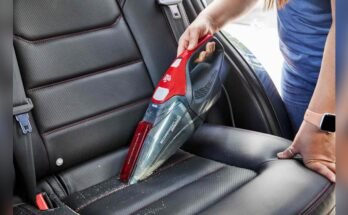
Handheld cordless vacuums are better for sand due to portability and ease of use. They reach tight spots and provide powerful suction without cords. Cordless models allow quick cleanups anywhere, making them perfect for removing sand from car interiors.
How Often Should I Vacuum Sand From My Car?
Vacuum your car at least once a week if you frequently carry sand. Regular cleaning prevents sand from damaging upholstery and electronics. For heavy sand exposure, increase frequency to maintain a clean and comfortable interior.
Conclusion
Car vacuums can remove sand, but their power matters most. Small, handheld vacuums may struggle with heavy sand. Strong suction and good filters help capture fine grains. Regular cleaning keeps sand from building up inside the car. Using brushes or cloths before vacuuming can improve results.
Sand can hide in tight spots, so patience is key. Choosing the right vacuum makes a big difference. Keep your car clean and sand-free for comfort and care.