Most people don’t think about their car battery until one day the engine refuses to start. But what really happens if you leave your car unused for a while? Imagine you park your car for a long business trip, or store a classic car for winter—will the battery still work when you return? Understanding how long a car battery can sit unused, and what affects its lifespan, is essential for any car owner. This guide will help you discover how long you can leave your battery idle, why batteries lose charge, what factors change the timeline, and how to keep your battery healthy even during long breaks.
What Happens When A Car Battery Sits Unused?
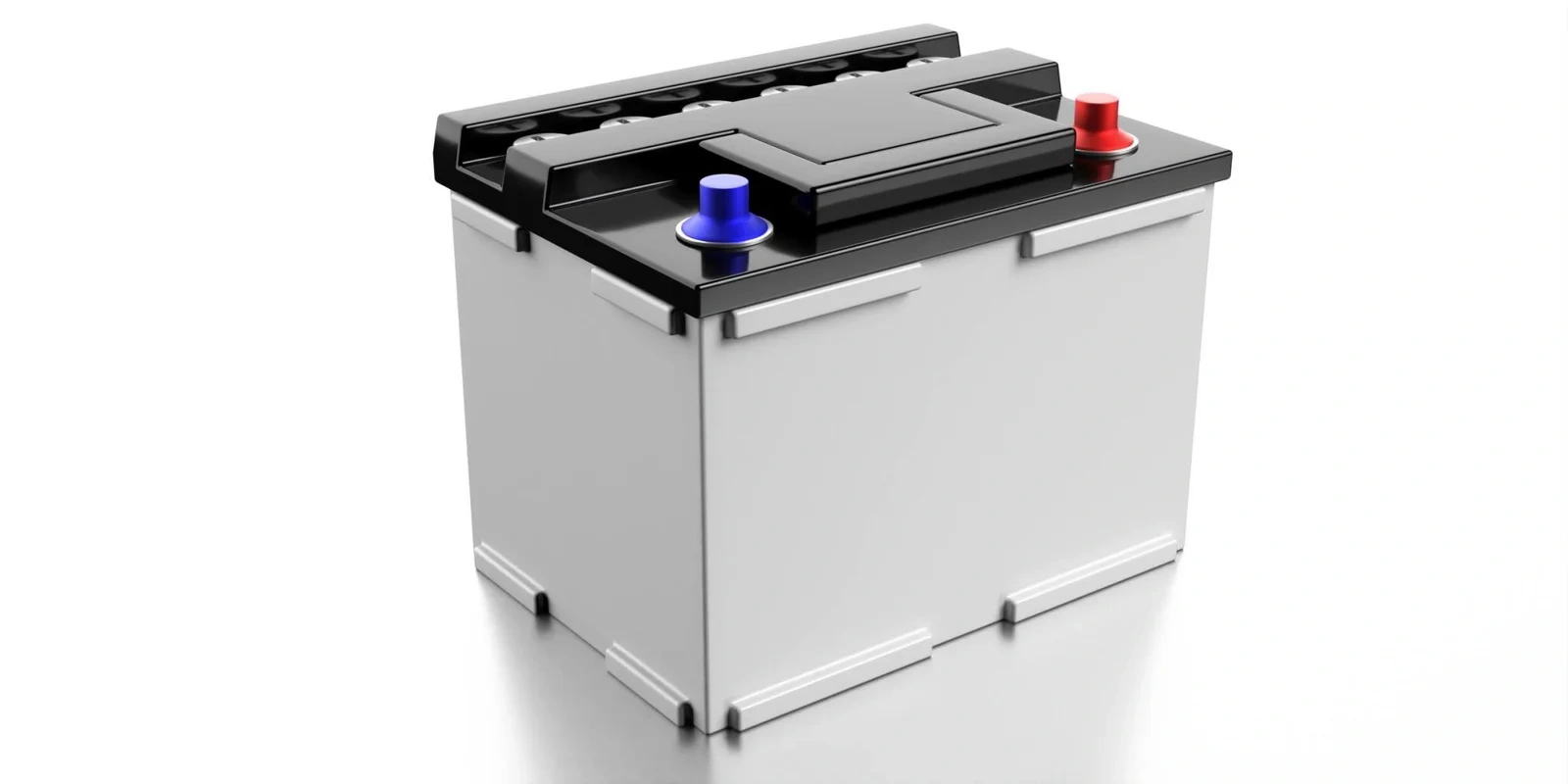
Car batteries lose charge even if the car is off. The process is called self-discharge. Modern vehicles have electronic systems—alarms, clocks, computers—that draw tiny amounts of power constantly. Even if the car is locked and untouched, these systems slowly drain the battery.

49% off Today's Exclusive Deals
Limited-time Exclusive Deals. Check current discount on Amazon.
Check Price on Amazon As an Amazon Associate I earn from qualifying purchases.Besides the electronics, the battery’s own chemistry causes it to lose charge over time. Lead-acid batteries, the most common type, slowly react inside and lose power even if nothing is connected. This means every car battery, no matter the brand or quality, will eventually go flat if left unused.
Most drivers are surprised how fast this can happen. Many think that a battery will last months without use, but the reality is often quite different.
Typical Timeline: How Long Can A Car Battery Sit Unused?
Most car batteries can sit unused for around four weeks to two months before they are too weak to start the engine. However, this timeframe can change based on several factors.
49% off Today's Exclusive Deals
Limited-time Exclusive Deals. Check current discount on Amazon.
Check Price on Amazon As an Amazon Associate I earn from qualifying purchases.- Modern cars: Because of advanced electronics, newer cars may drain batteries faster than older ones.
- Older cars: Classic cars with fewer electronics can sometimes sit for 2-3 months before the battery dies.
- Climate: Heat and extreme cold can shorten this timeline.
Here’s a general estimate for common situations:
| Type of Car | Estimated Time Until Battery Is Too Weak |
|---|---|
| Modern car (2010+) | 4 to 6 weeks |
| Older car (before 2000) | 6 to 8 weeks |
| Classic car (with battery disconnected) | 2 to 3 months |
Most mechanics recommend starting your car at least once every 2 weeks if you aren’t driving regularly.
Why Do Car Batteries Lose Charge When Not Used?
There are two main reasons your car battery goes flat when unused:
- Parasitic drain: Even when the car is off, things like the clock, radio memory, and security systems use small amounts of power. Over weeks, this adds up.
- Self-discharge: All batteries lose a small amount of charge just sitting, even if disconnected. For lead-acid batteries, this is about 1-2% per day.
Another factor is battery age. Old batteries lose charge faster, sometimes in just a week or two.
49% off Today's Exclusive Deals
Limited-time Exclusive Deals. Check current discount on Amazon.
Check Price on Amazon As an Amazon Associate I earn from qualifying purchases.A common mistake is thinking that disconnecting the battery will stop all power loss. In reality, self-discharge continues, though more slowly.
Factors That Affect How Long A Car Battery Can Sit Unused
No two cars are exactly the same. These factors have the biggest impact on how long your battery will last when the car isn’t used:
1. Battery Age And Condition
A new, healthy battery can hold its charge much longer than an old or damaged one. After three years, most car batteries start to lose strength. After five years, many struggle to last more than a few weeks unused.
2. Temperature And Climate
Heat speeds up chemical reactions inside the battery, making it lose charge faster. Cold slows reactions, but can also make it harder for a weak battery to turn the engine. Batteries sitting in hot climates may die in just a couple of weeks, while those in garages or cooler areas last longer.
3. Type Of Battery
There are different types of car batteries:
- Flooded lead-acid: Most common, moderate self-discharge.
- AGM (Absorbent Glass Mat): Lower self-discharge, lasts longer unused.
- Lithium-ion: Found in electric/hybrid vehicles, can hold charge longer but more sensitive to cold.
| Battery Type | Self-Discharge Rate (per month) | Best Storage Condition |
|---|---|---|
| Flooded lead-acid | 3-20% | Cool, dry place |
| AGM | 1-3% | Room temperature |
| Lithium-ion | 2-5% | Above freezing, below 80°F (27°C) |
4. Parasitic Loads
Some cars have more electronics that stay on even when the vehicle is off, like GPS trackers or aftermarket alarms. These can drain a battery in just days.
5. State Of Charge Before Storage
A battery that is already weak or only half-charged will die faster than one that is fully charged. Always top up your battery before leaving your car unused for a long time.
6. Cleanliness And Maintenance
Dirt and corrosion around the battery terminals can cause tiny leaks of electricity, speeding up battery drain. Keeping the battery clean helps it last longer.
7. Vehicle Usage History
Cars that are usually driven every day keep their batteries in better health. If your car is often idle, the battery will get weaker over time and lose charge faster when left unused.
What Happens If A Car Battery Sits Too Long?
If a battery sits unused for too long, it can become so discharged that it cannot be recharged. Sulfate crystals build up inside lead-acid batteries, making them impossible to recover. This is called battery sulfation.
Extreme discharging, especially below 12. 0 volts, shortens the battery life dramatically. In some cases, a battery left unused for months may swell, leak acid, or even crack, especially in cold weather.
Once a battery is deeply discharged, jump-starting or charging it may not work. You may need to replace it entirely.
How To Keep A Car Battery Healthy During Long Storage
If you know your car will sit unused for weeks or months, take these steps to protect the battery:
- Disconnect the negative terminal: This stops most electronic drains. Always remove the negative (black) terminal first.
- Use a battery maintainer: Also called a “trickle charger” or “float charger,” this device keeps your battery at full charge without overcharging. It’s the safest way to store a car long-term.
- Check and clean terminals: Before storage, clean off any corrosion with a wire brush.
- Store in a cool, dry place: Heat and moisture speed up self-discharge.
- Charge fully before storage: Never leave a half-discharged battery to sit.
- Start the car every 2-3 weeks: If possible, run the engine for at least 15 minutes to recharge the battery. Driving is better than just idling.
Here’s a quick reference:
| Storage Duration | Best Practice |
|---|---|
| Less than 2 weeks | No action needed (unless battery is already weak) |
| 2-4 weeks | Consider a battery maintainer or disconnect negative terminal |
| Over 1 month | Use maintainer, disconnect battery, or remove and store indoors |
Signs Your Battery Has Gone Flat Or Is Failing
It’s easy to miss the warning signs of a failing battery, especially if you don’t drive often. Look out for:
- Engine cranks slowly or not at all
- Clicking sound when turning the key
- Dashboard lights are dim or flicker
- Electronics don’t work (radio, lights)
- Battery warning light on the dashboard
If your battery is more than 3 years old and goes flat quickly, it’s probably near the end of its life.
What To Do If Your Car Battery Dies After Sitting
If you return to your car and the battery is dead, don’t panic. Here’s what to do:
- Try a jump start: Use jumper cables and another car, or a portable jump starter. Connect cables carefully, following the correct order.
- Drive for at least 20 minutes: This lets the alternator recharge the battery.
- Charge fully with a battery charger: If possible, use a smart charger to fully recharge and test the battery.
- Check for underlying issues: If the battery keeps dying, have a mechanic check for parasitic drains or charging system problems.
If your car doesn’t start after several tries or the battery dies again quickly, it’s likely time for a new battery.
Common Mistakes When Storing A Car
Many drivers make simple mistakes that shorten battery life during storage:
- Not fully charging the battery before storage
- Leaving electronics or lights on
- Ignoring corrosion or dirty terminals
- Storing the car in extreme heat or cold
- Assuming a new battery will last much longer unused
A less obvious mistake: using a basic battery charger instead of a maintainer. Basic chargers can overcharge and damage the battery if left on for weeks.
Advanced Tips For Long-term Car Storage
If you plan to store your car for several months or longer, take extra steps:
- Remove the battery completely and store indoors: This protects against temperature swings.
- Check the battery every month: Even disconnected, charge it if voltage drops below 12.4 volts.
- Use a smart charger: These adjust the charge automatically and prevent overcharging.
- Label cables before disconnecting: This avoids confusion when you reinstall the battery.
Never store a battery directly on concrete. Old advice said this would drain the battery, but modern batteries are safe on any surface. Still, use a piece of wood or cardboard if you want extra peace of mind.

Real-world Examples
- Example 1: A 2017 SUV was parked at an airport for 4 weeks. On return, the battery was too weak to start the car, even though it was only 2 years old. The owner had to call for a jump start. The cause: modern cars have many electronics that drain the battery even when off.
- Example 2: A 1995 sedan was left unused in a garage for 2 months. The owner disconnected the battery before storage. When reconnected, the car started without issue. Disconnecting the battery reduced the parasitic drain.
- Example 3: A sports car was stored for the winter with a battery maintainer attached. After 6 months, the car started as if it had been driven yesterday. Maintainers keep the battery healthy for long periods.
How Long Can A Car Battery Sit Unused In Different Scenarios?
Here’s a look at how various situations affect battery life:
- Vacation or short business trip (1-2 weeks): Most batteries will be fine. No special steps needed unless the battery is already weak.
- Extended storage (1-2 months): Battery may go flat, especially in modern cars. Use a maintainer or disconnect the battery.
- Seasonal storage (3+ months): Battery will likely die unless you use a maintainer, remove and store it, or recharge monthly.
- Cold climates: Batteries lose power more quickly when sitting unused in freezing temperatures. They may freeze if discharged.
- Hot climates: Heat accelerates self-discharge and can cause permanent damage over time.
When Should You Replace A Car Battery That Has Sat Unused?
If your battery has been unused for a long time, test it before trusting it for regular use. Replace the battery if:
- It won’t hold a full charge after recharging
- The voltage drops below 12.4 volts after sitting overnight
- The engine cranks slowly or not at all, even after charging
- The battery case is swollen, cracked, or leaks
A battery that has gone completely flat more than once is much more likely to fail soon, even if you get it working again.
How To Test A Battery After Storage
After your car has been unused for weeks or months, check the battery:
- Measure voltage: Use a digital voltmeter. A healthy battery shows 12.6 volts or higher.
- Load test: Some auto parts stores will test your battery for free. This shows if the battery can deliver enough power.
- Visual inspection: Check for cracks, bulges, or leaks.
If in doubt, replace the battery before you’re stranded.
Environmental Impact: Why Proper Storage Matters
Dead batteries are a leading cause of car breakdowns, but they’re also an environmental hazard if thrown away carelessly. Lead-acid batteries contain toxic materials. Always recycle old batteries at authorized centers.
Proper storage extends battery life, saves you money, and reduces waste. Using a maintainer or disconnecting the battery means fewer replacements and less pollution.
Frequently Asked Questions
How Long Can A Car Battery Sit Unused Before It Needs To Be Replaced?
Most car batteries can sit unused for 4-8 weeks before they become too weak to start the engine. However, if a battery sits completely discharged for weeks or months, it may develop internal damage and need replacement, even if recharged.
Is It Enough To Start My Car Once A Week To Keep The Battery Healthy?
Starting your car once a week and letting it run for 15-20 minutes can help keep the battery charged, especially in moderate weather. However, short engine runs without driving may not be enough for very weak batteries or in cold climates.
What Is The Best Way To Store A Car Battery For Several Months?
The best way is to disconnect the battery and connect it to a battery maintainer. If possible, remove the battery and store it indoors in a cool, dry place. Check and recharge it monthly if not using a maintainer.
Can A Car Battery Go Bad Just From Sitting Unused?
Yes. When a car battery sits unused, especially when not fully charged, sulfate crystals can build up inside and reduce its ability to hold a charge. After several months, the battery may not recover even with charging.
Are All Car Batteries The Same When It Comes To Storage?
No. AGM and lithium-ion batteries hold their charge longer than traditional flooded lead-acid batteries. However, all batteries lose charge over time, and heat or cold can affect them differently. Always follow the manufacturer’s storage recommendations.
For more on battery types and storage, check this in-depth overview from the Battery Council International.
Storing your car for weeks or months doesn’t have to mean buying a new battery every time. With a little preparation and the right tools, you can keep your battery healthy and your car ready—no matter how long it sits unused.