Every car owner faces a dead battery at some point. Maybe you left your headlights on, or your car just sat too long. Whatever the cause, a dead battery can ruin your plans. That’s why many people turn to trickle chargers—small devices that deliver a low, steady charge to your battery. But how long should you leave a trickle charger on a car battery? This simple question often confuses both beginners and experienced drivers. Leave it on too little, and your battery may never fully recover. Leave it on too long, and you risk damaging the battery or even causing a safety hazard.
Choosing the right charging time is not just about convenience—it’s about protecting your battery’s life, saving money, and staying safe. In this guide, you’ll learn exactly how long to use a trickle charger, what factors affect charging times, and practical tips for safe charging.

49% off Today's Exclusive Deals
Limited-time Exclusive Deals. Check current discount on Amazon.
Check Price on Amazon As an Amazon Associate I earn from qualifying purchases.You’ll also discover what most beginners get wrong about trickle chargers, and how to avoid costly mistakes. Whether you’re using a trickle charger for the first time or just want to make sure you’re doing it right, this article has you covered.
What Is A Trickle Charger?
A trickle charger is a device that delivers a small, steady electrical current to a car battery over a long period. Unlike a standard charger, which pumps energy into the battery quickly, a trickle charger works slowly. This slow approach is gentle on the battery and helps prevent overcharging.
Most trickle chargers operate at 1 to 2 amps. That’s much lower than the 10 amps or more used by a fast charger. Because of this, trickle chargers are perfect for keeping a battery topped up when a car is not being used for weeks or months. They’re also useful for reviving a weak battery, as long as you have the patience to wait.
49% off Today's Exclusive Deals
Limited-time Exclusive Deals. Check current discount on Amazon.
Check Price on Amazon As an Amazon Associate I earn from qualifying purchases.There are two main types of trickle chargers:
- Manual trickle chargers: These keep charging until you turn them off.
- Automatic trickle chargers (smart chargers): These stop charging or switch to a maintenance mode when the battery is full.
Understanding this difference is important. An automatic charger is safer for long-term use, while a manual charger requires you to keep track of charging time.
Why Use A Trickle Charger?
Many car owners wonder if a trickle charger is worth the investment. Here are the main reasons people use them:
- Prevents battery drain: If you leave your car unused for long periods, the battery can lose charge naturally. A trickle charger keeps it topped up.
- Extends battery life: Regular low-level charging is gentler and helps the battery last longer.
- Restores weak batteries: Slow charging can sometimes bring a weak battery back to life.
- Convenience: You don’t need to jump-start your car after a long vacation or winter storage.
A trickle charger is not only for cars. It works on motorcycles, boats, RVs, and even lawn tractors. As long as the battery matches the charger’s voltage (usually 12V for cars), you can use it.
49% off Today's Exclusive Deals
Limited-time Exclusive Deals. Check current discount on Amazon.
Check Price on Amazon As an Amazon Associate I earn from qualifying purchases.
How Long Should You Leave A Trickle Charger On A Car Battery?
This is the key question. The answer depends on several factors, including the charger’s amperage, your battery’s size and state, and the type of charger you use.
Key Factors Affecting Charging Time
- Charger output (amps): Most trickle chargers deliver 1–2 amps per hour.
- Battery capacity (amp-hours, Ah): Car batteries usually range from 40–80 Ah.
- Battery state: Is your battery fully dead, partially discharged, or just being maintained?
- Charger type: Automatic chargers regulate charging, manual chargers do not.
The basic formula for charging time is:
Charging Time (hours) = Battery Capacity (Ah) / Charger Output (amps)
But this only gives a rough estimate. Real charging time can be longer due to charging losses and battery condition.
Let’s look at a practical example. Suppose you have a 60 Ah battery and a 2-amp trickle charger:
60 Ah / 2 amps = 30 hours
In reality, it may take a bit longer, since not all energy makes it into the battery due to inefficiency (about 10–20% is lost as heat). So, for a fully dead battery, it may take 33–36 hours.
If your battery is not fully dead—say, at 50%—you only need to charge 30 Ah:
30 Ah / 2 amps = 15 hours
Again, add a few hours for losses.
Typical Charging Times For Different Scenarios
Here’s a quick look at how long you should leave a trickle charger on in common situations:
| Battery State | Charger Output | Estimated Time Needed | Charger Type |
|---|---|---|---|
| Fully dead (0%) | 1 amp | 40–50 hours | Manual/Automatic |
| Fully dead (0%) | 2 amps | 20–30 hours | Manual/Automatic |
| Half charged (50%) | 1 amp | 20–25 hours | Manual/Automatic |
| Half charged (50%) | 2 amps | 10–15 hours | Manual/Automatic |
| Maintenance (full charge) | 1–2 amps | Indefinite (automatic only) | Automatic |
For manual trickle chargers, you must disconnect once the battery is full. For automatic trickle chargers, you can leave them connected for weeks or months—they switch to maintenance mode and only charge when needed.
How To Know When Charging Is Complete
A battery is considered fully charged when it reaches 12.6 to 12.8 volts (engine off). Many smart trickle chargers have an indicator light that turns green when charging is done. With a manual charger, you’ll need to check the battery voltage with a multimeter.
Never guess charging time. Overcharging can damage the battery, causing it to overheat, leak, or even explode. Always follow the instructions for your charger and battery.
How To Use A Trickle Charger Safely
Charging a car battery may seem simple, but there are risks if you don’t follow safe practices. Here’s a step-by-step guide to using a trickle charger the right way.
Step 1: Prepare The Battery And Charger
- Turn off the vehicle and remove the keys.
- Read the manuals for both your battery and charger.
- Check battery fluid (if possible). If the fluid is low, top it up with distilled water.
- Ensure the area is well-ventilated. Charging produces hydrogen gas, which is flammable.
Step 2: Connect The Charger
- Attach the red (positive) clamp to the battery’s positive (+) terminal.
- Attach the black (negative) clamp to the negative (–) terminal, or to an unpainted metal part of the car’s chassis away from the battery.
- Make sure the clamps are secure.
Step 3: Set The Charger
- For manual chargers, set the amperage (usually 1 or 2 amps).
- For automatic chargers, select the appropriate mode (trickle or maintenance).
Step 4: Start Charging
- Plug the charger into the power source.
- Monitor the charger’s indicators.
- For manual chargers, set a timer or reminder for the estimated charging time.
Step 5: Check Progress
- Periodically check the battery temperature. If it feels hot, stop charging.
- If you have a multimeter, check battery voltage after the estimated charging time.
Step 6: Finish And Disconnect
- Turn off and unplug the charger.
- Remove the clamps in reverse order: Negative first, then positive.
- Clean up any spilled battery fluid carefully.
Extra Safety Tips
- Never charge a frozen battery. Thaw it first.
- Don’t smoke or use open flames near the battery.
- If you see bubbling or smell rotten eggs (sulfur), stop charging immediately.
Risks Of Leaving A Trickle Charger On Too Long
While trickle chargers are designed for slow charging, leaving them on for too long can cause problems—especially with manual models.
Overcharging
Overcharging happens when a battery receives more current than it can store. This can cause:
- Battery overheating
- Swelling or cracking
- Leaking acid
- Shortened battery life
Sulfation
If you leave a trickle charger on too long, especially if the battery is already full, you risk sulfation. This is when lead sulfate crystals form inside the battery, reducing its ability to hold a charge.
Fire And Explosion Risk
Although rare, a battery can explode if gases build up and are ignited. This is more likely if you use a manual charger and forget to disconnect it.
When Is It Safe To Leave A Trickle Charger Connected?
Automatic trickle chargers (smart chargers) are designed to be left connected for long periods. They monitor battery voltage and only charge as needed. This makes them ideal for winter storage or long-term maintenance.
Manual trickle chargers should only be used for the time needed to reach full charge. Never leave them connected for more than 24–48 hours unless you are actively monitoring the battery.
| Charger Type | Safe Max Time Connected | Best Use |
|---|---|---|
| Manual | 24–48 hours | Short-term charging |
| Automatic | Weeks–months | Maintenance/storage |
Mistakes Beginners Often Make
Many people make simple errors when using trickle chargers for the first time. Here are the most common mistakes and how to avoid them:
- Using the wrong charger type: Manual chargers need supervision. Many beginners leave them on too long.
- Not checking battery size: Using a low-amp charger on a large battery can take days. Know your battery’s Ah rating.
- Ignoring battery condition: If your battery is old or sulfated, it may never fully charge, no matter how long you wait.
- Charging a frozen or hot battery: Always charge at room temperature.
- Improper connections: Reversed clamps can cause sparks or damage.
- Charging in a closed area: Hydrogen gas can build up and cause explosions.
- Not monitoring progress: Always use a timer, alarm, or check regularly.
- Assuming all trickle chargers are “set and forget”: Only automatic chargers are safe for long-term use.
Two non-obvious insights: First, a slightly undercharged battery is often better than a slightly overcharged one—overcharging does more harm than undercharging. Second, “trickle” does not mean “maintenance”—some cheap trickle chargers do not have automatic shutoff. Always check before leaving a charger connected for days or weeks.
Signs Of Overcharging And What To Do
Even with safe practices, overcharging can sometimes happen. Here’s how to spot it:
- Battery is hot to the touch
- Swelling or bulging of the battery case
- Leaking fluid around the terminals
- Unusual smells (like rotten eggs)
- Charger indicator never turns off
If you notice any of these signs:
- Disconnect the charger immediately.
- Let the battery cool down.
- Clean up any leaked acid with care (use gloves and baking soda).
- Check battery voltage. If it’s above 12.8 volts (engine off), let it rest.
- Consider replacing the battery if it shows physical damage.
Never attempt to use or recharge a visibly damaged battery.
Choosing The Right Trickle Charger
Not all trickle chargers are created equal. Choosing the right one can make charging safer and easier.
Key Features To Look For
- Automatic shutoff: Prevents overcharging by switching to maintenance mode.
- Amperage options: 1 or 2 amps is ideal for most car batteries.
- Voltage compatibility: Make sure it matches your battery (12V for most cars).
- Reverse polarity protection: Prevents damage if you connect clamps wrong.
- Indicator lights or display: Shows charging progress.
Popular Trickle Charger Brands
Some of the most trusted brands include:
- Battery Tender
- NOCO Genius
- CTEK
- Schumacher
These brands offer models with automatic shutoff and other safety features. Always read reviews and check for certifications.
For more information on charger safety standards, you can visit the Wikipedia Battery Charger page.
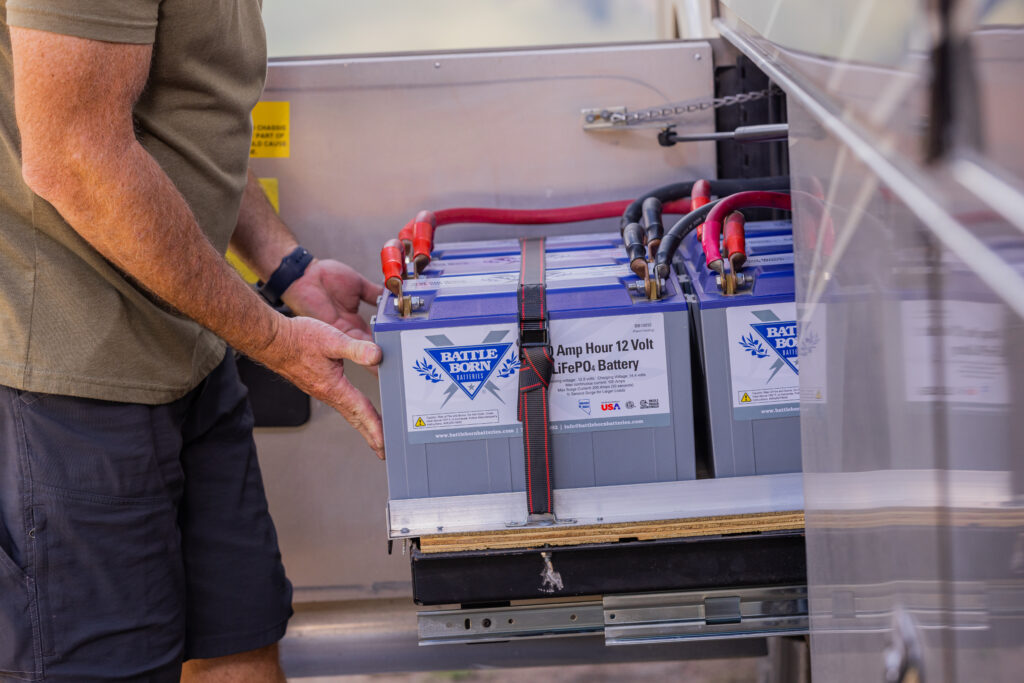
Real-world Example: Charging Times
Let’s say you have a 12V, 60 Ah car battery that is 80% discharged (needs 48 Ah). You use a 2-amp trickle charger.
- 48 Ah / 2 amps = 24 hours
- Add 20% for charging losses: 24 hours x 1.2 = 28.8 hours
So, you should leave the charger on for about 29 hours. If you have an automatic charger, it will switch to maintenance mode once full.
If the same battery is only 20% discharged (12 Ah needed):
- 12 Ah / 2 amps = 6 hours
- With losses: 7.2 hours
This shows why it’s important to know your battery’s state before charging.
How To Calculate Charging Time For Your Battery
To figure out your own charging time, follow these steps:
- Find your battery’s amp-hour (Ah) rating. It’s usually printed on the battery.
- Estimate how discharged the battery is. If the car won’t start, assume 80–100% discharged. If it starts but is weak, maybe 20–50%.
- Check your charger’s amp output.
- Use the formula:
Charging time (hours) = (Ah needed) / (charger amps) x 1. 2 (for losses)
For example, a 50 Ah battery that is half empty (25 Ah needed), with a 1-amp charger:
- 25 / 1 = 25 hours
- 25 x 1.2 = 30 hours
Always round up, as it’s safer to undercharge than overcharge.
Trickle Charger Vs. Battery Maintainer: What’s The Difference?
People often confuse trickle chargers with battery maintainers. Here’s how they differ:
- Trickle charger: Delivers a constant low current. Can overcharge if not automatic.
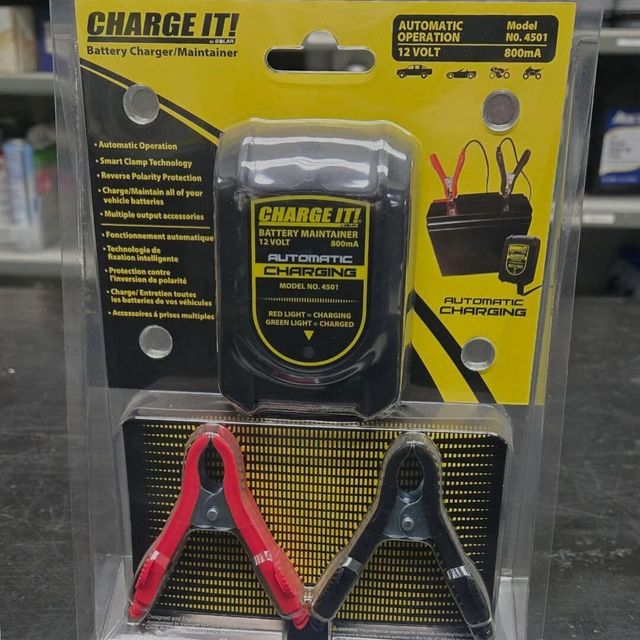
- Battery maintainer: Smart device that senses battery voltage and only charges when needed. Never overcharges.
For long-term storage, a maintainer is safer. For restoring a dead battery, a trickle charger is useful, but you must monitor it.
| Feature | Trickle Charger | Battery Maintainer |
|---|---|---|
| Charging Control | Manual or automatic | Automatic only |
| Risk of Overcharging | Possible (manual models) | Very low |
| Best For | Dead/weak batteries | Long-term maintenance |
| Can Stay Connected Long-Term? | Only automatic models | Yes |
How Often Should You Use A Trickle Charger?
If you drive your car regularly (at least once a week), you usually don’t need a trickle charger. The alternator keeps the battery charged. But if your car sits unused for long periods, use a trickle charger every 2–3 weeks or leave an automatic charger connected.
For winter storage, connect an automatic trickle charger for the whole season. If you use a manual charger, check the battery every day or two.
Battery Health: How Trickle Charging Affects Lifespan
Trickle charging can extend battery life if done correctly. A well-maintained battery can last 5–7 years, while a neglected one may fail in 2–3 years. The key is to avoid both deep discharges and overcharging.
Some tips for long battery life:
- Don’t let the battery go fully dead often.
- Use a charger with automatic shutoff.
- Keep battery terminals clean.
- Store batteries in a cool, dry place.
Remember, most car batteries die from neglect, not from normal use.
Frequently Asked Questions
How Can I Tell If My Battery Is Fully Charged?
You can check with a multimeter. A fully charged 12V car battery reads 12.6–12.8 volts with the engine off. Some smart chargers have an indicator light that turns green when charging is complete.
Is It Safe To Leave A Trickle Charger On Overnight?
Yes, if you are using an automatic trickle charger. For manual chargers, do not leave them on longer than the recommended time (usually 24–48 hours). Always check your charger’s instructions.
Can A Trickle Charger Damage A Car Battery?
A trickle charger can damage a battery if left on too long, especially with manual models. Overcharging causes heat, swelling, and reduced lifespan. Use an automatic charger for long-term use.
Should I Disconnect The Battery From The Car Before Trickle Charging?
It’s not required for most modern cars and chargers. However, if your car has sensitive electronics or you’re using an old charger, disconnecting the battery is safer.
What’s The Difference Between A Trickle Charger And A Jump Starter?
A trickle charger slowly charges a dead or weak battery over hours or days. A jump starter gives a quick burst of power to start the engine but doesn’t charge the battery fully.
—
Knowing how long to leave a trickle charger on your car battery is more than just a technical detail—it’s about protecting your investment and avoiding headaches down the road. With the right charger, a bit of planning, and attention to safety, you can keep your battery healthy for years.
Always check your battery and charger instructions, use automatic models for maintenance, and never guess how long to charge. A little care now saves time, money, and stress later.