Many car owners use battery chargers without a second thought. The process seems simple—connect the charger, wait, and your battery is ready to go. But have you ever wondered if a car battery charger can actually damage the battery? While battery chargers are designed to help, using them incorrectly can shorten your battery’s life, cause safety problems, and even leave you stranded. Understanding how chargers and batteries interact is the key to avoiding costly mistakes and getting the most out of your car’s electrical system.
This article explores whether car battery chargers can harm batteries, how to use them safely, and what you need to know to protect your investment. We’ll look at types of chargers, the science behind charging, real-world risks, and expert tips you might not find in your owner’s manual.

49% off Today's Exclusive Deals
Limited-time Exclusive Deals. Check current discount on Amazon.
Check Price on Amazon As an Amazon Associate I earn from qualifying purchases.How Car Battery Chargers Work
A car battery charger is a device that supplies electrical energy to recharge your battery. Most car batteries are lead-acid batteries, which store energy chemically and release it as needed to start your engine and power accessories.
When you connect a charger, it pushes electrical current into the battery. The battery stores this energy until your car needs it. Sounds easy—but the way energy flows into the battery matters a lot.
Types Of Car Battery Chargers
Not all chargers are the same. Here are the main types you’ll find:
49% off Today's Exclusive Deals
Limited-time Exclusive Deals. Check current discount on Amazon.
Check Price on Amazon As an Amazon Associate I earn from qualifying purchases.- Manual chargers: These basic chargers deliver a constant current or voltage, and you must disconnect them when charging is done. They’re inexpensive but require attention.
- Automatic (smart) chargers: These chargers sense the battery’s state and adjust the charging rate or turn off automatically. They’re safer and reduce the risk of overcharging.
- Trickle chargers: These supply a very low, steady charge to keep a battery topped up over long periods (for example, when storing a vehicle).
- Float chargers: Similar to trickle chargers, but they monitor the battery and supply current only when needed.
Each type has its advantages and risks. For example, a manual charger can overcharge if left connected too long. Smart chargers are safer but can be more expensive.
Basic Charging Stages
Charging a lead-acid battery usually happens in three stages:
- Bulk charge: The charger supplies maximum current to restore most of the battery’s capacity.
- Absorption charge: The charger reduces current as the battery nears full capacity, preventing overheating.
- Float (maintenance) charge: The charger supplies just enough current to keep the battery at 100%, avoiding overcharging.
A charger that can manage these stages safely is less likely to cause damage.
Can A Car Battery Charger Damage The Battery?
Yes, a car battery charger can damage your battery—if used incorrectly or if the charger is faulty. Here’s how it happens and what you should know.
49% off Today's Exclusive Deals
Limited-time Exclusive Deals. Check current discount on Amazon.
Check Price on Amazon As an Amazon Associate I earn from qualifying purchases.Overcharging
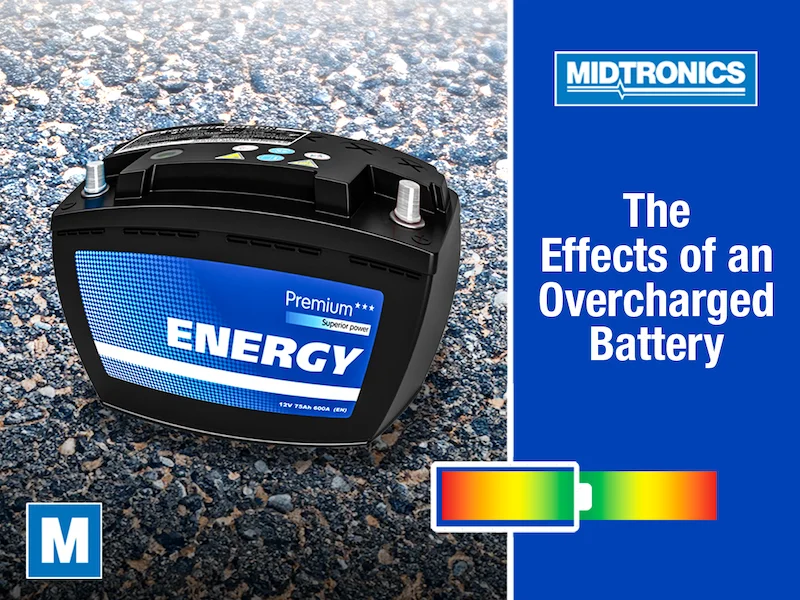
Overcharging is one of the most common ways chargers damage batteries. When a battery is charged for too long or at too high a voltage, it heats up and starts to lose water from the electrolyte. This can cause:
- Swelling or bulging of the battery case
- Excessive gassing (release of hydrogen and oxygen)
- Loss of battery capacity
- Shortened battery life
For example, charging a 12V battery at 16V for several hours can cause irreversible damage. Overcharging is most common with manual chargers or when the charger does not sense the battery’s state.
Undercharging
Undercharging—not giving enough charge—also harms batteries. If a battery is regularly charged to less than full, lead sulfate crystals can build up on the plates, a problem called sulfation. Sulfation reduces battery capacity and can eventually make the battery useless.
Trickle chargers left on too long, or chargers set at too low a voltage, can cause chronic undercharging.
Incorrect Charger Selection
Using the wrong charger for your battery type can be dangerous. For example:
- Charging a gel or AGM battery with a standard charger can overheat the battery and cause internal damage.
- Using a charger with too high an amperage can warp the battery plates.
Check your battery label and manual before choosing a charger. Some batteries require special charging profiles.
Reverse Polarity
Connecting the charger’s positive and negative clamps to the wrong terminals can cause reverse polarity. This can spark, damage the battery, and even destroy the charger. Many modern chargers have safety systems to prevent this, but not all do.
Poor Quality Or Faulty Chargers
Cheap or old chargers may not control voltage or current accurately. They might continue charging when the battery is full, supply too much current, or fail to shut off. These problems increase the risk of battery damage and even fire.
Charging In Extreme Temperatures
Charging a battery when it’s too hot or too cold can cause damage. Charging in freezing temperatures can result in electrolyte freezing, while charging in high heat can speed up water loss and plate corrosion.
Real-world Example
A study by Battery University found that continuous overcharging can reduce a lead-acid battery’s life by up to 50%. For a battery expected to last four years, overcharging could mean replacing it in just two.
Signs Your Battery Has Been Damaged By A Charger
It’s not always obvious when a charger has harmed your battery. Watch for these warning signs:
- The battery case is swollen or warped
- There’s a strong rotten egg smell (sulfur) around the battery
- The battery needs to be recharged more often
- The engine is slow to start, or the battery dies quickly
- Visible leaks or corrosion around the terminals
If you notice these signs, stop using the battery and have it checked by a professional. Damaged batteries can be dangerous.
How To Use A Car Battery Charger Safely
You can avoid most problems by following safe charging practices. Here’s how to protect your battery and get the best results.
1. Choose The Right Charger
- Match the charger’s voltage to your battery (usually 12V for most cars).
- Select a charger with an amperage suitable for your battery size.
- For AGM, gel, or lithium batteries, use a charger designed for that chemistry.
- If possible, use a smart charger with automatic shutoff and safety features.
2. Read The Manual
Always read both the battery and charger manuals. Manufacturers provide specific charging recommendations and warnings.
3. Connect Correctly
- Attach the positive clamp (usually red) to the battery’s positive terminal.
- Attach the negative clamp (usually black) to the negative terminal or a good ground on the car’s chassis.
- Double-check connections before turning on the charger.
4. Monitor The Charging Process
- If using a manual charger, set a timer and check the battery regularly.
- Watch for overheating, swelling, or unusual smells.
- Don’t leave manual chargers connected overnight unless they have an automatic shutoff.
5. Charge In A Safe Place
- Charge batteries in well-ventilated areas to prevent gas buildup.
- Avoid charging near flames, sparks, or smoking.
- Keep the charger and battery away from children and pets.
6. Disconnect Safely
- Turn off the charger before removing the clamps.
- Remove the negative clamp first, then the positive.
7. Store Chargers Properly
- After use, store your charger in a dry, cool place.
- Keep cables untangled and check for damage before each use.
Non-obvious Insights
- Many car owners don’t realize that charging too quickly (using high-amperage settings) can generate excess heat, even if the battery reaches full charge. Slow, steady charging is gentler and often extends battery life.
- Batteries left partially charged for long periods, even if not used, can suffer from internal damage. Regularly topping up the charge, especially for stored vehicles, helps prevent this.

Comparing Charger Types And Their Impact On Battery Health
It’s helpful to compare how different chargers affect battery health. The following table summarizes the main features and risks of each charger type.
| Charger Type | Features | Risks of Battery Damage | Ideal For |
|---|---|---|---|
| Manual | Constant current/voltage, user must monitor | High (overcharging, undercharging) | Experienced users, emergencies |
| Automatic (Smart) | Senses battery state, adjusts/turns off automatically | Low (if functioning correctly) | Everyday users, long-term care |
| Trickle | Low, steady current for maintenance | Moderate (if left on too long) | Seasonal vehicles, long storage |
| Float | Monitors voltage, only charges when needed | Very low | Classic cars, RVs, boats |
This comparison shows why automatic chargers are often recommended for most car owners.
Common Myths About Car Battery Chargers
Many people believe that any charger is safe for any battery, or that more charging is always better. Let’s clear up some common myths.
Myth 1: Any Charger Will Work
It’s a mistake to think that all chargers are interchangeable. Using the wrong charger can damage your battery, especially if you have a newer AGM, gel, or lithium battery.
Myth 2: Faster Charging Is Better
High-amperage charging may seem convenient, but it can heat the battery too much and shorten its life. Most batteries prefer slower, steady charging.
Myth 3: You Can’t Overcharge A Car Battery
Even modern batteries can be overcharged, especially with manual chargers or faulty equipment. Overcharging causes water loss, swelling, and early failure.
Myth 4: Old Batteries Need More Charging
Trying to “fix” a dying battery with extra charging usually does more harm than good. If your battery won’t hold a charge, it’s probably time for a replacement.
Practical Tips To Prevent Battery Charger Damage
Following these tips will help you protect your battery and your wallet.
- Check your battery regularly. Look for signs of wear, leaks, or swelling before charging.
- Use a voltmeter or multimeter to check the battery’s voltage before and after charging.
- Avoid charging unattended. Even with smart chargers, check in occasionally.
- Clean battery terminals before charging. Dirt and corrosion can cause resistance and heat.
- Don’t charge frozen batteries. Thaw them slowly in a warm room first.
- Avoid jump-starting with a charger. Battery chargers are not designed for jump starts; use proper jumper cables.
- Keep records. Note when you charge your battery and how often. Frequent charging may signal a problem.
The Role Of Battery Chemistry
Not all car batteries are the same. The chemistry inside the battery affects how it should be charged.
Lead-acid Batteries
Most cars use lead-acid batteries. They are robust but sensitive to overcharging and undercharging. Manual and smart chargers both work, but smart chargers are safer.
Agm (absorbed Glass Mat) And Gel Batteries
AGM and gel batteries are sealed and need controlled charging. Overcharging can cause internal gassing and early failure. Use a charger with an AGM/gel setting.
Lithium-ion Batteries
Some modern vehicles use lithium-ion batteries. These batteries require special chargers with precise voltage and current control. Using the wrong charger can cause fire or explosion.
Comparison Of Charger Compatibility
Here’s a summary of which chargers are best for each battery type.
| Battery Type | Manual Charger | Automatic Charger | Trickle/Float Charger |
|---|---|---|---|
| Lead-Acid | Yes (with caution) | Yes | Yes |
| AGM/Gel | No (unless compatible) | Yes (AGM/gel mode) | Yes (if compatible) |
| Lithium-Ion | No | Yes (lithium mode) | Yes (if compatible) |
Always check your battery’s specifications before charging.
The Science: How Charging Affects Battery Life
Batteries are chemical devices. Each charge and discharge cycle slowly wears them out. But the way you charge makes a big difference.
- Overcharging forces extra current through the battery, breaking down the electrolyte and corroding the plates.
- Undercharging allows lead sulfate crystals to form, blocking the flow of current.
- Proper charging keeps the battery healthy, maximizing the number of cycles before failure.
According to a study from Sandia National Laboratories, properly charged lead-acid batteries can last 500–1200 cycles. Improper charging can reduce this by half.
What Happens If You Ignore Charging Guidelines?
If you don’t follow safe charging practices, you risk:
- Early battery failure: Replacement costs and inconvenience.
- Acid leaks and corrosion: Damage to your car’s battery tray and wiring.
- Explosion risk: Overcharging can generate hydrogen gas, which is explosive in confined spaces.
- Electrical fires: Damaged batteries or faulty chargers can spark fires.
In rare cases, improper charging has led to car fires in garages, causing property damage and injuries.
Diagnosing Charger-related Battery Problems
If your battery is acting up after charging, consider these steps:
- Check the voltage with a meter. A healthy, fully charged 12V battery should read 12.6–12.8 volts.
- Inspect for physical damage: Swelling, leaks, or cracks.
- Test the battery: Many auto parts stores will test your battery for free.
- Check charger output: Use a meter to verify that the charger is delivering the correct voltage and current.
- Review your charging habits: Are you leaving the charger connected too long? Using the right mode?
If you’re unsure, consult a professional mechanic.
How Often Should You Charge Your Car Battery?
Most car batteries recharge while you drive, thanks to the alternator. But if your car is parked for weeks, or you have a classic or show car, occasional charging is smart.
- For daily drivers: Charging is rarely needed unless the battery is old or there’s a problem.
- For stored vehicles: Charge every 1–2 months, or use a float charger.
- For seasonal vehicles: Disconnect the battery and use a float charger if possible.
Overcharging is as bad as undercharging, so balance is key.
Real-world Data: Battery Failure Statistics
According to the AAA, dead batteries are the number one cause of roadside assistance calls in the U.S., accounting for about 24 million calls a year. Poor charging habits are a major reason batteries fail before their expected lifespan.
A well-maintained battery should last 3–5 years. Improper charging can cut this in half. For more in-depth technical information, visit the Wikipedia page on car batteries.
Frequently Asked Questions
Can Leaving A Battery Charger On Too Long Damage The Battery?
Yes. Leaving a charger connected after the battery is full, especially with a manual charger, can cause overcharging, which heats the battery, causes water loss, and reduces battery life. Use a smart charger with automatic shutoff to prevent this.
What’s The Difference Between A Trickle Charger And A Smart Charger?
A trickle charger supplies a constant low current to keep a battery topped up but can overcharge if left connected too long. A smart charger senses the battery’s state and adjusts or stops charging when full, reducing the risk of damage.
Can A Battery Explode While Charging?
Yes, though it’s rare. Overcharging or charging in a poorly ventilated area can cause hydrogen gas buildup, which is explosive. Always charge batteries in a well-ventilated area and follow safety instructions.
Is It Safe To Charge A Car Battery Overnight?
It depends. With a smart charger, overnight charging is usually safe. With a manual charger, it’s risky, as the battery can be overcharged. Always follow the manufacturer’s recommendations.
How Do I Know If My Charger Is Damaging My Battery?
Watch for signs like swelling, leaks, strange smells, or the battery dying quickly after charging. Use a voltmeter to check that your charger is delivering the correct voltage and current.
Charging your car battery doesn’t have to be risky. With the right knowledge, charger, and habits, you can keep your battery healthy and your car on the road—without unwanted surprises. Remember, a little attention now saves a lot of trouble later.